
 Dwi Wanna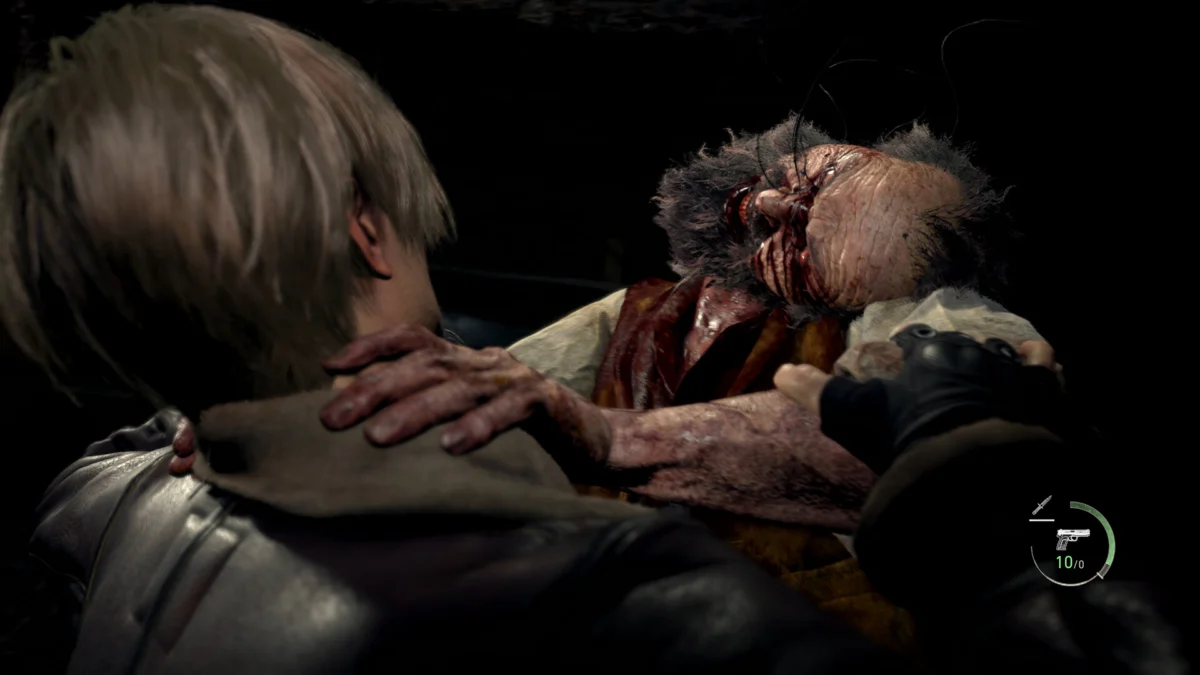
Introduction: A Change of Pace for a Genre Titan
In the pantheon of survival horror, few names carry as much weight as Hideki Kamiya. As the director of the original Resident Evil 2, he helped define the claustrophobic, tension-filled corridors that have terrorized players for three decades. Yet, in a bizarre and delightful twist, the legendary developer has recently proposed a concept for a Resident Evil spinoff that ditches the nerve-shredding scares for something far more domestic: a "slice-of-life" farming simulator starring none other than Leon S. Kennedy.
While the notion of a Resident Evil game devoid of bioweapons and zombies may seem antithetical to the franchise’s DNA, the proposal has struck a chord with a weary fanbase. It suggests a future where our favorite heroes aren’t just defined by their survival skills, but by their ability to finally, after thirty years of relentless trauma, find peace.
The Genesis of an Unlikely Concept
The story began in late June 2026, during the celebration of the Resident Evil series’ 30th anniversary. As social media platforms were flooded with tributes to the franchise’s legacy, a fan reached out to Kamiya on X (formerly Twitter). The fan, acknowledging Kamiya’s well-known distaste for horror, expressed a heartfelt desire: "I know you’re not good with scary things, but someday, I hope you’ll weave the story of Leon and Claire again."
Kamiya, never one to shy away from a provocative opinion, responded with an unexpectedly detailed vision. He ignored the typical demand for a high-octane action thriller and instead painted a picture of a "cozy" retirement for Leon. In his pitch, the DSO agent—a man who has faced down Tyrants, Las Plagas, and world-ending viral outbreaks—is reimagined as a rural resident whose greatest challenge is the perfect sear on a piece of steak or the health of his backyard vegetable patch.
Chronology of a Survival Icon
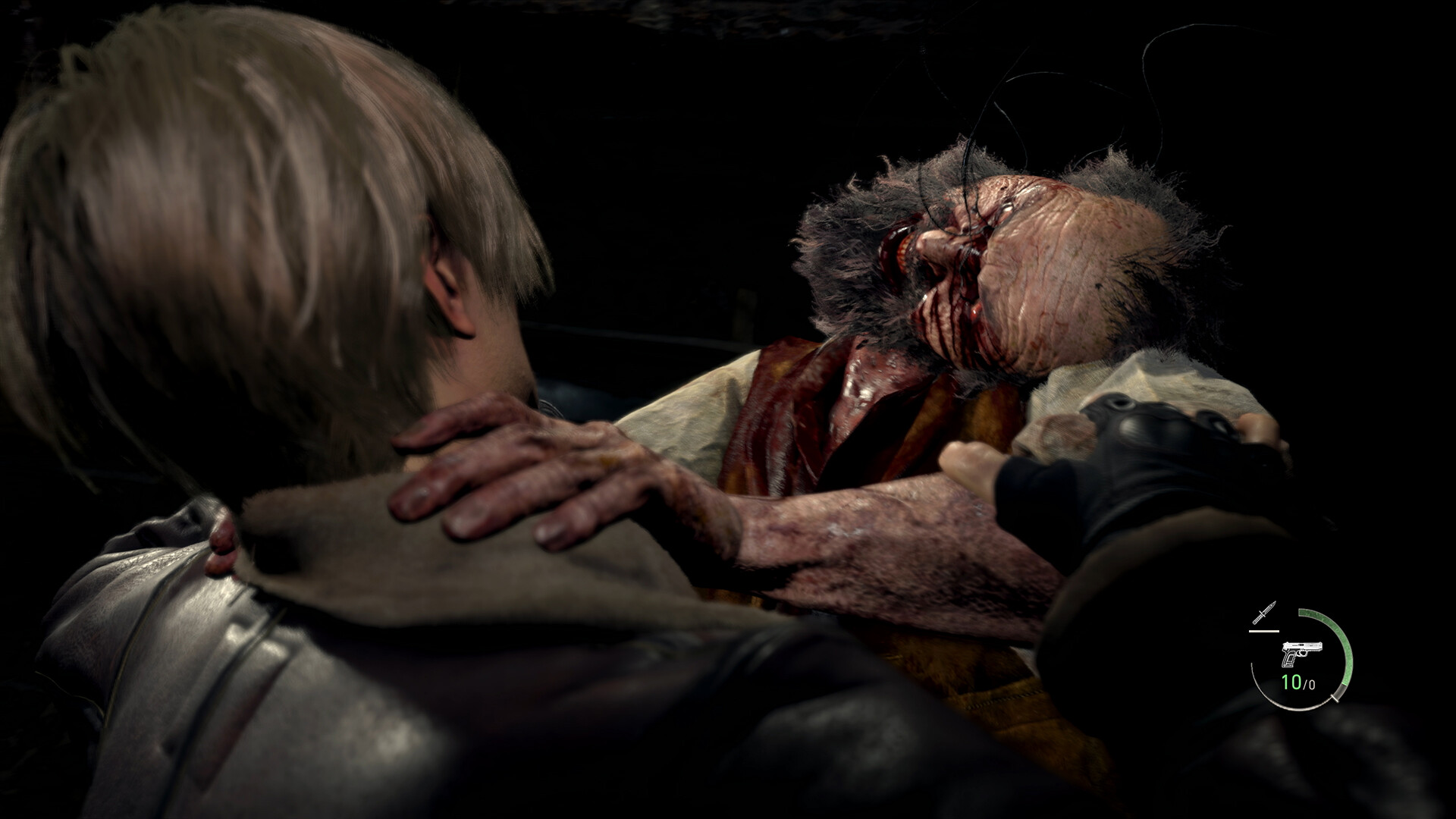
To understand why this pitch is so resonant, one must look at the character arc of Leon S. Kennedy. Since his debut in 1998, Leon has been the quintessential "wrong place, wrong time" hero.
- 1998 (Raccoon City): A rookie cop’s first day on the job turns into a nightmare as he fights his way out of an undead-infested metropolis.
- 2004 (Spain): Now a government agent, Leon is deployed to rescue the President’s daughter from a cult using an ancient parasite.
- 2010s–2020s: Through subsequent entries and the recent Resident Evil: Requiem, Leon’s resume has grown to include countless near-death experiences, physical injuries, and the heavy psychological toll of watching colleagues and friends perish.
By the time of the 30th-anniversary milestone, Leon is roughly 51 years old. His body has been tossed, burned, infected, and traumatized. The "cozy" pitch functions as a narrative catharsis—a hypothetical retirement plan for a character who has simply done enough.
The "Non-Scary" Philosophy: Kamiya’s Stance
Hideki Kamiya’s personal aversion to horror is not a new development; it is a long-standing joke and a sincere professional stance. In several interviews and social media clips, the director has consistently championed the idea of a "non-scary mode" for the franchise.
"I’ve been saying forever they should make a non-scary mode," Kamiya remarked in a recent video shared by CLOVERS Inc. When challenged by interviewers who argued that removing the fear would destroy the essence of the game, Kamiya doubled down: "Look, I just want to enjoy the puzzles. The puzzles and the combat. I don’t need the scary stuff."
This philosophy stems from a design perspective that prioritizes mechanics—the "game" part of the video game—over the emotional manipulation of the player. For Kamiya, the appeal of Resident Evil lies in its structural integrity: the inventory management, the map navigation, and the satisfaction of overcoming a tactical hurdle. Applying this to a domestic setting essentially turns a survival-horror game into a survival-management game, replacing zombies with the logistical challenges of living off the grid.
Supporting Data: What the "Leon Simulator" Would Look Like
According to Kamiya’s pitch, the gameplay loop would be a dramatic departure from the franchise’s norm. He describes a daily routine for Leon that sounds remarkably similar to titles like Stardew Valley or Harvest Moon:
- Agriculture: Tending to a home garden and foraging for wild vegetables.
- Sustainability: Baking bread, collecting eggs, and managing local livestock.
- Community Building: Driving 50 kilometers to the nearest general store, engaging with neighbors, and helping the elderly with home repairs (such as fixing a neighbor’s oven).
- Social Engagement: Inviting old "buddies" over for a barbecue and selling homemade lemonade at local festivals.
Fans have been quick to embrace the comedic potential of this. One user on social media jokingly imagined a "BBQ Quick Time Event" where, if the player fails to flip the meat at the right moment, Leon laments the loss of his meal with the same intensity he might express during a boss fight.
Official Responses and Fan Enthusiasm
The reaction from the community has been overwhelming. The thread on X became a hub for fan art and creative writing, with users expressing a profound, almost emotional attachment to the idea.
One fan wrote, "I’m crying. This looks so peaceful for Leon, it’s the perfect life. The one he’s dreamed of for the rest of his life." Another pointed out the irony of a character known for his "perfect blond balayage" and tactical prowess potentially spending his afternoons struggling with a malfunctioning oven or a stubborn patch of weeds.
Kamiya, clearly enjoying the discourse, took it a step further by tagging Capcom directly. "Capcom, there are a lot of voices out there saying they want something like a Biohazard [Resident Evil] that’s not scary," he wrote. "If you have some free time, please consider making it… I want to play it too."
Implications: A New Genre for Capcom?
While the likelihood of Capcom greenlighting a full-scale "Resident Evil: Countryside Living" title is slim, the conversation raises significant questions about the future of the brand.
1. Expanding the Demographic
A non-horror Resident Evil title would potentially open the franchise to a massive, untapped demographic. There is a significant portion of the gaming population that enjoys the "Capcom polish"—the high-fidelity graphics, the tight controls, and the satisfying UI—but is deterred by the visceral, anxiety-inducing nature of traditional horror.
2. The Power of "Cozy" Gaming
The "cozy" game genre has exploded in popularity, with players increasingly seeking low-stakes, relaxing experiences. By leveraging the deep, established lore of Resident Evil, a spinoff could offer a "comfort game" experience for fans who already love these characters but want to see them in a different light.
3. The "Legacy" Spin-off
Major franchises often benefit from taking their characters out of their element. Much like how spin-offs in other genres allow developers to experiment with new mechanics, a slice-of-life title could serve as a creative playground for Capcom. It would allow them to reuse assets, test new simulation mechanics, and deepen the characterization of their protagonists without the constraints of a high-budget horror campaign.
Conclusion: A Well-Earned Rest
Hideki Kamiya’s pitch is, at its heart, an act of empathy for a character who has been through hell. In an industry that is constantly pushing for more spectacle, more terror, and more intensity, there is a refreshing honesty in the desire for a quieter experience.
Whether Capcom decides to listen to the "voices out there" remains to be seen. However, the viral nature of this pitch proves one thing: the audience is just as invested in the humanity of Leon S. Kennedy as they are in the monsters he fights. Perhaps, in some alternate timeline, Leon isn’t running from a chainsaw-wielding maniac, but is instead debating the merits of different fertilizers for his tomatoes. And honestly, after thirty years, he’s earned the right to try.


 Pevita Pearce
 Asep Darmawan




