Laily UPN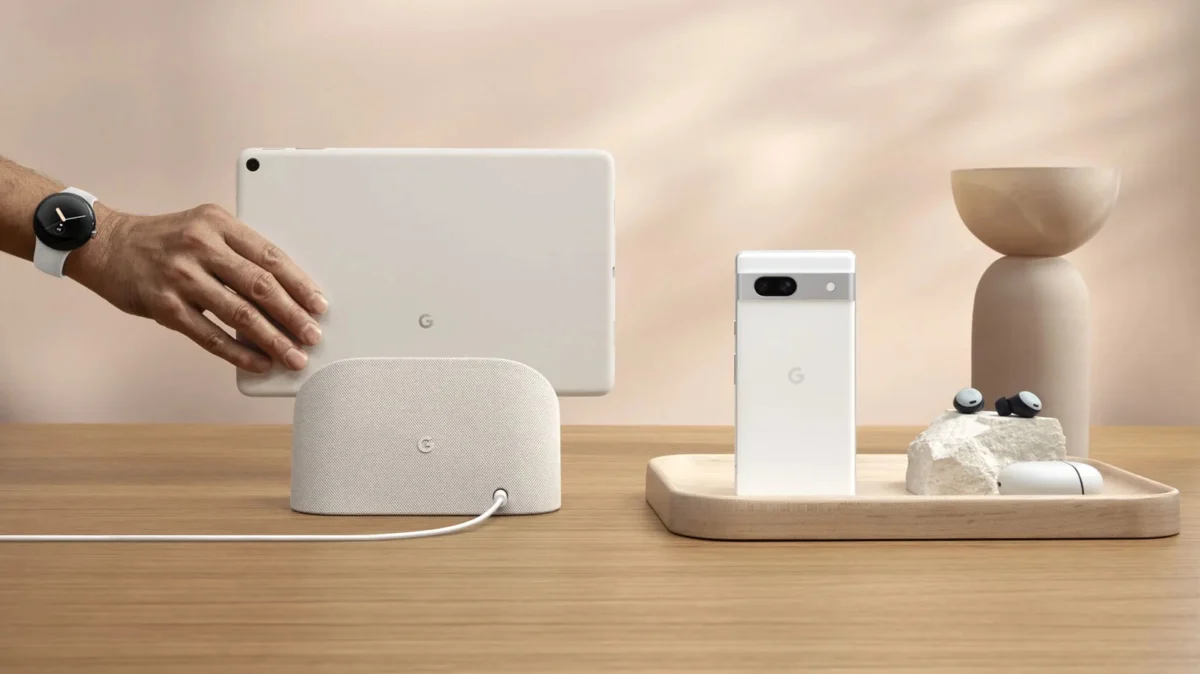
In a move that has caught many tech enthusiasts and industry analysts off guard, Google has effectively scrubbed the Pixel Tablet from its primary retail presence. As of this week, the device is no longer searchable or purchasable through the official Google Store, and the dedicated "Tablets" category—once a prominent feature of the site’s navigation menu—has been dismantled. This quiet removal marks a significant turning point for a product that was positioned as a cornerstone of Google’s "ambient computing" vision, sparking widespread speculation that the company is quietly phasing out its tablet ambitions.
The disappearance was first identified by tech blog Jetstream, which noted that the product pages had transitioned from "Out of Stock" to completely removed, mirroring the behavior typically seen when a company officially ends the lifecycle of a hardware product.
The Chronology of a Short-Lived Vision
To understand the gravity of this removal, one must look back at the ambitious rollout of the Pixel Tablet. Google first teased the device at its I/O conference in May 2022, framing it as the missing link between a portable media device and a stationary smart-home hub.
- May 2022: Google provides a "sneak peek" at the Pixel Tablet, generating significant buzz for its unique charging speaker dock.
- May 2023: The device officially launches at Google I/O 2023. Priced at $499 (though often bundled with the dock for a higher MSRP), it enters a market dominated by the iPad and Samsung’s Galaxy Tab series.
- Late 2023 – Early 2024: Reviews are mixed. While critics praise the convenience of the speaker dock for kitchen and bedroom use, they lament the lack of optimized Android tablet applications and the omission of premium hardware features found in competitors.
- Mid-2024: Inventory levels begin to fluctuate. Major third-party retailers like Amazon and Best Buy begin to show intermittent stock, with many listings eventually moving to "no longer available in new condition."
- Late 2024: The Google Store removes the "Tablets" navigation tab and deletes the product listing, signaling the end of the line for direct sales.
Analyzing the Market Response and Sales Trajectory
The Pixel Tablet was not merely a hardware release; it was an experiment in user behavior. By including a charging speaker dock, Google was betting that consumers wanted a tablet that lived on a counter, ready to serve as a smart display when not in use. However, the marketplace response proved far more tepid than anticipated.
Data from major retailers paints a stark picture. As of this writing, Amazon has completely ceased direct sales of the device, and Best Buy’s listings are marked as unavailable for new units. The lack of secondary market support—often a leading indicator of a product’s lifecycle—suggests that Google has ceased manufacturing entirely.
Furthermore, the ecosystem surrounding the device is crumbling. Essential accessories, such as the official Pixel Tablet Case and the signature Charging Speaker Dock, are largely out of stock across the board. The Google Store currently only lists the third-party Wasserstein Speaker Stand as an active accessory, a clear indication that Google is liquidating its remaining peripheral inventory rather than replenishing its own brand offerings.
Implications for Google’s Hardware Strategy
The removal of the Pixel Tablet raises difficult questions regarding Google’s long-term hardware strategy. For years, Google has struggled to maintain a consistent tablet footprint, oscillating between the premium Pixel Slate (which ran ChromeOS) and the Android-based Pixel Tablet.
The Software Gap
A primary criticism throughout the life of the Pixel Tablet was the "Android tablet experience." Despite Google’s efforts to improve tablet-optimized interfaces for its suite of apps, the ecosystem remains vastly inferior to Apple’s iPadOS. Many developers have been hesitant to invest significant resources into tablet-specific layouts, leaving users with "stretched" smartphone apps that fail to take advantage of the larger screen real estate.
The Pivot to "Ambient Computing"
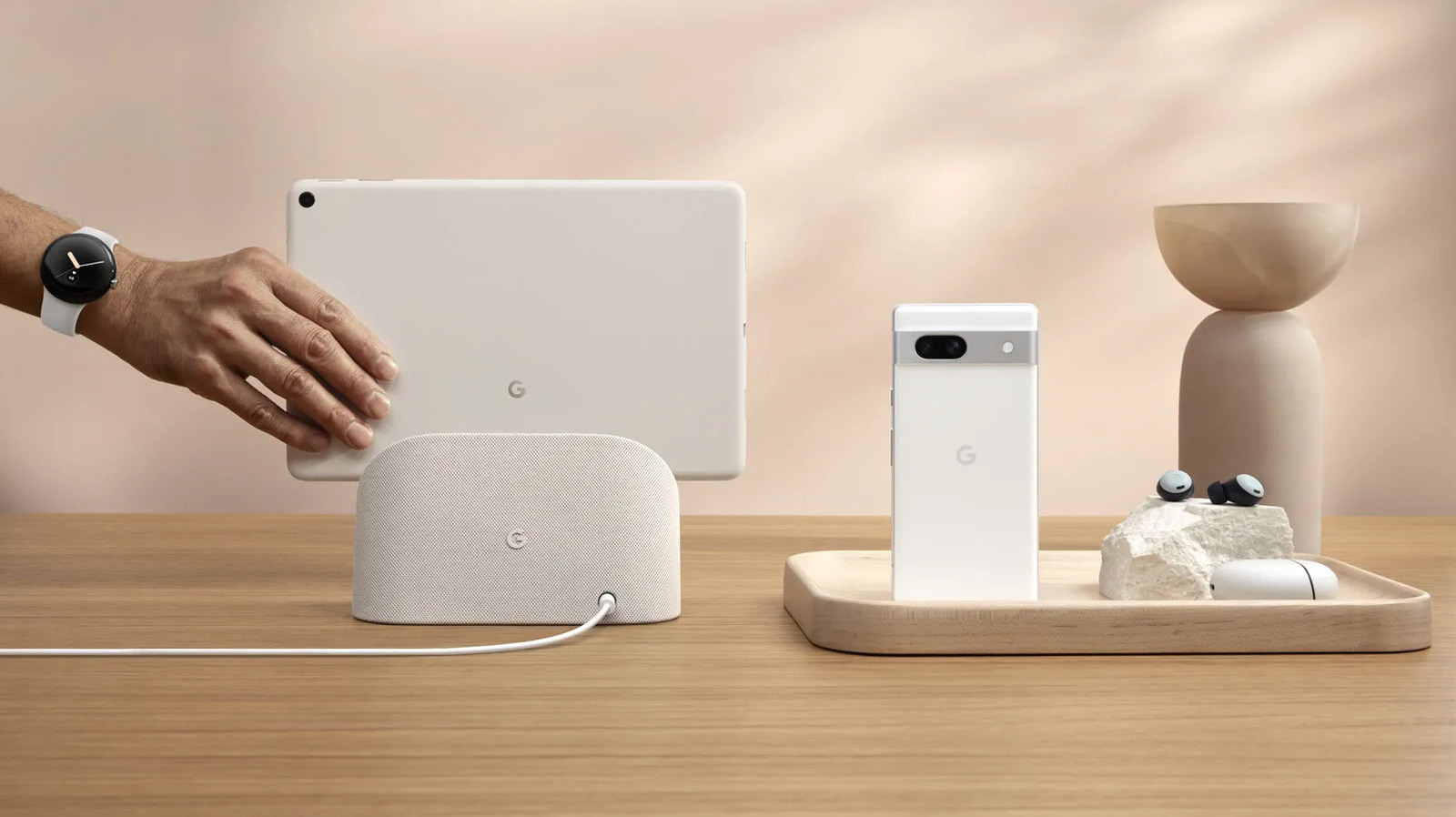
The Pixel Tablet was meant to be the ultimate Nest Hub hybrid. By focusing on the "docked" experience, Google hoped to create a device that provided more utility than a static smart display. However, the pricing strategy—which felt high compared to the standalone Nest Hub—likely deterred consumers who simply wanted a smart display, while those wanting a premium tablet were disappointed by the lack of high-end specifications, such as OLED displays or faster refresh rates.
What This Means for Current Owners
For those who already own a Pixel Tablet, the news of its potential discontinuation is naturally concerning. However, there are a few silver linings.
- Software Support: Google has a standard lifecycle policy for its hardware. Even if the device is discontinued, the company is expected to continue providing security updates and Android version updates for the remainder of the promised support window.
- Existing Ecosystem: The device itself remains functional. The unique selling point—the charging dock—will continue to work as intended, and existing smart home integrations remain tied to the Google Home ecosystem, which is not going anywhere.
- Warranty and Service: Existing warranties remain valid. If a unit purchased directly from the Google Store develops a fault, the company is still obligated to provide repair or replacement services under the terms of the original warranty, even if they no longer stock new units for sale.
Official Responses and the Future of the Pixel Brand
When approached for comment, Google representatives have remained characteristically tight-lipped. The company has not issued a formal press release declaring the "end of life" for the product, which is standard practice for the search giant. Often, Google prefers to let products fade into the ether of its "discontinued" graveyard rather than making a public announcement.
The silence is telling. If the company had plans for a "Pixel Tablet 2," they would likely keep the momentum alive by keeping the original in stock or announcing a successor. The total removal from the navigation menu suggests a strategic retreat from the tablet form factor, at least for the time being.
Conclusion: A Lesson in Hardware Integration
The life and death of the Pixel Tablet serve as a case study in the complexities of the hardware market. It serves as a reminder that even a company with the resources of Google cannot simply force a new hardware category into existence if the software ecosystem and consumer demand do not align.
While the Pixel Tablet may have failed to become a staple of the modern household, it provided valuable data for Google’s internal teams regarding how users interact with hybrid devices. Whether this knowledge will be applied to a future, more refined product or if it will be folded into the Nest line of smart displays remains to be seen. For now, the Pixel Tablet stands as a cautionary tale of a product that tried to be everything to everyone and ultimately found itself with no place at all.
As we look toward the future of the Pixel brand, the focus will likely shift back to the company’s core strengths: smartphones, wearables, and software-driven AI integrations. For tablet fans, the hunt for the perfect Android slate continues elsewhere, as Google once again exits the stage, leaving behind a blank space where a device used to be.

 Asro
Asro
 Asep Darmawan