Nila Kartika Wati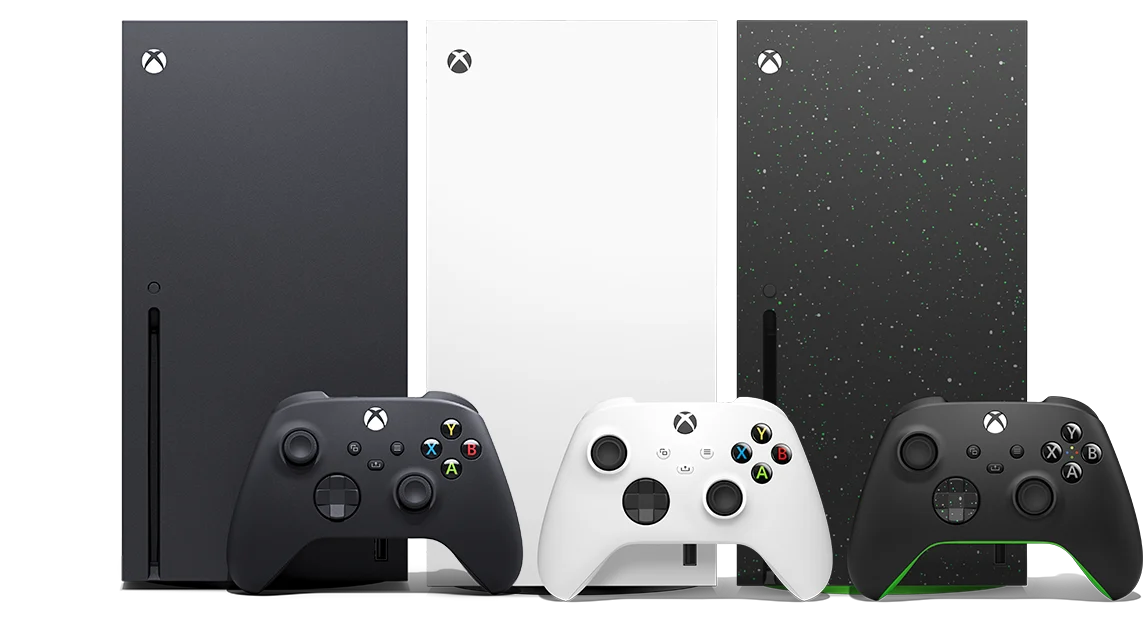
REDMOND, WA – August 2, 202X – In a move that will undoubtedly send ripples throughout the global gaming community, Microsoft has officially announced a substantial price hike for its Xbox console lineup, effective immediately. Citing relentless increases in the cost of console storage and memory components, the tech giant confirmed that the 512GB models of its Xbox consoles will see a $100 price increase, while the 1TB model will jump by $150. Furthermore, the less common 2TB variant will be entirely withdrawn from the market. While specific pricing for territories outside the United States remains unconfirmed, the company indicated that the adjustments are part of a "worldwide" strategy to mitigate soaring production expenses.
This development marks a significant financial shift for consumers looking to enter or upgrade within the Xbox ecosystem, with the popular Xbox Series S (512GB) potentially rising from its current MSRP of $299 to $399, and the flagship Xbox Series X (1TB) escalating from $499 to a new price point of $649. The decision underscores the severe pressures facing the consumer electronics industry, particularly the console sector, where hardware is often sold at or below manufacturing cost.
Main Facts: A New Price Reality for Xbox Enthusiasts
Microsoft’s unexpected announcement heralds a new, more expensive era for its current generation of Xbox consoles. Effective August 2nd, 202X, prospective buyers will face significantly higher entry costs for the popular gaming systems. The core of the price adjustment revolves around specific storage capacities, impacting both the entry-level and premium offerings.
Specifically, the 512GB models, primarily referring to the Xbox Series S, will see their recommended retail price (RRP) increase by a notable $100. This adjustment will likely push the Xbox Series S (512GB) from its long-standing price of $299 USD to a new RRP of $399 USD in the United States. This represents a substantial 33% increase for what was previously positioned as the most affordable entry point into the current generation of console gaming. The Xbox Series S, known for its digital-only format and compact design, has been a popular choice for gamers seeking a budget-friendly option, and this price jump could significantly alter its market appeal.
For the more powerful 1TB model, which encompasses the flagship Xbox Series X and the recently introduced 1TB version of the Xbox Series S, the price increase is even steeper, set at $150. Assuming the current MSRP for the Xbox Series X (1TB) is $499 USD, its new price would ascend to $649 USD. This places the premium console firmly in a higher price bracket, potentially making it a more significant financial commitment for many consumers. The 1TB Xbox Series S, which launched more recently, would similarly see its price adjusted upwards by $150 from its original RRP.
In addition to these price hikes, Microsoft has also confirmed the discontinuation of its 2TB variant. While not a standard SKU for the core consoles themselves, this could refer to specific bundles that included 2TB expansion cards or a niche market offering. Its withdrawal simplifies the product lineup but removes a high-capacity option for those who might have sought it, further emphasizing the cost pressures associated with large-capacity storage.
Crucially, the announcement explicitly states that these price increases are part of a "worldwide" initiative. However, Microsoft has yet to provide concrete pricing details for non-US markets. This leaves consumers in regions like Europe, the UK, Canada, Australia, and Asia in a state of anticipation, grappling with the uncertainty of how these dollar increases will translate into their local currencies, especially considering fluctuating exchange rates and regional taxation. The global nature of the adjustment underscores a systemic issue rather than a localized market strategy, indicating that the underlying economic pressures are felt across all major territories.
The rationale provided by Microsoft centers squarely on "increased costs for console storage and memory." This explanation points to broader supply chain issues and inflationary pressures that have been impacting the technology sector for several years. The company’s blog post referenced a previous price increase in October, suggesting that the current adjustments are a continuation of efforts to cope with an escalating cost environment for critical hardware components. This candid admission sets the stage for a deeper examination of the economic forces at play.
Chronology: A History of Rising Costs and Industry Strain
The latest Xbox price increase is not an isolated event but rather the culmination of a series of economic pressures that have been building within the technology and gaming industries for several years. Understanding the chronology of these events provides crucial context for Microsoft’s decision.
The current "components crisis" can largely be traced back to the early days of the COVID-19 pandemic in 2020. Lockdowns, factory closures, and sudden shifts in consumer demand – particularly a surge in demand for home electronics for work, education, and entertainment – created an unprecedented strain on global supply chains. Semiconductor manufacturing, already a complex and capital-intensive process, struggled to keep pace. Foundries were quickly overbooked, lead times for components stretched from weeks to months, and prices began to creep upwards.
For the gaming industry, this meant significant challenges in producing the highly anticipated next-generation consoles, the Xbox Series X|S and PlayStation 5, which launched in late 2020. Both companies faced severe stock shortages for well over a year post-launch, frustrating consumers and highlighting the fragility of the supply chain for complex electronic devices. Even as manufacturing capacities slowly recovered, the underlying costs of raw materials, logistics, and labor continued to climb due to global inflation and ongoing geopolitical tensions.
Microsoft specifically referred to a previous price adjustment in October, indicating that the company has been actively managing these rising costs for some time. While details of that earlier increase were not extensively publicized for base consoles, it likely targeted accessories, services, or specific regional markets. The current announcement, however, is a direct and significant increase for the core console hardware itself, signaling a critical tipping point in Microsoft’s ability to absorb these escalating expenses.
This isn’t just an Xbox phenomenon. The entire consumer electronics sector has been grappling with similar issues. The recent news regarding Valve’s Steam Machine provides a parallel narrative. Valve admitted that its handheld gaming PC would be priced "higher than the company planned," with the 512GB model starting at $1,049 USD. This higher-than-expected price was directly attributed to "hardware supply issues," echoing Microsoft’s justification. Other tech giants, from smartphone manufacturers to PC component suppliers, have also reported increased production costs and, in many cases, have passed these costs onto consumers through higher retail prices.
Historically, console pricing has always been a delicate balance. Early console generations often saw hardware sold at a significant loss, with manufacturers aiming to recoup costs and generate profit through software sales and licensing fees. This strategy, known as the "razor and blades" model, made consoles accessible and helped build large install bases. However, as console hardware became more sophisticated and component costs fluctuate wildly, this model becomes increasingly challenging to sustain. The current inflationary environment, coupled with the unique demands of high-performance gaming hardware, has pushed many companies, including Microsoft, to reassess this long-standing pricing strategy. The decision to raise prices globally underscores a fundamental shift in the economics of console manufacturing in the 2020s.
Supporting Data: The Economics Behind the Escalation
Microsoft’s justification for the price hikes hinges on the soaring costs of "console storage and memory." To truly understand the gravity of this claim, it’s essential to delve into the specific components and broader economic factors at play.
Memory (RAM) and Storage (NAND Flash):
Modern gaming consoles, including the Xbox Series X and Series S, rely heavily on high-speed memory (RAM) and solid-state drives (SSDs) for storage.
- RAM (Random Access Memory): The Xbox Series X, for instance, features 16GB of GDDR6 RAM, while the Series S has 10GB. GDDR6 is a specialized, high-bandwidth memory crucial for rendering complex game worlds quickly. The production of RAM chips is dominated by a few major manufacturers (Samsung, SK Hynix, Micron), and their pricing is susceptible to supply-demand dynamics, manufacturing yields, and raw material costs.
- NAND Flash Storage (SSDs): Both consoles utilize custom NVMe SSDs, offering unprecedented loading speeds and enabling new game design paradigms. These SSDs are built using NAND flash memory chips. The market for NAND flash has seen significant volatility. While there have been periods of oversupply leading to price drops, the current environment is characterized by increased demand, raw material price hikes (e.g., silicon wafers, rare earth minerals), and the capital-intensive nature of building and maintaining fabrication plants.
Microsoft’s blog post starkly stated that "console storage and memory prices have increased by more than 2.5x and we expect another doubling by the fall of 2027." This projected trajectory is alarming, suggesting that the current price increases may not be the last, and the fundamental economics of console manufacturing are undergoing a profound, long-term shift.
Market Analysis and Supply Chain Disruptions:
The semiconductor industry, which produces these vital components, has been in a state of flux. Beyond the initial COVID-19-induced disruptions, factors contributing to increased costs include:
- Geopolitical Tensions: Trade disputes and national security concerns have led to shifts in supply chain strategies, sometimes favoring less efficient or more expensive local production.
- Inflation: Global inflation has impacted everything from energy costs for factories to shipping expenses and labor wages, all of which feed into the final cost of components.
- Increased Demand Across Sectors: The rise of AI, cloud computing, electric vehicles, and other smart devices means that consoles are competing with a vast array of other industries for the same limited semiconductor manufacturing capacity. This heightened competition naturally drives up prices.
- Technological Advancement Costs: As chips become smaller and more complex, the research, development, and manufacturing processes become exponentially more expensive, requiring multi-billion-dollar investments in new fabrication plants (fabs).
Impact on Profit Margins: The "Consoles Not Sold at a Profit" Paradigm:
A critical point highlighted by Microsoft is that "Unlike phones, computers, speakers, and other consumer devices, consoles are typically not sold at a profit, but instead for less than they cost to make." This business model relies on generating revenue through software sales (games), subscription services (Xbox Game Pass), and accessory sales once a large user base is established.
When the cost of manufacturing the hardware itself skyrockets, this "loss leader" strategy becomes unsustainable. The margin for absorbing increased component costs shrinks rapidly. If Microsoft were to continue selling consoles at the previous prices, the losses per unit would become too great, jeopardizing the long-term viability of the Xbox hardware business. The decision to raise prices, therefore, is not about increasing profit margins on hardware but rather about mitigating losses and ensuring the sustainability of the console division.
Why Consoles are "Particularly Hard Hit":
Consoles differ from other consumer electronics in several key ways that make them vulnerable to component price volatility:
- Fixed Hardware: Unlike PCs or smartphones which have shorter refresh cycles or modular components, consoles are sold as a fixed hardware package designed to last for 5-7 years. This means manufacturers commit to specific components and their costs for an extended period.
- Custom Components: Consoles often feature custom-designed System-on-a-Chip (SoC) processors and specialized memory configurations, which means less flexibility to swap out components for cheaper alternatives.
- Price Sensitivity: The console market is highly price-sensitive. A $100-$150 increase can significantly impact purchasing decisions, especially for a product often seen as a discretionary purchase.
The supporting data paints a clear picture: Microsoft’s decision is a direct response to undeniable and escalating economic pressures, particularly in the critical areas of memory and storage, which form the backbone of modern gaming experiences.
Official Responses: Microsoft’s Rationale and Mitigation Efforts
Microsoft’s official communication regarding the price adjustments was delivered via a blog post on Xbox Wire, the company’s news portal. This direct address to the gaming community aimed to explain the rationale behind the unpopular decision while simultaneously outlining measures to soften the blow for consumers.
The core of Microsoft’s explanation, as articulated in the blog post, is rooted in the unprecedented surge in component costs. The company explicitly referred to its previous price increase in October, signaling that this is not a sudden reaction but a continuing battle against escalating manufacturing expenses. The statement highlighted the dramatic increase in "console storage and memory prices" by "more than 2.5x" and projected "another doubling by the fall of 2027." This forward-looking statement suggests that the company foresees a sustained period of high component costs, indicating that these price adjustments are likely a long-term strategy rather than a temporary measure.
The blog post also elaborated on the unique economic position of console manufacturers. "Unlike phones, computers, speakers, and other consumer devices, consoles are typically not sold at a profit, but instead for less than they cost to make." This emphasizes the razor-and-blades business model prevalent in the console industry, where hardware serves as an entry point for software sales, subscriptions, and services. When the cost of the "razor" (the console) significantly increases, it directly impacts the financial viability of the entire ecosystem. Microsoft’s decision, therefore, can be interpreted as a necessary step to maintain the financial health of its Xbox division in the face of unsustainable production costs.
Recognizing the potential backlash and impact on consumer affordability, Microsoft also dedicated a significant portion of its announcement to "programs to make Xbox consoles more accessible." These initiatives aim to mitigate the financial burden on consumers and ensure that Xbox remains within reach for a broader audience. Key programs highlighted include:
- Buy Now, Pay Later Options: Available for purchases made through the Microsoft Store, this program allows consumers to spread the cost of a console over several installments, easing the immediate financial outlay.
- Interest-Free Financing through Amazon: Collaborating with major retail partners like Amazon, Microsoft is facilitating interest-free financing options, making it possible for consumers to acquire a console without incurring additional debt charges, provided payments are made on time.
- Partnerships for Previously Played Consoles: Microsoft indicated it is "working with retail partners on new programs to provide previously played consoles at lower prices." This suggests a push towards a more robust certified pre-owned market, offering a more affordable alternative to brand-new hardware.
- Certified Refurbished Consoles: The company explicitly pointed out that "Certified Refurbished Consoles are available at Microsoft Stores for up to US$100 off MSRP." This offers a direct, official pathway for consumers to purchase a console at a reduced price, often with a warranty, providing a significant discount over the new, higher-priced models.
While these accessibility programs offer some relief, the announcement was notably silent on confirmed pricing for non-US markets. This lack of immediate confirmation for regions outside the United States leaves many international consumers in limbo. It implies that Microsoft is likely still assessing how to translate the dollar-based increases into local currencies, taking into account regional economic conditions, exchange rate fluctuations, import duties, and local market competitiveness. This delay could also be a strategic move to gauge initial reactions in the US market before rolling out potentially unpopular price hikes globally. The absence of specific international pricing details, however, adds an element of uncertainty and potential frustration for a significant portion of Xbox’s global user base.
Implications: Reshaping the Gaming Landscape
The significant price increase for Xbox consoles carries far-reaching implications for consumers, the gaming industry, and Microsoft’s long-term strategy. This move could reshape purchasing behaviors, competitive dynamics, and the very perception of console value.
Impact on Consumers:
For potential buyers, the immediate impact is a higher barrier to entry. The Xbox Series S, once lauded for its affordability, now approaches the $400 mark, while the Xbox Series X crosses the $600 threshold, pushing it into premium PC gaming territory. This could force many consumers to reconsider their purchasing decisions, potentially delaying upgrades or opting for alternative entertainment options. Families, students, and budget-conscious gamers, who often gravitate towards the more affordable Series S, will feel the pinch most acutely. While Microsoft’s accessibility programs – such as "buy now, pay later" and refurbished options – offer some mitigation, they don’t negate the fundamental increase in the baseline cost. The decision may also lead to a surge in demand for second-hand consoles in the short term, as consumers seek to avoid the new pricing.
Impact on the Gaming Industry and Market Share:
The ripple effect across the broader gaming industry could be substantial. A more expensive Xbox could influence market share dynamics in the ongoing console war. If Sony (PlayStation) or Nintendo (Switch) do not follow suit with similar price increases, Xbox might find itself at a competitive disadvantage in terms of hardware price. While each console offers a unique ecosystem, price remains a critical factor for many. A slower growth rate for the Xbox install base due to higher prices could, in turn, affect developers who target the platform, potentially influencing investment in Xbox-exclusive titles or optimization efforts. It also highlights a broader industry trend where premium gaming experiences are becoming increasingly costly to access, potentially alienating a segment of the audience.
Microsoft’s Strategic Maneuvers:
For Microsoft, this decision underscores a clear strategic pivot: emphasizing value beyond raw hardware. The price hike makes the Xbox Game Pass subscription service even more central to the Xbox ecosystem. With a higher console price, the argument for Game Pass – offering a vast library of games for a monthly fee – becomes more compelling as a way to derive maximum value from the initial hardware investment. This move could accelerate the shift towards a service-centric model, where the long-term relationship with the customer through subscriptions is prioritized over hardware profit margins.
Furthermore, the price increase implicitly strengthens the case for cloud gaming (Xbox Cloud Gaming). If owning a physical console becomes more expensive, streaming games directly to existing devices (smartphones, PCs, smart TVs) via a Game Pass Ultimate subscription could become an increasingly attractive, hardware-agnostic alternative. This aligns with Microsoft’s broader vision of making Xbox gaming accessible across multiple platforms, reducing reliance on dedicated console hardware.
Future Outlook and Industry-Wide Response:
Microsoft’s projection of "another doubling by the fall of 2027" for component costs is a stark warning. This suggests that the current price increases may not be the last, and the industry could be heading towards a sustained period of higher hardware costs. This raises critical questions: Will other console manufacturers eventually follow suit? PlayStation and Nintendo have also faced supply chain challenges and inflationary pressures. If they do, the entire console market could see a reset in pricing expectations. If they don’t, it could intensify competition on hardware price, potentially leading to varied strategies across the console landscape.
Ultimately, the Xbox price increase reflects a challenging economic reality for the technology sector. It represents a difficult balancing act for Microsoft: maintaining financial viability in a volatile market while striving to keep its products accessible to a global audience. The coming months will reveal how consumers react and how competitors respond, shaping the future trajectory of the console gaming industry for years to come.


 Lina Irawan
 Sagoh
Sagoh