Azzam Bilal Chamdy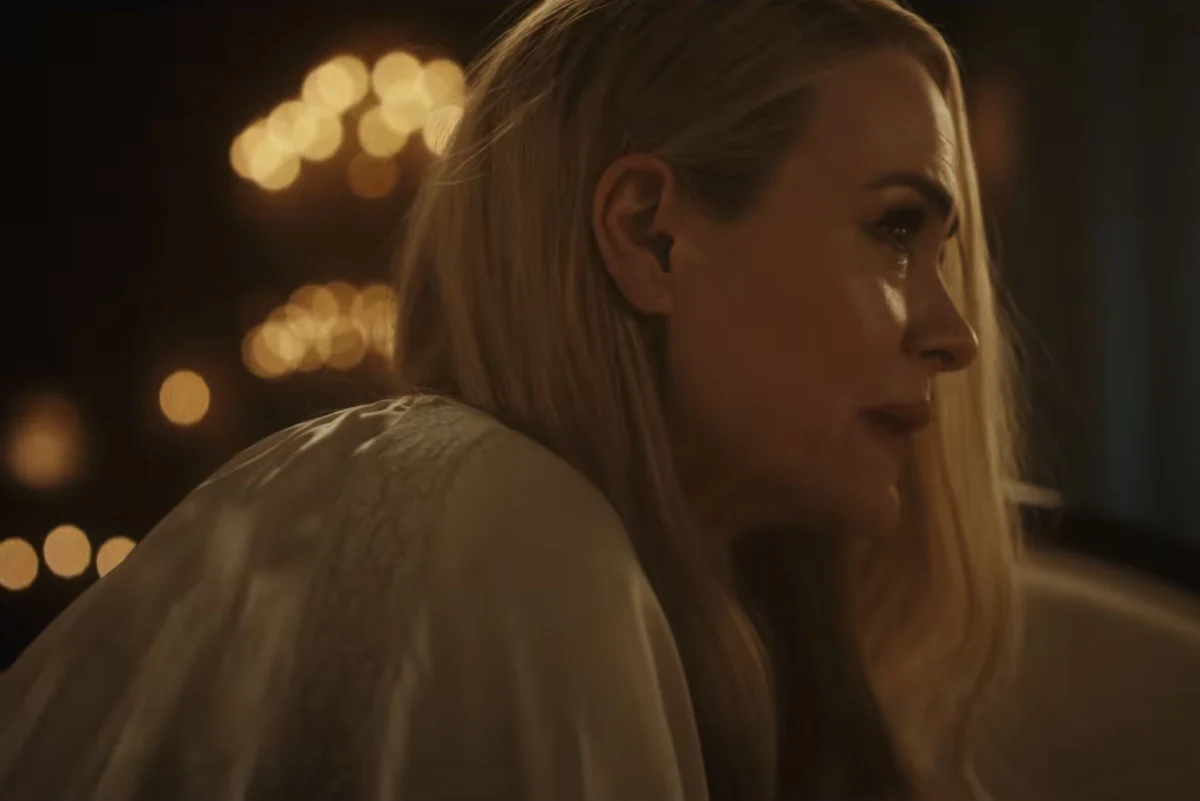
For over a decade, Ryan Murphy’s American Horror Story has stood as the undisputed titan of the horror anthology format. From the claustrophobic terrors of a suburban "Murder House" to the campy excess of a "Coven" and the dystopian bleakness of the "Apocalypse," the series has continuously reinvented the parameters of televised fright. Now, as the production reaches its ominously numbered 13th installment, the creative team is moving beyond mere reinvention. They are initiating a full-scale convergence.
American Horror Story: 13 is not simply another entry in a long-running series; it is a narrative collision that promises to bridge the fragmented timelines and disparate universes that fans have been dissecting since 2011. With the announcement that the series will see the return of legendary cast members playing multiple iterations of their most famous roles, the stakes have been raised to a level that feels—by showrunner Ryan Murphy’s own admission—entirely "Avengers-level."
Main Facts: A Convergence of Icons
The primary hook for AHS: 13 is its sheer, overwhelming scope. For a series that has historically operated through self-contained seasons, the decision to weave together the histories of previous characters represents a monumental shift in production philosophy.
According to official briefings from Ryan Murphy, the production has secured the return of the series’ "holy trinity" of performers: Sarah Paulson, Jessica Lange, and Evan Peters. The complexity of their involvement is unprecedented in the anthology’s history. Murphy revealed to The Hollywood Reporter that Sarah Paulson is slated to portray six or seven distinct characters throughout the season, while Jessica Lange will step back into the shoes of all four of her iconic, fan-favorite portrayals. Evan Peters, long considered the backbone of the series, is currently confirmed for five roles.
This isn’t just a cameo-laden season; it is a structural narrative experiment. By bringing these characters into the "hallowed halls of 13," Murphy is attempting to create a grand finale of sorts—or at least a climactic crossover event—that pits the series’ most resilient survivors against a singular, looming threat described as "the ultimate evil."
A Chronology of Terror: The Evolution of AHS
To understand the weight of AHS: 13, one must look at the trajectory of the series. American Horror Story debuted in 2011, effectively ushering in a new golden age for the genre on basic cable. Over the following twelve years, the show built a global following that has consumed more than 700 million hours of content across streaming platforms.
The series began with the grounded, gothic aesthetic of Murder House, followed by the psychological intensity of Asylum. The show’s DNA was forever changed in the third season, Coven, which introduced a more stylized, pop-culture-infused approach to horror that resonated with a younger demographic. Following this, the show experimented with varying tones: the 1950s aesthetic of Freak Show, the period piece horror of Hotel, the political satire of Cult, and the cosmic scale of 1984 and Double Feature.
Throughout these years, the fan community developed a "cinematic universe" theory, frequently attempting to link characters through shared lineage or locations. AHS: 13 essentially validates years of fan speculation, confirming that these worlds are not just aesthetically linked, but exist within a tangible, shared reality where the actions of a coven in New Orleans can ripple into the nightmares of a hotel in Los Angeles.
Supporting Data and Audience Engagement
The decision to lean into the number 13 is far from coincidental; it is a calculated marketing maneuver that underscores the series’ commitment to its own mythology. The production has intentionally leaned into the "meta" nature of the season.
The official logline for the season reads: "Bringing together an all-star cast, many of whom are reprising fan-favorite roles, American Horror Story: 13 continues to build on the anthology’s decades-long legacy… Which iconic horrors will return to haunt the hallowed halls of 13 and what new terrors await? Light your candles, draw your pentagrams and prepare for a supreme surprise."
While the trailer remains intentionally cryptic—relying heavily on atmospheric "vibes," quick cuts of a sinister, killer clown, and unsettling imagery—it has succeeded in generating a massive uptick in social media discourse. The inclusion of a line from Billie Lourd’s character, who asks, "He’s really riding that thirteen thing extra hard, isn’t he?" suggests that the show is self-aware enough to acknowledge the spectacle of its own milestone.
Official Responses and Creative Vision
The creative team has been tight-lipped regarding the plot, but the thematic direction is clear. Ryan Murphy has compared the season to a superhero team-up, suggesting that the primary conflict will force characters who would otherwise have no reason to interact—or who have historically been enemies—to find common ground.
Critics and industry insiders have noted that this approach addresses a common critique of the show’s later seasons: the feeling of narrative drift. By centering the story on established characters, the audience is given an immediate emotional anchor. Whether it is Jessica Lange’s commanding screen presence or the manic versatility of Evan Peters, the show is relying on the established chemistry of its core cast to carry the weight of a complex, multiversal plot.
"We wanted to honor the fans who have been with us since the very beginning," a production representative stated. "This season is a love letter to the people who spent years mapping out the connections between our seasons. We aren’t just revisiting these characters; we are giving them a proper send-off."
Implications for the Future of the Anthology
The implications of AHS: 13 are vast. If successful, this season could set a precedent for a new era of the franchise. For years, the anthology format was the show’s greatest strength, allowing it to reinvent itself annually. However, the move toward a crossover event signals that the series is reaching a point of "legacy maturation."
There is a risk, of course. Horror, by its nature, often thrives on the unknown. By pulling back the curtain and forcing characters into a singular narrative space, the show risks losing some of the mystique that made the early seasons so effective. However, the high-concept nature of AHS has always been rooted in its willingness to take risks.
Moreover, the release date—September 24th on Hulu—signals a continued commitment to streaming-first distribution. By moving away from a traditional Friday the 13th release, the network has avoided the cliché in favor of a late-September premiere, perfectly timed to lead into the Halloween season, which remains the show’s spiritual home.
Conclusion: Why 13 Matters
As fans prepare for the premiere, the overarching question remains: Can American Horror Story successfully balance the nostalgia of its greatest hits with the requirements of a fresh, terrifying narrative?
The combination of Sarah Paulson’s range, Jessica Lange’s gravitas, and the sheer audacity of a thirteen-episode arc suggests that Ryan Murphy is throwing everything into this season. Whether the characters are fighting an "ultimate evil" or simply dealing with the existential weight of their own pasts, AHS: 13 promises to be the most ambitious, meta, and perhaps the most definitive statement the series has ever made.
For the legions of fans who have spent years lighting candles and drawing pentagrams, the wait is almost over. On September 24th, the "supreme surprise" will finally be revealed, and for the first time in over a decade, the many worlds of American Horror Story will finally collide.

 Asep Darmawan
 Jia Lissa