


CAPE CANAVERAL, FL — The ambitions of Jeff Bezos’ aerospace firm, Blue Origin, suffered a catastrophic setback late Wednesday evening as its flagship heavy-lift launch vehicle, the New Glenn rocket, was obliterated during a routine ground test at the Cape Canaveral Space Force Station.
The explosion, which occurred during a high-stakes "hotfire" test of the rocket’s BE-4 engines, has left the company’s primary launch infrastructure in ruins and has cast a long, uncertain shadow over NASA’s lunar exploration roadmap, specifically the Artemis and Moon Base programs.
The Incident: A Routine Test Turns Catastrophic
On Wednesday, Blue Origin technicians were conducting a critical hotfire sequence—a standard procedure designed to verify the integrity of the rocket’s propulsion systems, plumbing, and structural components under the stress of ignition. These tests are intended to ensure the vehicle is flight-ready before an actual mission launch.
However, shortly after the engines were commanded to ignite, an "anomaly" occurred. Video footage captured from a distance shows a sudden, violent eruption at the base of the rocket, followed by a massive fireball that quickly consumed the vehicle and the surrounding Launch Complex 36. Within seconds, the multi-story structure of the rocket was reduced to a mangled skeleton of charred metal and debris.
"We experienced an anomaly during a hotfire test today," the company stated in an official release on X (formerly Twitter). "Our primary focus remains on the safety of our team and the facility. We have initiated a comprehensive investigation to determine the root cause of this failure."
Blue Origin founder Jeff Bezos quickly took to social media to address the event, seeking to reassure stakeholders and the public. "Very rough day, but we’ll rebuild whatever needs rebuilding and get back to flying," Bezos wrote. "It’s worth it." He confirmed that all personnel at the site were accounted for and safe, noting that the company’s internal safety protocols functioned as intended during the emergency.
A Chronology of the New Glenn Program
The history of the New Glenn rocket has been marked by both soaring ambition and technical turbulence. Named after John Glenn, the first American to orbit the Earth, the vehicle was designed to be a heavy-lift, reusable rocket capable of competing directly with SpaceX’s Falcon Heavy and Starship systems.
- Initial Development: For years, New Glenn was the cornerstone of Blue Origin’s goal to create "millions of people living and working in space." Its massive first stage, designed for up to 25 reuses, was heralded as a paradigm shift in launch economics.
- The Third Mission Failure: The program faced its first major regulatory hurdle following its third mission, which failed to reach its intended orbit. The Federal Aviation Administration (FAA) grounded the fleet immediately. An exhaustive investigation later revealed that a "cryogenic leak" had frozen a critical hydraulic line, resulting in a thrust anomaly during the second-stage engine burn.
- The Road to Recovery: After months of redesigns and rigorous testing, the FAA granted Blue Origin clearance to resume operations earlier this year. The company had been moving rapidly to capitalize on this momentum, attempting to prove the reliability of the system ahead of a series of high-profile NASA missions.
- The Explosion: The catastrophic failure during the hotfire test marks the most significant setback for the company since its inception, effectively resetting the clock on the rocket’s operational viability.
Implications for NASA and the Artemis Program
The destruction of the vehicle is not merely a corporate crisis for Blue Origin; it is a strategic blow to the United States’ broader space agenda. NASA has invested significant political and financial capital into Blue Origin as a commercial partner for its Artemis and Moon Base programs.
NASA has selected Blue Origin to provide a lunar lander for both cargo and human crewed missions. Specifically, the "Moon Base I" mission, currently slated for the fall, relies heavily on the success of the New Glenn launch vehicle. The loss of Launch Complex 36—the only site currently capable of handling New Glenn’s size and weight—means that the mission is now in jeopardy.
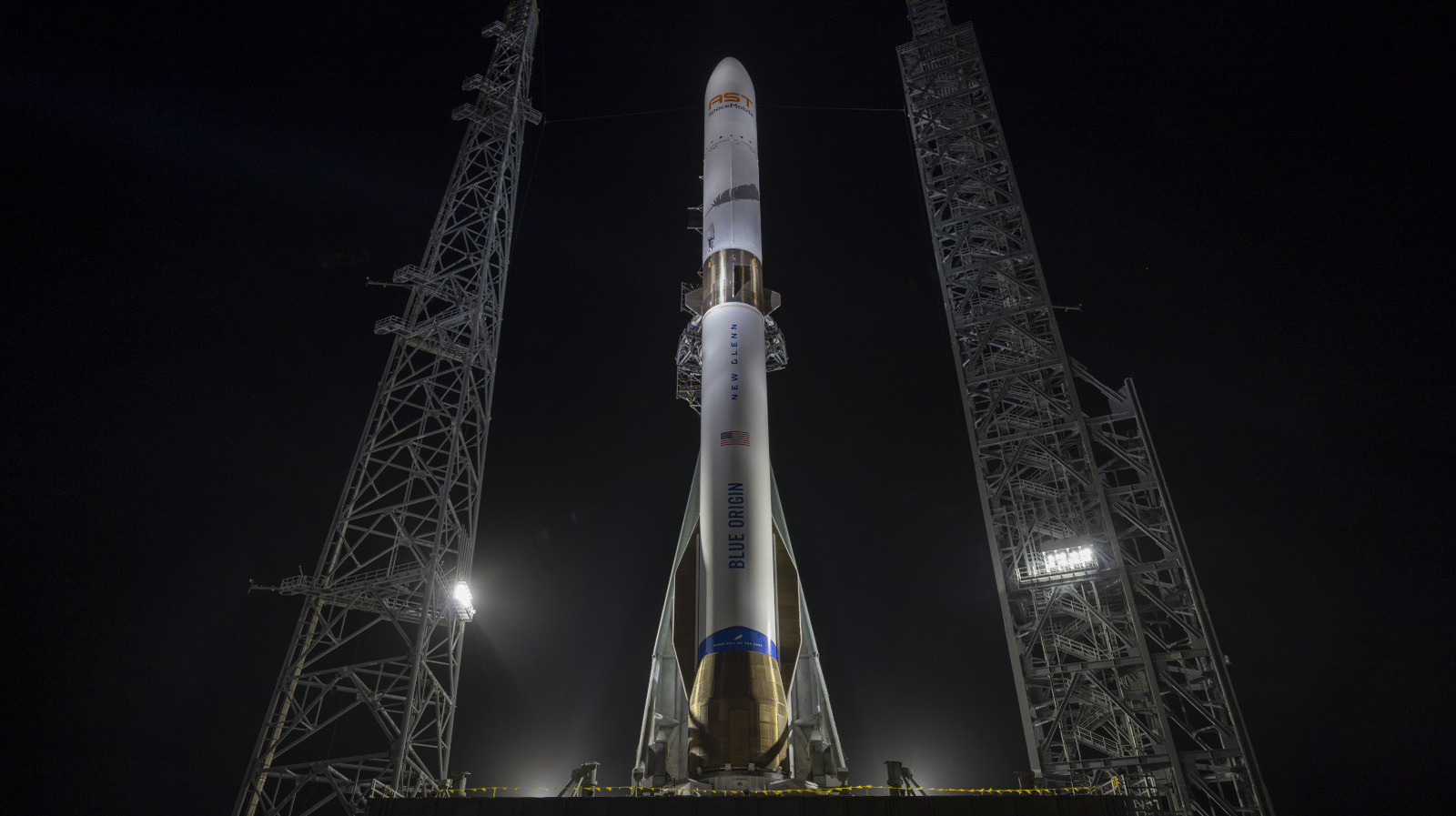
"Spaceflight is unforgiving, and developing new heavy-lift launch capability is extraordinarily difficult," NASA Administrator Jared Isaacman noted in a statement. "We are currently assessing the near-term mission impacts. We will work with our partners to support a thorough investigation, and we will provide information on how this affects the Artemis and Moon Base programs as soon as it becomes available."
Industry analysts suggest that if the launchpad repairs take the projected "several months," NASA will be forced to either delay its lunar landing timeline—already a subject of political scrutiny—or shift its payload requirements to other providers, potentially including SpaceX, which currently dominates the heavy-lift market.
Technical and Regulatory Challenges Ahead
The investigation into the explosion will be heavily scrutinized by the FAA and the aerospace industry. Beyond the immediate forensic analysis of the debris, there are broader questions about the design philosophy of the New Glenn.
The BE-4 Engine Question
The BE-4 engine, which powers the New Glenn, is a sophisticated piece of machinery that utilizes Liquefied Natural Gas (LNG) as fuel. While the engine has been praised for its efficiency, it has faced development delays and technical challenges since its announcement. Investigators will likely focus on whether the fuel delivery system or the engine’s ignition sequence played a role in the "cryogenic leak" issues that plagued the previous flight.
Infrastructure Bottlenecks
The destruction of Launch Complex 36 presents a logistical nightmare. Launchpads are not simply concrete pads; they are complex industrial ecosystems involving massive fueling systems, liquid oxygen storage, high-pressure helium lines, and specialized telemetry arrays. Replacing this infrastructure in the corrosive, high-salt environment of the Florida coast is an immense engineering task that cannot be fast-tracked without significant risk.
Regulatory Oversight
Following the previous grounding of the fleet, the FAA’s oversight of Blue Origin is at an all-time high. The agency is expected to demand a transparent and exhaustive review of the test’s safety protocols. If the investigation reveals that the explosion was caused by human error or a failure to adhere to safety margins during the hotfire test, the regulatory burden on the company for future launches will only increase.
Conclusion: The Path Forward
The path to the Moon has always been paved with failure. From the early days of the Apollo program to the modern challenges faced by SpaceX, the history of aerospace engineering is a cycle of trial, error, and refinement.
For Blue Origin, the next few months will be a test of resilience. While the company has the financial backing of one of the world’s wealthiest individuals, technical failures of this magnitude require more than capital; they require a total re-evaluation of the engineering culture and safety standards.
"We’ll rebuild whatever needs rebuilding," Bezos promised. However, the clock is ticking. As the international race to establish a permanent presence on the Moon intensifies, every month that the New Glenn remains grounded is a month that NASA’s lunar ambitions fall further behind schedule. For now, the launchpads at Cape Canaveral remain silent, awaiting the long, arduous process of investigation and reconstruction.












No comments yet. Be the first to join the conversation!