

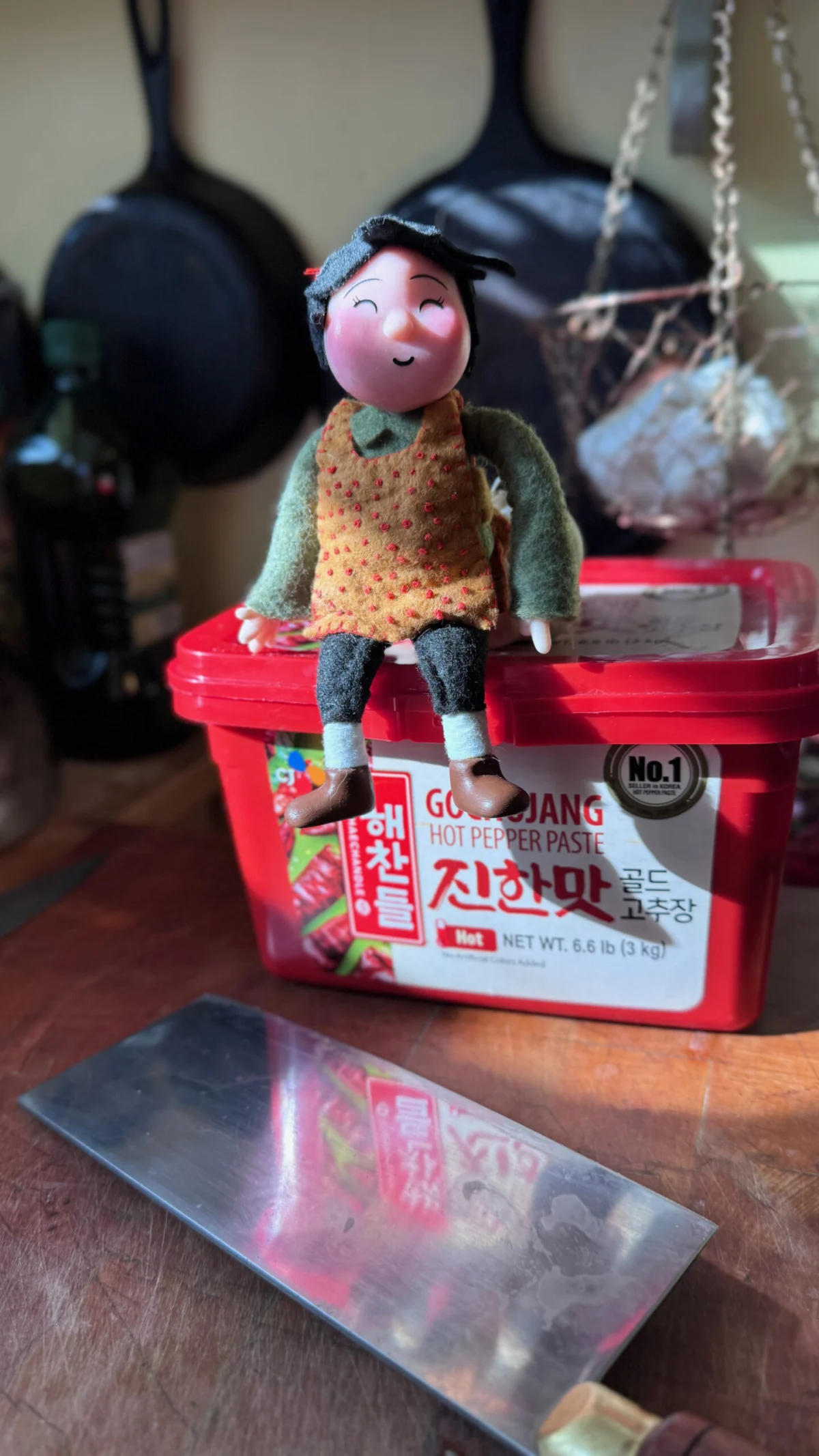
In the high-stakes world of digital content creation, few things are as terrifying as a sudden, unexplained hit from an algorithmic moderator. For Marie Hart and Peter Heacock, the Philadelphia-based creative duo behind the boutique animation house Unpop Animation, that fear became a reality in early 2026. Their channel, which they had painstakingly cultivated for months, was flagged by YouTube’s automated systems as “AI-generated content.”
The result was an immediate stripping of monetization privileges. To the casual observer, this might have signaled the death knell for their burgeoning project, Tiny Grandma. Instead, it served as the accidental spark that transformed a niche stop-motion experiment into a viral sensation. By forcing the human creators out from behind the curtain and into the frame, the algorithm inadvertently validated the very thing the audience was craving: authentic, tactile, human-made art.
The Genesis of a Miniature Icon
Before Tiny Grandma captured the collective imagination of the internet, Hart and Heacock spent fifteen years as industry workhorses. Operating out of the Mount Airy neighborhood of Philadelphia, Unpop Animation carved out a sustainable, if unglamorous, niche producing white-label content and social media spots for corporate giants like Walmart. While the work paid the bills and kept the lights on, it lacked the creative soul the couple craved.
Following a highly successful year of commercial production that allowed them to finally clear their business debts and build a modest financial cushion, the duo decided to execute a high-risk pivot. Recognizing that the rise of generative AI was creating an inflection point in the animation industry, they resolved to spend the first half of 2026 building their own intellectual property.
The original concept was a far cry from the tender, culinary-focused shorts that would eventually launch them into stardom. Heacock initially pitched a “ninja puppet” concept, designed to showcase aggressive action and food-based gags. Hart, however, pushed back, identifying the concept as “too bro-y” and lacking in emotional resonance. Her counter-proposal was radical in its simplicity: “Why don’t we just make my mom?”
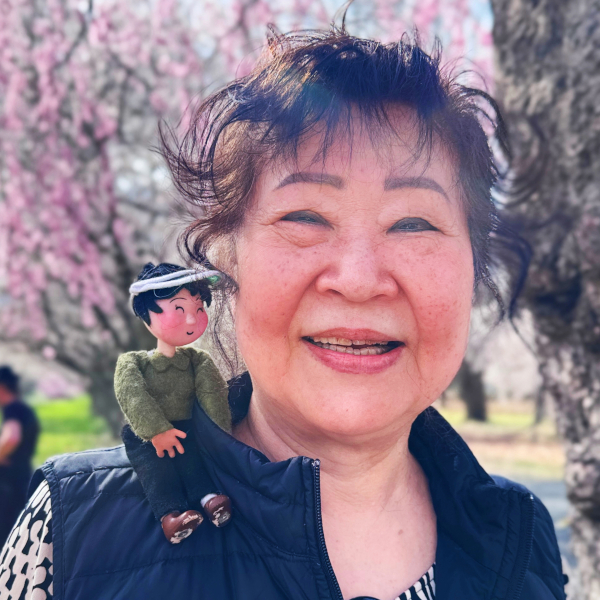
The inspiration was Hart’s real-life mother, a spirited Korean immigrant who runs a roadhouse in Schnecksville, Pennsylvania. The character is a tapestry of cultural history—from the family’s 1970s arrival in the Lehigh Valley to the enduring nickname given to Heacock by his mother-in-law: “Orange Socks.”
Chronology: From Pivot to Viral Phenomenon
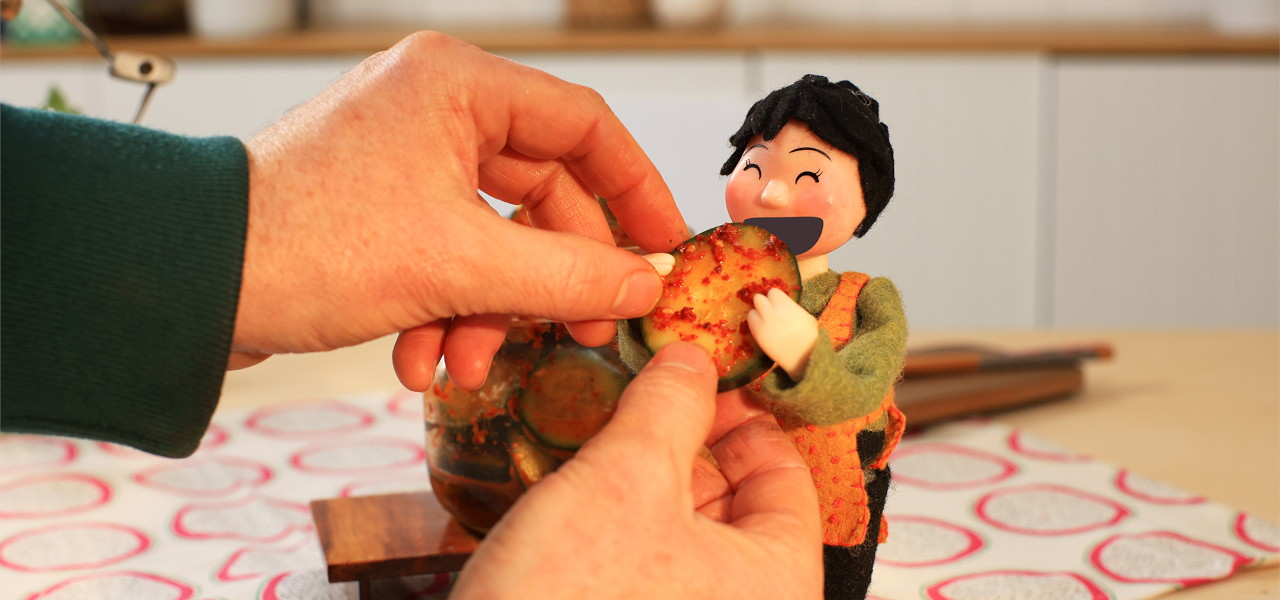
The development of Tiny Grandma was marked by a series of deliberate creative choices. The duo began by testing the waters on Instagram with short, recipe-based clips. The first breakthrough came with a cucumber kimchi video, which provided the first signal that the character had genuine legs.
As they began plotting a longer, 8-to-10-minute compilation for YouTube, the "inauthentic content" flag was raised. The timeline of the subsequent events reads like a case study in modern creator crisis management:
- Mid-May 2026: YouTube’s automated systems flag the Tiny Grandma channel for “AI-generated content,” demonetizing their library.
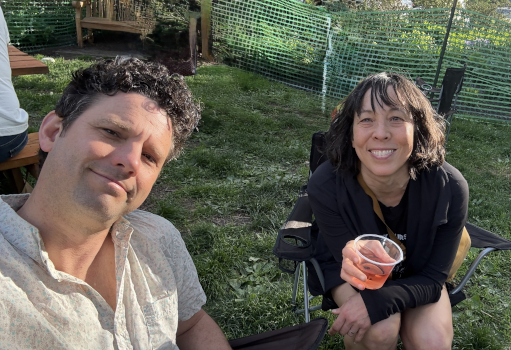
- The Immediate Response: Faced with the potential loss of their career trajectory, Heacock and Hart made an emergency decision to step in front of the camera, creating a video titled “Tiny Grandma is NOT AI SLOP!”
- The Viral Shift: The video acted as a rallying cry. Viewers, already weary of the glut of AI-generated imagery, flocked to the channel to defend the "human-made" ethos.
- The Resolution: Within 48 hours of the public outcry and the subsequent engagement surge, YouTube reached out, assigned a dedicated contact, and restored monetization without requiring the standard proof-of-process documentation.
- Post-Crisis Growth: Following the incident, engagement metrics skyrocketed, with recent videos crossing the two-million-view threshold on Instagram alone.
The Craft Behind the Character: Low-Tech by Design
The technical process behind Tiny Grandma is a fascinating hybrid of digital innovation and traditional craftsmanship. Hart, who brings a background in craft and landscape architecture, utilizes Rhino 3D software to model the puppet’s components, which are then produced via resin printing.
However, the "low-tech" ethos is the project’s guiding philosophy. The puppet’s clothing is hand-sewn from felt, and its mechanics have evolved from simple designs to ball-and-socket joints, some of which are machined by a local Philadelphia clockmaker.
This commitment to the handmade extends to the finished product. In a world where CGI is polished to perfection, Hart and Heacock purposefully leave "mistakes" in their frames. Whether it is a visible rig, a stick used to manipulate a hand, or the chaotic interruption of unexpected weather, these imperfections serve as a "proof of life." They are digital markers that tell the audience, "A human was here."
Industry Implications and the "Second Arts and Crafts Movement"
The success of Tiny Grandma is not merely an anomaly; it is a symptom of a larger cultural shift. Hart describes this as the "second rise of the arts and crafts movement"—a direct reaction against the industrialization of creative content. Much like the original 19th-century movement led by William Morris, today’s digital artisans are finding that audiences are starved for the evidence of human labor.
The implications for the animation industry are profound. As generative AI continues to flood the market with high-fidelity, soulless content, the value proposition of "human-made" art is inflating. Studios that can prove the tactile, physical nature of their work are finding themselves with a significant competitive advantage.
Furthermore, the duo’s experience highlights the growing tension between platforms and creators. While YouTube’s algorithm has become increasingly aggressive in its policing of "inauthentic" content, it often struggles to distinguish between the uncanny smoothness of AI and the deliberate, stylized craft of modern stop-motion.
Official Responses and Future Outlook
The couple remains cautious about the future. While they have been approached by various streamers and broadcasters, the current business models being offered—which often require creators to fully fund their own pilots only to have the studio take a cut of the rights—are non-starters.
"We have to be able to make money and eat," Hart stated, emphasizing their commitment to independence. The current strategy involves using the social shorts as a funnel to drive traffic to longer, narrative-driven YouTube pieces where ad revenue can provide a sustainable income.
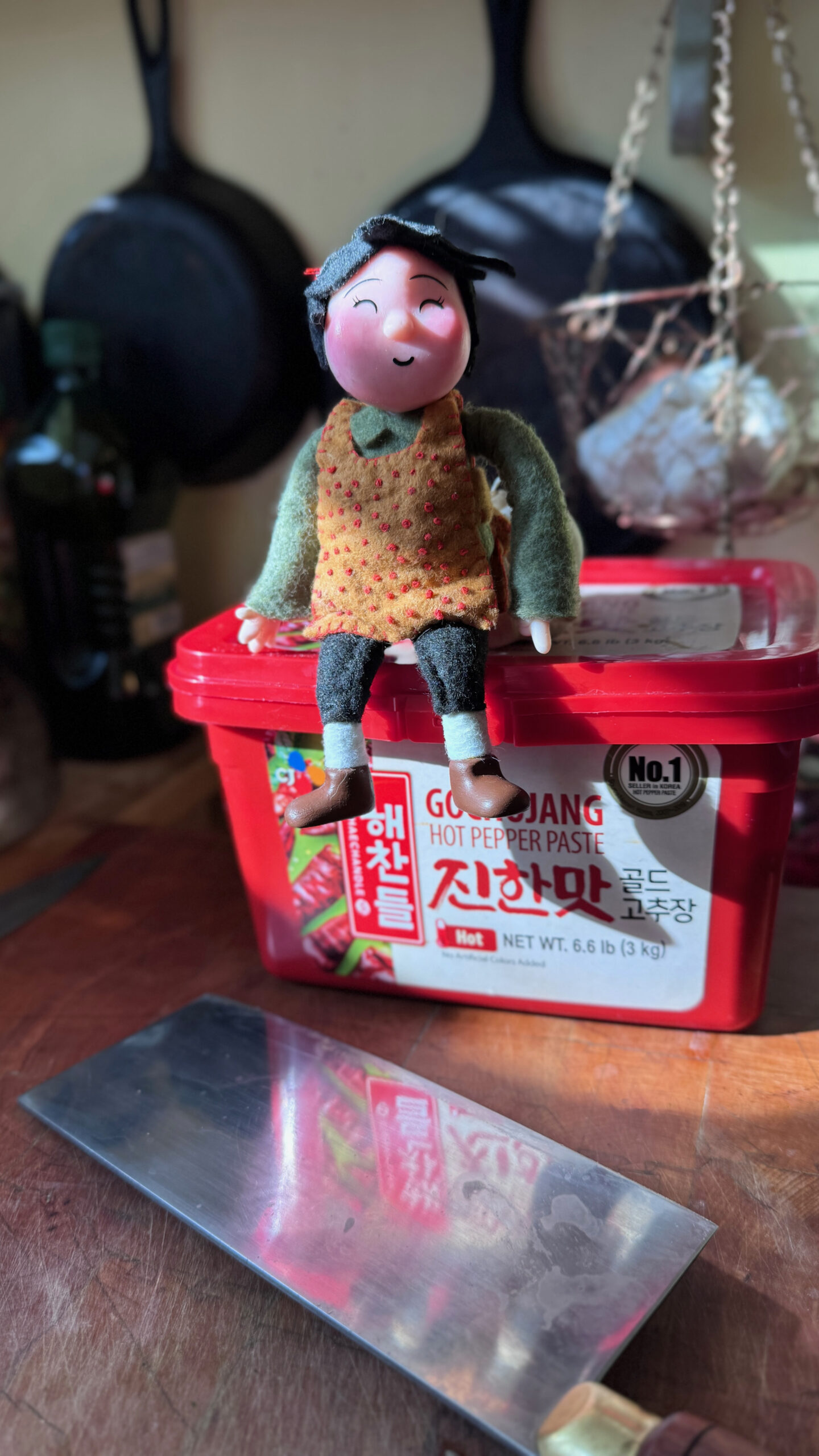
Looking ahead, Hart and Heacock intend to expand the Tiny Grandma universe, potentially introducing other characters and grandmas from diverse backgrounds. There is also talk of long-form narrative arcs and even literary projects.
Ultimately, the demonetization crisis was the catalyst they didn’t know they needed. It pushed them to embrace their role as public figures within their own work, transforming Tiny Grandma from a simple puppet into a cultural touchstone that bridges the gap between traditional family storytelling and the modern digital landscape.
As Heacock reflects on the experience, he can now laugh at the irony of it all: "Thank you to the AI bot that said we weren’t human and brought us out from behind the curtain." In trying to silence a perceived machine, the algorithm forced the audience to look closer, and in doing so, they found the very heartbeat of the project.










No comments yet. Be the first to join the conversation!