

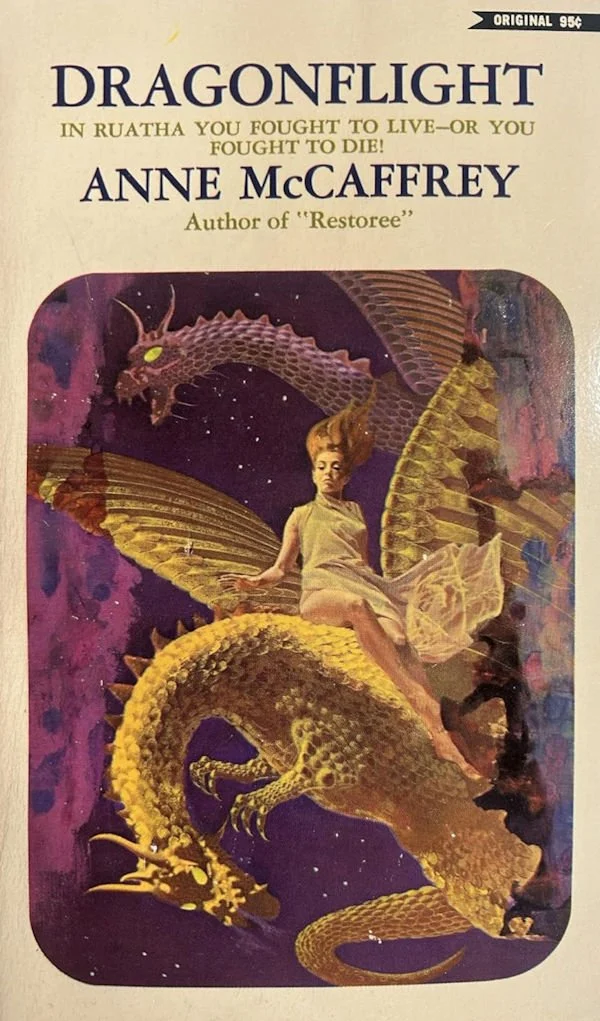
For decades, the novella has occupied a precarious "no-man’s land" in the publishing industry. Too expansive for the constraints of literary journals and too compact for the rigid expectations of traditional publishing houses, these mid-length stories were long considered the awkward middle child of fiction. However, a seismic shift is underway. Driven by the agility of the indie community and a growing reader appetite for concise, high-impact storytelling, the novella is experiencing a profound renaissance. At the center of this movement is SFINCS—the Speculative Fiction Indie Novella Championship—a grassroots phenomenon that has turned the spotlight on a format that is finally receiving its due.
The Birth of SFINCS: From Twitter Threads to Literary Competition
The inception of SFINCS (Speculative Fiction Indie Novella Championship) in 2023 serves as a testament to the power of community-led initiatives. Born from a series of casual yet impassioned discussions on X (formerly Twitter), the competition was established by authors and reviewers who recognized a glaring gap in the market. While the Self-Published Fantasy Blog-Off (SPFBO)—spearheaded by author Mark Lawrence—had successfully championed indie novels since 2015, shorter works remained largely invisible.
"It didn’t take long to go from a random online conversation to grassroots action," says an industry veteran and SFINCS judge. The organization was designed to mimic the rigor of its sister contest, SPFBO, providing a platform for authors who were producing high-quality work that didn’t fit into the "standard" novel mold. Over the last three years, the competition has evaluated over 300 novellas, proving that the output of indie creators is both prolific and creatively ambitious.
A Brief Chronology of the Novella’s Identity Crisis
To understand why SFINCS is so transformative, one must look at the historical stigma surrounding the novella. For much of the late 20th century, the publishing industry operated under a "bigger is better" ethos.

- The Mid-20th Century (1968–2000s): The Hugo Award for Best Novella was established in 1968, acknowledging the form’s artistic merit. Yet, for aspiring authors in the early 2000s, the prevailing advice from literary agents was binary: write short stories to build a portfolio, then pivot to full-length novels. Novellas were viewed as a niche product, reserved only for established, "bankable" writers.
- The Digital Turning Point (2008–2015): The rise of e-publishing dismantled the traditional page-count barrier. Tor.com began publishing shorter fiction online in 2008, eventually launching its dedicated imprint in 2015. This marked a shift in reader behavior, as audiences began to appreciate the bite-sized, high-concept storytelling that characterizes the novella.
- The Indie Revolution (2020–Present): With the normalization of digital reading, independent authors realized that the novella was not just a side project—it was a strategic asset. By 2023, the formation of SFINCS formalized the ecosystem, elevating the novella to a standalone category of excellence rather than a placeholder for larger works.
Defining the "In-Between": The Mechanics of Word Count
The debate over what constitutes a novella is often as heated as it is academic. Writers frequently obsess over word counts, as page numbers are easily manipulated by font size, margins, and paper weight. According to standard industry metrics, the novella typically occupies the space between 17,500 and 40,000 words.
However, genre plays a significant role in perception. In epic fantasy, a 40,000-word book might be perceived by some as a "short novel" and by others as a "long novella." As the author of this article notes, "Most readers don’t care if a story has 17,005 words and is technically a novelette. They care about the experience."
The flexibility of the indie market has allowed authors to ignore these rigid definitions. In the SFINCS entries, the average length has fluctuated between 90 and 200 pages on digital devices—a "sweet spot" that satisfies the reader’s desire for immersion without requiring a month-long commitment.
The Traditional vs. Indie Dichotomy
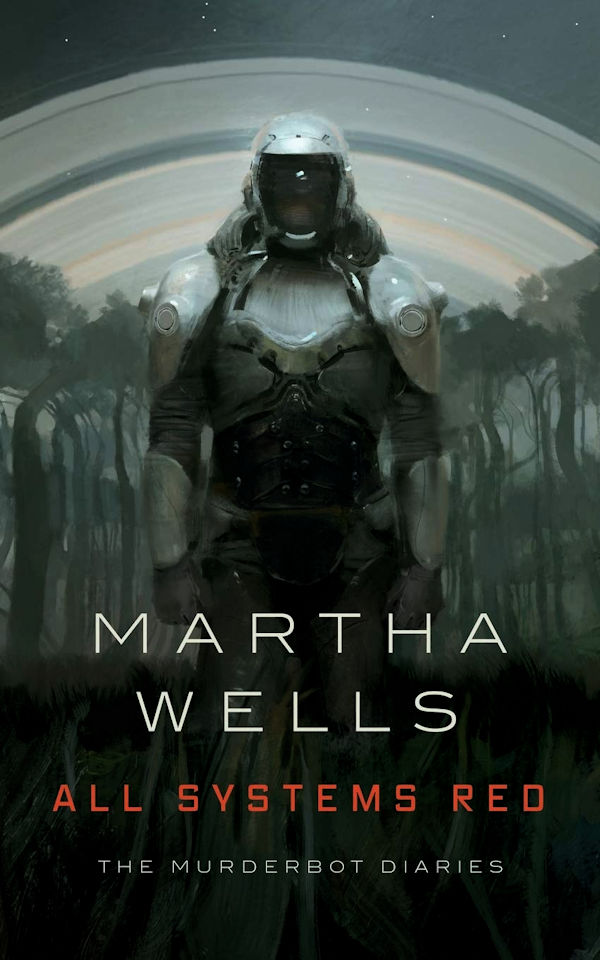
While major imprints like Tor.com have paved the way for modern novellas through series like The Murderbot Diaries (Martha Wells), Wayward Children (Seanan McGuire), and the Singing Hills Cycle (Nghi Vo), the indie sector is operating with a different set of incentives.
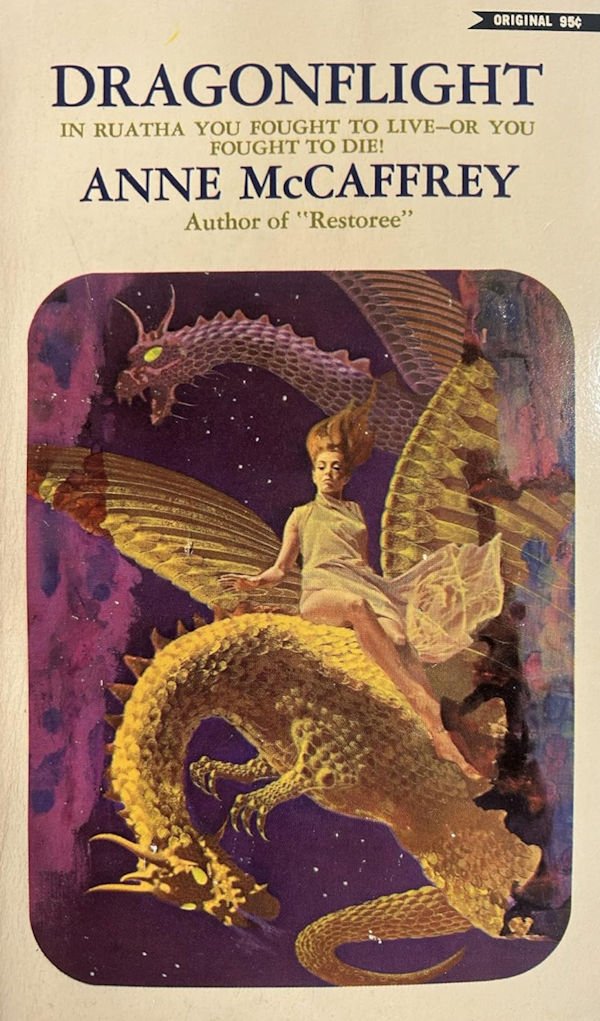
Traditional publishing often struggles with the novella because of the logistical costs of printing, shipping, and stocking physical books. A 100-page book occupies the same shelf space as a 500-page book but carries a lower price point, making it a difficult sell for brick-and-mortar retail.
Indie authors, by contrast, have bypassed these limitations by:
- Direct-to-Subscriber Distribution: Using newsletters and direct-to-reader platforms to deliver novellas as bonus content.
- Narrative Flexibility: Using the format for "side quests" or character-deep-dives that enrich a main series without forcing readers to buy a secondary, 400-page novel.
- Genre Experimentation: Because they do not need to satisfy a corporate committee, indie authors are free to explore "weird" or "niche" concepts that traditional publishers might deem too risky.
Implications: The Future of the "Short" Read
The rise of the novella is intrinsically linked to the changing nature of human attention spans. In an era of infinite digital distractions, the ability to consume a high-quality, complete narrative arc in a single sitting has become a significant value proposition.
The success of SFINCS in crowning winners like Jessica A. McMinn’s noir gaslamp fantasy, Parasitic Omens, signals that readers are hungry for distinct, punchy stories. The implications for the industry are clear:
- For Readers: The barrier to entry for new authors is lowered. One can trial an author’s voice in two hours rather than twenty.
- For Authors: The novella is an excellent tool for maintaining reader engagement between major releases. It allows for creative experimentation without the burnout associated with massive, multi-year novel projects.
- For the Market: The "in-between" length is no longer a liability. It is a bridge between the immediacy of short stories and the epic scope of novels.
Conclusion: Why You Should Embrace the Novella
If you are looking to revitalize your reading habits, the novella offers a unique intersection of depth and accessibility. These works are designed for the modern reader—one who values a well-crafted, focused narrative that delivers an emotional punch without the "fluff" sometimes found in over-extended series.
By supporting competitions like SFINCS, readers are not just finding their next favorite book; they are participating in a democratization of literature. Whether you are a fan of dark, atmospheric gaslamp fantasy or sweeping sci-fi, the indie novella space is currently the most exciting frontier in speculative fiction.
As the SFINCS community continues to grow, it serves as a reminder that the best stories are not always the longest ones. Sometimes, the most powerful worlds are those that fit comfortably in your hand, waiting to be devoured in a single, satisfying afternoon.









No comments yet. Be the first to join the conversation!