

Price: £7.49 | Developer: Rebel Act Studio/SNEG | Publisher: SNEG | Platform: PC
In the vast, sprawling annals of video game history, few titles have suffered as unjustly as Severance: Blade of Darkness. Released in 2001, this ambitious hack-‘n’-slash RPG was a technical marvel ahead of its time, boasting a dynamic lighting engine that set a gold standard for immersion. Yet, despite its brilliance, it vanished into the ether of commercial obscurity, relegated to the dusty corners of abandonware sites for two decades. Today, thanks to publisher SNEG, the game has been exhumed and polished for modern audiences on Steam. It is time to revisit this brutal masterpiece.
Main Facts: The Return of a Cult Classic
The re-release of Blade of Darkness—now simply titled Blade of Darkness—is more than just a nostalgic port. It is a preservation effort that brings one of the most punishing and satisfying combat systems of the early 2000s to modern hardware. At a price point of £7.49, the barrier to entry is minimal, yet the depth of content is staggering.
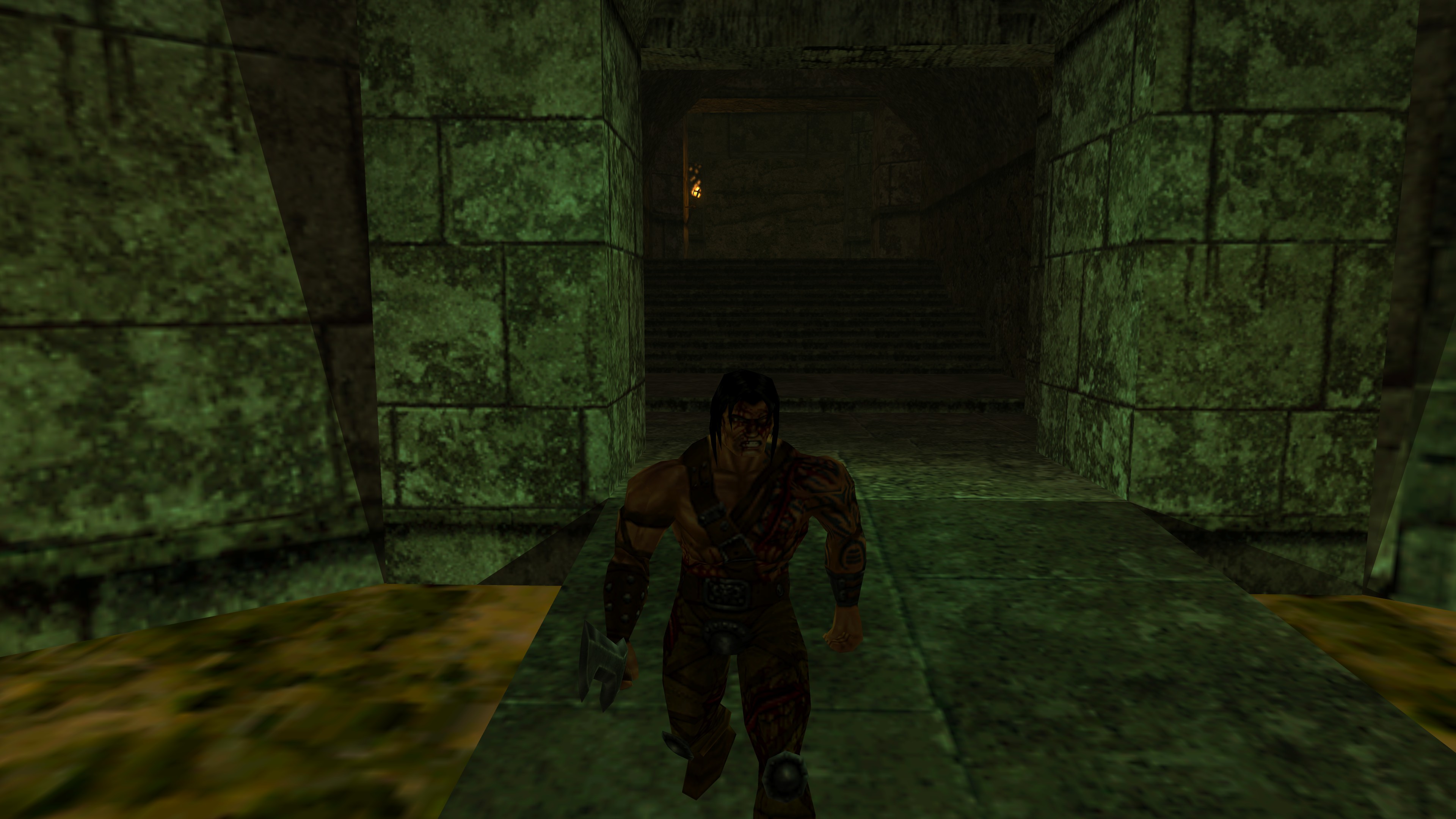
Players choose between four distinct archetypes: Sargon the Knight, Naglfar the Dwarf, Zoe the Amazon, and the iconic barbarian, Turkaram. Each character offers a unique path, starting in different locations and utilizing different combat proficiencies. From the shielded defensive play of Sargon to the agile, spear-reliant strikes of Zoe, the game demands mastery of both timing and environment. It is a game that does not hold your hand; it hands you a sword and expects you to survive, or die trying.
Chronology: From 2001 to the Modern Day
The Original Vision (2001)
Developed by the Spanish studio Rebel Act, Blade of Darkness was released during a transitional era for 3D gaming. At the time, most action games were arcade-like button mashers. Blade of Darkness dared to be different. It introduced physics-based combat where the weight of a weapon mattered, and where enemies were not mere fodder, but tactical threats. Its dynamic lighting engine, which allowed shadows to dance across stone walls as the player moved a torch, created an atmosphere that rivaled the best horror titles of the era.
The Long Silence
Despite critical appreciation for its combat and visuals, the game suffered from a lack of marketing and a niche appeal that didn’t align with the broader market trends of 2001. Rebel Act eventually shuttered, and the game fell into a legal limbo. For twenty years, it lived on only in the memories of those who played it, and on digital scrapheaps where fans desperately kept the executable running on modern Windows versions.
The SNEG Intervention (2021)
The revival began when publisher SNEG acquired the rights, recognizing that the game’s "Soulslike" DNA was more relevant than ever. They didn’t just dump the original files onto Steam; they implemented necessary quality-of-life updates, including widescreen support, high-definition resolution rendering, and bug fixes that ensure the game runs smoothly on modern operating systems without the need for complex fan-made patches.
Supporting Data: Why the Gameplay Still Holds Up
The "Conan" Influence and Environmental Storytelling
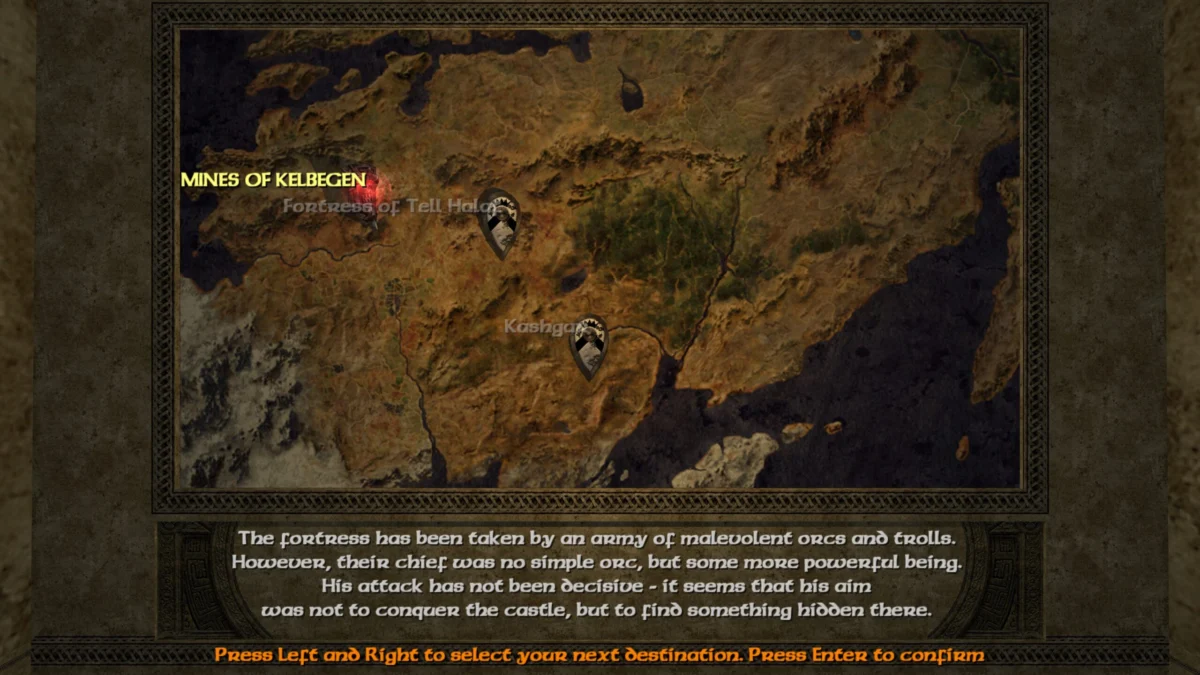
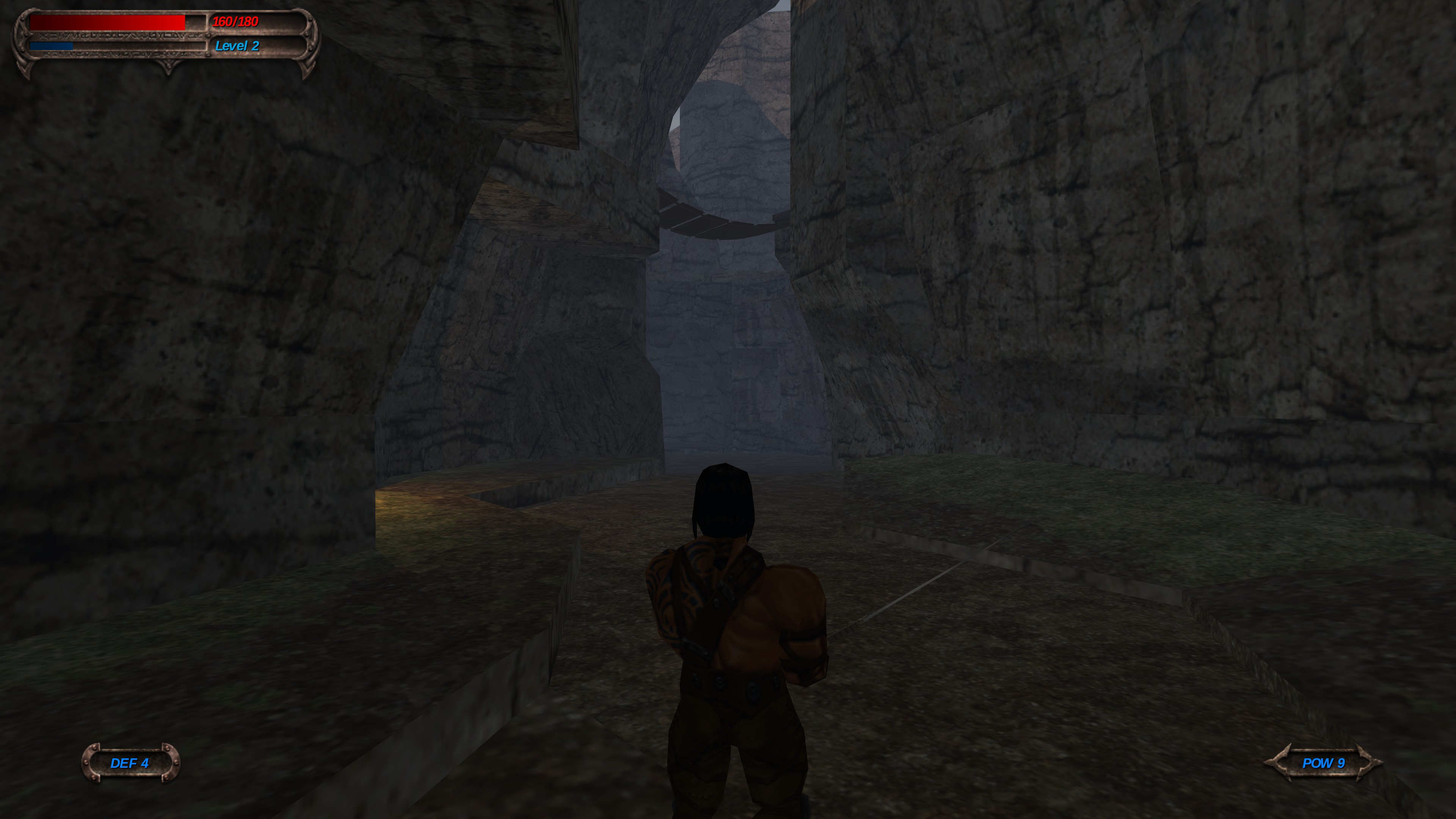
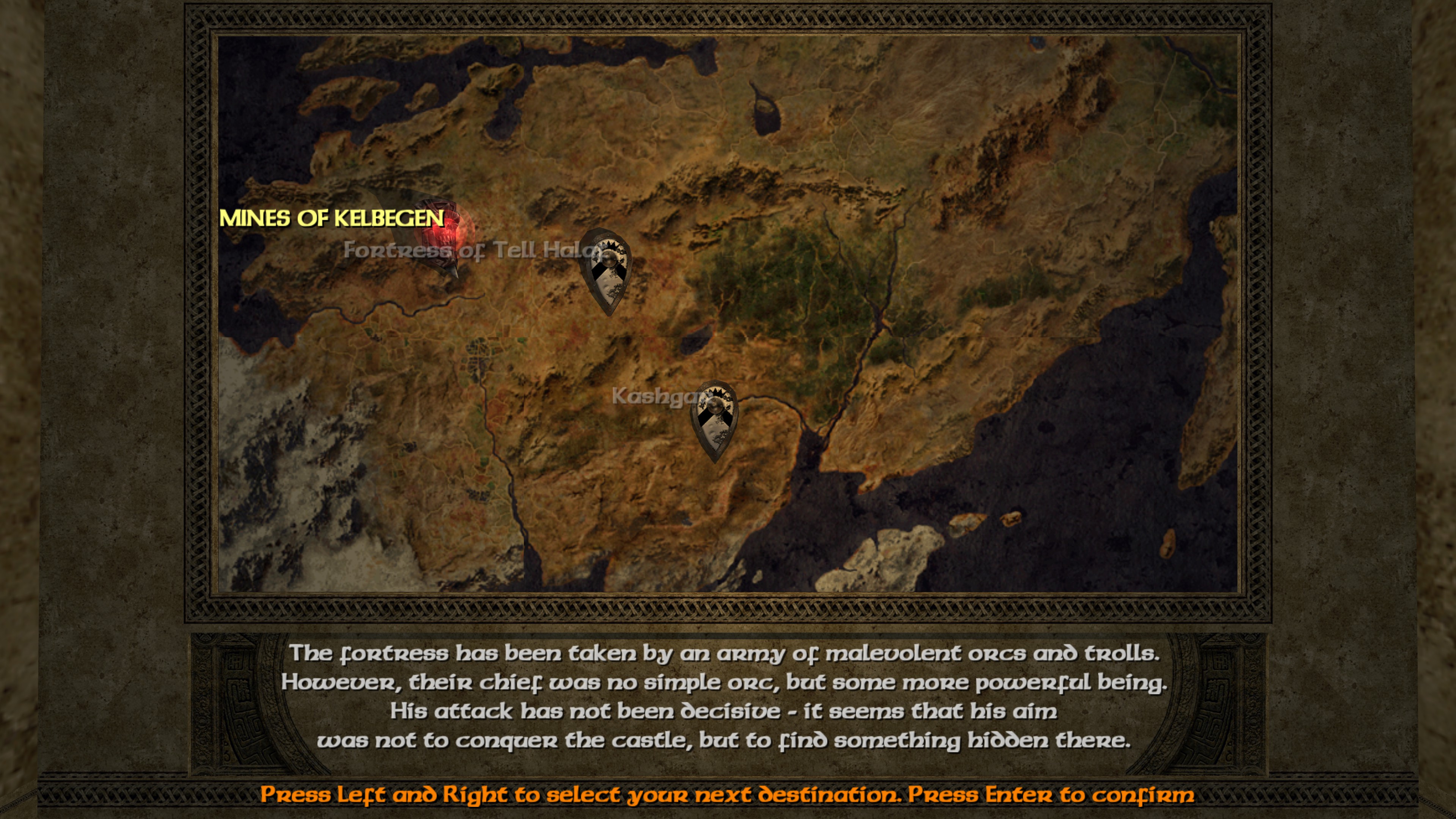
The world of Blade of Darkness is a love letter to the works of Robert E. Howard. It is a brutal, bleak landscape of decaying fortresses, sun-drenched temples, and claustrophobic mines. The game employs a minimalist approach to narrative; players are given a few lines of context for each level, and the rest is left to the architecture and the carnage. You aren’t told the history of a dungeon; you infer it from the skeletal remains and the shattered altars found within.
Combat Mechanics: The Soul of the Blade
The combat remains the game’s crowning achievement. It is a precursor to the modern "hardcore" action genre. The mechanics involve:
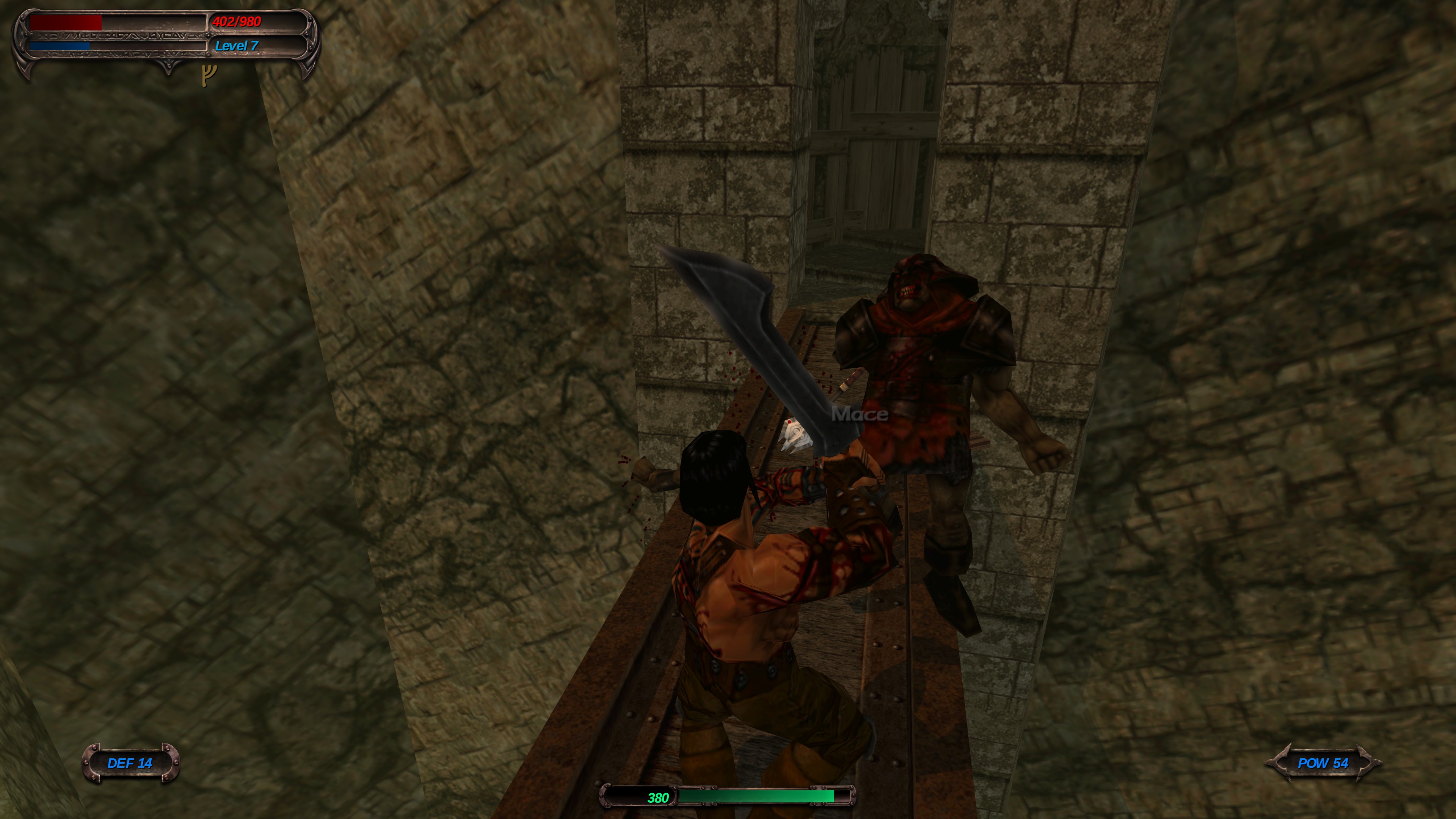
- Weapon Proficiency: Each character has unique movesets and special attacks that unlock as they gain experience.
- Destructibility: Shields and weapons are fragile. Players must manage their gear, or find themselves defenseless in the heat of battle.
- Tactical Movement: Dodging and footwork are paramount. Simply swinging a blade mindlessly will result in a quick death against even the lowliest goblin archer.
While the movement can feel stiff compared to the fluid parkour of modern titles, the animations have a weight and a visceral impact that few games have managed to replicate since. The satisfaction of dismembering an opponent—watching a head roll or a limb fly off in a spray of blood—remains as gruesome and rewarding today as it was in 2001.
Official Responses and Developer Legacy
The industry reception for the SNEG release has been overwhelmingly positive, primarily because it honors the original vision rather than "remastering" it into something unrecognizable. SNEG’s decision to keep the core code largely intact acknowledges that the game’s imperfections—the slightly clunky platforming, for instance—are part of its distinct identity.
Former developers and industry analysts have noted that Blade of Darkness essentially invented the "weighty melee" archetype that From Software would later refine with the Souls series. While there is no direct lineage, the thematic and mechanical overlap is undeniable. Playing Blade today feels like unearthing a long-lost manuscript that predicted the future of the action-RPG genre.
Implications: Why You Must Play It Now
Bridging the Generation Gap
There is a profound lesson in the success of this re-release: great design is timeless. Modern gamers, accustomed to the hand-holding of AAA titles, may find the initial experience with Blade of Darkness jarring. The jumping puzzles are notoriously unforgiving, and the lack of a modern tutorial can be daunting. However, these "friction points" are what make the eventual victory so sweet.
The Future of "Abandonware"
The successful re-release of Blade of Darkness serves as a blueprint for the industry. It proves that there is a hungry market for "forgotten" classics if they are handled with respect and given the necessary technical polish. It raises the question: which other buried gems deserve a second chance in the sun?
Final Verdict: A Lemon’s Guide to Greatness
If you fancy yourself a fan of fantasy, action, or the darker side of RPG gaming, you owe it to yourself to purchase this title. It is a 1,200-word recommendation condensed into a single sentiment: do not let this game slip through your fingers again. Whether you are a fan of Dark Souls looking for the roots of your obsession, or simply a fan of high-stakes, skill-based combat, Blade of Darkness offers an experience that is as oppressive as it is exhilarating.
The game is not perfect. The platforming sections on narrow ledges are still the stuff of nightmares, and some of the more complex move combinations are impractical in the heat of battle. But these are small blemishes on a magnificent, twenty-year-old face. For the price of a sandwich, you are buying a piece of gaming history—a dark, gritty, and utterly compelling world that, thanks to SNEG, has finally escaped the shadows of the past.
Play Blade of Darkness. Don’t be a lemon.










No comments yet. Be the first to join the conversation!