By Craig Robinson, Senior Editor
Last Updated: July 9, 2026
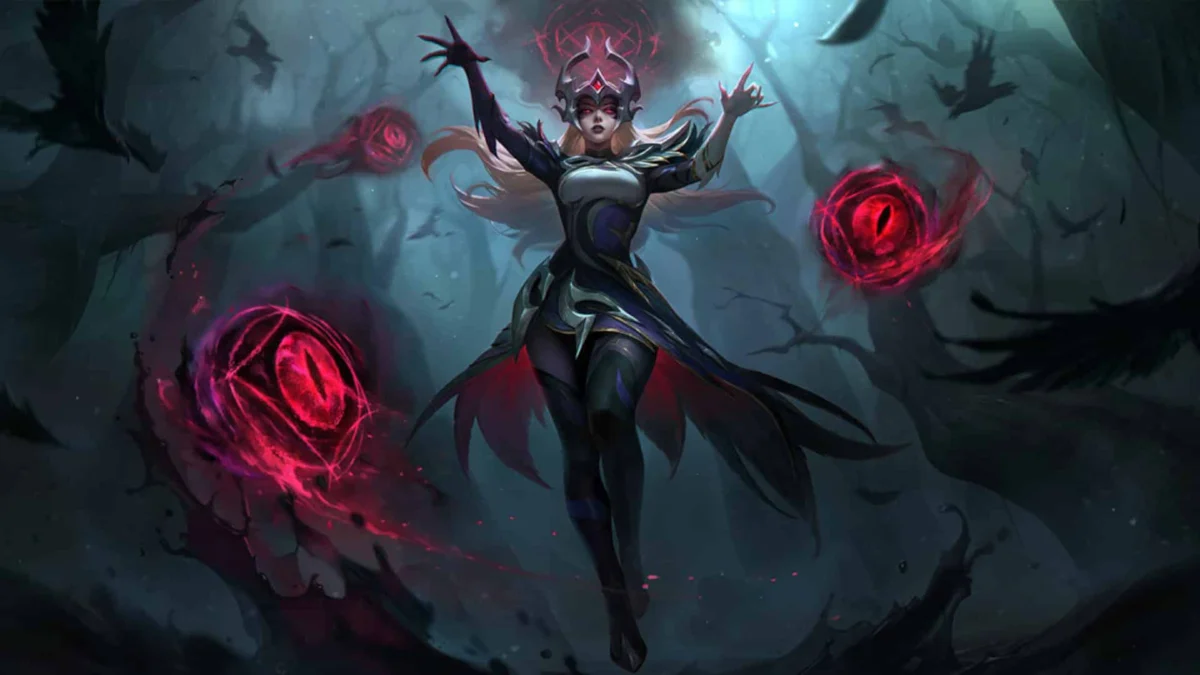
The League of Legends landscape is currently embroiled in one of the most contentious meta-disputes in the game’s decade-and-a-half history. At the heart of this storm is the "Bot Lane Mage" phenomenon—a tactical shift that has seen traditional marksmen increasingly supplanted by high-burst AP champions. This transition has not only altered the flow of the Summoner’s Rift but has polarized the community, sparking a high-profile disagreement between two of the United Kingdom’s most influential esports voices: Marc "Caedrel" Lamont and Andrew "Vedius" Day.
The Great Divide: Voices from the Broadcast Booth
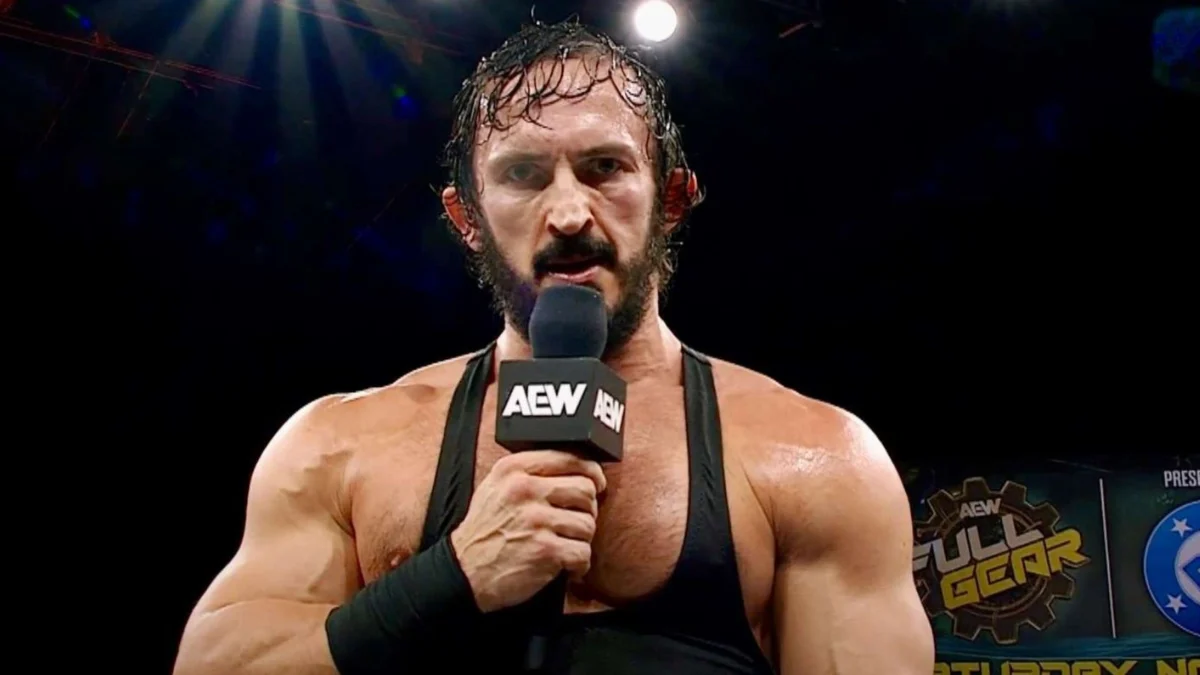
The conflict of ideologies between Caedrel and Vedius encapsulates the broader community struggle. Caedrel, a titan of the analyst desk and content creation, has been vocal about his dissatisfaction with the current trajectory. He has explicitly stated his desire to see the "mage bot lane epidemic" curbed before the global stage of the World Championship arrives later this year. To Caedrel, the identity of the bot lane is tethered to the marksman archetype; moving away from this, he argues, strips the game of its traditional rhythmic and mechanical complexity.
In direct contrast, Vedius—speaking on the Mind The Gap podcast alongside Jatt—advocates for a more Darwinian approach to game design. Vedius posits that the bot lane role, like every other position in League of Legends, must evolve alongside the game’s ever-shifting itemization and power budgets. He argues that meta diversity is inherently healthy and that the refusal to adapt is a symptom of stagnation rather than a flaw in the game’s balance. For Vedius, the emergence of mages in the bot lane is not a problem to be solved, but a strategic frontier to be explored.
Chronology of a Shifting Meta
The rise of the bot lane mage did not happen overnight; it is the culmination of a slow, systemic erosion of the marksman’s monopoly. While the trend gained significant traction during the lead-up to the Mid-Season Invitational (MSI), its roots go back to the early 2026 balance patches.
Throughout the spring, players began noticing that traditional ADC picks were struggling against the sheer utility and early-game pressure provided by mages. As the MSI patch solidified, the shift moved from a fringe strategy to a recurring motif. We began to see professional drafts where mages were not just counter-picks, but primary, blind-pickable carries. Even the introduction of "Fearless Draft"—a format designed to encourage champion pool depth—has failed to push mages out of the meta; instead, it has highlighted how deep the roster of viable AP bot laners actually is.
The situation reached a flashpoint with the release of the Patch 26.14 preview. Anticipation was high, with many expecting further adjustments to the bot lane landscape. In a move that signaled the severity of the developer’s balancing act, Riot Games pulled planned changes to Brand. Had those buffs gone through, the "Fire Brand" would likely have dominated the bot lane entirely, further cementing the "mage-centric" meta that has caused such outcry.
Supporting Data: Reality vs. Perception
The perception of an "epidemic" is fueled by real-world statistics, yet the nuance of professional play suggests a different story. According to data provided by Riot Games’ lead developer, Matt "Phroxzon" Leung-Harrison, the professional meta remains overwhelmingly skewed toward traditional marksmen, maintaining a 4:1 ratio in favor of ADCs at the highest level of competition.
However, the solo queue experience—the environment where the average player spends 99% of their time—tells a vastly different story. Data aggregators like U.GG indicate that mage bot laners, including the likes of Syndra, Seraphine, and Ziggs, consistently boast higher win rates in Emerald+ ranked tiers than their traditional marksman counterparts.
This disconnect is the primary source of frustration for the player base. While professional play retains the traditional ADC archetype, the rank-and-file player is frequently finding themselves pitted against oppressive mages that dictate the pace of the lane with high-impact, long-range skill shots and superior wave control.
Why Mages are Thriving: A Tactical Breakdown
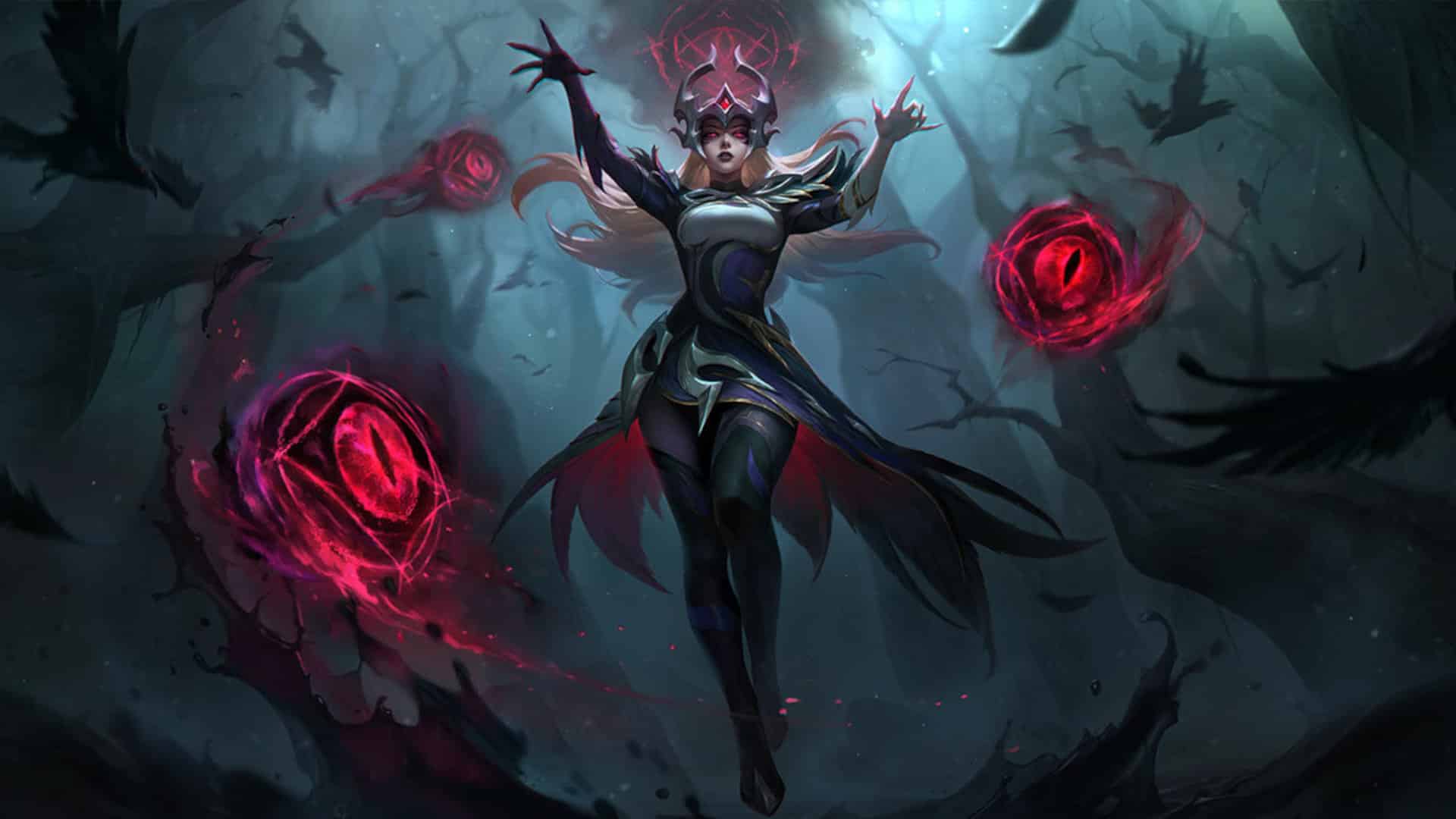
The dominance of mages in the current meta is not a singular accident; it is the result of three converging factors: itemization, jungle pressure, and the support meta.
1. The Damage Profile Shift
The current top lane meta has become a haven for marksmen like Vayne and Varus, who excel at shredding tanks, alongside aggressive skirmishers like Yone and Yasuo. With junglers like Naafiri and Graves adding significant physical damage to team compositions, teams are finding themselves "AD heavy." Picking a mage in the bot lane becomes a logical solution to balance the team’s damage profile, ensuring that the enemy team cannot simply stack armor to become unkillable.
2. The Influence of Support Archetypes
The shift back toward tanky, engage-heavy supports has been the ultimate catalyst for the mage bot lane. Mages rely on landing skill shots; when a Leona or Nautilus locks a target down, the reliability of that skill shot skyrockets. Furthermore, these supports provide the peel and crowd control that allow vulnerable mages to survive the early game, mitigating the risks that previously made them "glass cannons."
3. Economic and Scaling Advantages
Mages are inherently gold-efficient. By occupying a duo lane, they are shielded from the high-stress, high-mobility environment of the mid lane. They can farm safely, clear waves with unparalleled speed, and reach their power spikes earlier than they would in a solo lane. With recent changes allowing boots to occupy their own inventory slot, the utility and movement speed benefits for mages have never been higher.
Official Responses and Developer Strategy
Riot Games finds itself in the uncomfortable position of balancing the "purist" desire for traditional ADCs with the "evolutionary" desire for meta diversity. Phroxzon’s transparency on social media regarding the removal of Brand buffs from Patch 26.14 was a clear acknowledgment that the developers are aware of the community’s volatility.
"We’ve pulled Brand from the patch given the concerns around mages bot," Phroxzon noted. "That said, we know this is a contentious topic, and I’ll give some high-level thoughts on how we see the situation." This balancing act is indicative of a developer team that is attempting to steer the meta without forcing it. They are wary of "over-correcting," as doing so could render entire classes of champions unplayable, which is a cardinal sin in modern MOBA design.
Implications for the Future of League of Legends
The implications of this debate are profound. If the trend continues, we may be witnessing the permanent dissolution of the "Marksman" role as an absolute requirement for the bot lane. This mirrors the evolution of the jungle and top lane, which were once rigid but have since opened up to a vast array of champions.
However, for the marksman mains who have dedicated years to mastering the micro-mechanics of spacing and kiting, the mage dominance feels like a betrayal of the role’s identity. Can a player who thrives on mechanical intensity compete with a champion that can exert pressure from two screens away?
The history of the game reminds us that this is not new. We saw glimpses of this in 2018, when players like Petter "Hjarnan" Freyschuss pioneered the use of Heimerdinger in the bot lane, a pick that was initially ridiculed but eventually proved its validity. The current meta is simply a more aggressive, widespread iteration of these earlier experiments.
As we look toward the World Championship, the question remains: will the meta "correct" itself as teams discover new ways to counter mage-centric compositions, or is this the new reality of Summoner’s Rift? Whether you side with the tactical flexibility advocated by Vedius or the traditionalist concerns of Caedrel, one thing is certain: the bot lane is no longer a safe haven for the standard marksman. It is a war zone where adaptation is the only currency that matters.
The community will continue to watch, debate, and wait to see if the rift between the developers and the player base widens, or if a new equilibrium can be found. For now, the mages remain at the gates, and the bot lane will never be the same.