

YouTube has long occupied a unique space in the digital ecosystem. For billions, it serves as a global classroom, a primary entertainment destination, and the world’s second-largest search engine. However, the platform is undergoing a fundamental evolution: it is rapidly becoming the world’s most potent retail storefront. With the maturation of YouTube Shopping, the platform is shifting from a passive discovery engine to a high-conversion transactional powerhouse.
According to recent data from Google, YouTube is 1.6 times more likely to influence purchasing decisions than any other social media platform. By integrating seamless checkout experiences directly into the video player, YouTube is effectively bridging the gap between "I like this" and "I bought this." With over 500,000 creators and brands currently enrolled in the program, the infrastructure for social commerce has never been more robust.
The Mechanics of YouTube Shopping: A New Retail Paradigm
YouTube Shopping is an e-commerce affiliate and direct-sales program that enables eligible brands and creators to showcase and sell products directly within their video content. By eliminating the need for viewers to exit the player to visit a third-party website, YouTube minimizes "friction"—the primary killer of online conversion rates.
Key features include:
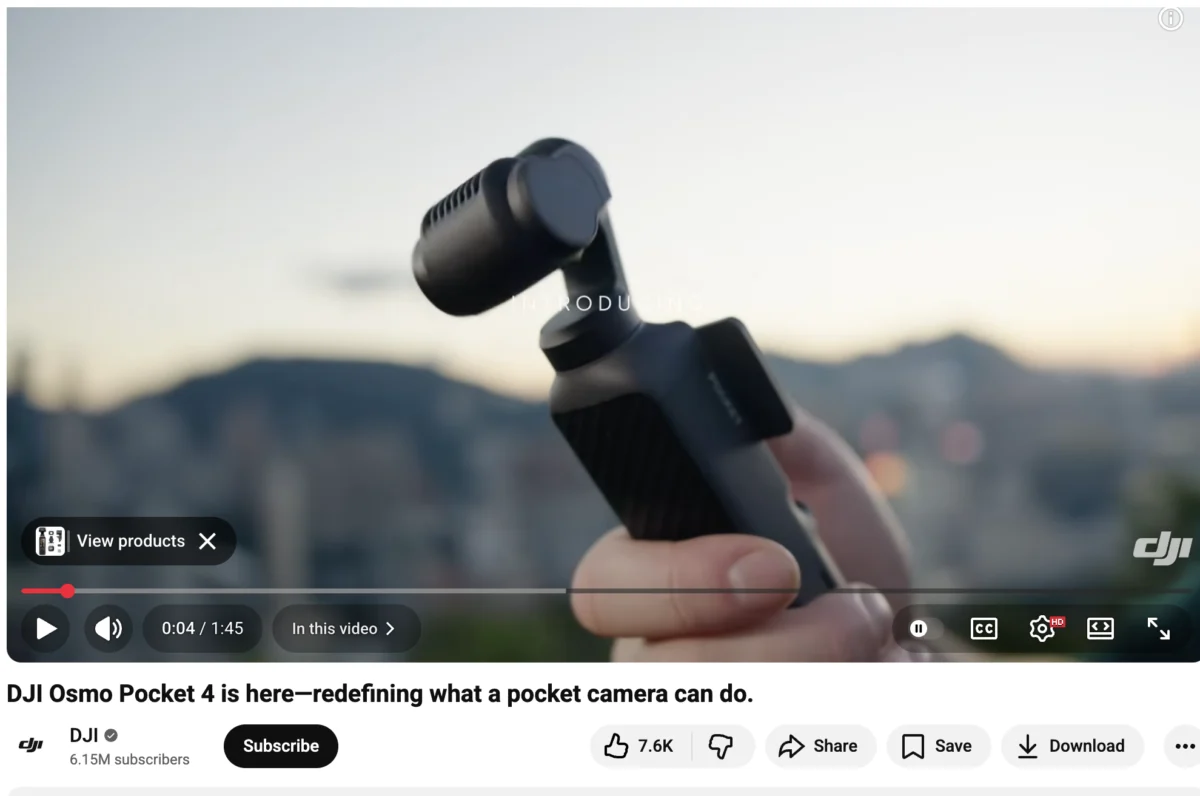
- Product Tagging: Creators can link specific items directly to their video timeline.
- Channel Storefronts: A dedicated tab on a creator’s channel profile acts as a permanent, browsable catalog.
- Seamless Integrations: Platforms like Shopify allow for real-time inventory syncing, ensuring that if a product sells out on the website, it is automatically marked as unavailable on YouTube.
The potential audience is staggering. According to Sprout Social’s 2026 Content Strategy Report, 63% of all social media users now maintain an active YouTube account. This creates a massive, addressable market that spans every demographic, from tech enthusiasts to lifestyle shoppers.
Eligibility and the Path to Monetization
YouTube maintains a rigorous gatekeeping process for its Shopping features. Unlike some social platforms that prioritize volume, YouTube ties shopping access to its YouTube Partner Program (YPP). This requirement ensures that only creators and brands who have demonstrated a history of community trust and adherence to community guidelines can offer products to their viewers.
To qualify, channels must meet specific benchmarks, including:
- Monetization Status: Active membership in the YouTube Partner Program.
- Compliance: A clean record regarding copyright strikes and community guidelines.
- Audience Integrity: A history of building authentic, engaged communities rather than spam-heavy content.
The platform’s high eligibility bar is a strategic choice. By limiting access, YouTube protects its users from the influx of low-quality or deceptive advertisements that have plagued other social commerce environments. It rewards channels that treat their audience as a community rather than a mere customer base.
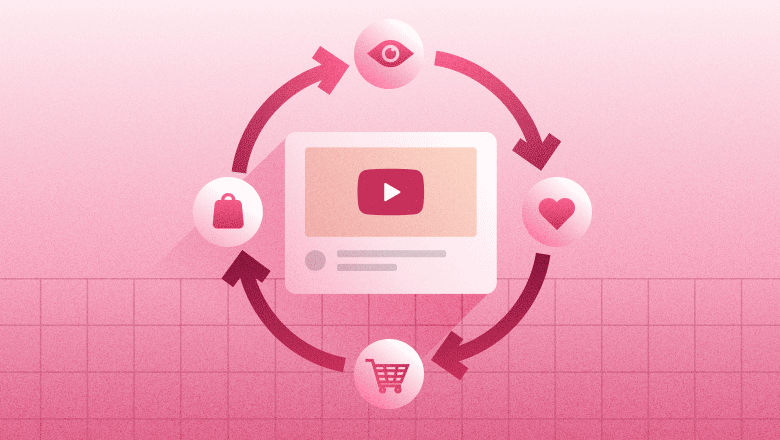
The "Hybrid Funnel": A Strategic Chronology of Growth
For businesses looking to thrive in this environment, the strategy must evolve beyond simple product placement. The most successful brands are adopting a "hybrid funnel" approach, which balances the discovery power of Shorts with the deep-dive trust-building of long-form content.
Phase 1: The Discovery (Shorts)
Shorts act as the top of the funnel. Because more than half of YouTube users now prioritize content under 60 seconds, these clips serve as the entry point for new customers. Brands use Shorts to highlight a "problem-solution" scenario or a viral-style demonstration, providing a quick link to the product.
Phase 2: The Education (Long-Form)
Once a viewer has discovered a product via a Short, they are steered toward long-form videos. This is where the "Human Premium" comes into play. Consumers are increasingly skeptical of high-production, overly polished commercials. Instead, they crave authentic, "kitchen-counter" style reviews where a real person demonstrates the product in a relatable environment.
Phase 3: The Conversion (Live Shopping)
The final stage is the "Live Drop." By hosting a live stream, brands create a sense of urgency. When a creator announces a limited-time offer or an exclusive bundle during a live broadcast, they trigger the fear of missing out (FOMO), driving immediate, high-intent purchases.

Supporting Data and Market Implications
The transition to video-first commerce is not merely a trend; it is a structural shift in how consumers interact with search engines. Research indicates that YouTube videos are increasingly surfacing in AI-driven search results and Google’s "AI Overviews."
For brands, this means that a well-optimized video serves as a perpetual, passive landing page. By utilizing metadata, timestamps, and keyword-rich descriptions, brands can achieve "zero-click" discovery, where the video provides the answer to a search query while simultaneously offering a path to purchase.
Why the "Human Premium" matters:
- Trust: Viewers trust creators they have followed for months or years more than they trust corporate ad copy.
- Retention: Videos that feel like genuine advice have a higher average watch time, which signals to the algorithm that the content is high quality, leading to more organic reach.
- Conversion: The combination of a familiar voice and an integrated "Buy Now" button creates a psychological path of least resistance.
Optimizing for Success: The Professional Playbook
To maximize sales on YouTube, brands must treat their channel like a digital storefront rather than a broadcast station. Here are the pillars of a modern YouTube Shopping strategy:
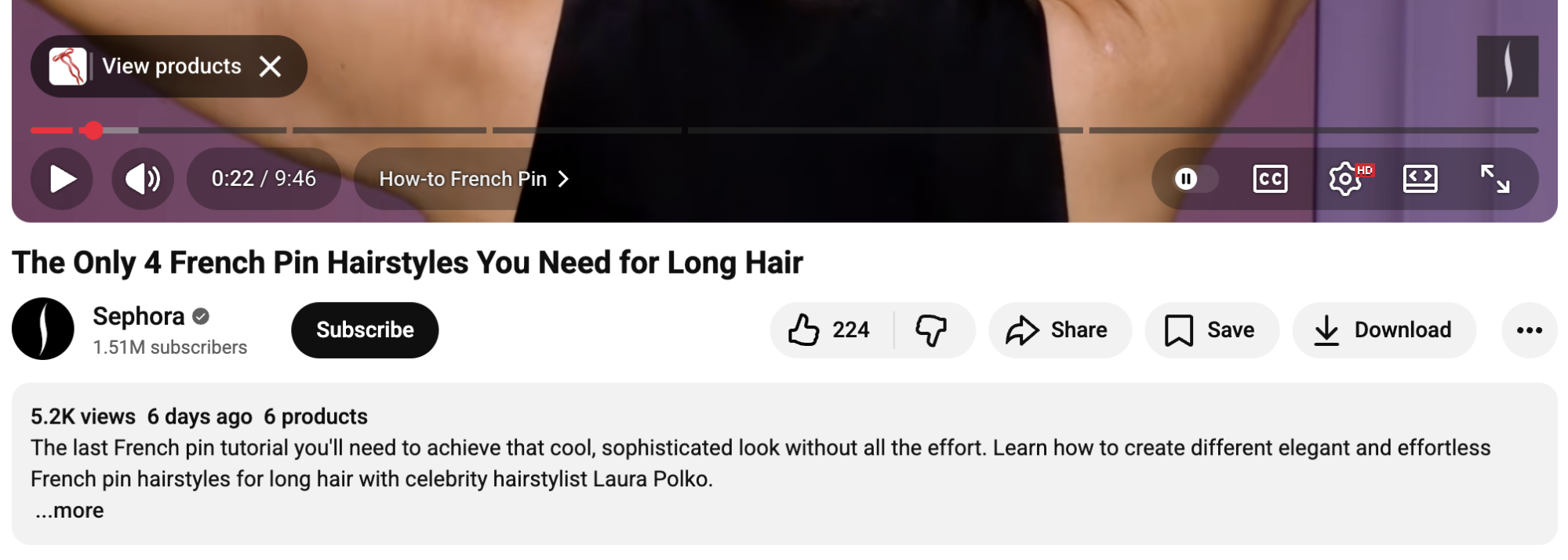
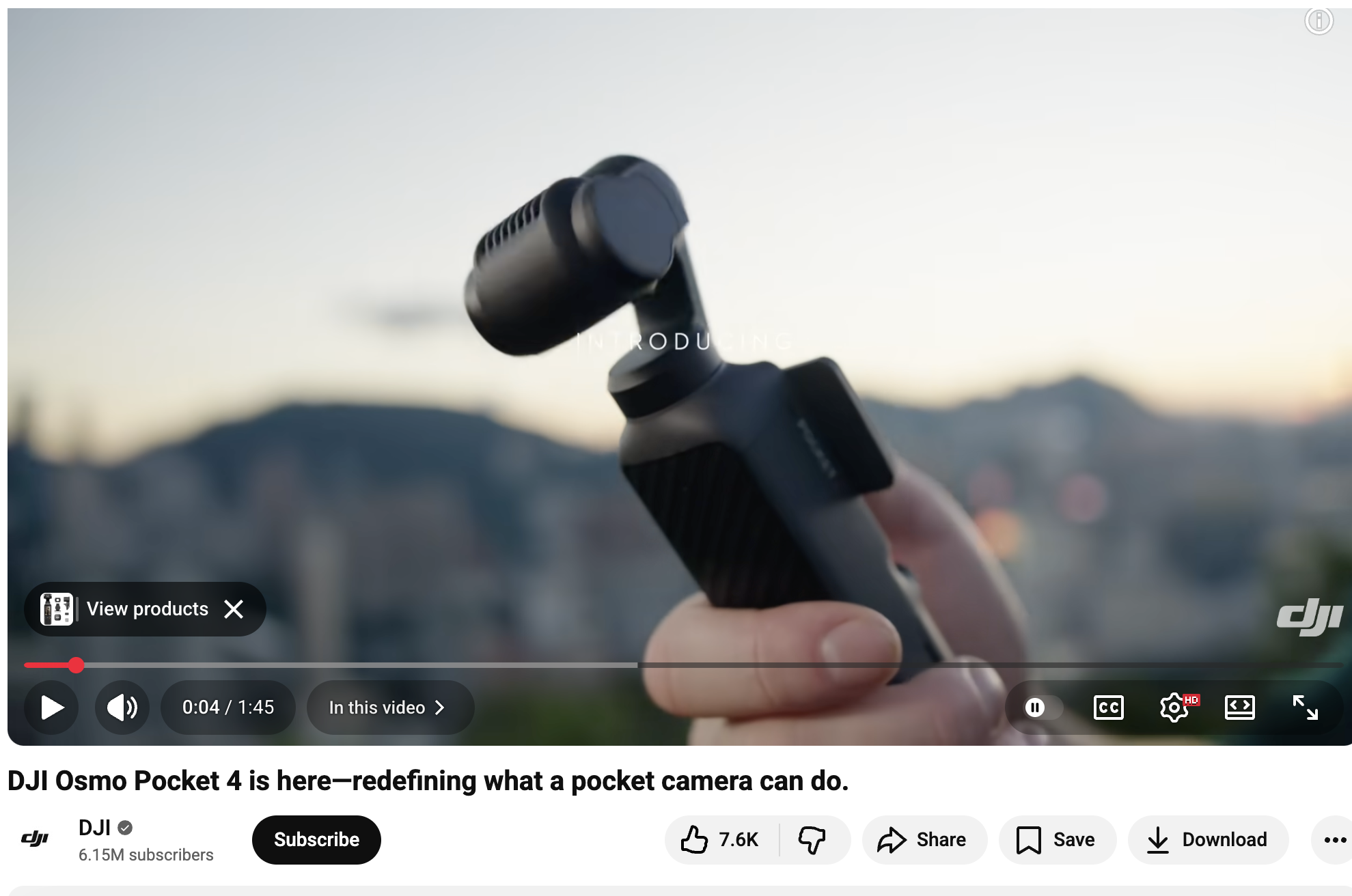
- Aggressive Tagging: Do not expect the user to find your link in the description. In 2026, the "View Products" overlay is the only conversion point that matters. Retroactively tag your top 10 performing evergreen videos to monetize existing traffic.
- Machine-Readable Content: Optimize your metadata. Use clear, descriptive titles and labels in your chapters so that AI tools and search algorithms can categorize your product as the definitive solution for a specific search query.
- Cross-Channel Analytics: Relying on vanity metrics like "likes" or "views" is a recipe for failure. Use robust analytics tools, such as Sprout Social, to map video performance to actual revenue. By integrating your social metrics with your e-commerce data, you can see exactly which video, at what timestamp, drove the most sales.
Official Stance and Future Outlook
YouTube’s continued investment in commerce tools signals a clear goal: to become the default destination for product research and procurement. By integrating the entire consumer journey—from initial curiosity to final checkout—within a single, seamless environment, YouTube is effectively challenging traditional e-commerce platforms.
The implications for brands are profound. As the barrier between "content" and "catalog" continues to blur, the brands that win will be those that prioritize authentic, human-centric storytelling over transactional advertising.
Conclusion: Seizing the Opportunity
The window for building a dominant YouTube Shopping presence is currently wide open. As the platform matures, competition for search visibility will inevitably increase. Brands that start today—by syncing their inventory, optimizing their existing library, and embracing the hybrid funnel—will be best positioned to capture this massive, high-intent audience.
Whether you are a small niche retailer or a global brand, the formula is consistent: build trust through value-driven content, remove friction through seamless product tagging, and measure your success by the bottom line. In the world of 2026, if your product isn’t shoppable within the video your customer is watching, you are essentially leaving revenue on the table.












No comments yet. Be the first to join the conversation!