

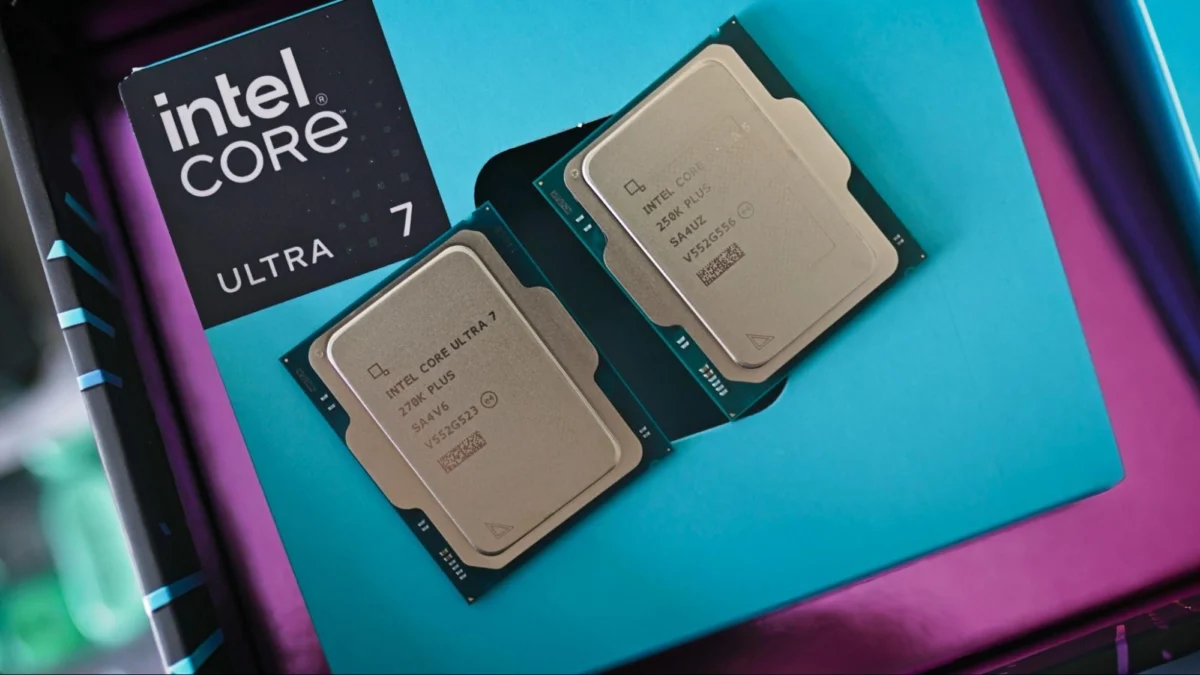
In the hyper-competitive arena of desktop computing, few missteps are as costly as a poorly received CPU launch. For Intel, the release of the Arrow Lake architecture was intended to be a watershed moment—a technological leap forward that would solidify its dominance against an emboldened AMD. Instead, it became a cautionary tale of mismatched expectations. With gaming performance falling short of predecessor chips and even trailing behind older silicon in specific titles, the brand’s reputation among enthusiasts took a significant hit.
However, at Computex 2026, the narrative began to shift. Intel’s aggressive pricing strategy for its new "Plus" series—specifically the Core Ultra 7 270K Plus and the 250K Plus—signaled a calculated move to reclaim market confidence. By positioning these high-performance chips at aggressive, budget-friendly price points, Intel is attempting to pivot from a position of technological arrogance to one of consumer-focused value.
The Context: Why Arrow Lake Faltered
To understand the current strategy, one must first analyze the "Arrow Lake" era. Intel’s latest architecture introduced a radical shift in design, moving toward a tile-based approach that promised better efficiency and modularity. While these processors proved highly competitive in synthetic benchmarks and productivity workloads—where multi-threaded performance is paramount—the gaming community was left wanting.
Gaming, being a latency-sensitive and architecture-dependent discipline, did not benefit from the specific structural changes in Arrow Lake as much as many had hoped. When users saw that these "next-gen" chips were outperformed in frames-per-second (FPS) by older, more mature platforms, the backlash was swift. Intel found itself in a precarious position: its flagship Core Ultra 9 285K was priced at a premium, yet its real-world gaming performance failed to justify the investment for the average enthusiast.
Chronology of a Corporate Pivot
The realization that Arrow Lake had not landed as intended prompted an immediate, if quiet, re-evaluation of Intel’s go-to-market strategy.
- Q4 2025 – Early 2026: Initial reviews of Arrow Lake reach the public, highlighting the discrepancy between professional application performance and gaming throughput. Intel begins to internalize the negative feedback loop.
- Early Q2 2026: Intel identifies the need to bridge the performance gap without waiting for a full architecture overhaul. The "Plus" series is fast-tracked as a refinement.
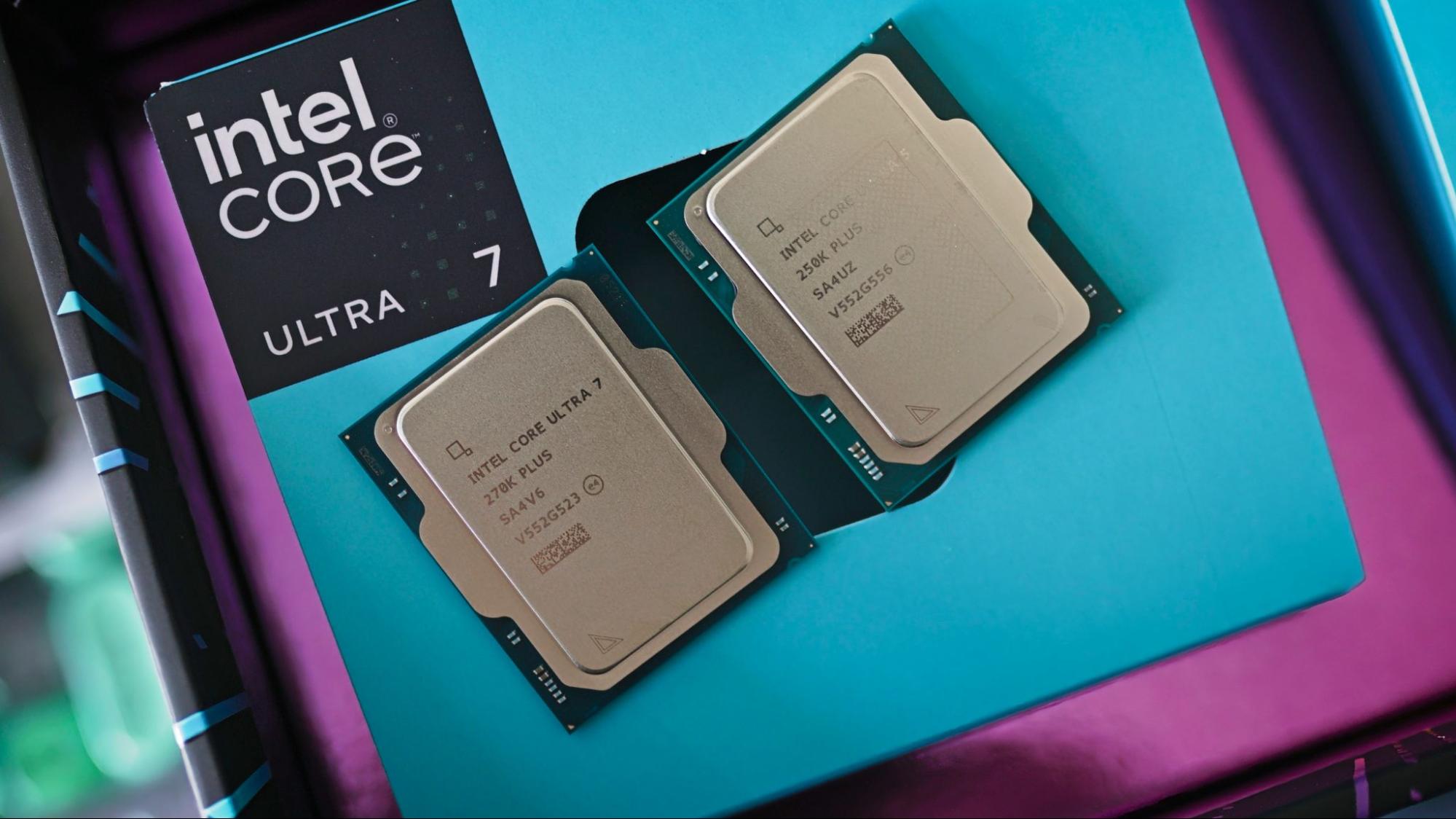
- Computex 2026: Intel officially unveils the Core Ultra 7 270K Plus and 250K Plus. The market is surprised by the aggressive pricing, which immediately undercuts the existing Arrow Lake lineup.
- Post-Computex 2026: Industry analysts begin to frame these releases as a "reputation recovery" effort rather than a standard product refresh.
The "Plus" Strategy: Undercutting the Past
The Core Ultra 7 270K Plus has become the poster child for Intel’s new philosophy. In direct comparisons, the 270K Plus delivers superior gaming and application performance compared to the flagship 285K, yet it hits the shelves at nearly half the price. This creates a paradox: why would a company cannibalize its own high-end sales?
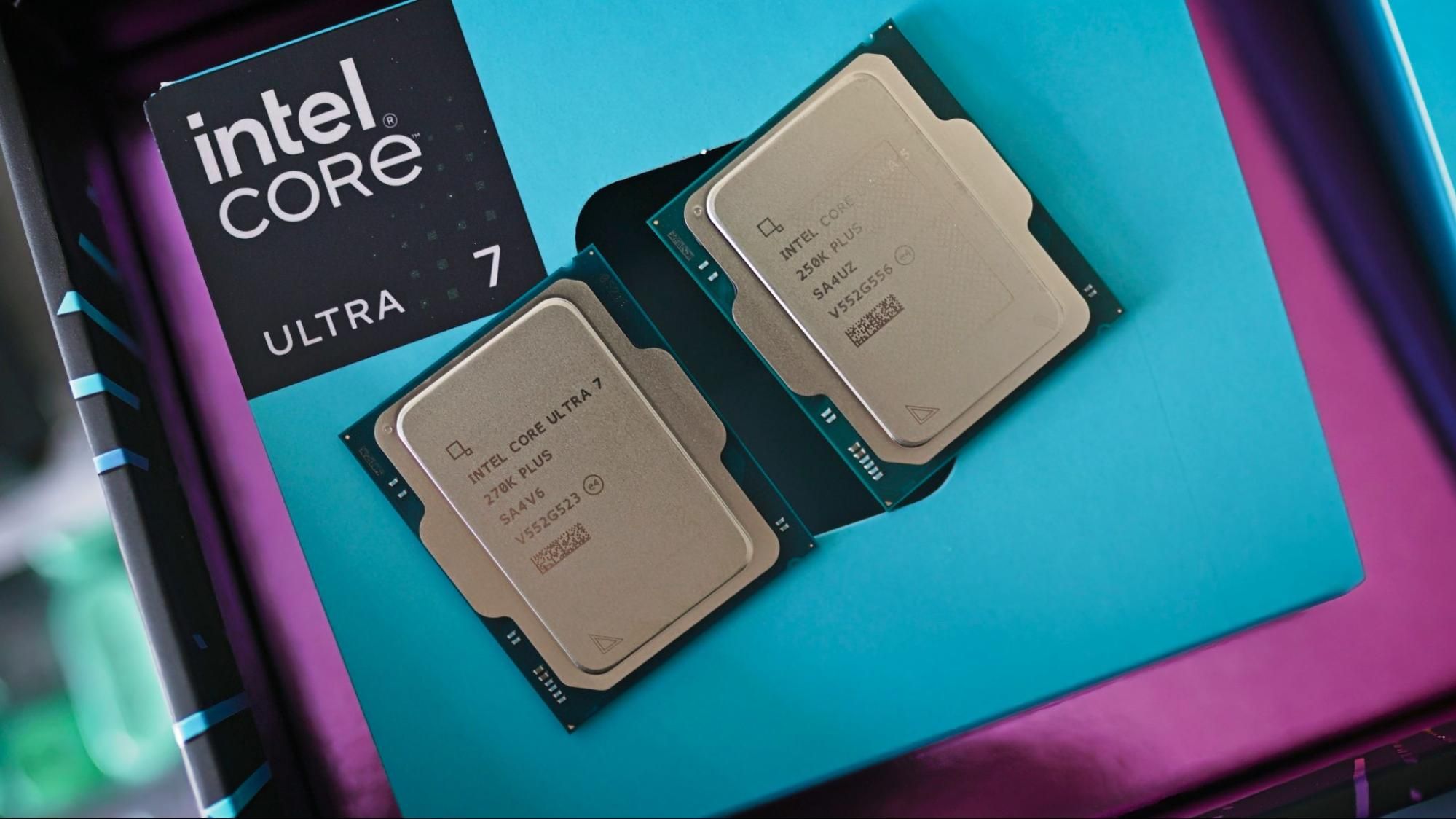
The answer lies in the concept of the "reputation tax." By offering a chip that outperforms its more expensive siblings, Intel is essentially apologizing to the enthusiast community. The move serves a dual purpose: it restores the brand’s image by providing indisputable value and clears the path for a clean slate when the next major architecture arrives.
During an exclusive interview at Computex 2026, Nish Neelalojanan, Intel’s Senior Director of Product Management for the Client Computing Group, addressed the elephant in the room. When asked about the aggressive pricing, he was candid about the company’s internal motivations. "From an enthusiast perspective, we needed to build back our reputation," Neelalojanan admitted. "We are ensuring we provide value to gamers. We started with the Arrow Lake Refresh, and we have a very strong roadmap to come. For desktop, we decided to lead with a value focus to help us regain confidence."
Supporting Data: Efficiency vs. Value
While official benchmarks are still being analyzed, early data suggests that the "Plus" series optimizations involve better memory controller integration and refined cache latency. These tweaks address the bottlenecks that plagued the original Arrow Lake chips.
For the average consumer, the shift is significant. If a user can purchase a 270K Plus for a price point that makes it the undisputed king of price-to-performance, the necessity of buying the 285K effectively evaporates for anyone but the most extreme workstation users. This is a rare instance where a company has chosen to sacrifice short-term margins for long-term brand equity.
Furthermore, the supply chain pressures Intel faces—spanning from massive data center demands to mainstream laptop components—mean that the company is constantly balancing inventory. The fact that they have chosen to prioritize consumer desktop value in the face of these competing demands suggests that the C-suite at Intel views the enthusiast desktop market as a critical battleground for sentiment, rather than just a revenue stream.
Looking Ahead: The Nova Lake Horizon
If the "Plus" series is the bridge, Nova Lake is the destination. For months, rumors have swirled around this upcoming architecture, with the tech community expecting it to be the true "reboot" Intel needs.
The primary talking point surrounding Nova Lake is the potential implementation of "Big LLC" (Last-Level Cache). For years, AMD has dominated the gaming landscape with its 3D V-Cache technology, which drastically reduces latency by stacking massive amounts of cache directly on the CPU die. Intel’s apparent move toward a similar, high-capacity cache solution in Nova Lake suggests a direct challenge to the "X3D" gaming throne.
Reports suggest that Nova Lake could feature up to 52 cores, support for blazing-fast DDR5-8000 memory, and a thermal design power (TDP) reaching as high as 175W. While these specs are impressive on paper, they also underscore the extreme engineering challenges Intel faces. Balancing such high core counts and memory speeds while maintaining efficiency is no small feat, particularly as the industry moves toward more sustainable power profiles.
Implications for the Industry
Intel’s current path has profound implications for the CPU market:
- Increased Competition: By adopting an aggressive pricing model, Intel is forcing AMD to reconsider its own value propositions. The days of "premium-only" pricing for top-tier chips may be coming to a close.
- Product Lifecycle Shifts: The rapid transition from Arrow Lake to the "Plus" series, followed by the upcoming Nova Lake, suggests that the cycle of hardware obsolescence is accelerating. Consumers are becoming more savvy, and companies can no longer rely on brand loyalty to sell underperforming products at premium prices.
- The "Enthusiast-First" Focus: The explicit admission from leadership that they are "building back reputation" signals a change in corporate culture. Intel is acknowledging that the enthusiast community serves as the primary arbiter of product success. If you lose the enthusiasts, you lose the narrative—and eventually, the market share.
Conclusion: A Delicate Balance
Intel is currently walking a tightrope. On one side, it must satisfy its shareholders by maintaining healthy margins in the data center and laptop sectors. On the other, it must win back the hearts of gamers and PC builders who were disillusioned by the initial Arrow Lake rollout.
The "Plus" series is a masterful tactical move, but it is only a stopgap. The true test of Intel’s recovery will be the launch of Nova Lake. If the rumored cache improvements and core-count advancements manifest as expected, Intel may well return to the performance crown. However, if the transition to Nova Lake is marred by the same lack of optimization that defined the original Arrow Lake launch, the damage to the company’s reputation might be irreparable.
For now, the strategy of "value-first" is the right one. It buys Intel the time it needs to finalize its next-generation architecture while keeping the community engaged. As we look toward the end of 2026, the tech world will be watching Nova Lake with bated breath, waiting to see if Intel can finally turn the page on its recent struggles and reclaim its position as the undisputed leader in silicon innovation.












No comments yet. Be the first to join the conversation!