

In the competitive landscape of high-performance wearables, the philosophy has long been "more is more." Athletes and fitness enthusiasts have been conditioned to chase personal bests, longer mileages, and heavier lifts. However, a growing body of sports science suggests that the most critical phase of training isn’t the exertion itself—it’s the physiological adaptation that occurs during rest.
Recognizing this paradigm shift, Amazfit has officially launched the Balance Ultra, a flagship smartwatch designed to bridge the gap between aggressive training cycles and the often-overlooked necessity of recovery. Positioned as a tool for "training smarter, not harder," the Balance Ultra represents a sophisticated integration of hardware durability and granular biometric analytics.
Main Facts: The New Benchmark in Recovery Tech
The Amazfit Balance Ultra is not merely an iterative update; it is a holistic wellness ecosystem packaged in a premium chassis. At its core, the device is engineered for the athlete who demands visibility into the complex relationship between external stress (workouts) and internal strain (recovery).
By synthesizing data from sleep patterns, HRV (Heart Rate Variability), blood oxygen saturation, and respiratory rates, the watch provides a comprehensive picture of the user’s physiological state. The device anchors these metrics within the Zepp App, creating a centralized hub where raw data is converted into actionable insights.
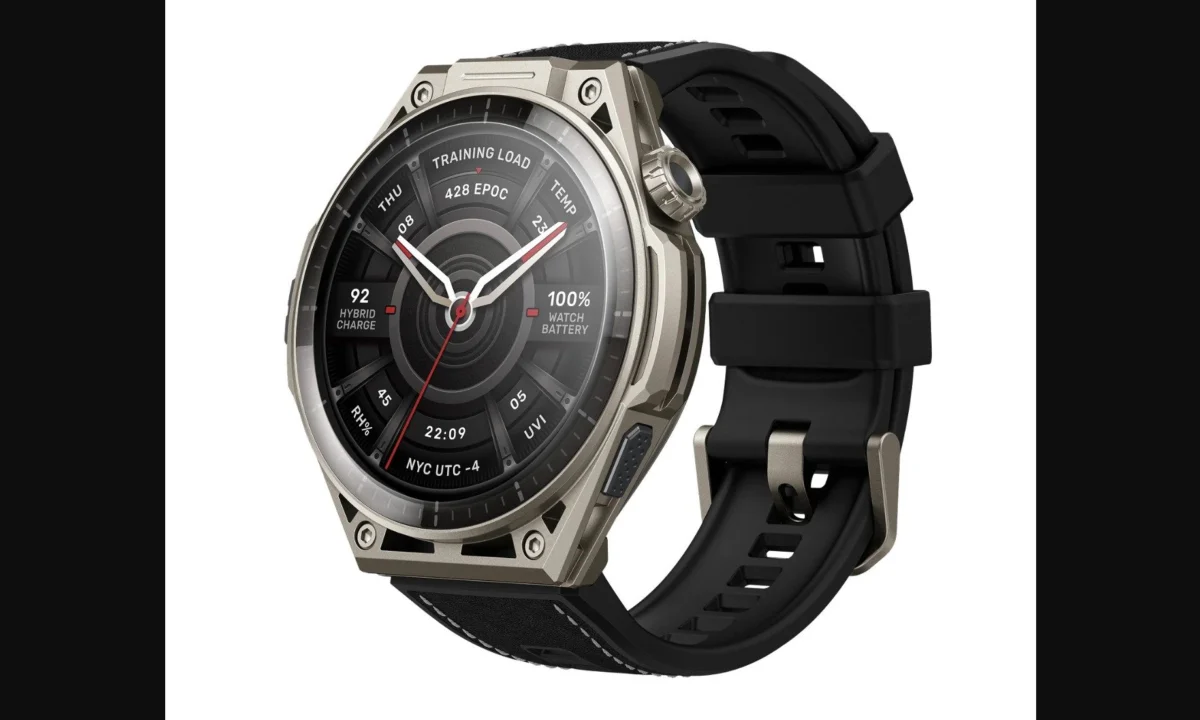
The watch is built for endurance and high-intensity environments. Its specifications include:
- Grade 5 Titanium Case: Offers a superior strength-to-weight ratio compared to standard stainless steel.
- Sapphire Crystal Glass: Providing industry-leading scratch resistance.
- 10ATM Water Resistance: Rated for deep-water swimming and high-pressure aquatic sports.
- Ultra-Bright Display: A 1.5-inch AMOLED screen capable of 3,000 nits, ensuring legibility under the harshest direct sunlight.
- Advanced Navigation: Dual-band GPS with six-satellite positioning and integrated offline mapping.
Chronology: The Evolution of Amazfit’s Training Philosophy
The path to the Balance Ultra began several years ago as Amazfit transitioned from a maker of affordable fitness trackers to a competitor in the premium sports watch market.
- Early Foundations: Initial Amazfit models focused on step counting and basic sleep tracking.
- The Rise of Biometrics: The introduction of continuous SpO2 and advanced HRV tracking marked the shift toward deeper health monitoring.
- The "Balance" Series: Last year’s launch of the standard Balance model introduced the Zepp Aura and sleep-coaching features, proving that users were ready for more complex data interpretations.
- The Hybrid Era: The development of the "Hybrid Training System" serves as the current culmination of this trajectory. By combining workout load with lifestyle factors, the Balance Ultra moves beyond simple activity tracking into the realm of professional-grade athletic coaching.
Supporting Data: Why Recovery Metrics Matter
For the average fitness enthusiast, "overtraining" is a silent progress killer. The Balance Ultra addresses this through a suite of proprietary features:

The BioCharge and LifeLoad Metrics
The watch utilizes BioCharge to estimate energy levels, acting as a "fuel gauge" for the human body. This is cross-referenced with LifeLoad, a feature that quantifies the total physiological tax of a day, accounting for everything from intense gym sessions to high-stress meetings.
Training Balance and Weekly Focus
These features place individual workouts into a broader context. Instead of looking at a workout in isolation, the watch analyzes the "Training Balance," determining if the user is currently in a state of productive training, peaking, or potentially heading toward burnout.
The HYROX Partnership
The inclusion of official HYROX tools is a significant differentiator. HYROX, the global fitness racing competition, requires a unique blend of aerobic capacity and functional strength. By offering race simulations, virtual pace support, and specialized training plans, the Balance Ultra cements itself as a device for multi-disciplinary athletes who need to balance running, lifting, and endurance work simultaneously.
Official Responses and Strategic Vision
While Amazfit has not released a formal manifesto on the product, the strategic intent behind the Balance Ultra is clear. By pricing the device at $599.99, the company is signaling its intent to challenge established market leaders like Garmin and Apple.
In promotional materials, the company emphasizes that the watch is meant to be a "24/7 training partner." The emphasis on "Zepp Flow," the company’s AI-driven voice control system, suggests that Amazfit intends to make complex data management intuitive. Instead of scrolling through menus, users can query the watch about their recovery status or request an adjustment to their training plan using natural language, effectively removing the barrier between data and decision-making.
Implications: The Shift Toward Holistic Performance
The release of the Balance Ultra carries significant implications for the wearable market.
1. The Death of the "Workout-Only" Tracker
The market is clearly moving away from devices that only care about what happens during the workout. Future smartwatches will be judged by how they interpret the 22 hours of the day spent outside the gym. The Balance Ultra forces users to consider their sleep quality and daily stress as part of their training regimen.

2. Battery Efficiency as a Performance Metric
For an athlete, a watch that dies in the middle of an ultra-marathon or a long training weekend is useless. By offering 30 days of standard battery life and 50 hours of continuous GPS tracking, the Balance Ultra addresses the "range anxiety" that has long plagued premium smartwatches with high-resolution screens.
3. Democratization of Elite Coaching
Historically, access to a coach who could analyze HRV, sleep, and training load was reserved for professional athletes. The Balance Ultra effectively places a data-driven coach on the user’s wrist. While it does not replace a human expert, it provides the same fundamental data points that a professional would use to manage a training block.
A New Frontier for Athletes
The Amazfit Balance Ultra arrives at a time when users are more informed than ever. They understand that their progress is not just a function of willpower, but a function of biology. By balancing the ruggedness required for outdoor adventure with the delicate analytics needed for internal recovery, Amazfit has created a compelling device that sits at the intersection of lifestyle technology and sports science.
Whether you are a competitive hybrid athlete prepping for a HYROX event or an office professional trying to prevent burnout during a heavy lifting cycle, the Balance Ultra is built to provide the missing piece of the puzzle: the data to know when to push, and the wisdom to know when to stop.
As the wearable industry continues to evolve, the Balance Ultra stands as a testament to the idea that the smartest way to get stronger is to prioritize the recovery that makes growth possible. For $599.99, the device is a significant investment, but for those who treat their health and performance with professional-grade seriousness, the value proposition is clear: you cannot manage what you cannot measure, and now, you can measure everything.












No comments yet. Be the first to join the conversation!