Nana Wu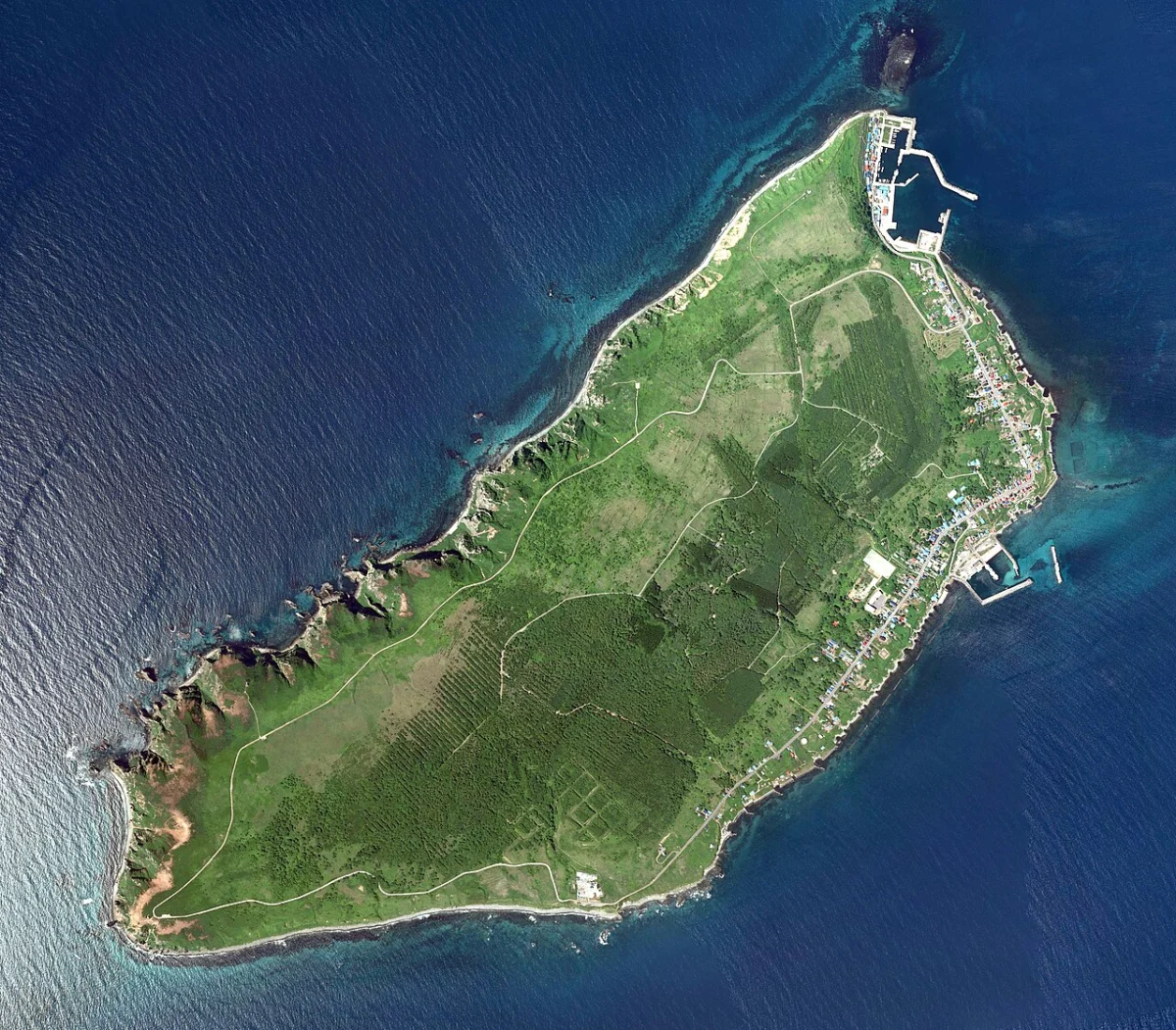
Two hundred kilometers north of Sapporo, where the Tsushima Current crashes into the continental shelf of the Japan Sea, lies a maritime landscape of profound ecological significance. The small fishing town of Haboro serves as the gateway to Teuri and Yagishiri—two rugged, windswept islands that host the largest concentrated seabird breeding colony in Japan. While the bustling metropolises of Tokyo and Osaka dominate the international tourism narrative, these islands represent a "deep-travel" frontier, where nature dictates the pace of life and the human footprint remains remarkably faint.
Main Facts: The Seabird Megalopolis
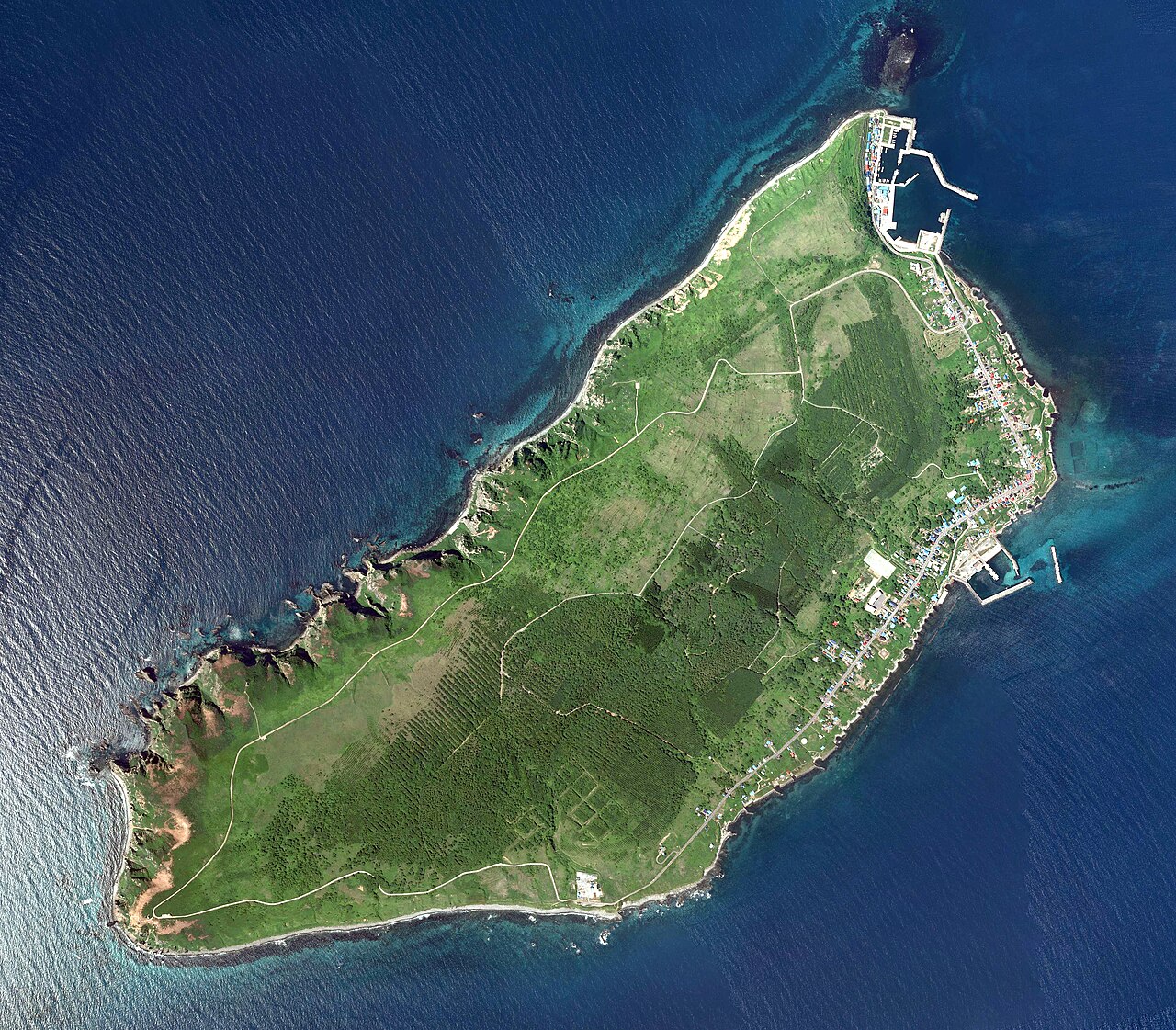
Teuri Island, a mere 12 kilometers in circumference, is a sanctuary of global ornithological importance. Every spring, approximately 800,000 rhinoceros auklets (Cerorhinca monocerata) descend upon the island’s basalt cliffs. They are joined by eight other seabird species, including the common murre, pelagic cormorant, spectacled guillemot, and black-tailed gull.
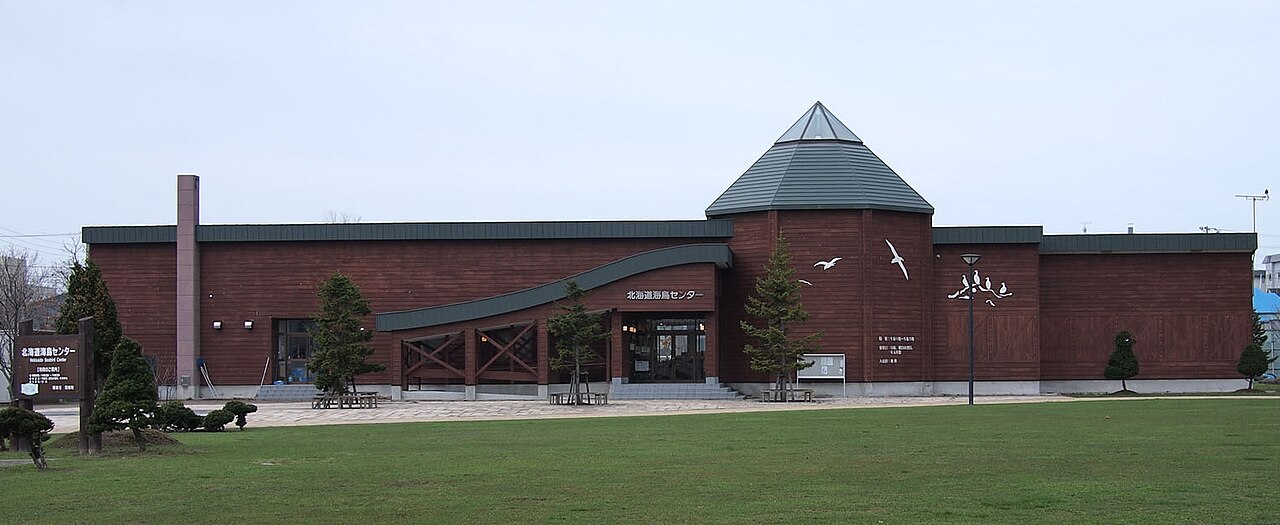
The administrative heart of this conservation effort is the Hokkaido Seabird Center in Haboro. Established in 1997, the facility operates under the Ministry of the Environment as both a public education museum and a high-level research hub. For the visitor, it acts as an essential primer; for the ecosystem, it is a vital monitoring station tasked with balancing the delicate needs of migratory species against the realities of a local commercial fishing industry.
A Chronology of Conservation
The story of these islands is one of transformation—from traditional exploitation to modern stewardship.
- 1970s–1980s: A period of ecological decline. The Tufted Puffin, once a staple of the Teuri landscape, saw its colony decimated by accidental bycatch in longline fishing nets. This era marked a turning point in regional environmental awareness.
- 1997: The Hokkaido Seabird Center opens its doors. This signaled a shift in local governance, moving from passive observation to active research and community engagement.
- 2000s–Present: The implementation of "co-existence" policies. The Seabird Center begins working directly with the Haboro fishing fleet to develop bycatch mitigation strategies. This collaboration is documented as a primary success story in the center’s exhibits, highlighting the ongoing tension between traditional livelihoods and biodiversity.
- 2010: The last confirmed breeding pair of Tufted Puffins is recorded, marking the official end of the species’ residency on Teuri and turning the island’s attention to the conservation of the remaining 800,000-strong auklet population.
Supporting Data: Understanding the Colony
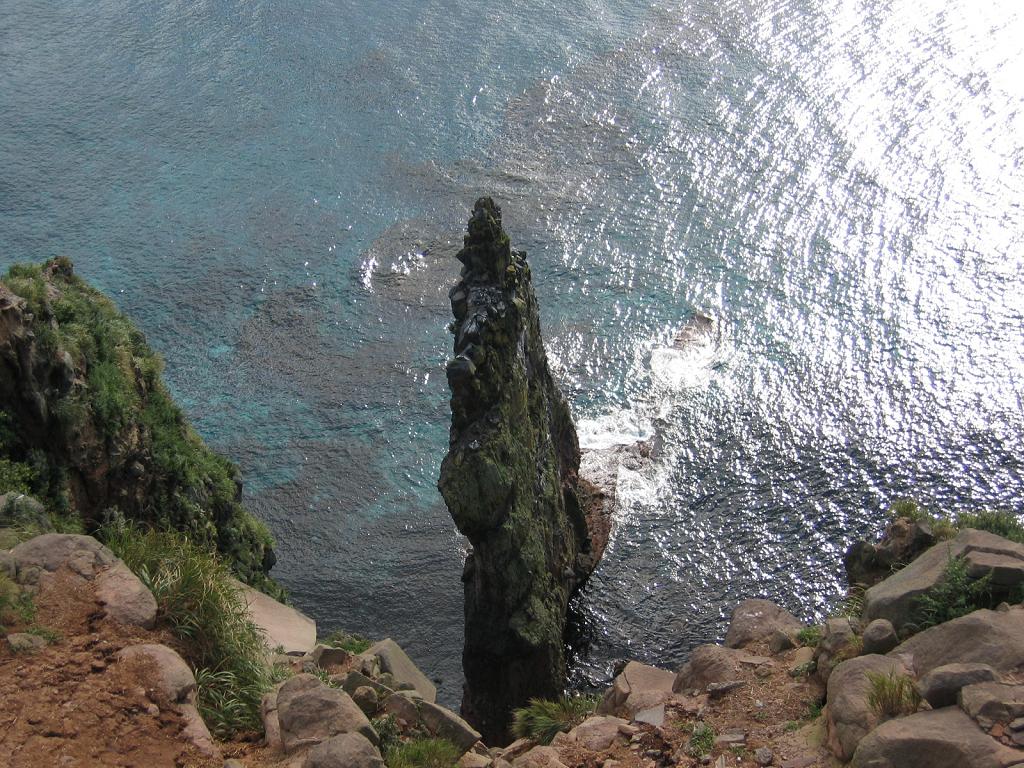
The ecological wealth of Teuri is driven by the specific geology of the island. The northwestern coast is defined by a two-kilometer-long basaltic cliff face. The stratification of dark lava flows interspersed with softer, lighter tuff allows for the creation of natural cavities—the perfect real estate for nesting.
The Rhinoceros Auklet Phenomenon
The "main event" for any visitor is the nocturnal return of the Rhinoceros Auklets. Unlike many seabirds that return to the colony throughout the day, these birds spend their daylight hours fishing far offshore, returning to their cliff-top burrows only under the cover of dusk.
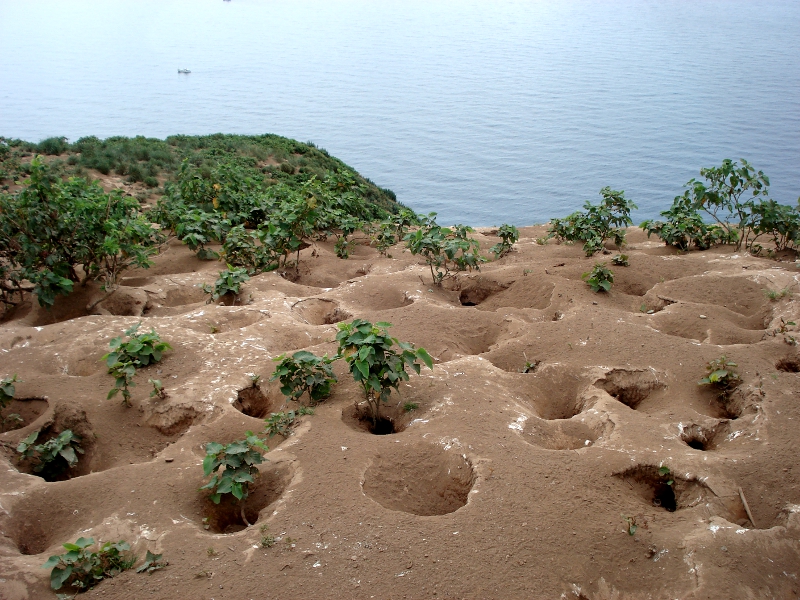
Between late May and mid-July, this creates a 30- to 45-minute window of intense biological activity. Thousands of birds swarm the coastline in synchronized bands, navigating with incredible precision to their specific burrow entrances. It is a spectacle of nature that mirrors the scale of the Great Migration, yet it remains almost entirely un-touristed.
Yagishiri: The Quiet Counterpart
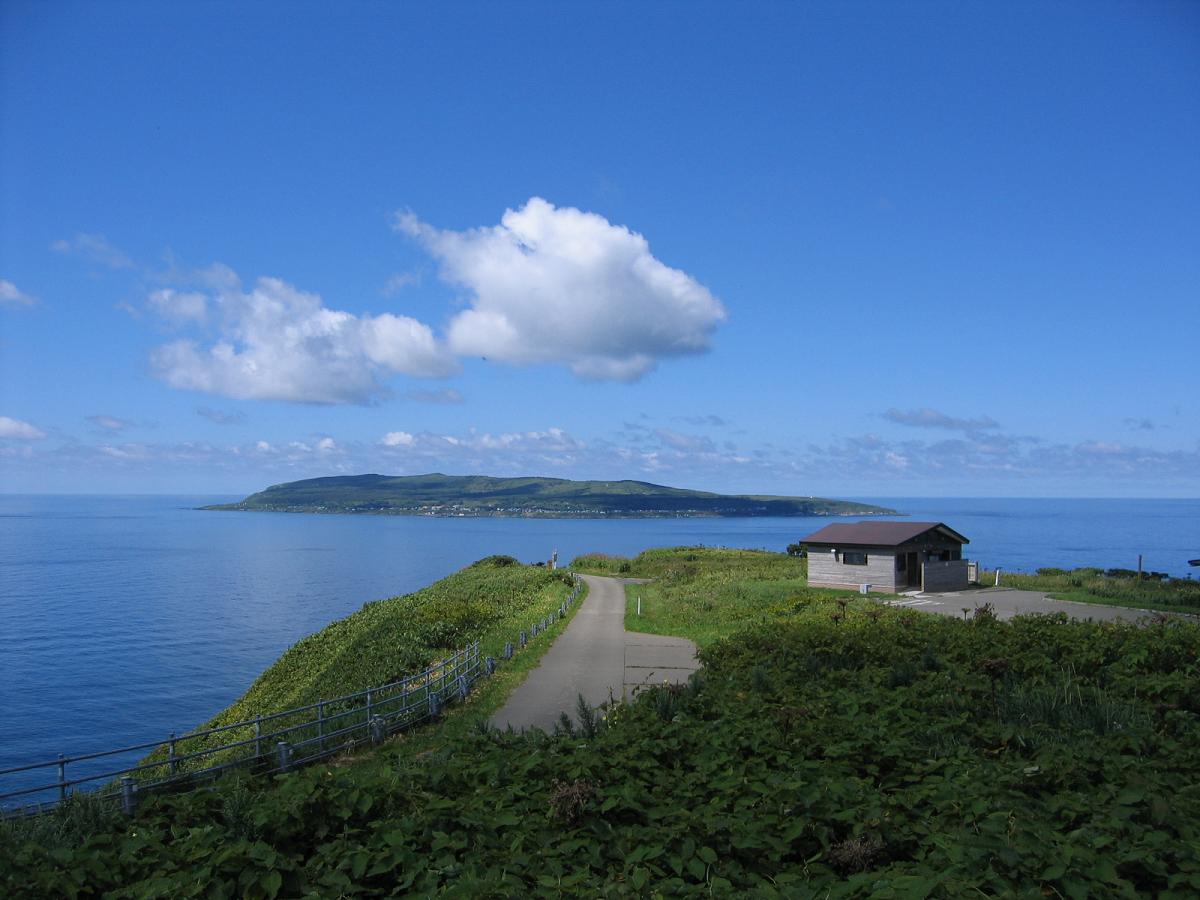
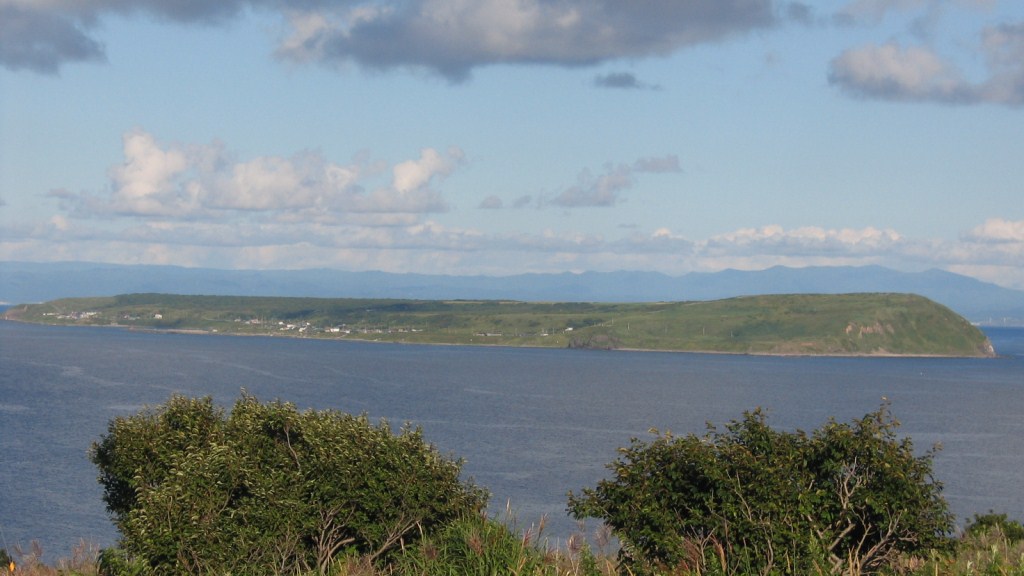
If Teuri is the avian capital, Yagishiri is the serene, botanical sibling. Dominated by a rare, northern-latitude primeval broadleaf forest, Yagishiri offers a different pace. Its central woods, protected as a national natural monument, feature trees aged between 200 and 400 years. The island’s economy is uniquely anchored by the Yagishiri Sheep Farm—the only commercial operation of its kind in Hokkaido—which lends the landscape a pastoral, almost Hebridean character that contrasts sharply with the rugged basalt cliffs of its neighbor.
Official Responses and Management
The Hokkaido Seabird Center’s mandate is not merely to display information but to manage a complex intersection of stakeholders. The center’s exhibition hall, featuring life-size dioramas and realistic bird carvings by Sapporo artist Kumiko Kitao, serves as the educational bridge.
Ministry of the Environment officials emphasize that the primary goal is "managed access." By regulating guided tours—such as the 90-minute Seabird Breeding Ground Tour and the specific Rhinoceros Auklet Night Guide—the center ensures that tourism revenue supports the research programs while minimizing human disturbance to the sensitive nesting turf.
Regarding the decline of the puffin, the official stance is one of pragmatic honesty. The Center does not shy away from this history; instead, it uses the loss as a cautionary tale to teach visitors about the direct impact of bycatch and the importance of sustainable, bird-friendly fishing practices.
Implications for the Future
The long-term viability of the Teuri-Yagishiri colony rests on two pillars: environmental stability and logistical accessibility.
Environmental Challenges
The climate of the Japan Sea is changing. The Tsushima Current’s temperature fluctuations directly affect the availability of sand lance and other small fish that the auklets rely on to feed their chicks. The Seabird Center acts as the front line, monitoring these fish stocks and feeding data back to national environmental agencies.
Tourism and the "Deep-Travel" Trend
For the potential traveler, the logistical commitment is substantial. Reaching Haboro requires a four-hour bus journey from Sapporo or a multi-hour drive from Asahikawa. The ferry service, while reliable in the summer, is subject to the whims of the Japan Sea, with a significant cancellation rate during the winter months (December to March).
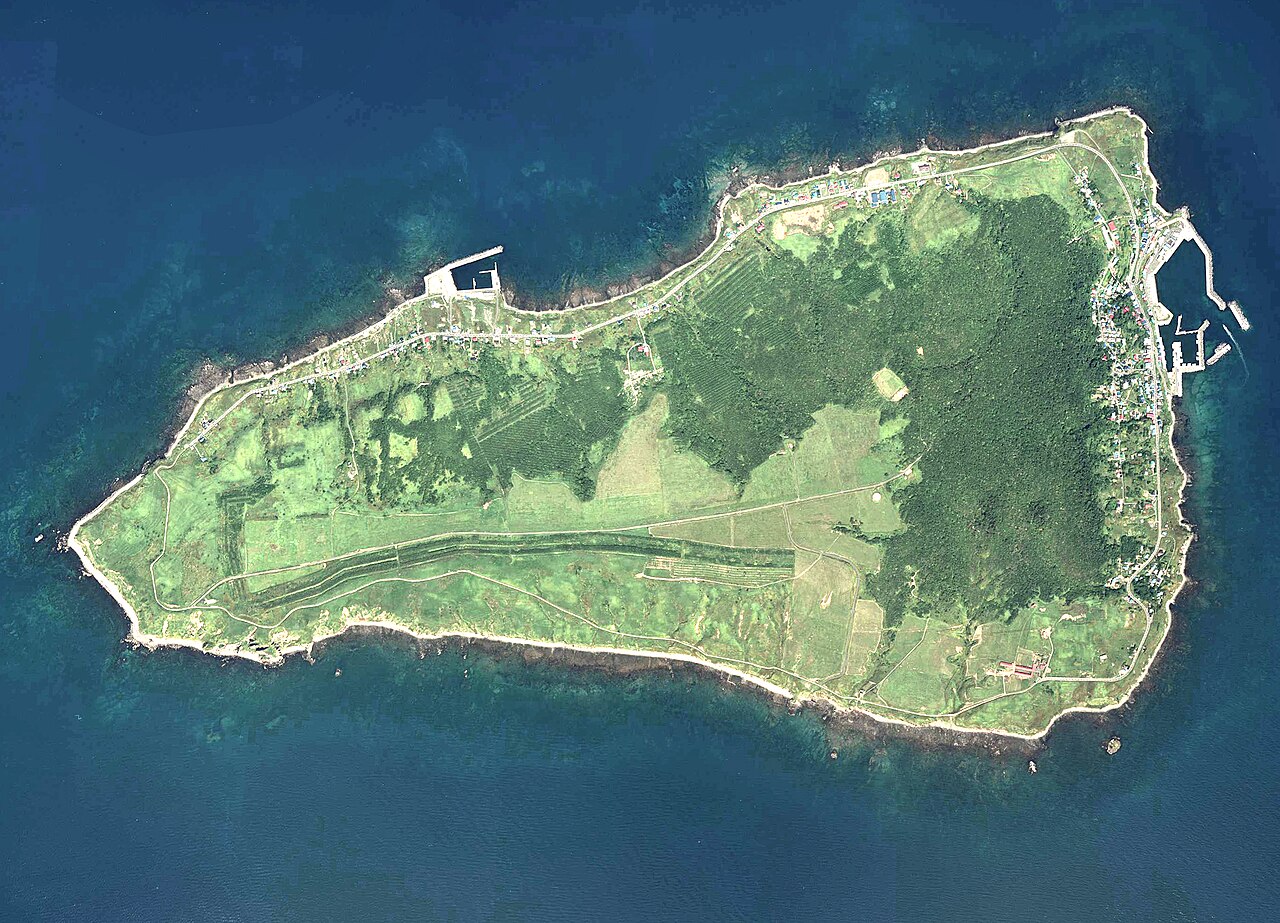
However, the implication for the regional economy is clear: by positioning these islands as a premium destination for "serious birders and nature photographers," Haboro is creating a sustainable model that avoids the "over-tourism" traps seen in other parts of Japan. Visitors are encouraged to stay in local minshuku (family-run guesthouses), ensuring that the economic benefits of the tourism surge remain directly within the local community.
Final Verdict for the Traveler
For the first-time visitor to Japan, the trek to the Haboro coast may be too peripheral. However, for the traveler who has exhausted the standard "Golden Route" and seeks the soul of Japan’s northern frontier, the rewards are immense. Whether it is cycling the 7-kilometer perimeter of Yagishiri, eating fresh uni (sea urchin) caught that morning in Haboro, or standing in the dark at the Akaiwa Observatory as thousands of auklets streak across the twilight sky, this region offers a connection to the wild that is increasingly rare in the modern world.

Travel Logistics Summary:
- Best Time to Visit: Mid-May to mid-July for peak bird activity.
- Getting There: Direct bus from Sapporo Station (4 hours); ferry from Haboro Port to the islands (55–90 minutes).
- Accommodation: Book minshuku on Teuri and Yagishiri directly via phone through the Haboro tourism office; reserve 2–3 weeks in advance for summer weekends.
- Language Barrier: Minimal English support; visitors should arrive with translation tools and a spirit of adventure.
In a world of curated, homogenized travel experiences, the islands of Teuri and Yagishiri stand as a testament to the raw, unscripted beauty of the North. They are a place where the rhythm of the ocean and the flight of the birds still dictate the terms of existence, inviting the rare traveler to witness a spectacle that has persisted for centuries, largely unseen by the outside world.


 Neng Nana
 Asro
Asro