Iffa Jayyana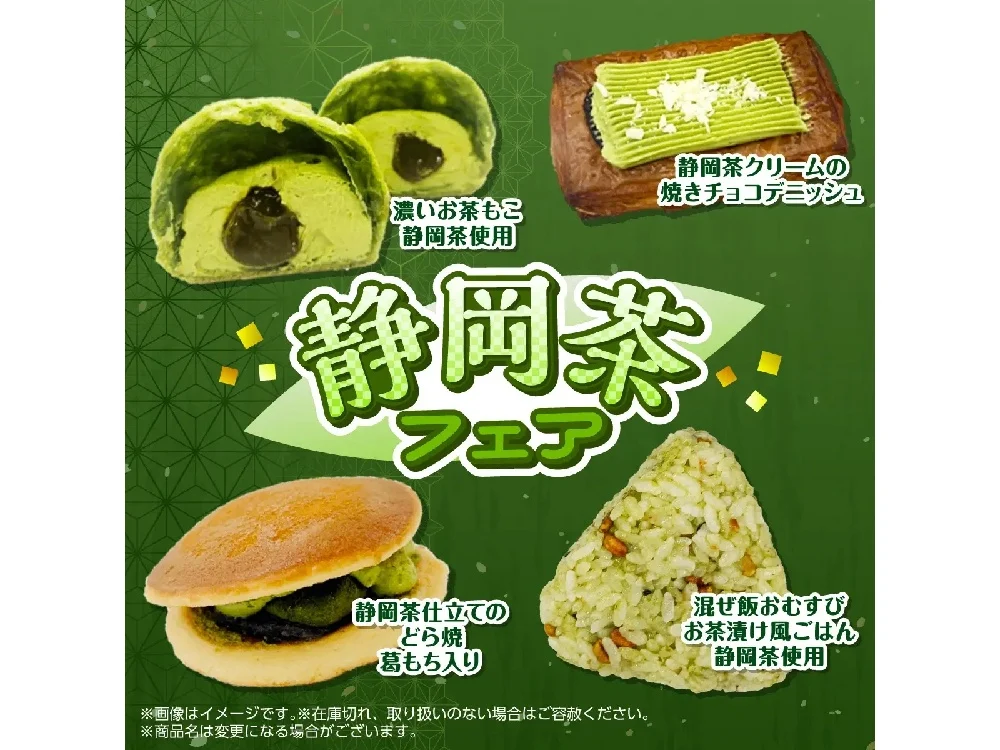
While global perception often links the refined, meditative aesthetic of green tea exclusively to the temples and tea houses of Kyoto, the reality of Japan’s agricultural output tells a different story. In the rolling, mist-covered hills of Shizuoka Prefecture—located in the shadow of Mount Fuji—lies the true powerhouse of Japanese tea production.
In a strategic move to highlight the superiority of Shizuoka-grown tea, 7-Eleven Japan has launched an ambitious, region-specific "Shizuokacha Fair." By leveraging the robust, high-quality leaves known as ichibancha (the inaugural harvest of the season), the retail giant is transforming the convenience store experience into a culinary showcase of regional heritage.
The Facts: Beyond the Kyoto Myth
For those uninitiated in the nuances of Japanese tea, the assumption that Kyoto is the primary producer is understandable. Kyoto’s Uji district is the historic epicenter of high-end, ceremonial-grade matcha, celebrated for its delicate balance and cultural prestige. However, when examining raw production volume and agricultural influence, Shizuoka Prefecture stands unrivaled.
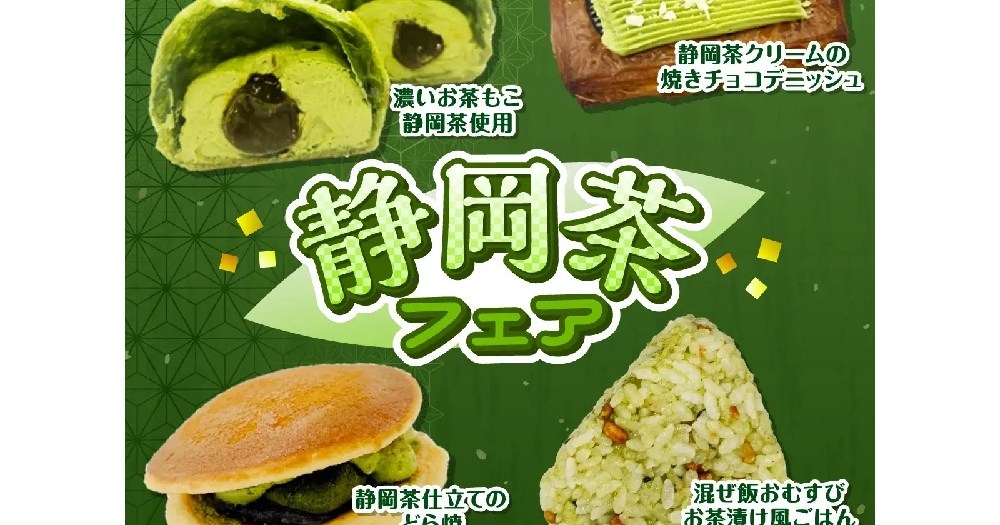
Shizuoka consistently claims the title of Japan’s number-one green tea grower. The region’s unique topography, characterized by rich soil and a temperate climate, provides the perfect environment for the ichibancha harvest. These first-flush leaves are prized not only for their high nutritional content but for their intense, vibrant color and superior umami profile.
By centering their latest product lineup on this specific harvest, 7-Eleven is making a bold statement: true quality is not just found in the historic tea houses of the Kansai region, but in the vast, emerald fields of Shizuoka.
Chronology: A Strategic Rollout
The "Shizuokacha Fair" is not merely a seasonal rotation of inventory; it is a meticulously planned campaign designed to bolster local farmers while catering to the sophisticated palates of modern Japanese consumers.
- Pre-Launch Phase: 7-Eleven Japan engaged with local agricultural cooperatives in Shizuoka to secure exclusive rights to the season’s premier ichibancha harvest.
- Product Development: Over several months, R&D teams worked to integrate the bold flavor of Shizuoka green tea into delicate pastry structures, balancing the natural bitterness of the tea with sweet, creamy, and savory profiles.
- The Launch: The campaign officially hit shelves in early June, transforming the refrigerated aisles of Shizuoka-area 7-Eleven stores into an ode to the prefecture’s most famous export.
- Regional Expansion: While the full range of products is available exclusively within Shizuoka, a subset of the baked goods—specifically the Danish and cake items—was extended to the neighboring Yamanashi Prefecture to test market receptivity in surrounding regions.
Supporting Data: An Anatomy of the Lineup
The 7-Eleven lineup represents a masterclass in culinary versatility, demonstrating that green tea is as capable of anchoring a savory meal as it is a decadent dessert.
The Sweet Selection
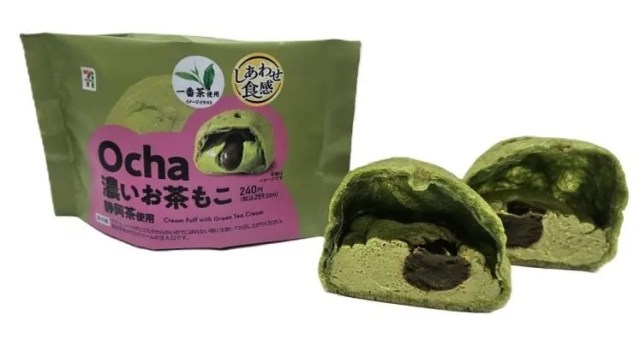
- Ocha Moko: A sophisticated take on the classic cream puff. The moko (a term denoting a soft, chewy texture) features a double-layer filling of green tea-infused cream and a concentrated green tea sauce, providing a layered flavor experience that hits both the sweet and astringent notes of the tea.
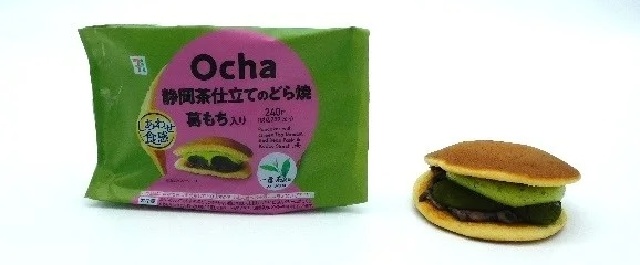
- Kuzumochi Dorayaki: This item bridges the gap between traditional wagashi and modern fusion. It features a triple-threat of green tea mousse, an (sweet adzuki red bean paste), and a chewy kuzumochi center, all encased in a soft, pancake-like shell.
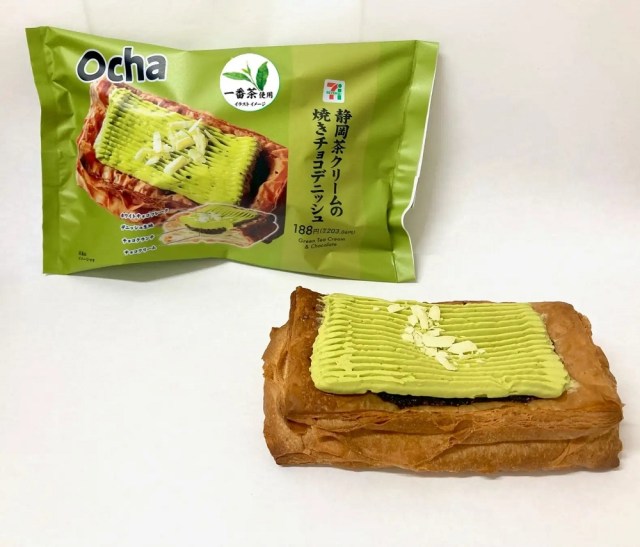
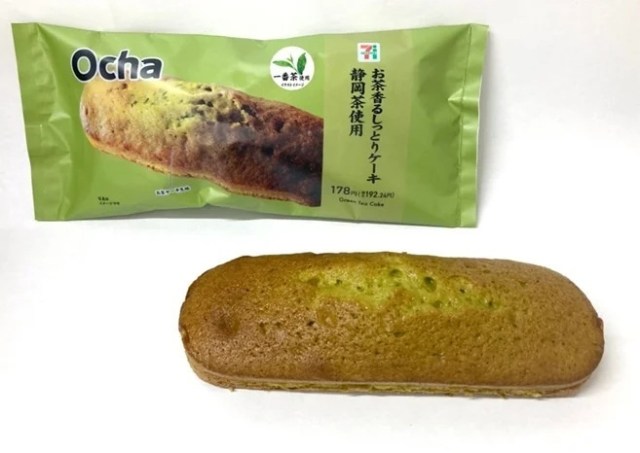
- Western-style Bakery: The Shizuokacha Danish and the specialty green tea cake are designed for those who prefer an aroma-forward experience. By utilizing high concentrations of tea powder in the dough and frosting, 7-Eleven has successfully captured the volatile aromatic compounds that make fresh tea so refreshing.
The Savory Innovation: The Green Tea Musubi
Perhaps the most daring entry in the collection is the green tea musubi (rice ball). By incorporating finely ground tea leaves directly into the rice, the product gains a unique hue and a subtle, earthy depth. The addition of nori (seaweed) and katsuo (bonito flakes) serves a specific purpose: it mimics the flavor profile of ochazuke—a traditional comfort dish where hot tea is poured over rice. This innovation effectively provides a portable, grab-and-go version of a classic sit-down meal.
Official Responses and Agricultural Impact
Industry analysts have noted that this campaign is a significant departure from typical convenience store marketing. Rather than relying on generic "matcha" flavoring—which is often synthetic or sourced from varied, lower-quality origins—7-Eleven’s commitment to "Shizuokacha" serves as an endorsement of the prefecture’s specific terroir.
"Our goal is to foster a deeper connection between the consumer and the origin of their food," a spokesperson for the initiative noted during the launch. By restricting the sales of the rice ball and the complex sweets to Shizuoka, the company is effectively turning the convenience store into a destination point. This "geographic exclusivity" is a strategic move to stimulate regional tourism. The message is clear: if you want the full, authentic Shizuokacha experience, you must travel to the source.
Implications: A New Era for Regional Retail
The success of the Shizuokacha Fair has broad implications for the future of regional agriculture in Japan.
1. The Revitalization of Rural Economies
By highlighting Shizuoka’s tea, 7-Eleven is providing a direct economic subsidy to local farmers. In an era where rural populations are declining and younger generations are leaving agricultural communities, such partnerships ensure that local produce remains profitable and culturally relevant.
2. Redefining "Convenience"
Convenience stores in Japan have long been criticized for their reliance on processed, mass-produced ingredients. This initiative challenges that narrative by introducing farm-to-table ethics into the convenience sector. It suggests that high-quality, regionally specific ingredients can be scaled for mass retail without losing their identity.
3. Boosting Domestic Tourism
For the intrepid traveler, the Shizuokacha Fair acts as a "gastronomic roadmap." By incentivizing visits to Shizuoka and Yamanashi, 7-Eleven is encouraging consumers to engage with the prefecture beyond the convenience store counter. As the article suggests, those who appreciate the tea should see the region as an "oasis," deserving of a dedicated trip.
Conclusion: The Path Forward
The Shizuoka tea campaign by 7-Eleven Japan is more than just a successful marketing gimmick; it is a blueprint for how global corporations can engage with local identity. By moving away from the homogenized "green tea" flavor and focusing on the specific, robust profile of Shizuoka’s ichibancha, the company has managed to elevate the convenience store experience.
Whether you are sampling the savory ochazuke-style rice ball or indulging in the aromatic, cream-filled pastries, the message remains the same: Japan’s green tea culture is vast, diverse, and, most importantly, waiting to be discovered in the lush, rolling hills of Shizuoka. For those looking to experience the true heartbeat of Japanese tea production, the journey to Shizuoka has never been more tempting.
As we look toward the future of Japanese retail, one thing is certain: the green tea renaissance is here, and it’s being served up in the most unexpected of places.


 Neng Nana
 Asro
Asro