Asro
Asro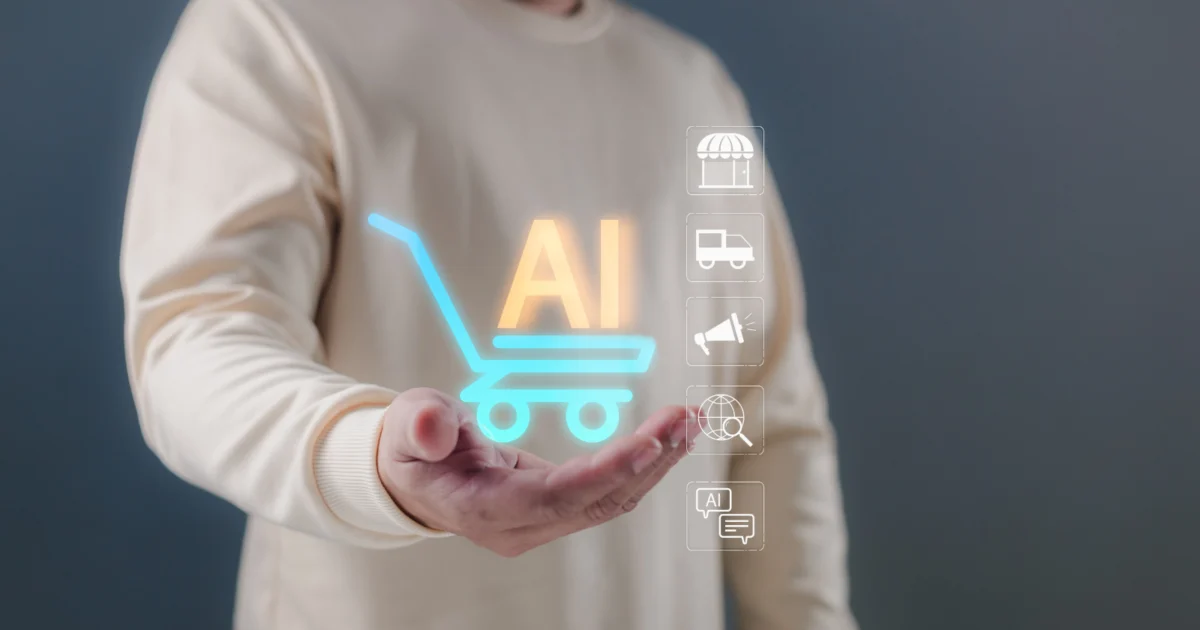
The digital landscape is undergoing its most significant structural shift since the dawn of mobile commerce. Your Google Ads account is no longer merely speaking to human shoppers; it is increasingly serving an invisible, algorithmic entity. This is the era of "Agentic Commerce"—a paradigm where AI agents perform deep product comparisons, evaluate merchant data, and execute transactions on behalf of customers.
For digital marketers and e-commerce leaders, the stakes could not be higher. We are moving away from a world of passive discovery to a world of machine-mediated acquisition. As AI agents become the primary interface for consumer shopping, the traditional levers of paid media—creative flair, brand storytelling, and eye-catching ad copy—are being subordinated to the cold, hard logic of structured data and automated negotiation.
The Rise of the Agentic Era: A Chronology of Disruption
The transition to agentic commerce has been remarkably swift. While industry analysts spent years theorizing about the potential of "conversational AI," the practical application hit the market with overwhelming force during the 2025 holiday season.
- Late 2025: Salesforce reports a seismic shift, attributing roughly $67 billion in global sales—approximately 20% of all online orders—directly to AI agents. This was not a projection; it was a realized outcome that caught many retailers unprepared.
- January 2026 (NRF 2026): Google unveiled its Universal Commerce Protocol (UCP), an open-standard initiative developed in collaboration with retail giants like Shopify, Etsy, Walmart, and Target. This protocol serves as the "handshake" between retailer inventories and AI agents.
- February 2026: Google officially began integrating Shopping and Performance Max ads directly into "AI Mode," creating a seamless, sponsored experience within conversational search results.
- Current State: Major payment rails—Visa, Mastercard, and Stripe—have rolled out agent-ready infrastructure, effectively greenlighting the mass adoption of automated checkout processes.
The message is clear: this is not a pilot program to be observed from the sidelines. It is a fundamental restructuring of the consumer path to purchase.
The Shift from Catalog to Bidding Signal
In the traditional e-commerce model, the product feed was a hygiene task—a digital catalog that sat in the background of your Merchant Center. Today, that feed is the primary bidding signal for your entire paid media strategy.
When an AI agent evaluates a query, it does not "see" your vibrant lifestyle photography or your carefully crafted brand voice. It consumes structured data: price, availability, shipping velocity, return policies, and granular technical specifications. OpenAI’s internal testing of its shopping research tool revealed that when AI agents are empowered to process multi-constraint queries (e.g., "Find me a sustainable, moisture-wicking running shirt under $50 in size medium"), they achieve 52% product accuracy, significantly outperforming standard search engines.
For the modern paid media team, this necessitates a total realignment of priorities. If your feed is managed by whoever happened to set up the Merchant Center account years ago, while your budget and attention are focused solely on creative assets, your strategy is effectively inverted. The feed is now a high-stakes media asset, and it must be treated with the same analytical rigor as a multi-million-dollar creative testing plan.
The Emergence of "Direct Offers"
Perhaps the most disruptive development in this new ecosystem is the introduction of "Direct Offers"—a Google Ads pilot designed specifically for the AI agent interface. Unlike traditional ads, Direct Offers are merchant-funded promotions that appear when the system identifies a user with high purchase intent.
Google’s own product leads describe this format not as an advertisement, but as an automated salesperson negotiating on the shopper’s behalf. This shift introduces a complex new challenge for media buyers: you are no longer just bidding for a placement; you are setting margin-dilution thresholds at the moment of algorithmic decision-making.
The risk here is a "race to the bottom" where brands compete solely on discount depth. However, the opportunity lies in expanding the definition of "value." Google is signaling that Direct Offers will soon incorporate loyalty benefits, bundled services, and shipping perks. Brands that establish a non-price-based offer strategy early will gain a significant competitive advantage, avoiding the margin erosion that will inevitably plague brands reliant on simple discounting.
Implications for Attribution and Tracking
The integration of agentic commerce presents a twofold challenge to traditional attribution models. Depending on how the agent completes the transaction, your tracking infrastructure may be compromised.
- The "Buy for Me" Path: In this scenario, the agent navigates to your website to complete the purchase. You remain the merchant of record, and your conversion tags fire successfully. However, the "click-to-purchase" chain is often severed; the agent’s session does not carry the traditional ad-click metadata. You receive the revenue, but the data-driven attribution to specific campaigns becomes murky.
- The UCP-Powered Checkout: This is the more complex scenario. The purchase occurs entirely within Google’s environment (or inside an AI interface like ChatGPT or Gemini). Because the user never lands on your domain, your pixel-based tracking is effectively blinded. There is no browser-based event to track.
In both instances, the reliance on server-to-server data and Merchant Center reporting becomes paramount. Advertisers must shift their focus from "last-click" website-based tracking to a holistic, feed-centric view of performance.
The Agentic PPC Playbook: Strategic Imperatives
To thrive in this environment, marketers must stop viewing AI as an external force and start viewing it as the primary customer. Here are the core actions required for a modern agentic strategy:
1. Treat the Product Feed as a Media Asset
Your feed is the "pitch" the AI agent hears. Conduct a full audit of your structured data. Are your attributes granular? Is your shipping data accurate? Is your pricing competitive? If the AI cannot ingest the information it needs to satisfy a user’s constraints, you will be excluded from the shortlist before a human ever sees the results.
2. Define Your Margin Posture
Before opting into Direct Offers, establish a clear margin floor. Determine which products are suitable for automated negotiation and what non-price value adds (like loyalty points or warranty extensions) you can leverage to differentiate your brand.
3. Leverage New Visibility Controls
As Performance Max and Shopping campaigns feed into AI Mode, the "black box" nature of these campaigns becomes more pronounced. Use channel-level reporting and search term visibility to monitor where your budget is flowing. If you aren’t using these tools to maintain a clear distinction between brand and non-brand traffic, you are essentially flying blind.
4. Invest in "Agent-Ready" Infrastructure
Ensure your website and payment processes are compatible with the Universal Commerce Protocol. The friction-less nature of agentic commerce means that the brands with the most seamless checkout integrations will be the ones preferred by the algorithms.
Conclusion: The New Competitive Edge
The arrival of agentic commerce is not a signal to abandon traditional marketing, but it is an urgent call to evolve. The winners of this new era will not necessarily be the brands with the most clever ad copy; they will be the brands that master the technical and economic requirements of a buyer that never sees the creative.
We are witnessing the end of the "human-only" shopping journey. By optimizing for the machine today, you ensure your brand is not just visible, but preferred in the automated marketplace of tomorrow. The technology is already live, the budgets are already shifting, and the competition is already being measured. The time to adapt is now.


 Nana
Nana
 Jia Lissa