Sagoh
Sagoh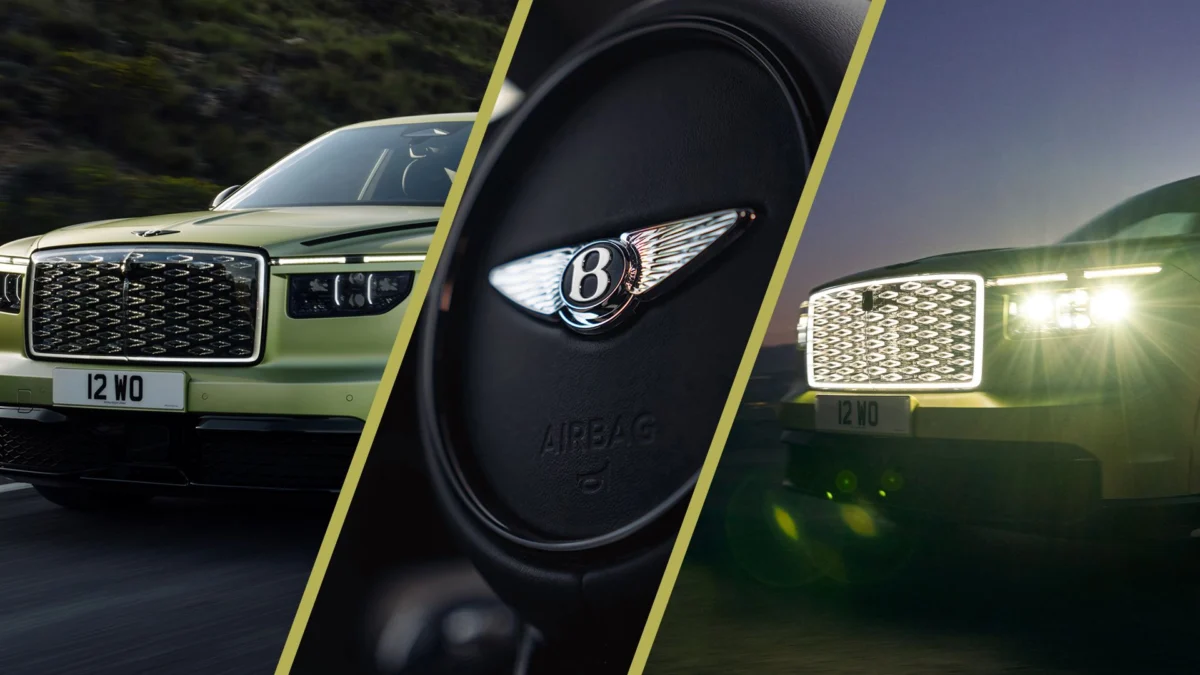
In the high-stakes theater of automotive luxury, the transition to electric power has become a battlefield for brand identity. Recently, the industry has watched as legacy titans like Jaguar and Ferrari faced a visceral, often hostile, reception from the public and loyalists alike regarding their electric vehicle (EV) design directions. Amidst this climate of skepticism and "rebrand fatigue," the arrival of the Bentley Torcal stands as a fascinating case study in restraint, heritage, and the careful curation of brand perception.
While critics have been quick to pick apart the disruptive aesthetic choices of other luxury marques, the Bentley Torcal—the British manufacturer’s first fully electric offering—has received a notably smoother reception. This begs a central question: Has Bentley mastered the art of evolution, or has it simply played it safe? By analyzing the design philosophy, engineering strategy, and the cultural resonance of the Torcal, we can discern how one of the world’s most prestigious carmakers is attempting to rewrite the rules of the electric era without losing its soul.
The Context: A Landscape of Controversy
To understand the significance of the Torcal’s reception, one must look at the recent volatility within the automotive design sector. Jaguar’s aggressive move to pivot toward a completely new, divisive visual language was met with widespread derision, with many fans feeling the brand had abandoned the very heritage that made it iconic. Similarly, Jony Ive’s collaboration on the Ferrari "Luce" sparked intense debate, with purists questioning whether the move toward minimalist, tech-forward design could ever capture the mechanical passion inherent to the Italian brand.
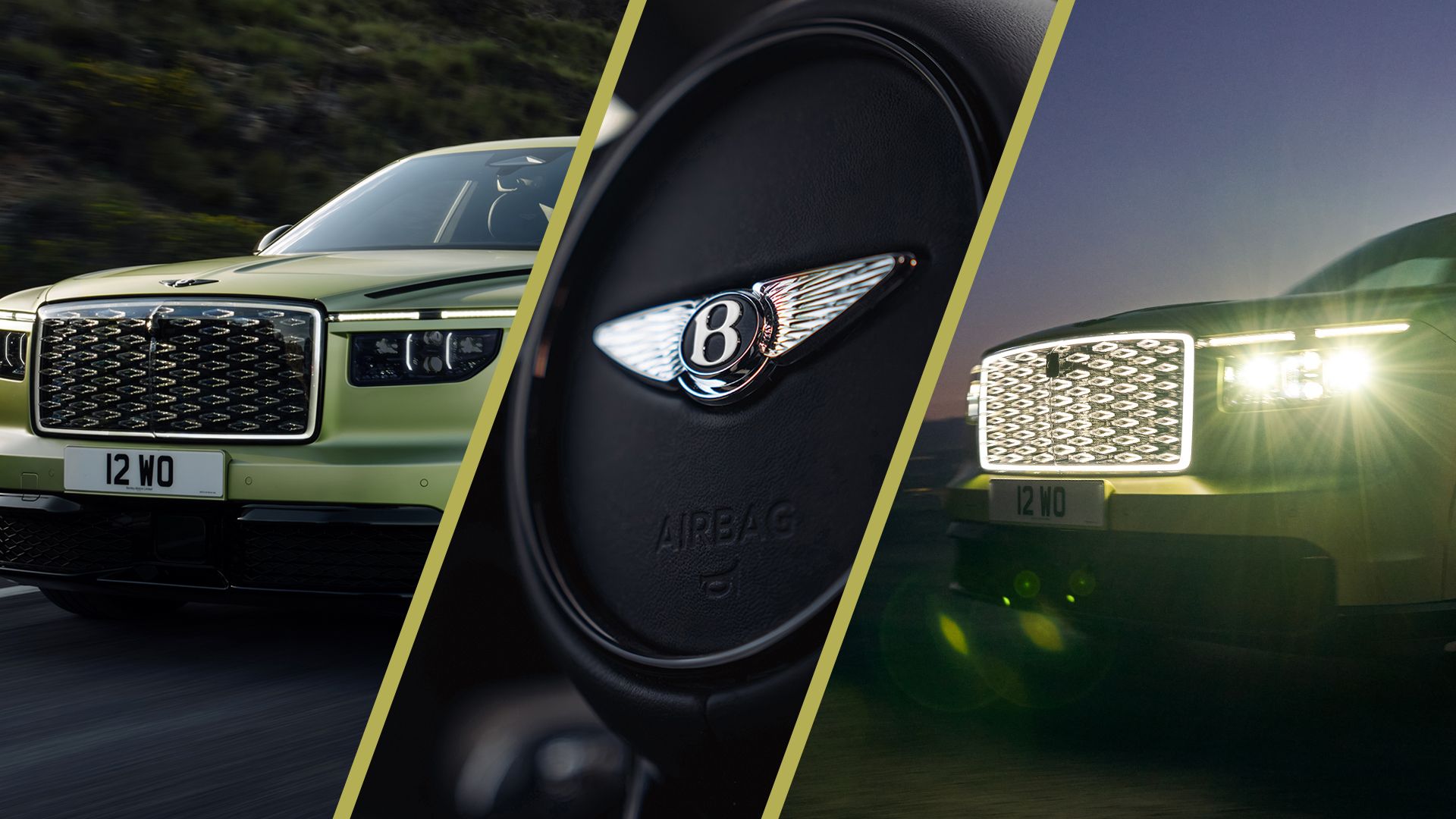
Against this backdrop, the Bentley Torcal arrives not as a shock to the system, but as a deliberate continuation of a legacy. Where others sought to "reset" their brand equity to appeal to a younger, digital-native demographic, Bentley appears to have doubled down on the qualities that have defined the marque for over a century: opulence, commanding presence, and craftsmanship.
Chronology: From Concept to Silent Reality
The path to the Torcal was paved with decades of anticipation. Bentley has long teased the electrification of its lineup, but the company famously resisted the temptation to rush a battery-electric vehicle (BEV) to market.
- 2020-2022: Bentley outlines its "Beyond100" strategy, committing to a fully electric product range by 2030. During this period, the brand focused on hybridizing its existing fleet—the Flying Spur and Bentayga—to test consumer appetite for electrified powertrains.
- 2023: Initial design sketches for the "Project Zero" (later revealed as the Torcal) began to circulate internally. Design Director Robin Page emphasized the need for "evolutionary, not revolutionary" aesthetics.
- Late 2025: The first camouflaged prototypes of the Torcal were spotted in the Andalusia region of Spain, the namesake inspiration for the car.
- September 2026: Official unveiling of the Bentley Torcal. The global launch event focused heavily on the synthesis of the "Bentley Dynamic Symphony" and the car’s structural DNA, moving away from the "gadget-first" marketing of tech-centric EV competitors.
Engineering and Performance: Numbers Meet Nuance
While the branding is focused on emotion, the engineering beneath the surface is undeniably impressive. The Torcal boasts a powertrain that delivers 876 horsepower and a staggering 996 lb-ft of torque. In an era where "ludicrous" acceleration has become a standard marketing claim for EVs, these figures ensure the Torcal is not just a luxury cruiser, but a formidable performance machine.
However, the true engineering feat lies in how this power is delivered. Bentley has focused on the "handcrafted" nature of the driving experience. Rather than allowing the silence of the electric motor to define the cabin, the engineering team worked alongside musicians to develop the "Bentley Dynamic Symphony." This is not a synthetic, digital whine, but a layered soundscape composed of viola, bass guitar, and percussion, designed to mimic the visceral resonance of the iconic V8 engines that have powered Bentleys for decades. This decision acknowledges a fundamental truth: the luxury consumer values the sensation of power as much as the data.
Design Philosophy: The Evolution of "The Great Bentley"
Design Director Robin Page has been vocal about the team’s guiding principle: the goal was not to reinvent the Bentley language, but to create "another great Bentley." This approach is the primary reason the car has avoided the backlash that hit Jaguar.
The Grille: A Point of Tension
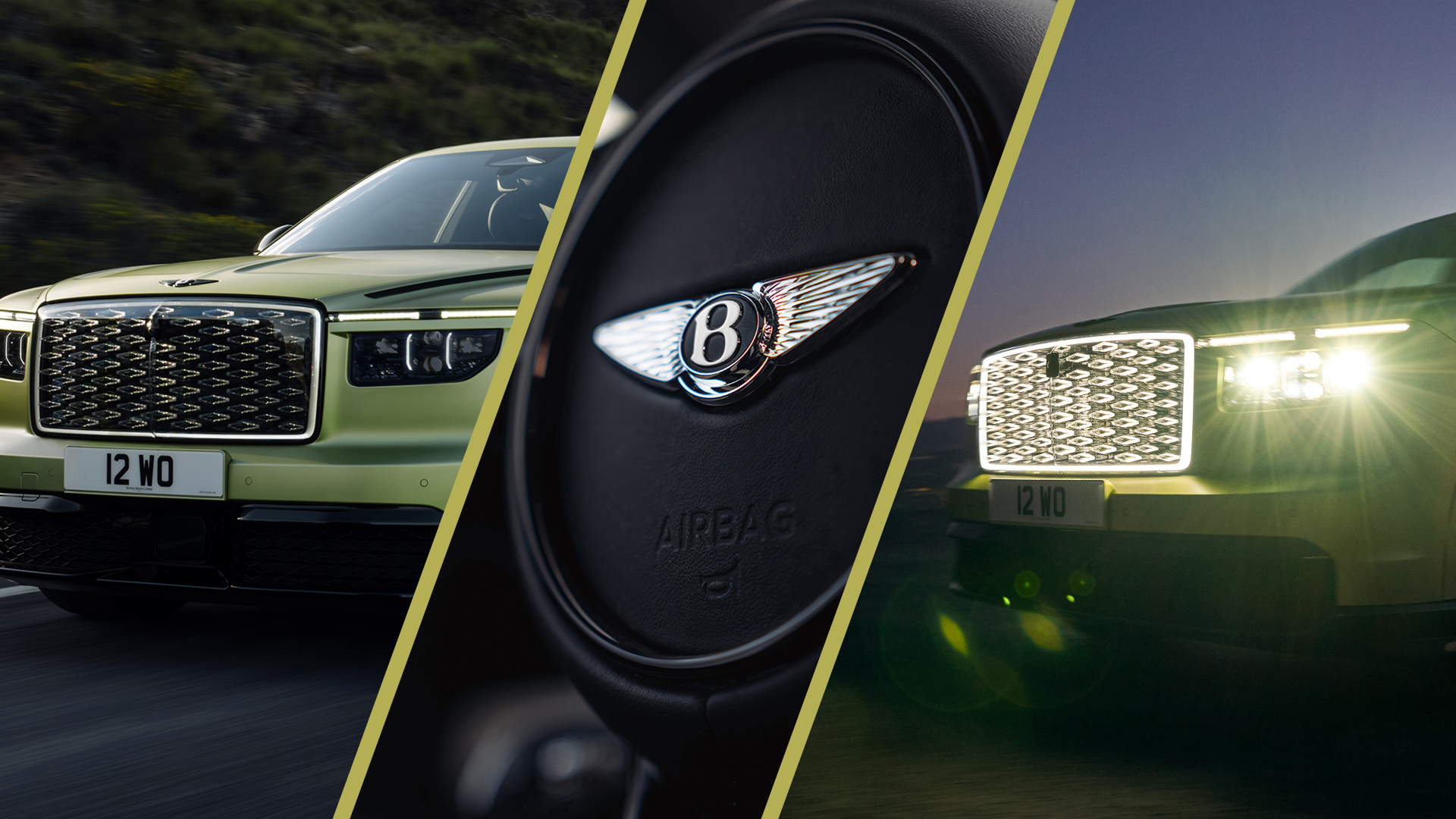
The most debated feature of the Torcal is undoubtedly its front grille. In an EV, where internal combustion engines no longer require massive airflow for cooling, the grille is purely aesthetic—a "skeuomorphic" design element that links back to a fossil-fuel past.
Some critics argue this is a failure of imagination. Yet, from a branding perspective, it is a masterstroke of continuity. The illuminated diamond pattern serves a dual purpose: it acts as a striking night-time identity for the vehicle while providing a visual anchor that makes the car instantly recognizable as a Bentley. It is "bling" that serves as a bridge, allowing existing customers to transition to electric propulsion without feeling as though they are driving a generic, anonymous appliance.
The Cabin: Tactility Over Screens
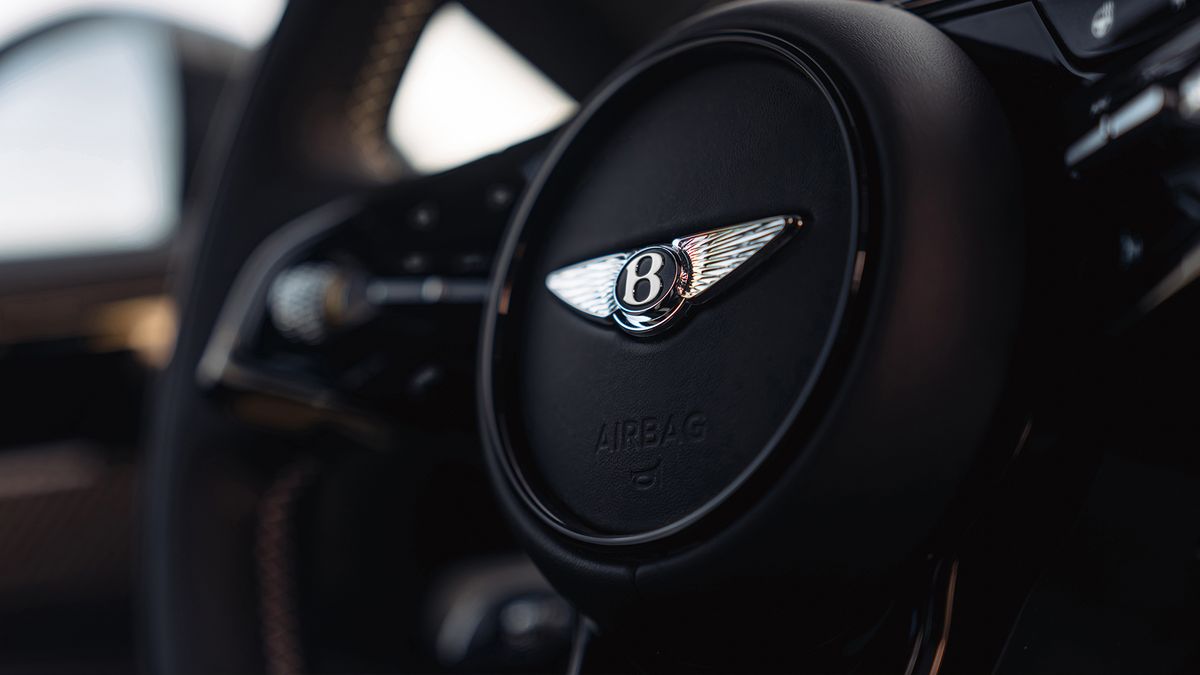
Inside, the Torcal defies the industry trend of replacing every surface with a high-definition screen. While the technology is certainly present, it is integrated into a landscape of wool, leather, and metal. The use of physical, weighted controls provides a tactile feedback that is missing in many of its competitors. By resisting the "digital-first" cabin, Bentley appeals to a demographic that views luxury as something tangible and permanent, rather than a flickering, software-dependent interface that will feel dated in three years.
Official Responses and Strategic Intent
In interviews following the launch, the leadership team at Bentley has consistently framed the Torcal as an "identity-consistent" evolution. They argue that the brand’s equity is not tied to the fuel source, but to the promise of craftsmanship and comfort.
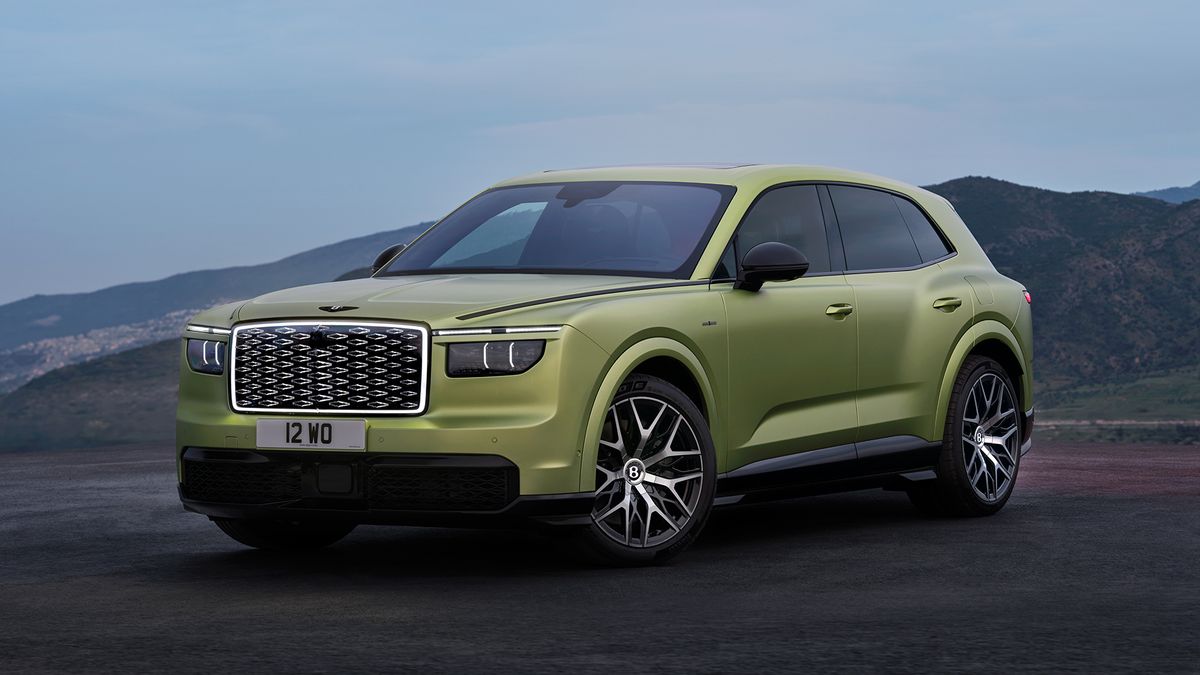
"We decided that our best route would be to embrace our heritage and DNA, but in a modern, progressive way," Robin Page noted in a recent interview. This narrative has been effectively communicated to the press and the public, positioning the Torcal as a "Bentley that happens to be electric," rather than "an electric car that happens to be a Bentley." This distinction is subtle but critical in maintaining the loyalty of high-net-worth individuals who demand consistency.
The Implications: Is There a Future for "Safe" Design?
The success of the Torcal raises a significant question for the automotive industry: Is it possible that the "disruptive" design era is coming to an end?
The backlash against Jaguar and Ferrari suggests that consumers are suffering from "innovation fatigue." When a brand with a century of history suddenly shifts toward a cold, hyper-minimalist, or alienating aesthetic, it risks losing its core base. Bentley’s approach proves that a brand can be progressive without being polarizing. By respecting its own visual heritage—long bonnets, powerful rear haunches, and a traditional, if updated, grille—Bentley has managed to market an electric car to people who may not even like electric cars.
The Market Challenge
The ultimate test remains whether this "safe" approach will actually drive sales. While the design is palatable, the market for ultra-luxury EVs is increasingly crowded. Can a brand that leans so heavily on the past effectively compete with the radical performance and tech-centric features of newcomers like Lucid or the high-end offerings from Porsche?
If the initial reception is any indicator, Bentley is betting that its customers value continuity and emotional resonance over the latest software features. The Torcal isn’t trying to be a smartphone on wheels; it is trying to be a piece of fine furniture that happens to move at 150 miles per hour.
Conclusion: The Luxury of Consistency
The Bentley Torcal is a testament to the power of brand identity. By choosing to evolve rather than destroy, Bentley has navigated the "EV transition" with a level of grace that its competitors clearly lacked. It serves as a reminder that for luxury marques, the product is not just the vehicle; it is the history, the reputation, and the emotional promise that the badge on the hood represents.
As the industry moves toward 2030, other manufacturers might do well to study the Torcal. In a world of rapid, often confusing change, sometimes the most "disruptive" thing a brand can do is to remain exactly who they are. Bentley has identified that the future of luxury isn’t about discarding the past—it’s about ensuring the past has a seat in the future. Whether this strategy will lead to long-term dominance in the electric segment remains to be seen, but for now, Bentley has successfully avoided the storm, proving that you don’t always need to tear down the house to make it modern.


 Suro Senen
 Nana Wu