

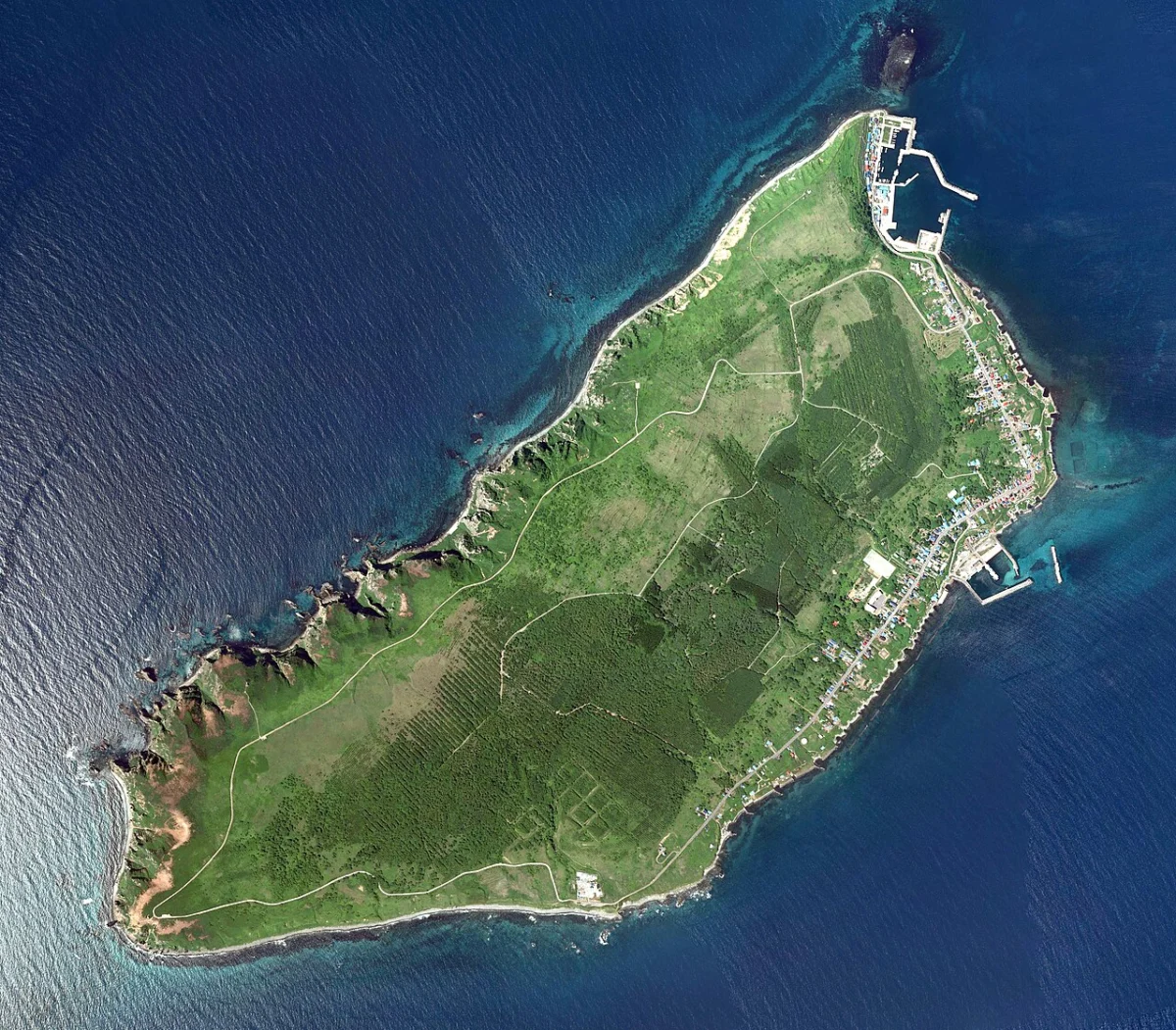
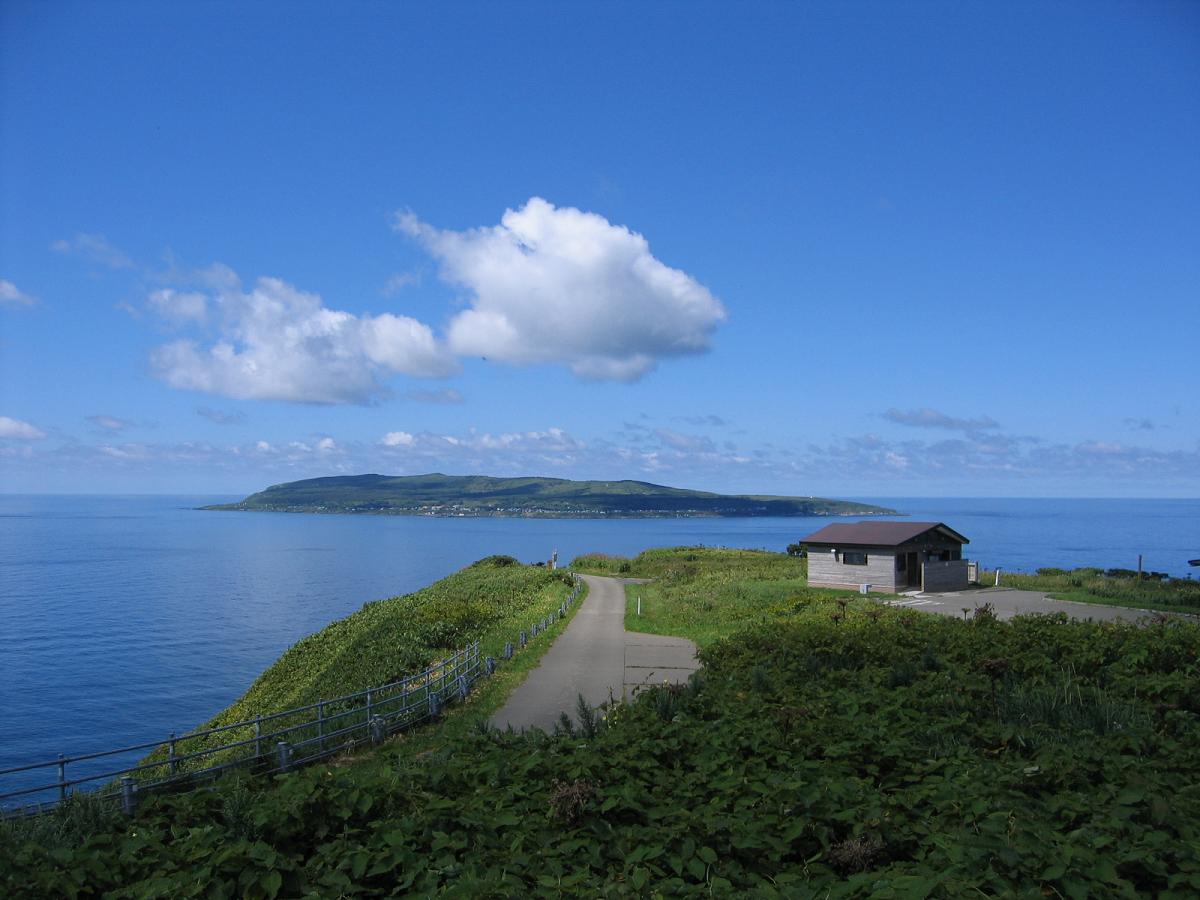
Halfway up the rugged, wind-battered Japan Sea coast of Hokkaido, 200 kilometres north of the prefectural capital of Sapporo, lies the small fishing town of Haboro. While it may appear to be a quiet, unassuming outpost, Haboro serves as the terrestrial gateway to an ornithological phenomenon of global significance. Twenty kilometres offshore, where the cold, nutrient-rich waters of the Tsushima Current collide with the continental shelf, two islands—Teuri and Yagishiri—host the largest concentrated seabird breeding colony in Japan.
For the intrepid traveler, the serious ornithologist, or the nature photographer seeking to escape the well-trodden paths of the standard Hokkaido tourist circuit, these islands represent a destination that demands, and rewards, profound logistical commitment.
Main Facts: An Ornithological Hotspot
The ecological importance of the Teuri-Yagishiri region cannot be overstated. Every spring, the basalt cliffs of Teuri Island become a hive of activity, supporting approximately 800,000 rhinoceros auklets (Cerorhinca monocerata). These birds are joined by eight other seabird species, including common murres, pelagic cormorants, spectacled guillemots, and black-tailed gulls.
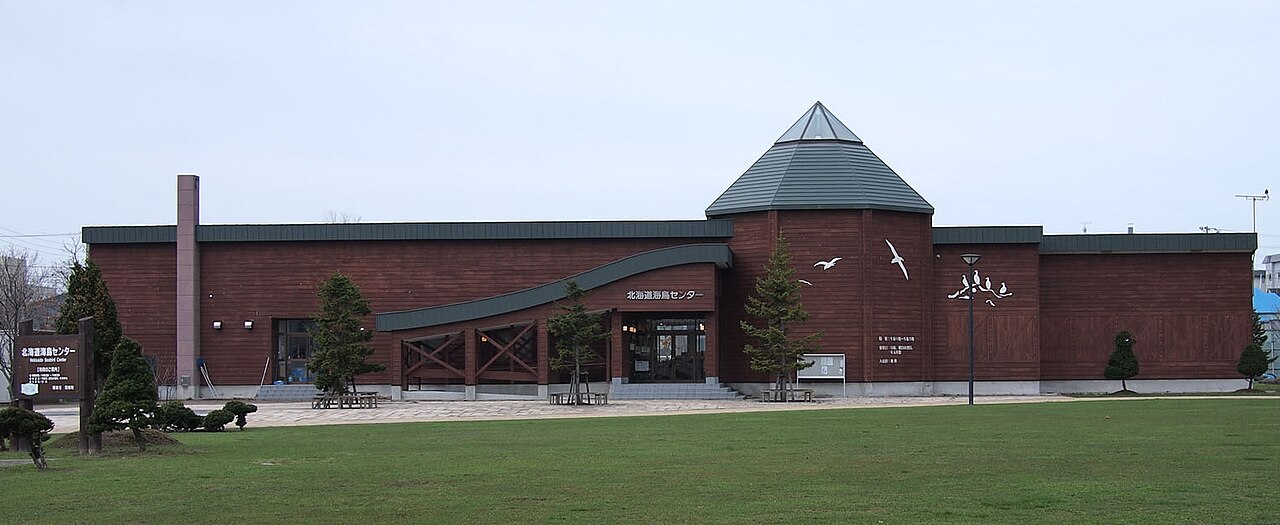
The logistical anchor for this remote ecosystem is the Hokkaido Seabird Center (Hokkaido Kaicho Senta). Opened in 1997, the facility serves a dual mandate: it is a public-facing educational museum and the administrative headquarters for the Ministry of the Environment’s intensive monitoring program.
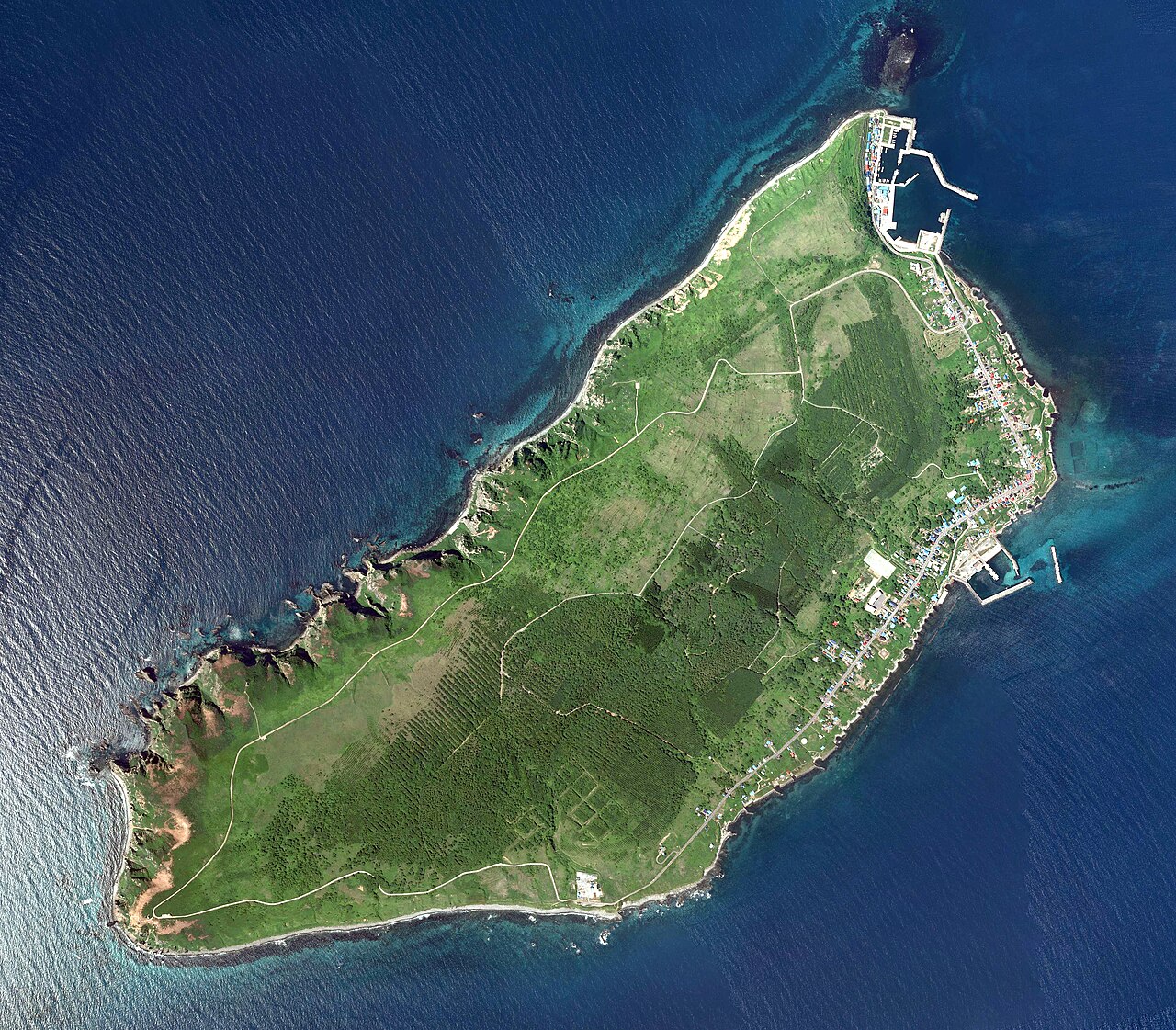
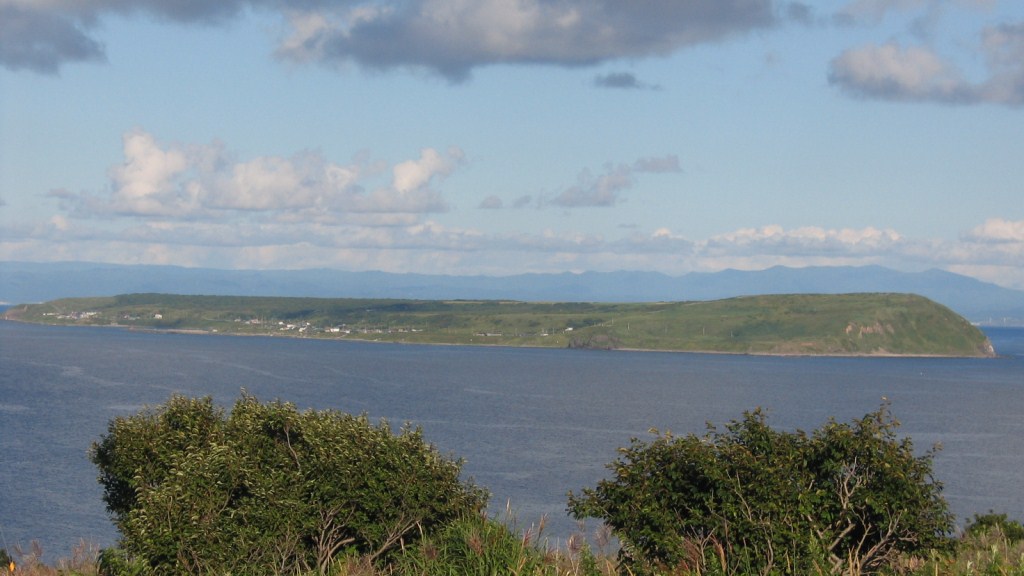
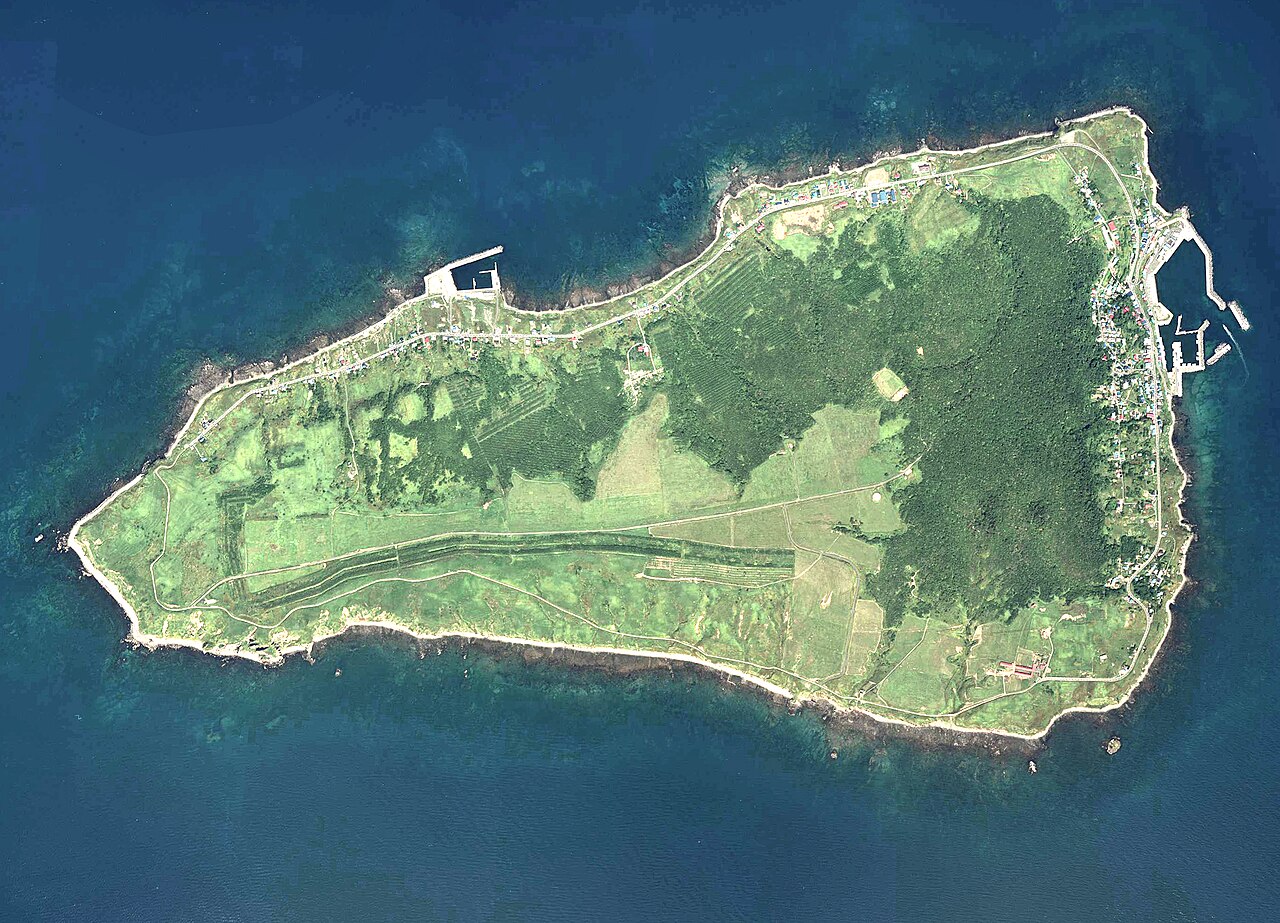
- Teuri Island: A 12km-circumference sanctuary primarily dedicated to avian life, featuring a dramatic 2km wall of seabird cliffs.
- Yagishiri Island: A 7km-circumference neighbor characterized by its unique primeval broadleaf forest and pastoral sheep-farming culture.
- Access: A two-hour ferry journey from Haboro, which stands as one of the most serene and isolated travel experiences in the Japanese domestic grid.
Chronology: A History of Conservation and Coexistence
The story of the Teuri-Yagishiri colonies is one of evolution and intervention. Historically, these islands were exploited for their resources, but the latter half of the 20th century saw a shift toward environmental stewardship.
- 1970s–1980s: A period of ecological decline, most notably marked by the collapse of the local tufted puffin population due to incidental catch in regional longline fisheries.
- 1997: The establishment of the Hokkaido Seabird Center, signaling a formal governmental commitment to scientific research and public education regarding the region’s marine biodiversity.
- 2010: The last confirmed breeding pair of tufted puffins was recorded, effectively marking the end of a native population but sparking a concerted effort to prevent similar tragedies for the remaining eight species.
- Present Day: The Center now works in tandem with the local fishing fleet to develop bycatch mitigation strategies, representing a modern model of industrial-ecological cooperation.
Supporting Data: Understanding the Colony Dynamics
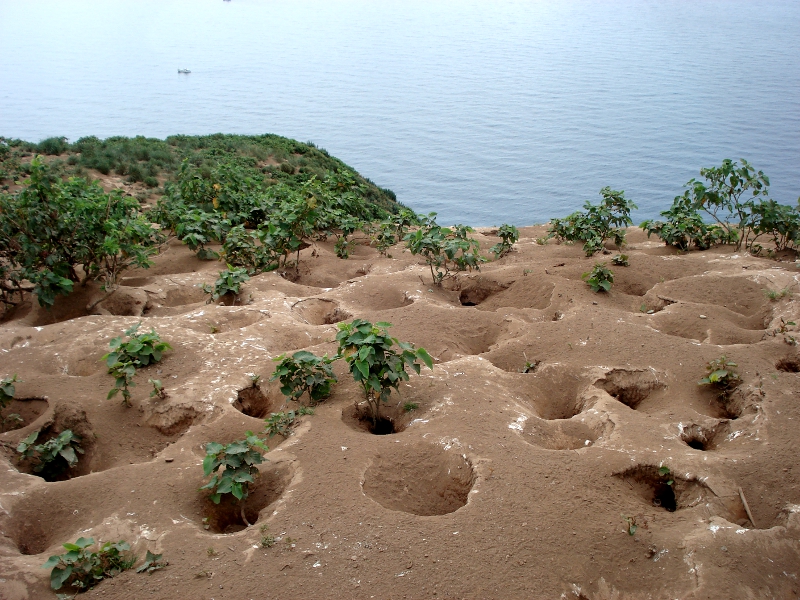
The "main event" for visitors is the rhinoceros auklet breeding cycle, which runs from mid-April through August. The birds are nocturnal or crepuscular, spending their daylight hours fishing in the open ocean and returning to their cliff-top burrows at dusk.
The Phenomenon of the Dusk Return
The return of the auklets is a spectacle of synchronization. Over a 30 to 45-minute window, the sky fills with thousands of birds returning in dense, rapid-fire flocks. They navigate with precision to their specific burrow entrances, creating a cacophony of sound and movement that is, for many, the highlight of a trip to the North Pacific.
Comparative Geography
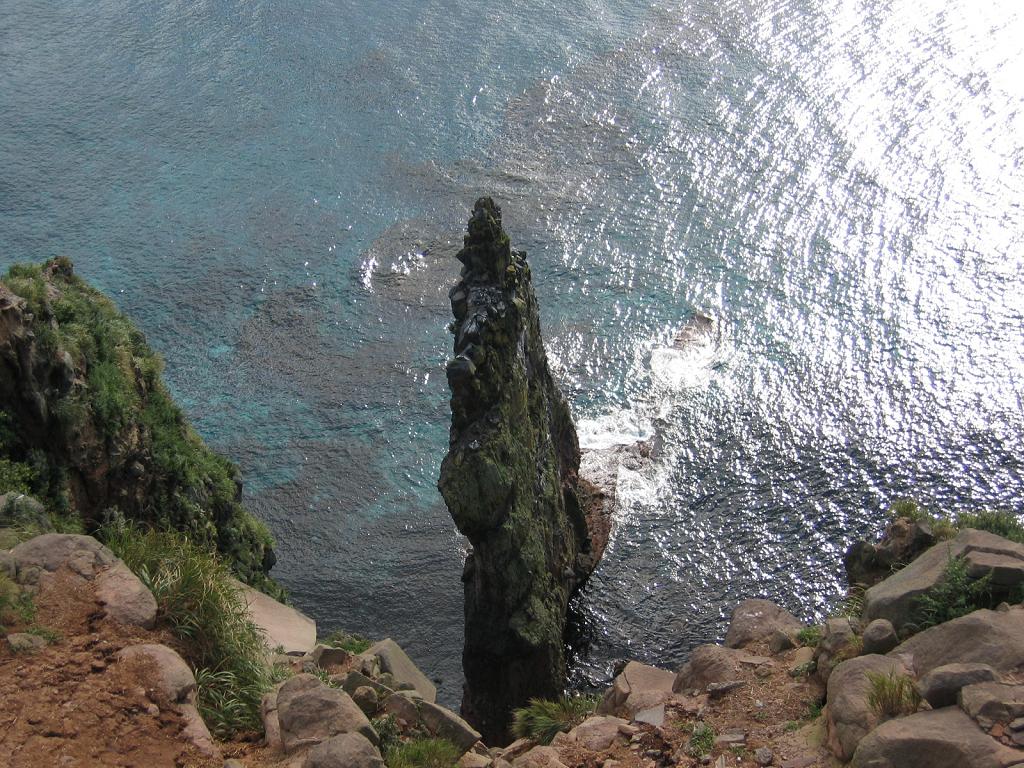
The basaltic nature of the cliffs on Teuri provides the essential architecture for this life cycle. The geological composition—a mix of hard basalt lava flows and softer, erodible tuff—creates the cavities and overhangs required for nesting. The horizontal white streaks visible on the rock faces are not geological features, but massive guano deposits accumulated over centuries of consistent colony usage.
Official Responses and Conservation Efforts
The Ministry of the Environment, through the Seabird Center, maintains a strict policy of "non-intrusive observation." This is clearly visible in the management of the Akaiwa Observatory, the primary viewpoint for the evening auklet return. The site is intentionally left unlit to avoid disrupting the nocturnal flight patterns of the birds.
The Role of Local Industry
One of the most critical aspects of the Center’s work is the mediation between conservationists and the local Haboro fishing fleet. Haboro’s economy relies heavily on hokke (atka mackerel), ikura (salmon roe), and uni (sea urchin). Historically, these industries competed with seabirds for resources and posed a threat through bycatch. The current collaborative efforts focus on:
- Gear Modification: Training fishermen in techniques that minimize accidental seabird entanglement.
- Data Sharing: Utilizing the fishing fleet as "eyes on the water" to report changes in fish stocks that directly affect seabird survival.
- Community Engagement: Through the Seabird Center’s exhibits, the local community has transformed from passive observers into active protectors of the birds that provide their town with its unique identity.
Implications: The Future of Deep-Travel
What are the implications for a traveler choosing to visit this remote corner of Japan?
The Value of "Slow Tourism"
This region is the antithesis of the "check-list" tourism found in Tokyo or Kyoto. The infrastructure—small minshuku, limited English signage, and weather-dependent ferry schedules—filters out those seeking convenience, leaving behind a space for those who value authenticity. The islands of Teuri and Yagishiri are, fundamentally, a case study in what remains when we step away from mass-tourism hubs.
The Challenges of Accessibility
For the uninitiated, the logistics can be daunting. The ferry service, operated by Haboro Enkai Ferry, is subject to the whims of the Japan Sea. In the winter months, cancellation rates can climb to 40%. This unpredictability is a defining feature of the experience; it necessitates patience, a buffer of extra days, and a willingness to embrace the possibility that the sea may dictate one’s schedule.
Recommendations for the Responsible Traveler
- Preparation is Key: While the Seabird Center provides excellent context, it is not a full-service tourist agency. Travelers should arrive with a basic command of Japanese or a reliable translation tool, as English support on the islands remains limited.
- Guided Expertise: Book the "Seabird Breeding Ground Guided Tour" or the "Rhinoceros Auklet Night Guide." Not only does this support the local economy and research efforts, but it ensures that your presence does not inadvertently damage the fragile burrow turf.
- Mindful Consumption: Haboro is a fishing town. Engaging with the local food culture—specifically the fresh uni and hokke—is a way to participate in the local economy that directly supports the community that protects the birds.
A Final Verdict
Is a trip to Haboro and its offshore islands worth the effort? For the casual traveler, the answer is likely no—there are easier, more comfortable ways to see Japan. However, for those who seek the "peripheral landscapes" of the archipelago—the places where the pulse of the earth and the cycle of the sea are still clearly audible—this journey is essential.
Whether you are watching the auklets swarm the cliffs at dusk, cycling the perimeter of Yagishiri under the watchful eyes of Suffolk sheep, or reading the history of the puffin’s decline at the Seabird Center, you are participating in a rare kind of travel: one that requires effort, rewards curiosity, and respects the delicate, silent sentinels of the Japan Sea. In a world of increasing homogenization, the islands of Teuri and Yagishiri remain, stubbornly and beautifully, themselves.












No comments yet. Be the first to join the conversation!