

By Oli Welsh
Published May 16, 2026, 8:01 AM EDT
Nintendo Switchboard Exclusive
(This article is part of Polygon’s weekly Switchboard newsletter, dedicated to all things Nintendo. Subscribe for early access to insights and analysis.)
Image: Grezzo/Nintendo
Main Facts: The Indispensable Partner in Nintendo’s Creative Pantheon
In the annals of video game history, the name Shigeru Miyamoto shines with unparalleled brilliance, synonymous with the genesis of some of the medium’s most iconic franchises. Yet, standing consistently by his side, a figure of profound, if often understated, influence has been Takashi Tezuka. While perhaps not a household name like Miyamoto, Tezuka was far more than a mere collaborator; he was the indispensable right-hand man, a co-architect whose unique vision and innovative spirit were pivotal in shaping the very DNA of Nintendo’s most beloved worlds. From the revolutionary side-scrolling mechanics of Super Mario Bros. to the expansive adventures of The Legend of Zelda, and later, the deeply personal and experimental narrative of Link’s Awakening, Tezuka’s fingerprints are indelibly pressed onto the masterpieces that defined generations of gaming. His career, spanning decades and culminating in active production roles on recent hits like 2023’s Super Mario Bros. Wonder and Pikmin 4, illustrates a continuous, evolving impact that few in the industry can claim.
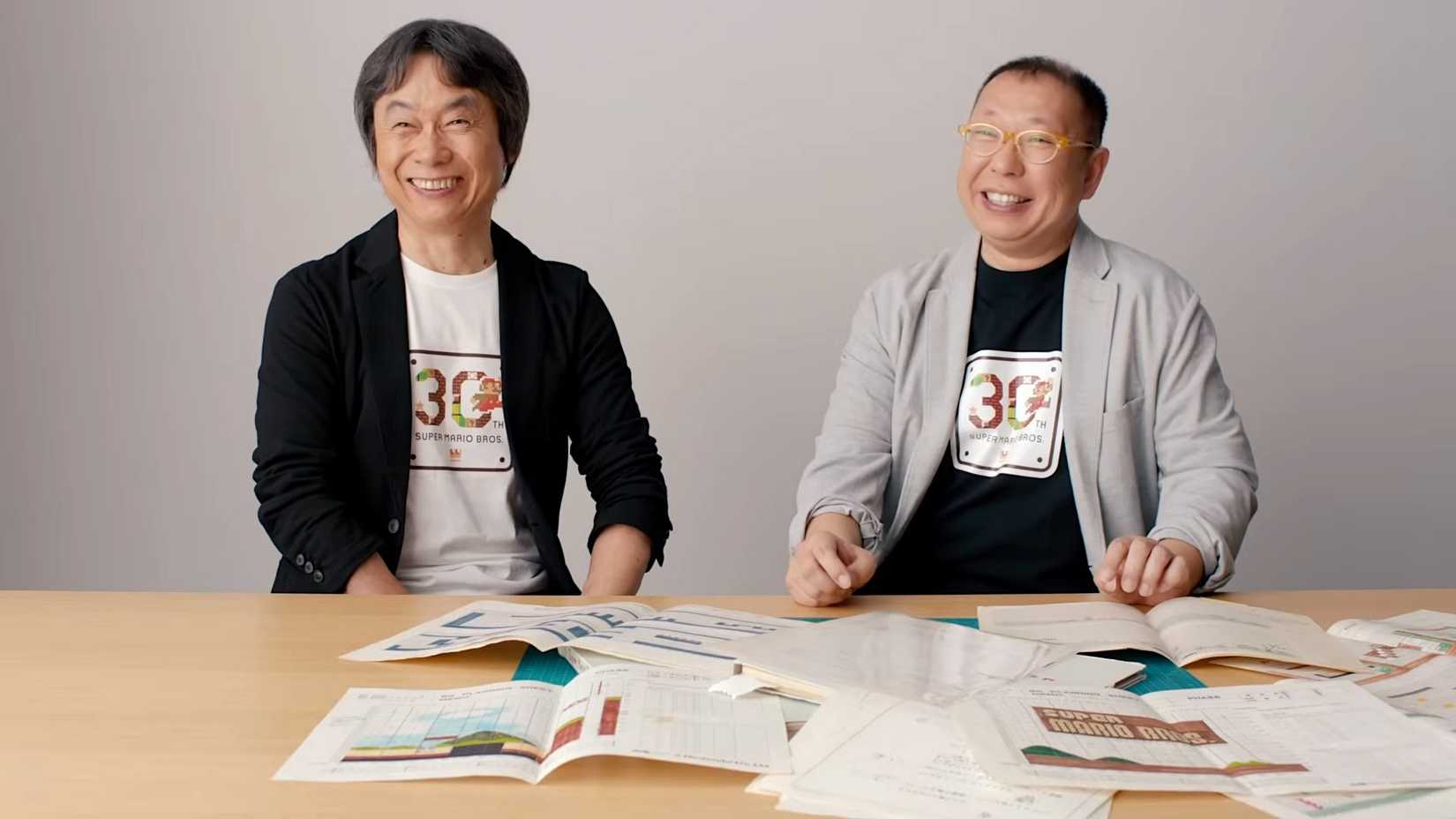
Tezuka’s story is one of serendipitous talent meeting unprecedented opportunity. A graphic designer by trade when he joined Nintendo in 1984, he possessed scant prior knowledge of video games—a fact that, paradoxically, might have been his greatest asset. Unburdened by existing conventions, he approached game design with a fresh perspective, contributing to a period of explosive innovation that fundamentally rewrote the rules of interactive entertainment. His partnership with Miyamoto wasn’t merely hierarchical; it was a dynamic, symbiotic relationship that saw two creative giants explore and expand the boundaries of a nascent medium, forging a legacy that continues to inspire and resonate across the global gaming landscape. His legacy is not just in the games he helped create, but in the enduring design philosophies and creative culture he helped embed within Nintendo itself.
Chronology: A Journey Through Nintendo’s Golden Age and Beyond
Takashi Tezuka’s entry into Nintendo in 1984 marked the beginning of a transformative era for both the company and the fledgling video game industry. Initially recruited for his graphic design skills, his trajectory from a fresh recruit to a pivotal creative force was remarkably swift and impactful.
The Formative Years: From Sprites to System-Sellers (1984-1986)
Tezuka’s earliest contributions to Nintendo were in sprite design for arcade titles like Punch-Out!!, a foundational experience that acquainted him with the pixelated canvas of video games. However, his true initiation into game design began almost immediately, assisting Shigeru Miyamoto on Devil World, Miyamoto’s first console game. This collaboration proved to be a crucible, preparing them for the monumental task ahead. Less than a year later, in 1985, the duo unleashed Super Mario Bros. upon the world. Credited as a co-designer, Tezuka played a crucial role in crafting the revolutionary platformer that defied virtually every existing game design convention. Its fluid movement, intricate level design, and emphasis on exploration over high scores redefined the industry, rescuing it from the throes of the 1983 video game crash. Tezuka’s lack of preconceptions about what a video game "should be" allowed for radical ideas to flourish, contributing to the game’s unparalleled success and lasting influence.
Following the seismic success of Super Mario Bros., the creative partnership between Miyamoto and Tezuka deepened. In 1986, they collaborated on The Legend of Zelda, a groundbreaking adventure game that pioneered the open-world genre and introduced players to the vast, mysterious land of Hyrule. Tezuka’s role was instrumental in shaping the game’s intricate world, character designs, and the very essence of its exploratory gameplay. This period established the core design principles that would come to define Nintendo’s approach: innovative mechanics, intuitive controls, and worlds rich with secrets and charm.
The SNES Zenith: Mastering Their Craft (1990s)
The early 1990s saw the Miyamoto-Tezuka partnership reach its creative apex with the advent of the Super Nintendo Entertainment System (SNES). They served as producer and director, respectively, on two of the console’s most iconic launch titles and early masterpieces: Super Mario World (1990) and The Legend of Zelda: A Link to the Past (1991).
- Super Mario World: Tezuka’s influence was particularly evident here. As the director, he helped introduce groundbreaking elements like Yoshi, Mario’s loyal dinosaur companion, which added a new layer of gameplay depth and character interaction. The game’s sprawling world map, secret exits, and innovative power-ups further solidified the Mario series’ reputation for continuous evolution. His keen eye for character design was crucial in bringing Yoshi to life, making him an instant fan favorite and a staple of the Mario universe.
- The Legend of Zelda: A Link to the Past: This title is often cited as one of the greatest video games of all time. As director, Tezuka oversaw the creation of its intricate dual-world mechanic, compelling narrative, and meticulously crafted dungeons. The game refined the top-down action-adventure formula established by its predecessor, setting a new benchmark for narrative depth and environmental puzzle-solving that would influence countless games to follow.
The Flowering of a Unique Vision: Link’s Awakening (1993)
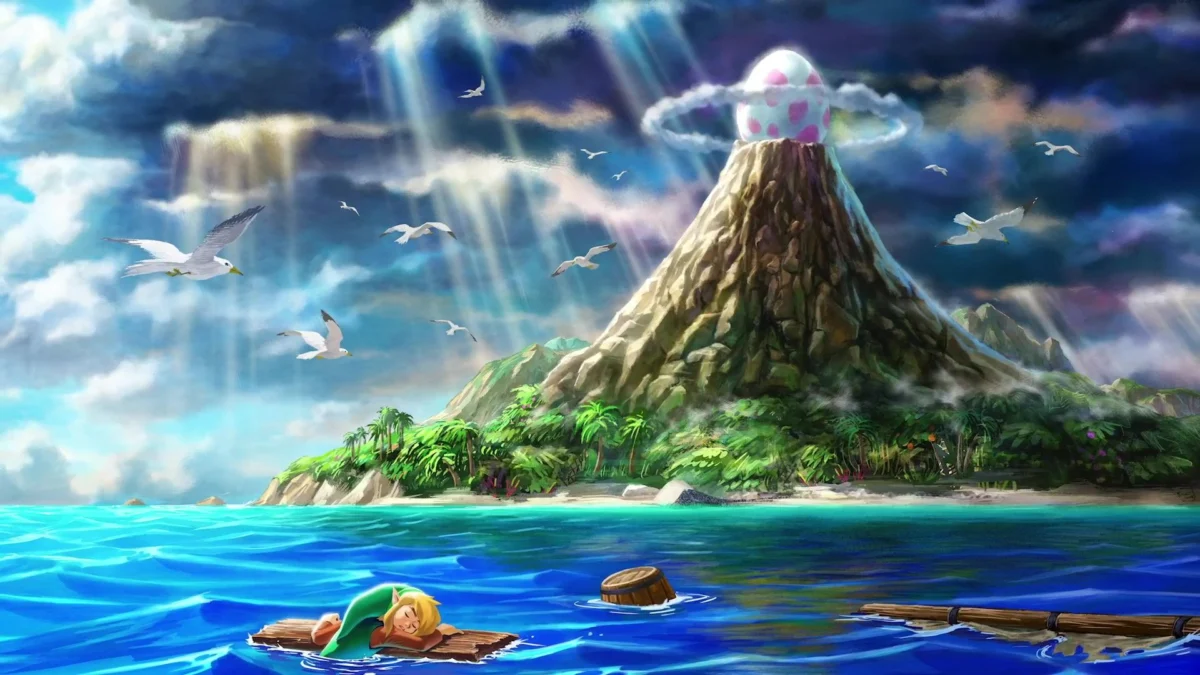
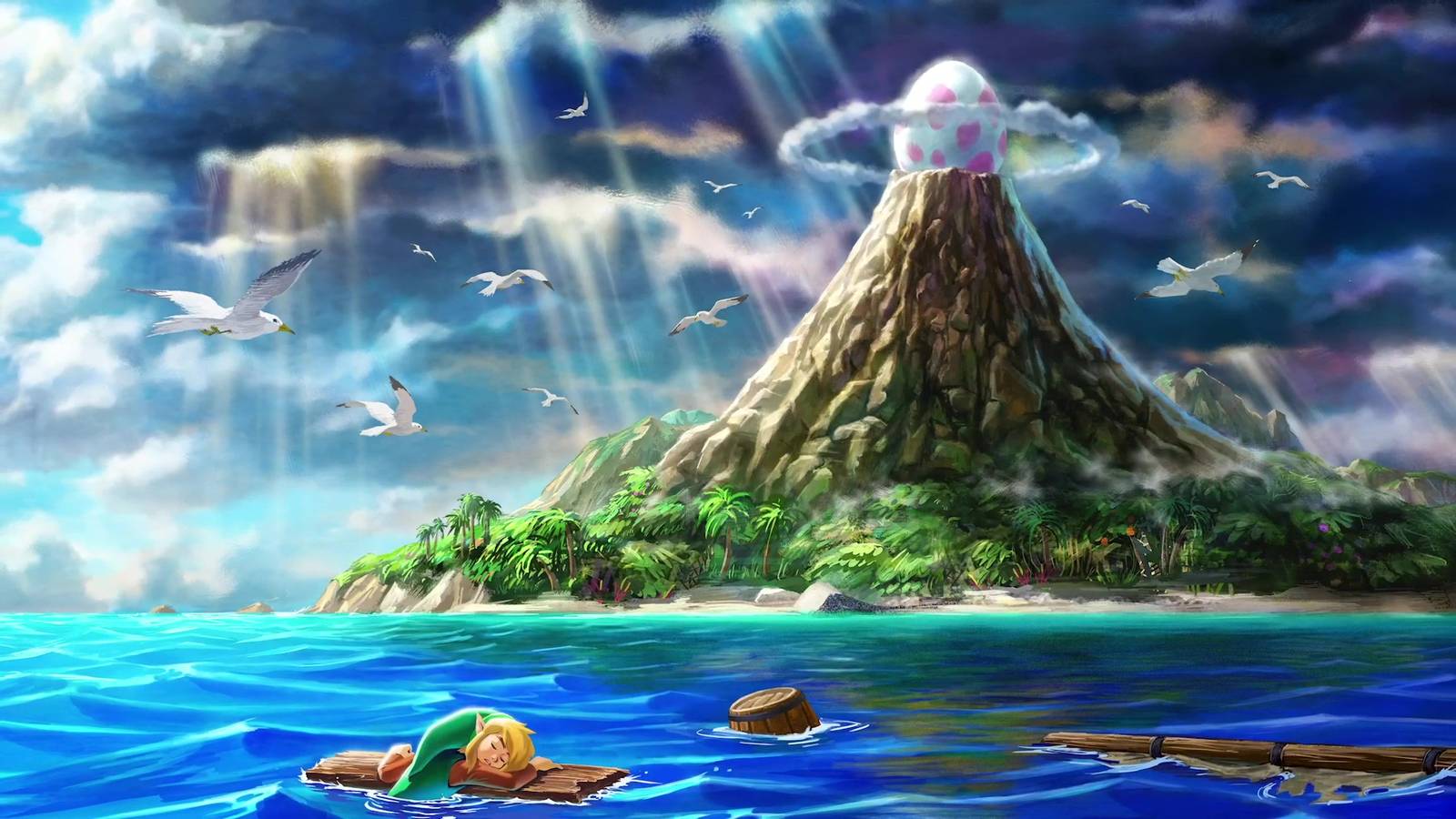
While his work on Mario and main Zelda titles cemented his status as a master craftsman, it was with The Legend of Zelda: Link’s Awakening for the Game Boy in 1993 that Tezuka’s distinct, "quietly oddball personality" truly shone through. Leading the project as its director, Tezuka embarked on an audacious creative experiment. As he later revealed in an "Iwata Asks" interview with Nintendo’s then-President Satoru Iwata, his impetus was to strip away the established accoutrements of the still-young Zelda series – the Triforce, the land of Hyrule, and even Princess Zelda herself.
Instead, Tezuka aimed to create "almost a parody" of a Zelda game, drawing inspiration from the surreal, character-driven mystery of David Lynch’s then-popular TV show Twin Peaks. This influence manifested in a narrower focus on an eccentric cast of characters behaving in suspicious, off-kilter ways on the mysterious Koholint Island. Tezuka also displayed an impudent, post-modern streak, deliberately sneaking in characters and elements from other Nintendo franchises like Mario and Kirby into this standalone adventure. Link’s Awakening deconstructed Zelda‘s traditional fantasy tropes, introducing a mildly satirical, melancholic, and subtly sinister undertone that has resonated with the series ever since, paving the way for future experimental Zelda titles. It was a testament to his creative courage and Nintendo’s willingness to allow its key designers significant artistic freedom.
Later Career and Enduring Influence (2000s-Present)
As Nintendo evolved, so too did Tezuka’s role. While he never fully stepped away from hands-on creative input, he gradually transitioned into more supervisory and producer roles, becoming a vital mentor and guardian of Nintendo’s core design philosophy. His fingerprints are still discernibly present across a vast array of Nintendo’s output, particularly within the Mario, Zelda, and Pikmin series.
His executive producer credits on games like Pikmin 4 and Super Mario Bros. Wonder (both 2023) highlight his continuous engagement with the creative process. In these roles, Tezuka acts as a cultural anchor, ensuring that new generations of developers internalize and build upon the foundational principles he helped establish. This shift speaks to Nintendo’s unique ability to retain and leverage the institutional knowledge of its longest-serving creative minds, ensuring a consistent thread of innovation and quality across its diverse portfolio.
Supporting Data: The Tezuka Touch – Innovation Through Unconventional Wisdom
The impact of Takashi Tezuka’s contributions is best understood through the lens of specific design philosophies and innovations he championed. His journey from an outsider with "scant knowledge of video games" to a leading creative mind profoundly shaped Nintendo’s approach to interactive entertainment.

One of Tezuka’s defining characteristics was his willingness to challenge established norms. When he joined Nintendo, the video game industry was still in its infancy, and its "rules" were largely unwritten. This lack of pre-conceived notions allowed him to approach design problems with unparalleled freedom. For instance, in Super Mario Bros., the concept of a side-scrolling platformer with dynamic enemy patterns, power-ups, and a sense of forward momentum was revolutionary. While Miyamoto conceived the core idea, Tezuka’s graphic design background was crucial in making the game’s world visually coherent and engaging, translating abstract ideas into tangible, interactive environments. The iconic mushroom power-up, for example, which literally transforms Mario’s capabilities, is a testament to the duo’s imaginative approach to player progression and interaction.
The co-creation of Yoshi for Super Mario World exemplifies Tezuka’s knack for adding layers of charm and gameplay depth. Yoshi wasn’t just a new character; he was a new mechanic, allowing Mario to ride, flutter-jump, and swallow enemies, fundamentally altering how players navigated levels. This innovation showcased a playful yet strategic mind, always looking for ways to enhance player agency and inject personality into the gameplay.
However, it is Link’s Awakening that perhaps offers the clearest window into Tezuka’s unique creative spirit. The decision to remove core Zelda elements—Hyrule, Zelda, the Triforce—was a bold, almost subversive move. This wasn’t merely an act of rebellion but a deliberate deconstruction, an attempt to understand what truly made Zelda compelling by stripping away its most familiar trappings. The inspiration from Twin Peaks speaks volumes about his artistic sensibilities. Twin Peaks was known for its small-town eccentricities, its blend of the mundane with the surreal, and its unsettling undercurrents. Tezuka translated this into a game world populated by quirky, memorable characters, where the line between reality and dream was constantly blurred. The inclusion of characters from Mario and Kirby was not just fan service; it was a meta-commentary, breaking the fourth wall and adding to the game’s dreamlike, almost self-aware quality. This experimental approach proved hugely successful, both critically and commercially, demonstrating that the Zelda series could thrive beyond its traditional lore and setting, opening doors for future thematic explorations.
Tezuka’s role in cultivating a strong, internal design culture at Nintendo cannot be overstated. His gradual shift into supervisory and producer roles allowed him to disseminate his wealth of knowledge and experience to younger developers. This mentorship ensures that the core tenets of Nintendo’s game design – intuitive controls, joy of discovery, and meticulous polish – are perpetuated across generations of titles. His continued presence on projects like Pikmin 4 and Super Mario Bros. Wonder is not merely ceremonial; it represents a living connection to the foundational principles that made Nintendo a global powerhouse, subtly guiding the evolution of its most cherished franchises.
Official Responses: Nintendo’s Embrace of Creative Mentorship
While explicit "official responses" in the form of press releases about Tezuka’s specific impact are rare, Nintendo’s actions and the statements of its leaders, particularly those from the late Satoru Iwata, paint a clear picture of the company’s profound respect for Takashi Tezuka and its strategic embrace of his mentorship. The "Iwata Asks" series, in particular, served as an invaluable platform for Nintendo to document its creative history and acknowledge the contributions of its key developers. Tezuka’s appearances in these interviews reveal not only his humility but also the depth of his creative thinking and the collaborative spirit that defined his work with Miyamoto and others.
Nintendo’s enduring corporate philosophy emphasizes internal talent development and the passing down of creative wisdom. The company doesn’t typically hire external "star" designers to helm its flagship titles; instead, it nurtures talent from within, allowing seasoned veterans like Tezuka to guide and inspire newer generations. This approach is a direct reflection of Tezuka’s own career trajectory and his evolution from hands-on designer to a vital supervisory figure. By allowing him to gradually shift into more oversight roles, Nintendo effectively institutionalized his design principles, ensuring that the "Tezuka touch" – characterized by its blend of innovation, charm, and subtle eccentricity – continues to influence its future products.
In numerous interviews over the years, Miyamoto himself has consistently acknowledged Tezuka’s critical role, often referring to him as an essential partner whose input was invaluable. This mutual respect and deep understanding formed the bedrock of their legendary partnership. The very fact that Tezuka remained a central figure, consistently credited on major titles even as he moved into broader production roles, underscores Nintendo’s official recognition of his irreplaceable contributions to its creative identity and commercial success. His influence is not just celebrated; it is actively integrated into the company’s ongoing development pipeline, a testament to a unique corporate culture that values sustained creative legacy.
Implications: The Unseen Hand Shaping Nintendo’s Future
Takashi Tezuka’s legacy extends far beyond the individual games he helped create; it is woven into the very fabric of Nintendo’s design philosophy and creative culture. His influence has several profound implications for the company’s past, present, and future.
Firstly, Tezuka demonstrated that a fresh perspective, unburdened by industry norms, can lead to groundbreaking innovation. His entry into game design with "scant knowledge" in the 1980s allowed him and Miyamoto to conceive Super Mario Bros. and The Legend of Zelda from first principles, rather than iterative improvements on existing models. In an industry that often risks becoming insular, Tezuka’s initial outsider status serves as a perpetual reminder within Nintendo of the value of looking beyond conventional wisdom.
Secondly, his creative journey, especially with Link’s Awakening, highlighted the importance of allowing designers the freedom to experiment and deconstruct established franchises. Link’s Awakening proved that beloved series could evolve by shedding expectations and embracing unique artistic visions. This precedent has likely fostered a culture within Nintendo that encourages creative risk-taking, even with its most precious IPs, leading to diverse entries within the Mario and Zelda universes that explore different tones and mechanics.
Thirdly, Tezuka’s gradual transition from a direct designer to a supervisory role exemplifies Nintendo’s sophisticated approach to succession planning and knowledge transfer. In an industry notorious for rapid staff turnover and the loss of institutional memory, Nintendo has managed to retain its core creative minds and empower them to mentor the next generation. This ensures that the foundational precepts of Nintendo’s game design – intuitive controls, a sense of wonder, and meticulous polish – are not just preserved but actively taught and adapted by new talent. His continued presence means that the lessons learned from the genesis of Mario and Zelda are still informing the development of games like Super Mario Bros. Wonder and Pikmin 4, ensuring a consistent quality and distinct "Nintendo feel."
Finally, Tezuka’s story underscores the power of collaborative genius. The narrative often centers on individual "auteurs" in game development, but Tezuka’s career is a powerful argument for the strength of sustained, synergistic partnerships. His relationship with Miyamoto was not one of subordinate and superior, but of two equals pushing the boundaries of creativity together. This model of collaborative excellence is a hallmark of Nintendo’s development studios, where teams are encouraged to share ideas and build upon each other’s strengths.
In a rapidly changing industry, Nintendo’s greatest strength remains its ability to absorb the unique thought patterns of its finest minds and inculcate them in successive new generations of talent. You can call this strong company culture, or sound succession planning; you can also call it teaching and mentorship. In this climate, Tezuka’s gradual (and never total) shift into more supervisory roles only deepened the roots of his influence. He will be missed when he eventually retires, but his spirit and methodology are still there in everything Nintendo makes now, and everything it will make in the future.
eShop Game of the Week: TetherGeist
Image: O. and Co. Games/Out of Space Games
This week, we spotlight TetherGeist, a demanding precision platformer that evokes the challenging spirit of modern classics like Celeste. Developed by O. and Co. Games and published by Out of Space Games, TetherGeist introduces an intriguing core mechanic: the protagonist can temporarily detach her spirit from her body. This innovative gameplay element is expertly woven into both complex environmental puzzles and rigorous skill-based challenges, requiring players to master precise timing and strategic planning. The game has garnered significant critical acclaim, with Nintendo Life’s 8/10 review praising it as "Filled with fresh ideas." It’s a testament to the thriving indie scene on the eShop, offering a deep and rewarding experience for those who appreciate a true test of platforming prowess.
Nintendo Music Track of the Week: "Opening Theme" from Star Fox (2026)
Anticipation is building for the upcoming Star Fox 64 remake, set to launch on the next-generation Switch 2 console. As a tantalizing preview, Nintendo has graced its Nintendo Music platform with 10 tracks from the remake’s soundtrack. Our pick for the week is the "Opening Theme," a majestic, full-orchestral arrangement that channels the epic, cinematic grandeur of John Williams’ iconic scores. The reimagined tunes elevate the original compositions to new heights, delivering a powerful auditory experience that perfectly sets the stage for high-stakes space combat. This release not only celebrates the enduring appeal of the Star Fox franchise but also hints at the enhanced audio capabilities of Nintendo’s next console.
Nintendo Classics Game of the Week: Star Fox 2
With the excitement surrounding the Star Fox (2026) remake, there’s no better time to delve into one of the true hidden treasures of Nintendo’s legacy: Star Fox 2. Available through the Nintendo Classics service, this game holds a unique place in history as the never-officially-released follow-up to the original SNES Star Fox. Despite being completed, it was shelved in favor of developing Star Fox 64. For over 30 years, it remained a legendary "lost game" until its official release on the Super NES Classic Edition, and subsequently, Nintendo Switch Online. Star Fox 2 offers a fascinating glimpse into what could have been, featuring real-time strategy elements, branching mission paths, and transforming Arwing fighters. It’s the only direct sequel the original SNES game ever received, providing a satisfying and historically significant experience for fans looking to deepen their understanding of the franchise’s evolution.
This Week’s Most Interesting Releases
The eShop continues to deliver a diverse array of new titles. Here are a few notable releases that caught our eye this week, promising unique experiences for Nintendo Switch and Switch 2 owners:
- Sektori: A stylish, fast-paced arcade shooter that blends retro aesthetics with modern gameplay mechanics, offering challenging levels and tight controls for competitive players.
- Perfect Tides: Station to Station: An atmospheric narrative adventure that delves into themes of youth, isolation, and connection, presented with a distinctive art style and an emotionally resonant story.
- Farming Simulator 26: Nintendo Switch Edition: The latest iteration of the popular simulation series, optimized for Nintendo’s hardware, allowing players to manage their virtual farms on the go with enhanced graphics and new features.
- R-Type Dimensions 3: A continuation of the classic shoot ’em up series, offering updated visuals, new stages, and a variety of playable ships, blending nostalgic arcade action with contemporary design elements.










No comments yet. Be the first to join the conversation!