

By Craig Robinson, Senior Editor | Updated: May 22, 2026
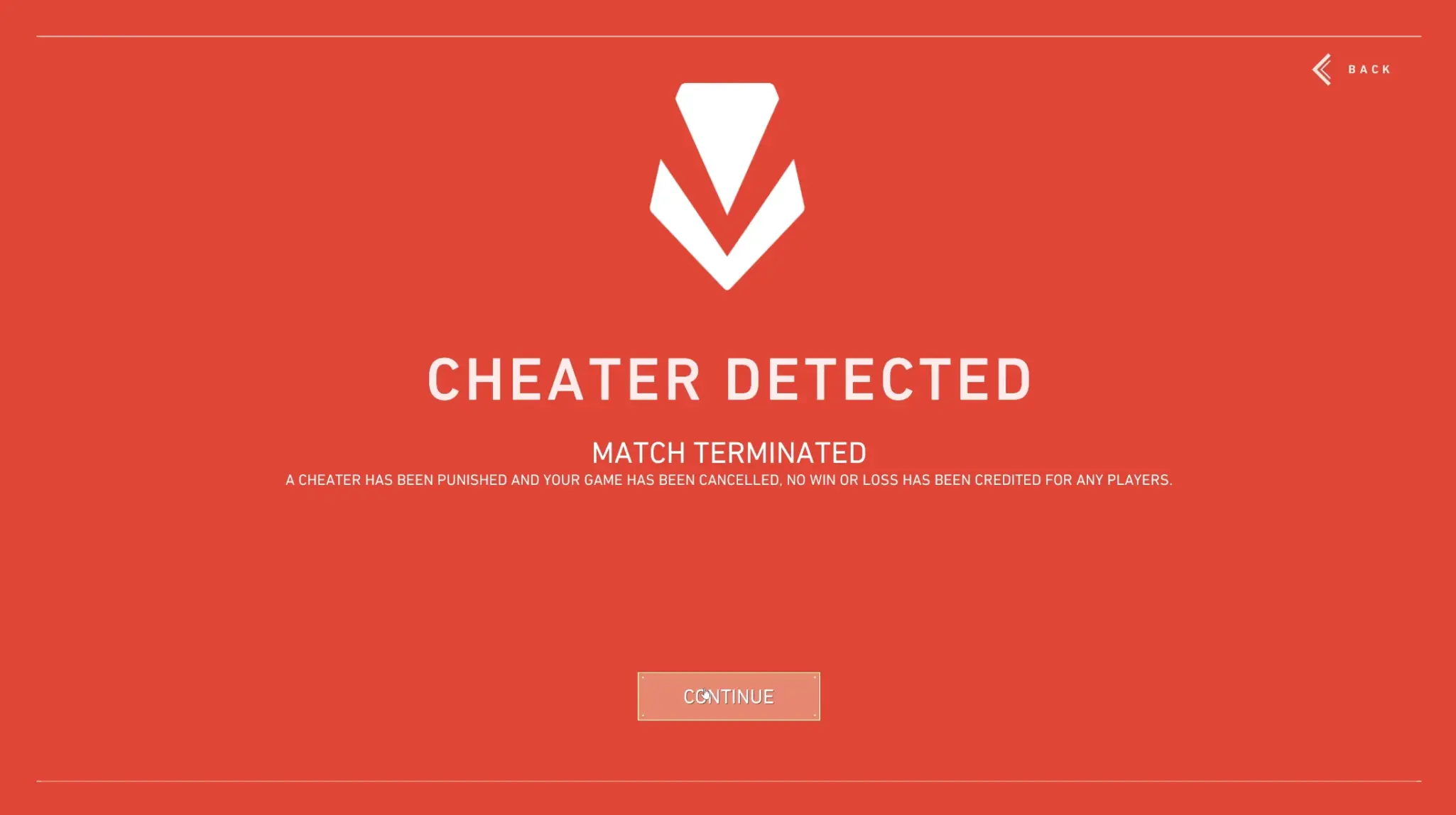
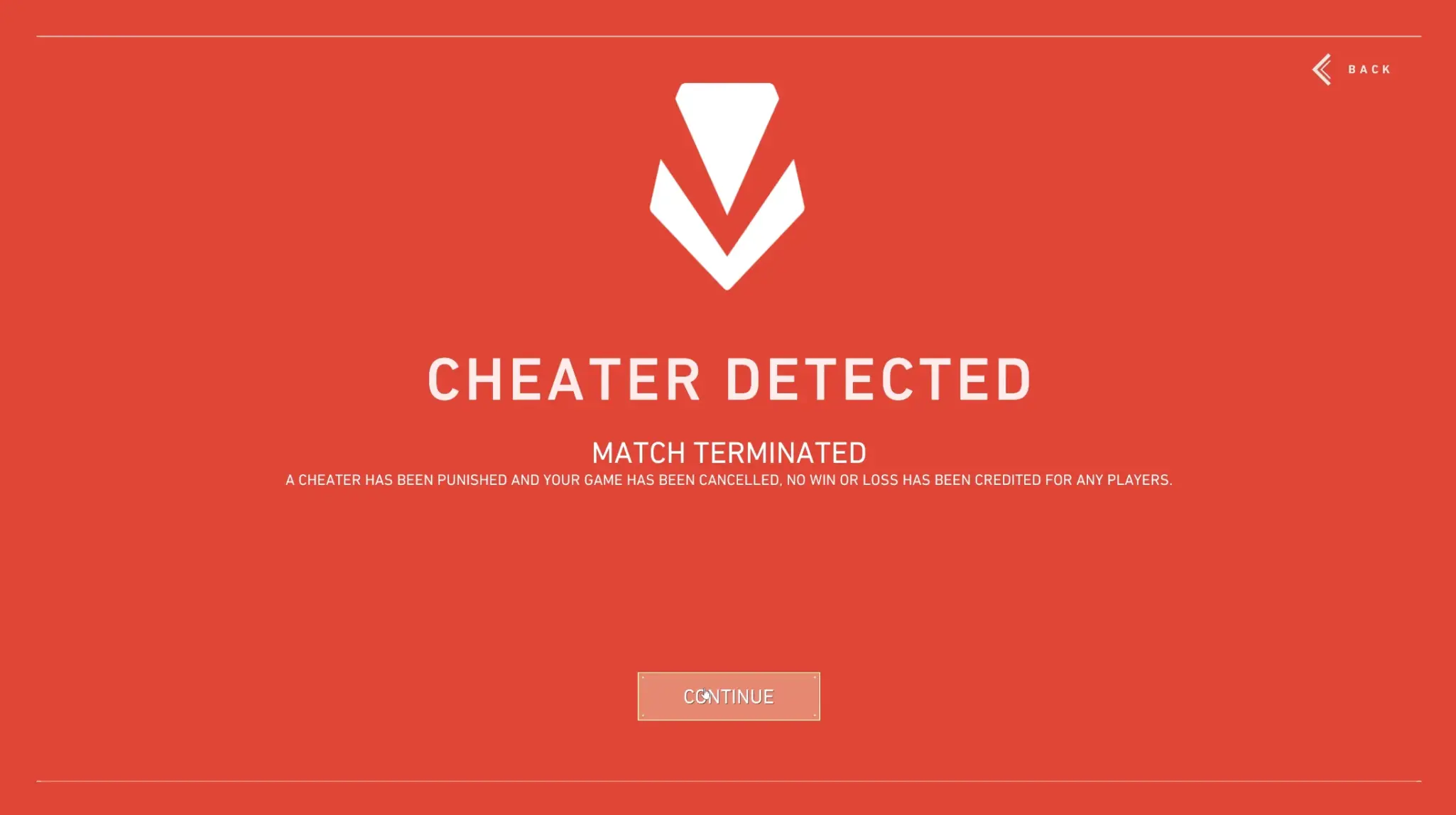
In the perpetual high-stakes arms race between game developers and cheat creators, Riot Games has just deployed a tactical nuke. The developer’s proprietary anti-cheat system, Vanguard, has implemented a sweeping update that effectively neutralizes a significant portion of Direct Memory Access (DMA) cheats—a sophisticated method of cheating that has long plagued the Valorant ecosystem.
This latest offensive by Riot’s security team has sent shockwaves through the illicit gaming software market. By targeting the fundamental communication between external DMA hardware and the host PC’s operating system, Vanguard has rendered many high-end cheating setups not just ineffective, but potentially catastrophic for the user’s system stability.
The Evolution of the Cheat: Understanding DMA
To grasp the magnitude of this update, one must understand the evolution of cheat technology. Historically, "software cheats" ran on the same machine as the game. These were relatively easy to detect, as anti-cheat programs could scan the PC’s active memory for unauthorized processes, hooks, or injections.
DMA cheats changed the game entirely. By utilizing a secondary piece of hardware—usually a PCIe card installed into the host computer—cheaters could offload the processing of their illicit software to a completely separate, external device. This external machine pulls raw data from the host’s RAM, such as player coordinates, line-of-sight status, and ammunition counts, and displays them as an overlay. Because the cheat software never touches the host OS, standard kernel-level anti-cheat programs often found themselves blind to the activity.
These cards are typically masked behind custom firmware, disguised as benign hardware like network interface cards or storage controllers. The ongoing battle has been defined by a constant struggle: cheat developers create firmware to mimic legitimate devices, and anti-cheat teams refine their detection to unmask them.
The Chronology of the Conflict: From Detection to Countermeasure
The recent escalation began when reports surfaced on platforms like Discord and X (formerly Twitter), popularized by security researchers and hobbyists, detailing a sudden, catastrophic failure of DMA setups running on SATA and NVMe firmware.
1. The Trigger
Riot Games, having identified the signature of these DMA devices, updated Vanguard to aggressively enforce IOMMU (Input-Output Memory Management Unit) protocols. IOMMU is a vital hardware-level security feature integrated into modern motherboards that dictates which peripheral devices have access to specific segments of system memory.
2. The Implementation
When a user attempts to launch Valorant while a suspected DMA device is active, Vanguard now proactively initiates an IOMMU restart warning mid-game. This is not merely a "kick to lobby" message. The system attempts to restrict the unauthorized hardware’s access to the game’s memory space.
3. The Aftermath
For those using specialized DMA hardware, the result has been disruptive. Reports indicate that once this trigger occurs, the devices become non-functional. Many users have reported persistent blue-screen errors (BSOD) even after exiting Valorant or uninstalling Vanguard. In many cases, the corruption of the system’s ability to communicate with the storage devices on that firmware is so severe that a full operating system reinstallation is required to restore normal function.
Official Responses and the "Bricking" Controversy
The situation has ignited a firestorm of debate across the gaming community. On platforms such as the Linux subreddit and various tech forums, users have expressed alarm, characterizing the update as an invasive "bricking" of consumer hardware. Critics argue that regardless of the intent, an anti-cheat system that interferes with hardware stability beyond the scope of the game itself crosses an ethical line.
However, Riot Games’ staff has pushed back against the narrative that they are intentionally destroying hardware. Phillip Koskinas, a member of the anti-cheat team, took to social media to clarify the mechanics of the update:
"It doesn’t brick the hardware, lol. We just require IOMMU on accounts using the device, which denies it access to game memory. You’d hardware fault if you still tried to cheat with IOMMU enabled, but that doesn’t hurt anything other than the cheater’s ego."
The distinction here is subtle but vital. Riot maintains that the hardware failure is a byproduct of the user’s own configuration and the inherent incompatibility between the "spoofed" firmware and the now-mandatory IOMMU security protocols. In essence, the hardware isn’t being fried by a malicious command; it is failing because it can no longer successfully bypass the security layers it was designed to circumvent.
The Economic Implications of the Anti-Cheat Arms Race
Beyond the technical implications, this update represents a significant shift in the economics of cheating. DMA setups are not cheap; a professional-grade rig, including the card, the secondary laptop, and the subscription cost for the cheat software, can easily run into the hundreds of dollars.
By forcing a scenario where these devices are effectively neutralized, Riot is significantly increasing the "cost of failure." While an account ban is a mere inconvenience for a determined cheater—who can simply purchase a new account for a few dollars—the loss of expensive hardware acts as a substantial financial deterrent.
This trend toward "hardware-level consequences" is gaining momentum in the industry. As seen with other titles like Forza, where piracy can result in hardware-level bans, developers are moving away from purely digital punishment in favor of measures that target the physical infrastructure of the user.
Future Outlook: The Endless Cycle
While this update is a massive win for Valorant players who value competitive integrity, it is unlikely to be the end of the conflict. The DMA market is populated by highly skilled developers who view these countermeasures as technical hurdles rather than permanent roadblocks.
Expect the following in the coming months:
- Firmware Iteration: DMA developers will almost certainly attempt to write new, stealthier firmware variants designed to bypass IOMMU detection.
- Hardware Evolution: Newer, more sophisticated DMA cards may emerge that attempt to mimic hardware signatures more accurately.
- Escalating Security: Riot Games will likely continue to tighten IOMMU requirements, potentially expanding the scope of their detection to include other peripheral types.
Conclusion: A New Standard for Competitive Integrity
The impact on the Valorant ranked experience is expected to be immediate. The sudden influx of "hardware faults" among the cheating community means fewer players will be relying on external memory-reading tools to gain an unfair advantage.
For the average player, this update serves as a reminder that the war against cheaters has moved far beyond simple software patches. It has become a complex, multi-layered struggle that involves the very firmware of our computers. As Riot Games continues to push the boundaries of what anti-cheat can do, the message to those who seek to circumvent the rules is clear: the cost of entry is rising, and the risk of catastrophic system failure is now a reality that cannot be ignored.
Whether one views this as a necessary step for competitive gaming or an overreach of developer authority, one thing is certain: the landscape of online gaming security has been permanently altered. For the cheaters who find their hardware unresponsive today, the message is loud and clear: your days of effortless, undetectable advantage are numbered.
Stay updated with the latest in esports news and security developments. Subscribe to our Google News feed for timely, reliable reporting on the issues that matter to the gaming community.












No comments yet. Be the first to join the conversation!