
 Asro
Asro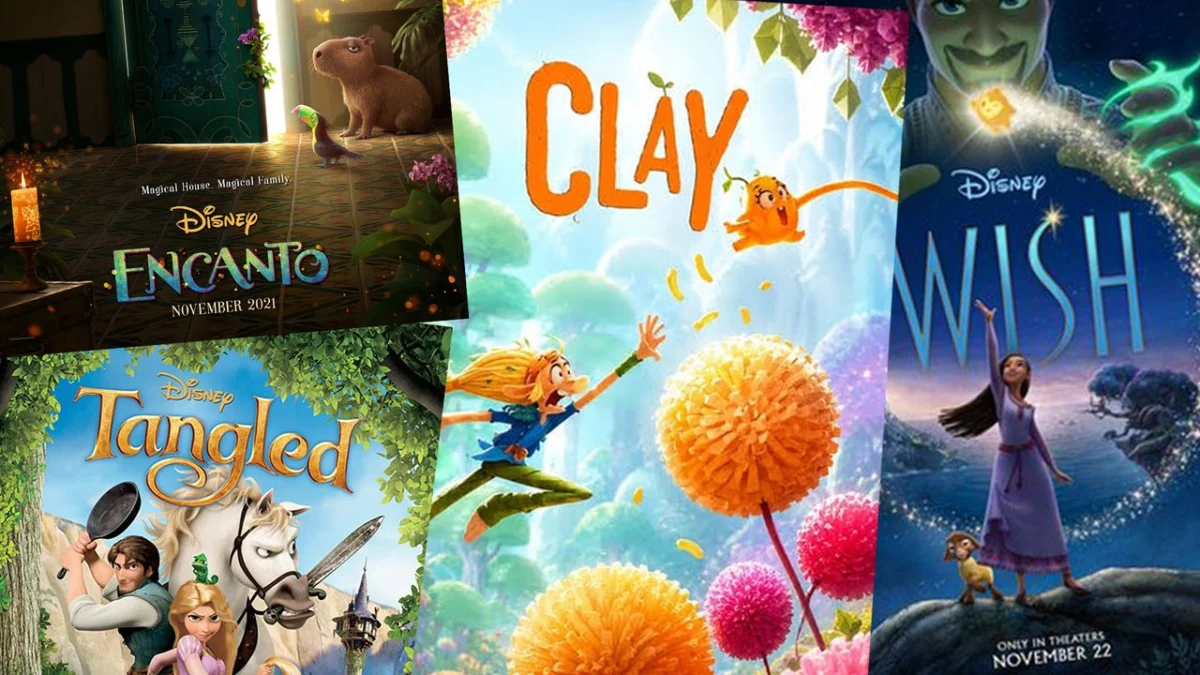
The recent D23 fan event, a massive showcase for the Walt Disney Company’s upcoming slate, offered a whirlwind of excitement for animation enthusiasts. From the eerie, atmospheric teaser for Pixar’s Ghost Market to a nostalgic, black-and-white tribute to Oswald the Lucky Rabbit, the event confirmed that the House of Mouse is as creatively restless as ever. However, amidst the cheers and trailers, one specific revelation—the announcement of the 2028 feature Clay—has reignited a long-standing debate among cinephiles and casual viewers alike: Why is Disney so obsessed with one-word titles?
Clay, which tells the story of a reluctant mentor tasked with raising a newborn ball of sentient clay, has been praised for its unique, tactile aesthetic. Chief Creative Officer Jared Bush has emphasized that while the film utilizes 3D CG animation, it is specifically rendered to mimic the charm of traditional claymation. Despite the high-concept premise and visual ambition, the title itself has become a flashpoint for criticism. On social media, fans are increasingly expressing frustration that these minimalist titles feel generic, utilitarian, and, at times, indistinguishable from one another.
As the discourse deepens, the question remains: Is this a creative choice, a marketing necessity, or a symptom of a broader shift in how media conglomerates package their stories for a global, digital-first audience?
A History of Minimalist Titling: From Classics to Contemporary
While fans on platforms like X (formerly Twitter) argue that this trend is a modern blight, historical context reveals that the one-word title has been a part of the Disney DNA for nearly a century.
Following the massive, multi-word success of Snow White and the Seven Dwarfs (1937), the studio’s follow-up efforts between 1940 and 1942 were almost exclusively one-word affairs: Pinocchio, Fantasia, Dumbo, and Bambi. These titles were not seen as “generic” at the time; they were punchy, evocative, and served to highlight the singular character or concept at the heart of the film.
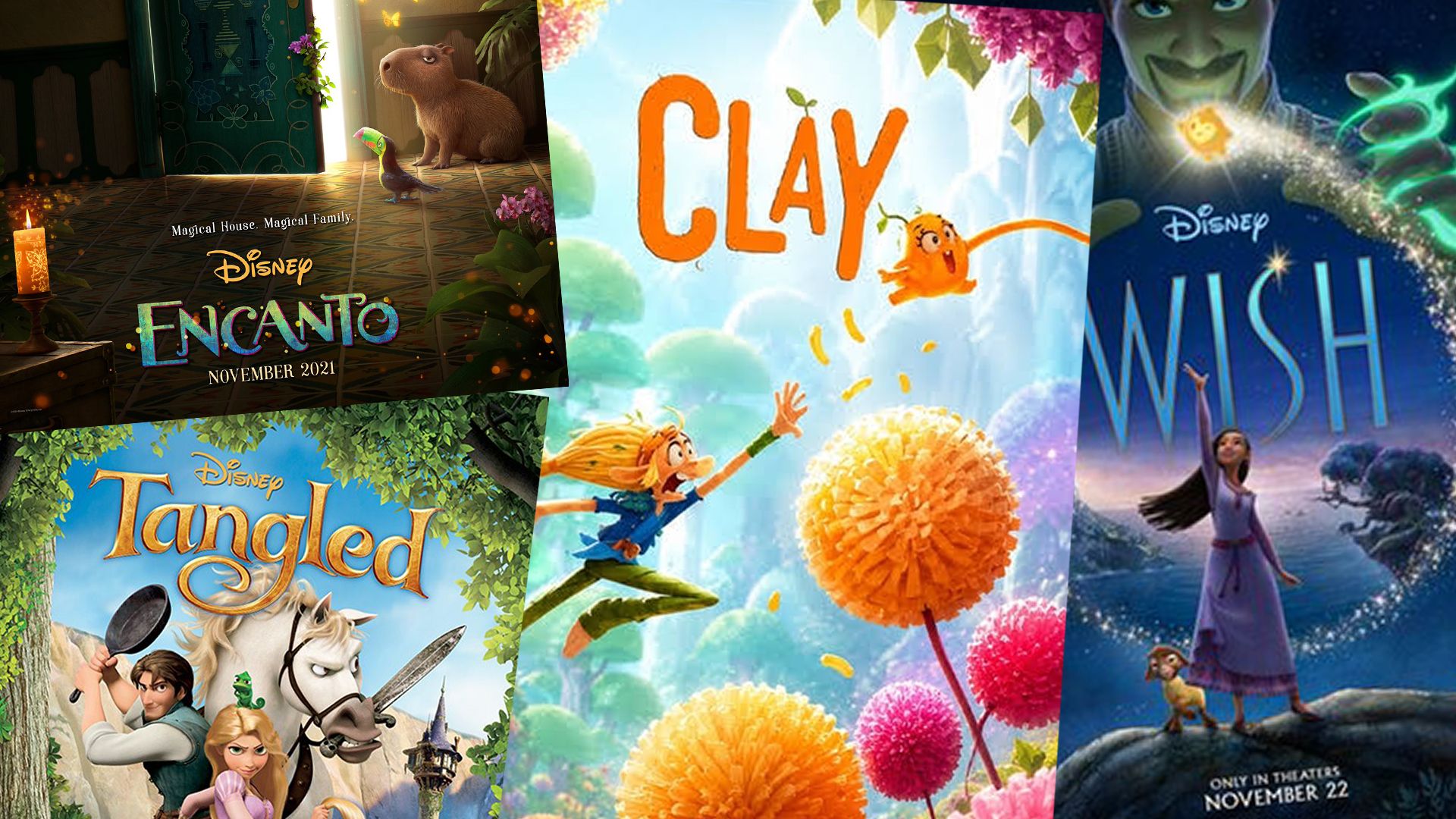
The strategy persisted through the “Disney Renaissance” of the 1990s. Films like Aladdin, Hercules, Mulan, and Tarzan all utilized the one-word structure. However, there was a fundamental difference in how these films were named compared to modern releases. The Renaissance-era films were primarily character-driven adaptations of existing mythology or literary figures. Audiences generally knew who Hercules was before they entered the theater.
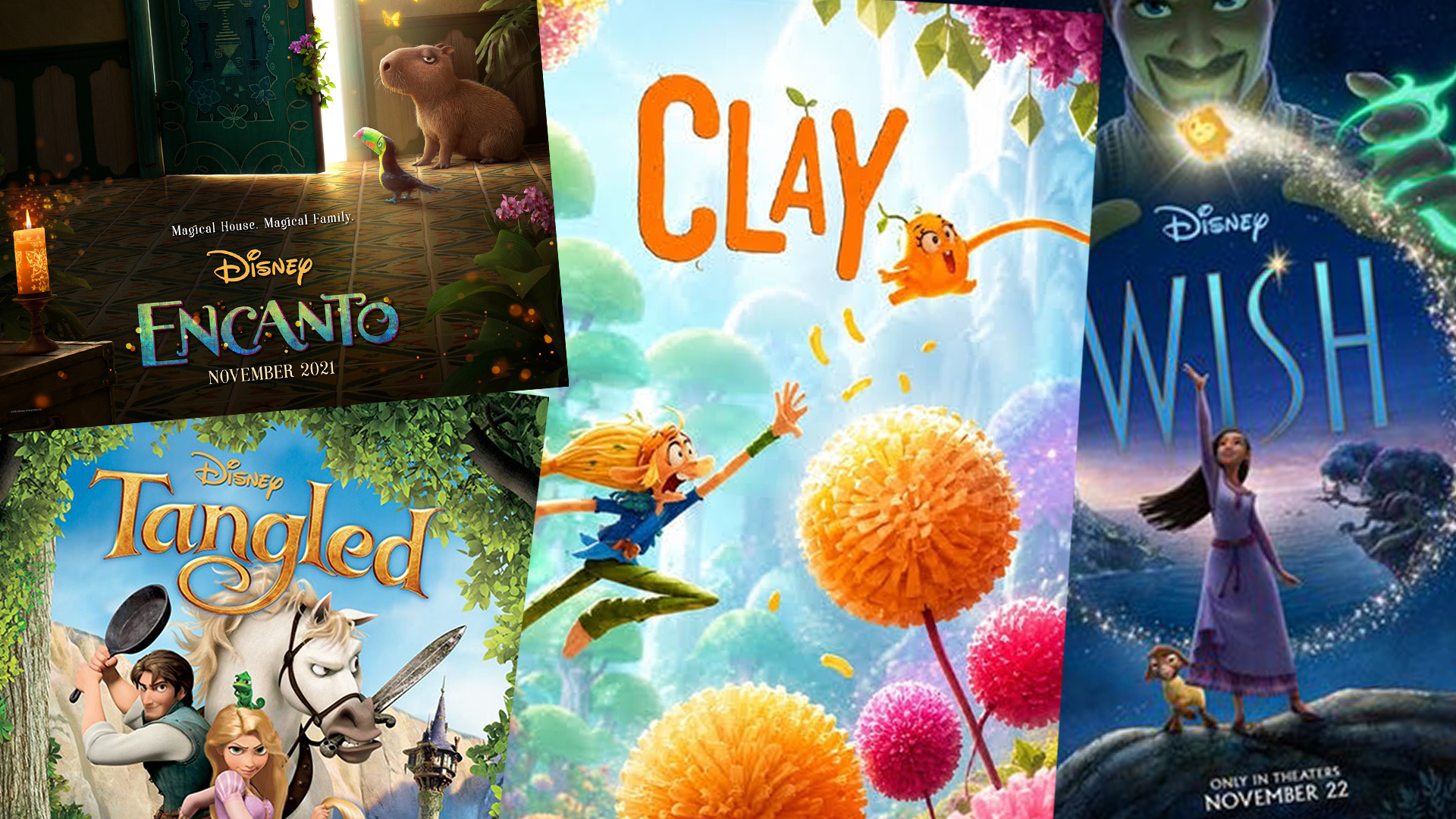
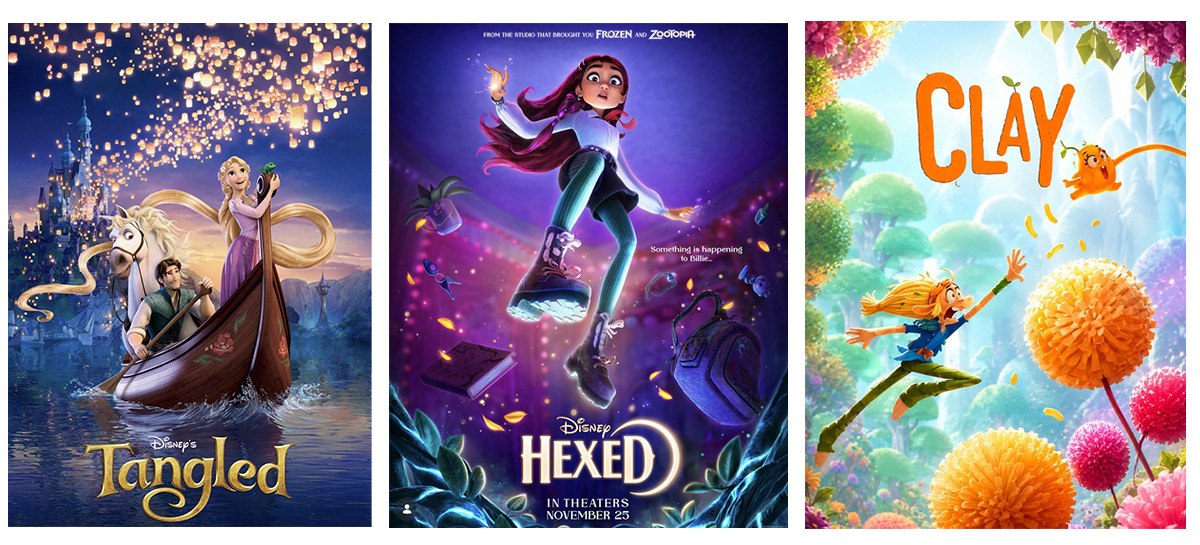
In the modern era, Disney has shifted away from established intellectual property (IP) and toward original stories, such as Soul, Elemental, Wish, and the upcoming Hexed. When a film is built on an original concept, a one-word title can often feel disconnected from the narrative, lacking the specificity that a character-based name provides.
The Evolution of Marketing: Why Less is Often "More"
The persistent use of one-word titles is not merely an artistic whim; it is a calculated business decision designed to thrive in a crowded, fragmented media landscape.
Branding and Visual Hierarchy
In the age of streaming platforms and mobile devices, the “thumbnail” is the most critical piece of real estate a movie has. A short, single-word title is easier to render in a bold, legible font that remains readable on a smartphone screen or a smart TV interface. When a parent is scrolling through Disney+ with a toddler, a title like Brave or Cars is instantly recognizable, whereas a long, multi-word title might be clipped, cluttered, or difficult for a child to parse.
Global Localization
Disney is a global entity, and one-word titles offer a distinct advantage in international markets. Minimalist, conceptual words like Soul or Brave carry a consistent emotional resonance that translates well across borders. They are easier to market in non-English territories because they often do not require complex, localized sub-titling that might lose its nuance in translation. In many cases, these titles are left in English, turning the film’s name into a global brand that avoids the “clunky” phrasing that can arise when attempting to translate longer, descriptive titles.
Gender Neutrality and "Four-Quadrant" Appeal
Perhaps the most significant strategic shift occurred when Disney began pivoting away from fairy tales to appeal to a wider, gender-neutral audience. The rebranding of the classic Hans Christian Andersen tale The Snow Queen to Frozen was a watershed moment. The studio sought to distance the film from the "princess" archetype, which was perceived as a deterrent for young boys. Similarly, Tangled was chosen over Rapunzel to ensure the film felt like a broad, "four-quadrant" adventure that appealed to every demographic, not just the traditional core audience for princess movies.
The Fan Backlash: A Lack of Identity?
Despite the logic behind these decisions, the audience pushback is growing. The primary complaint among critics of the strategy is that these titles are "non-specific."
When an audience member looks at a list of new releases, they want to feel an immediate connection to the story. Fans argue that titles like Elemental or Wish provide no insight into the unique flavor or genre of the film. One viral post captured this sentiment perfectly: "I can’t help but wonder how these films would be perceived if they received more attributable titles."
The fear is that in an attempt to make these films "universal," the studio is stripping them of their unique identities. When every movie follows the same branding blueprint, the films begin to blend together in the public consciousness, potentially contributing to "franchise fatigue" even among original properties.
Does the Title Affect Performance?
There is anecdotal evidence that the "one-word curse" may impact audience interest. For instance, the Pixar film Elio struggled to generate the same level of pre-release excitement as the studio’s earlier, more descriptively titled works. When a title is too abstract, it places a heavier burden on the trailer and the marketing campaign to explain the premise. If the trailer doesn’t hook the viewer instantly, the title itself fails to provide a "safety net" of intrigue.
However, the industry also points to massive successes like Zootopia and Frozen—both one-word titles—which became cultural phenomena. This suggests that while a title is important, it is rarely the sole factor in a film’s success. A compelling story and strong marketing campaign can overcome a generic title, but a generic title on a mediocre film creates a recipe for being ignored.
Implications for the Future of Disney Animation
As we look toward 2028 and the release of Clay, it is clear that Disney is unlikely to abandon this naming convention anytime soon. The studio’s move toward high-concept, short-form titles is deeply integrated into its merchandising, theme park integration, and digital distribution strategies.
However, the pushback from the animation community serves as a reminder that branding is not just about what is easy to read on a thumbnail. It is also about legacy, distinctiveness, and the promise of a unique story.
If Disney continues to favor the "one-word" approach, they may need to rely even more heavily on trailers and visual identity to distinguish their films. In an era where original animation is fighting for space against sequels, remakes, and established IPs, the importance of a title that can capture the imagination—not just fit the font size—has never been greater.
For now, the debate remains unresolved. Disney will likely stick to its current formula, betting that the simplicity of a single word will ultimately outweigh the desire for descriptive, long-form titles. Whether this leads to a new generation of iconic, one-word classics or a sea of indistinguishable, forgotten titles remains to be seen. One thing is certain: for as long as Disney continues to release films, the audience will be watching, waiting, and, in all likelihood, commenting on the name on the poster.


 Dwi Wanna
 Lina Irawan




