Dwi Wanna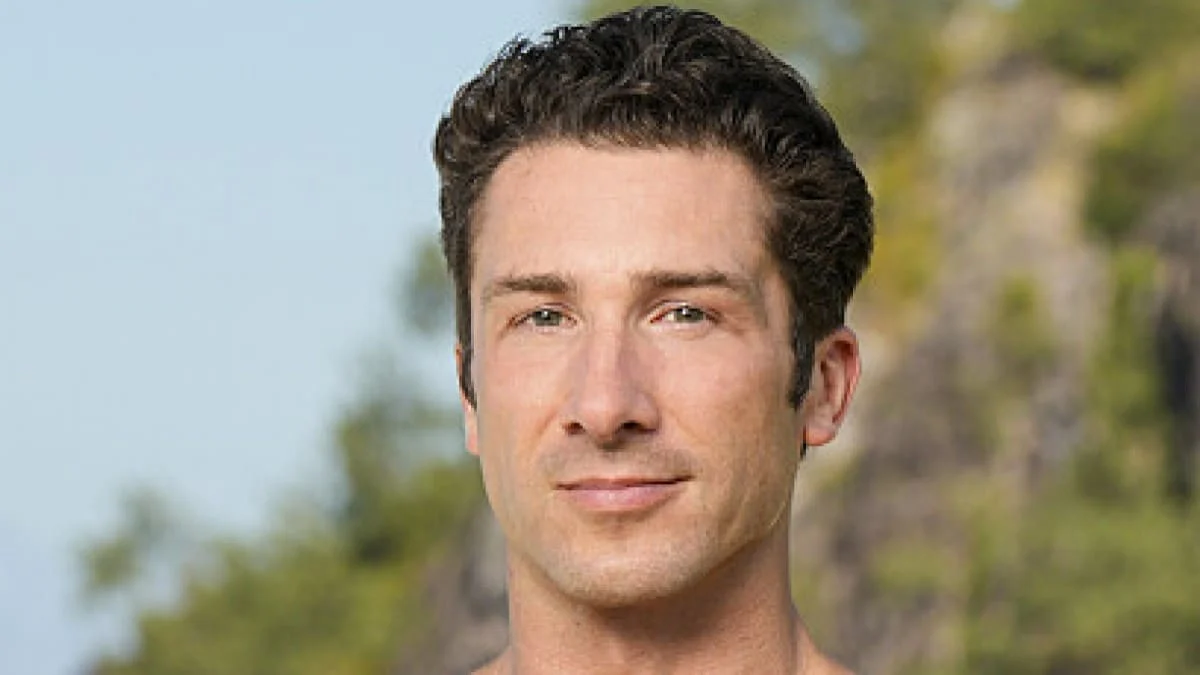
The ninth episode of Survivor 48 marked a significant turning point for the season, not merely because of the strategic shift in the game, but because of the departure of one of its most polarizing and charismatic figures: David Kinne. As the third member of the jury, Kinne’s exit has sparked a flurry of conversation across the fan base and within the production offices of CBS. Most notably, executive producer and host Jeff Probst recently took to his On Fire podcast to provide an in-depth post-mortem on David’s journey, his unique archetype, and the lasting impression he left on the franchise.
Main Facts: The Exit of a Modern Archetype
David Kinne, a player who entered the game with a blend of high-octane confidence and raw emotional transparency, saw his torch snuffed in Episode 9, finishing in ninth place. His elimination was the culmination of a shifting social tide that saw the "New Era" strategy of threat management collide with David’s larger-than-life personality.
While his time on the island has concluded, his influence remains. As a member of the jury, David will now play a pivotal role in crowning the eventual winner of Survivor 48. However, it is his life outside the game—specifically his post-elimination interviews and the subsequent commentary from Jeff Probst—that has kept his name at the forefront of the reality TV zeitgeist.
On the latest episode of the On Fire podcast, Probst was effusive in his praise for Kinne, describing him as a "blast" and a player who "gave so much to the show." This sentiment was echoed by fellow producer Matt Van Wagenen, who identified David early on as a spiritual successor to one of the most iconic players in the show’s history: Benjamin "Coach" Wade.
Chronology: From Pre-Game Ambition to Tribal Council Blindside
To understand David Kinne’s impact, one must look at the trajectory of his Survivor experience, which began long before he stepped onto the sands of Fiji.
The Casting Process and Initial Impressions
During the casting phase, which included rigorous Zoom sessions with CBS executives and show producers, David stood out immediately. According to Probst, the CBS "brass" fell in love with his personality during these interviews. He was described by the casting team using a unique juxtaposition of traits: "sensitive" yet "boastful," but crucially, his boasts were delivered with "earnestness."
David famously made a bold prediction to Probst before the cameras even started rolling: "I will win every challenge on Survivor, and when I set the record with my sixth win, then you must say, ‘David, you were right.’" This level of bravado, coupled with a genuine emotional vulnerability, set the stage for his edit as a "main character" of the season.
The Trajectory of Season 48
Throughout the first eight episodes, David was a central figure in tribal dynamics. He navigated the early days of the game with a mixture of physical prowess and a social game that was often described as "high-maintenance" by his peers. His "sensitive" nature, as noted by Probst, often meant that David felt the highs and lows of the game more acutely than others, leading to moments of both intense celebration and deep frustration.
The Episode 9 Elimination
The downfall of David Kinne in Episode 9 was a classic Survivor blindside. As the numbers dwindled and the "merge-atory" phase gave way to the true individual game, David’s perceived threat level—both as a challenge performer and a personality—became too great for the remaining players to ignore. Despite his efforts to secure his position, the tribe decided that his unpredictable nature and potential to go on an immunity run made him the logical target.
Supporting Data: The "Coach" Archetype and Reality TV Tropes
The comparison made by producer Matt Van Wagenen between David Kinne and Benjamin "Coach" Wade is significant for long-time students of the game. Coach Wade, the "Dragon Slayer," appeared on Survivor: Tocantins, Heroes vs. Villains, and was the runner-up on South Pacific. He is defined by a legendary sense of self-importance, a penchant for storytelling, and a strict (if sometimes hypocritical) code of honor.
The Coach-esque Qualities
David Kinne fits into this lineage of "eccentric truth-tellers." Like Coach, David’s narrative was built on a foundation of grand claims and a desire to be seen as a heroic figure. The data from his time on the show supports this:
- Confessional Count: David was among the leaders in confessional time for the first half of the season, indicating his importance to the narrative.
- Challenge Performance: While he did not meet his pre-game goal of six wins, his presence in challenges was always a focal point of the broadcast.
- Polarization: Social media metrics and fan forums show a sharp divide between viewers who found David’s "earnest boastfulness" endearing and those who found it grating—a hallmark of a successful Survivor character.
The "Missing Footage" Controversy
Following his exit, David has been vocal about the "invisible" parts of his journey. In various post-game interviews, he has claimed that significant footage was left on the cutting room floor. This is a common refrain from players in the "New Era," where 26 days of 24/7 filming must be condensed into 90-minute weekly blocks. David suggests that certain strategic moves and social nuances were omitted, which might have painted a different picture of his game.
Official Responses: Probst Weighs In
Jeff Probst’s commentary on the On Fire podcast serves as the official production response to David’s tenure. Probst’s defense of David is telling of what the show values in its modern casting.
"David was meant for Survivor," Probst stated emphatically. He highlighted that while David could be boastful, it never felt malicious. Instead, it felt like a man who was deeply invested in the mythos of the game. Probst’s revelation about the CBS executives’ reaction to David’s Zoom calls suggests that the network is looking for players who are willing to be "unfiltered" and "emotionally raw" rather than just strategic robots.
Addressing the Bullying Claims
The post-game discourse has been complicated by David’s allegations against fellow castaway Joe Hunter. David has publicly claimed that Hunter was a "bully" during their time in Fiji. While CBS and Probst have not issued a formal legal statement regarding these specific claims, the podcast discussion emphasized the "intense pressure" of the environment. Probst’s praise for David’s "sensitivity" may be a subtle nod to how David perceived the social friction on the island differently than others might have.
Implications: The Future of the Franchise and the Jury’s Role
David Kinne’s transition from active player to juror has several implications for the remainder of Survivor 48 and the franchise at large.
The Jury’s Temperature
As the third jury member, David’s perspective will be influential. If he truly felt "bullied" or "betrayed" (specifically citing Joe Hunter), his line of questioning at the Final Tribal Council could be some of the most intense of the season. His "earnest" nature suggests he will not hold back in demanding accountability from the finalists.
Survivor 49 and 50
As Survivor 48 continues to air, production is already in full swing for the future. Survivor 49 has begun filming in Fiji, and the buzz for the landmark Survivor 50 is reaching a fever pitch. Probst’s high regard for David Kinne raises the question of whether David could be a candidate for a return in Season 50, which many fans expect to be an "All-Stars" or "Second Chance" format. His "Coach-esque" qualities make him an ideal candidate for a multi-season arc.
The Reality TV Ecosystem
The mention of The Traitors 4 in recent news cycles highlights how players like David now exist in a broader ecosystem. With a "dream cast" for the Peacock hit often featuring Survivor alums, David’s high-drama, high-emotion gameplay makes him a prime candidate for crossover success. His ability to command a room—or a confessional—is a commodity that producers across the industry are eager to tap into.
Conclusion
David Kinne may have finished ninth, but his legacy on Survivor 48 is that of a "top-tier" character who reminded viewers of the show’s golden age of eccentric personalities. Whether he is remembered as a misunderstood hero, a sensitive strategist, or a "Coach" in the making, his impact on the season remains undeniable. As Jeff Probst noted, the show is better for having had him, and the jury bench is now a much more interesting place with David Kinne sitting on it.


 Lina Irawan
 Reynand Wu