Layla Zulfa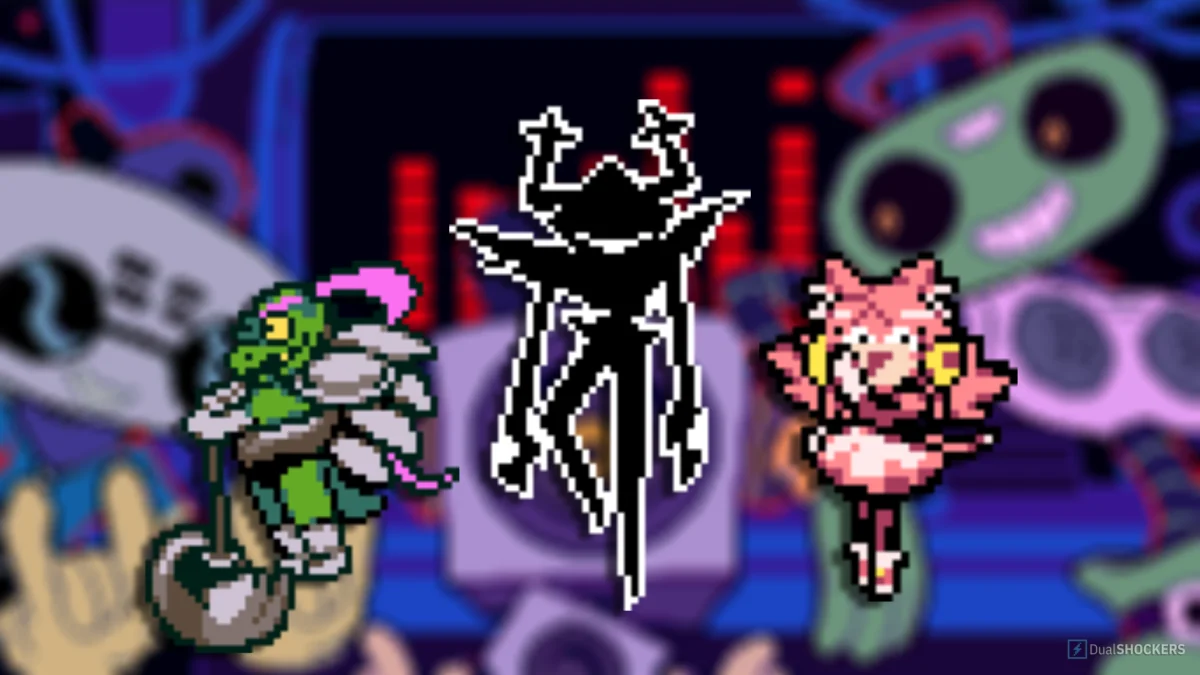
Toby Fox has long established himself as a titan of the modern indie game development scene. While his prowess as a designer and writer is undeniable—evidenced by his collaboration on mainline Pokémon titles—it is his work as a composer that often leaves the most lasting impression on the player. In the Deltarune series, the music is not merely background filler; it is a narrative device, a character study, and a structural foundation for the game’s emotional arc.
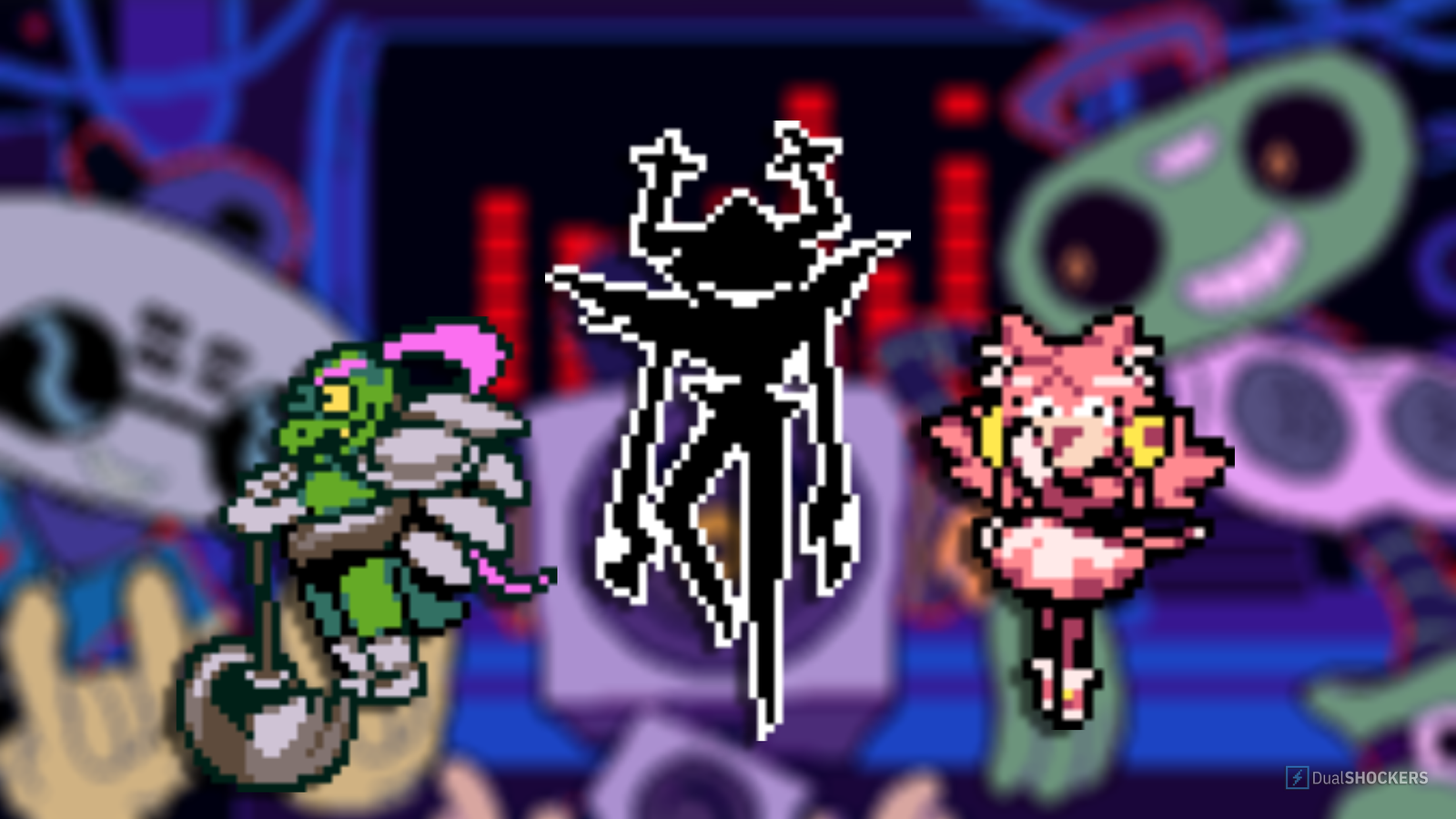
Every boss encounter in Deltarune (Chapters 1–5) is underscored by a unique musical theme. These tracks are meticulously crafted to mirror the antagonist’s personality, the stakes of the immediate narrative, and the broader thematic motifs that permeate the Dark Worlds. For those looking to dive deep into the auditory landscape of this experience, here is an analysis of the ten standout tracks that define the Deltarune soundscape.
10. A Dark Zone: The Theme of Taking Too Long
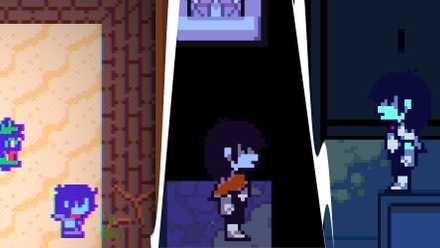
One of the most remarkable feats of the Deltarune design philosophy is its ability to introduce a character, build a rapport, and establish a legacy within the confines of a single boss encounter. This was masterfully executed with Jackenstein in Chapter 4.
"A Dark Zone" functions as a tonal subversion. The track opens with a stark, pixelated melody reminiscent of classic 8-bit Castlevania scores, intended to frame Jackenstein as a terrifying, formidable foe. However, as the fight progresses, the composition shifts into a jaunty, saxophone-heavy groove. The transition reflects the truth of the character: beneath the performative "spookiness" lies a well-meaning soul who lacks the capacity for genuine malice. It is a brilliant example of how musical arrangement can deconstruct a character’s facade in real-time.
9. Guardian: The Theme of the Bump-in-the-Night
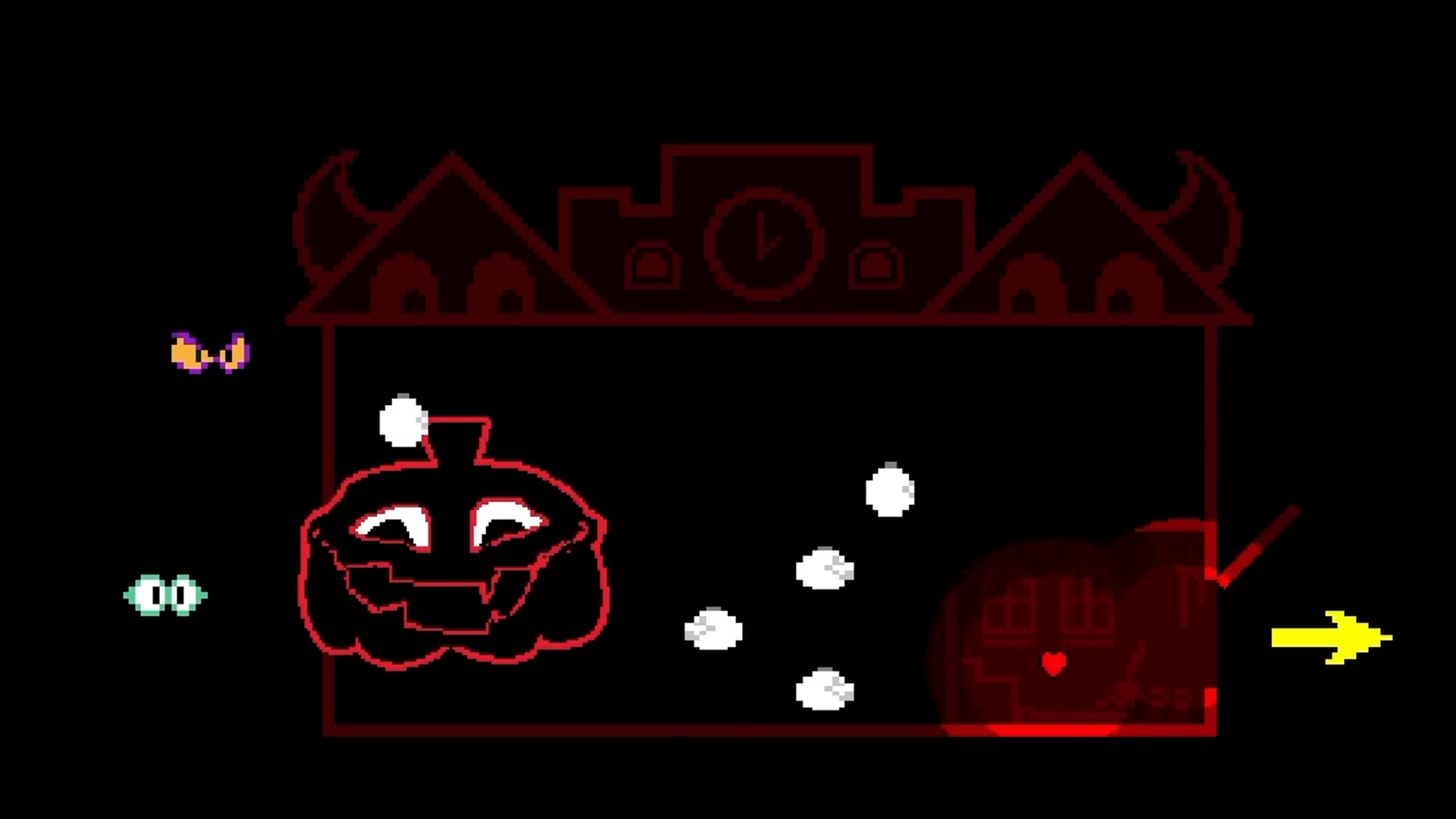
In contrast to the lighthearted nature of minor bosses, the Titans of Chapter 4 represent an existential threat. Ralsei characterizes these entities as forces of nature—destruction incarnate that cannot be reasoned with or swayed.
"Guardian," the theme of the fully unleashed Titan, is a masterclass in atmospheric dread. The track utilizes heavy, pounding bass lines that simulate the sheer physical scale of the entity, coupled with haunting organ melodies. By weaving in motifs from the "Dark Sanctuary" and the poignant "Don’t Forget," Fox bridges the gap between the immediate combat encounter and the ancient, looming prophecy that hangs over the entire Deltarune narrative.
8. Attack of the Killer Queen: The Theme of Control
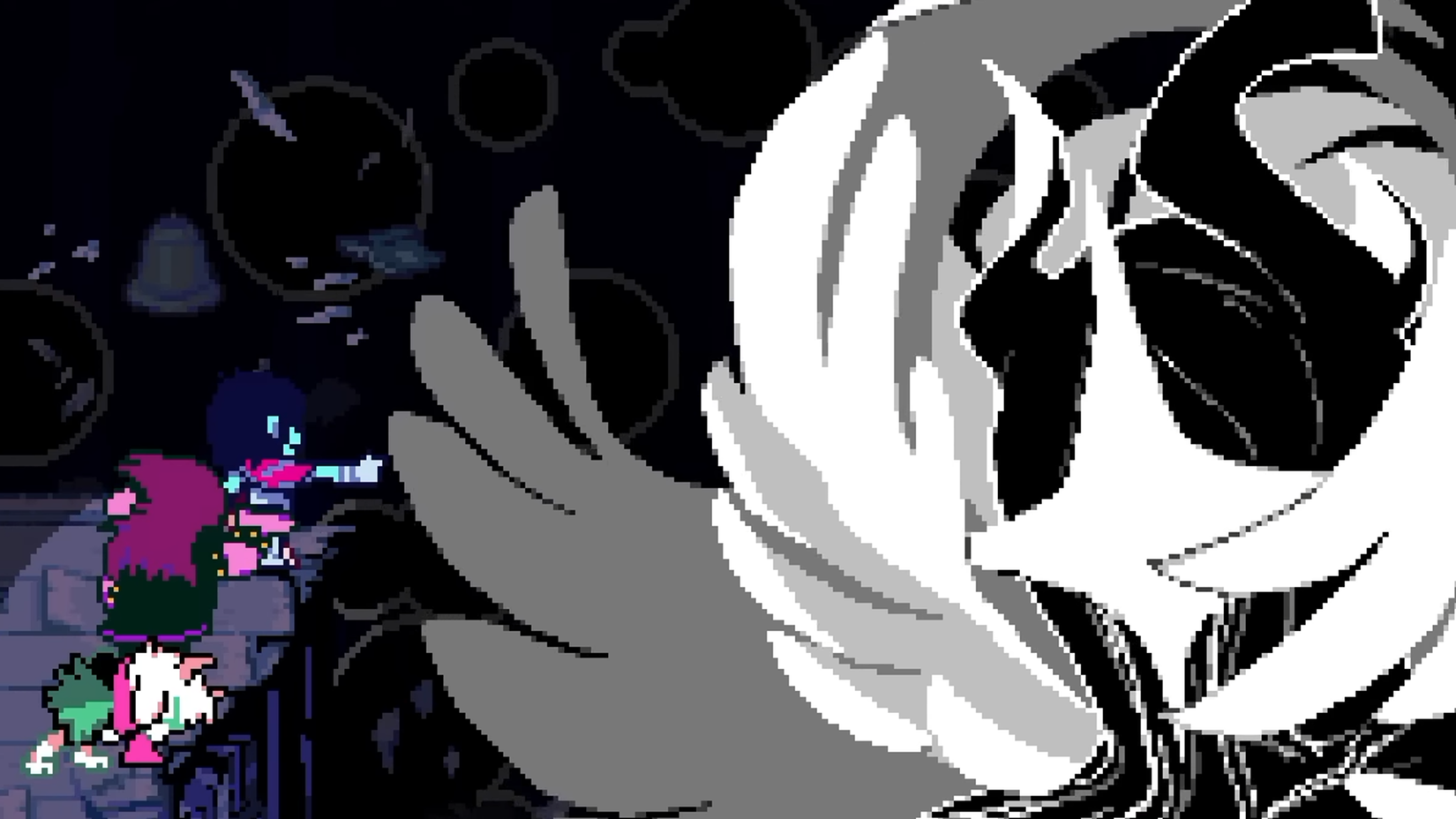
In narrative design, a ruler’s theme must convey authority, and Queen’s boss theme in Chapter 2 does exactly that, while layering in a sub-theme of forced submission.
"Attack of the Killer Queen" plays during the climactic confrontation with Queen and a wire-controlled Berdly. The track is an accelerated, high-energy evolution of Queen’s standard royal leitmotif. The brilliance of the piece lies in its integration of Berdly’s personal musical motifs. By forcing these two disparate melodies to mesh, the score creates a sonic representation of Queen’s absolute dominance over her subordinate—a marriage of themes that creates a tension between the regal and the oppressed.
7. It’s TV Time!: The Theme of Primetime Cable
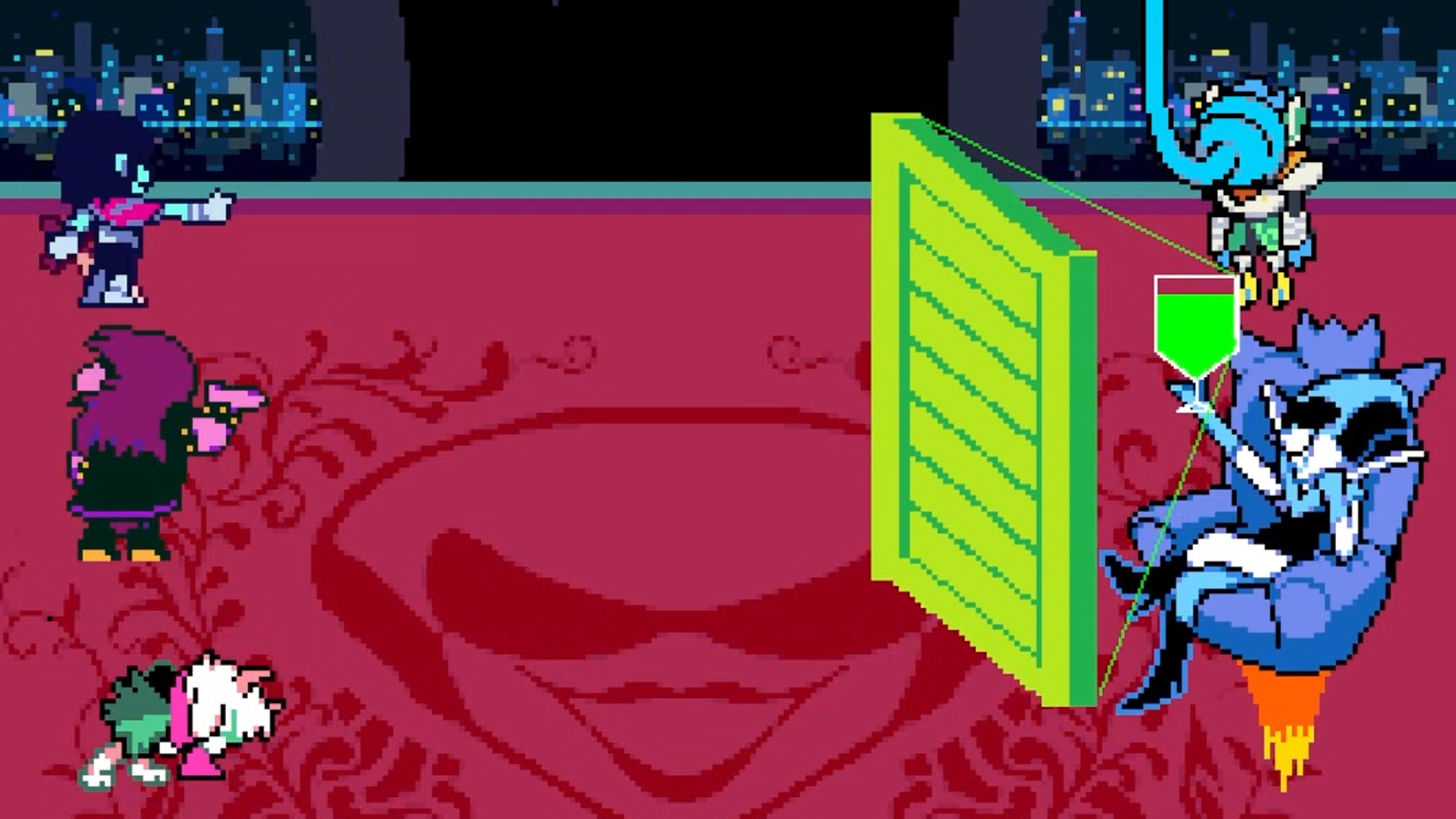
Nostalgia is a powerful tool, and in Chapter 3, Tenna weaponizes it. The character of Tenna, an ego-driven embodiment of CRT-era media, requires a theme that feels both boisterous and slightly predatory.
"It’s TV Time!" is a chaotic, show-offy track that channels the high-energy production of 90s television. What makes this track a standout is its deliberate use of SNES-era soundfonts, evoking the aesthetic of games like Turtles in Time. It is a meta-commentary on the nature of consumption—using the nostalgia for 30-year-old media to distract the player from the danger posed by the boss.
6. Cutie Mew Mew Magic: The Theme of Anime Ambition
As Toby Fox’s work has reached mainstream status, the influence of Japanese pop culture on his compositions has become more pronounced. Chapter 5’s secret boss, Pink, serves as an homage to the "magical girl" archetype, and her theme, "Cutie Mew Mew Magic," is perhaps the most unconventional track in the game.
The song blends the high-energy, frenetic pace of Undertale’s "Mad Dummy" with the polished, saccharine production of a classic anime opening. The inclusion of vocal lines—a mix of English and Japanese—elevates the track into a surreal experience. It highlights the character’s delusion, framing the fight as an insert song for a show where Pink is the undisputed protagonist.
5. Flower Man: The Theme of Jarona
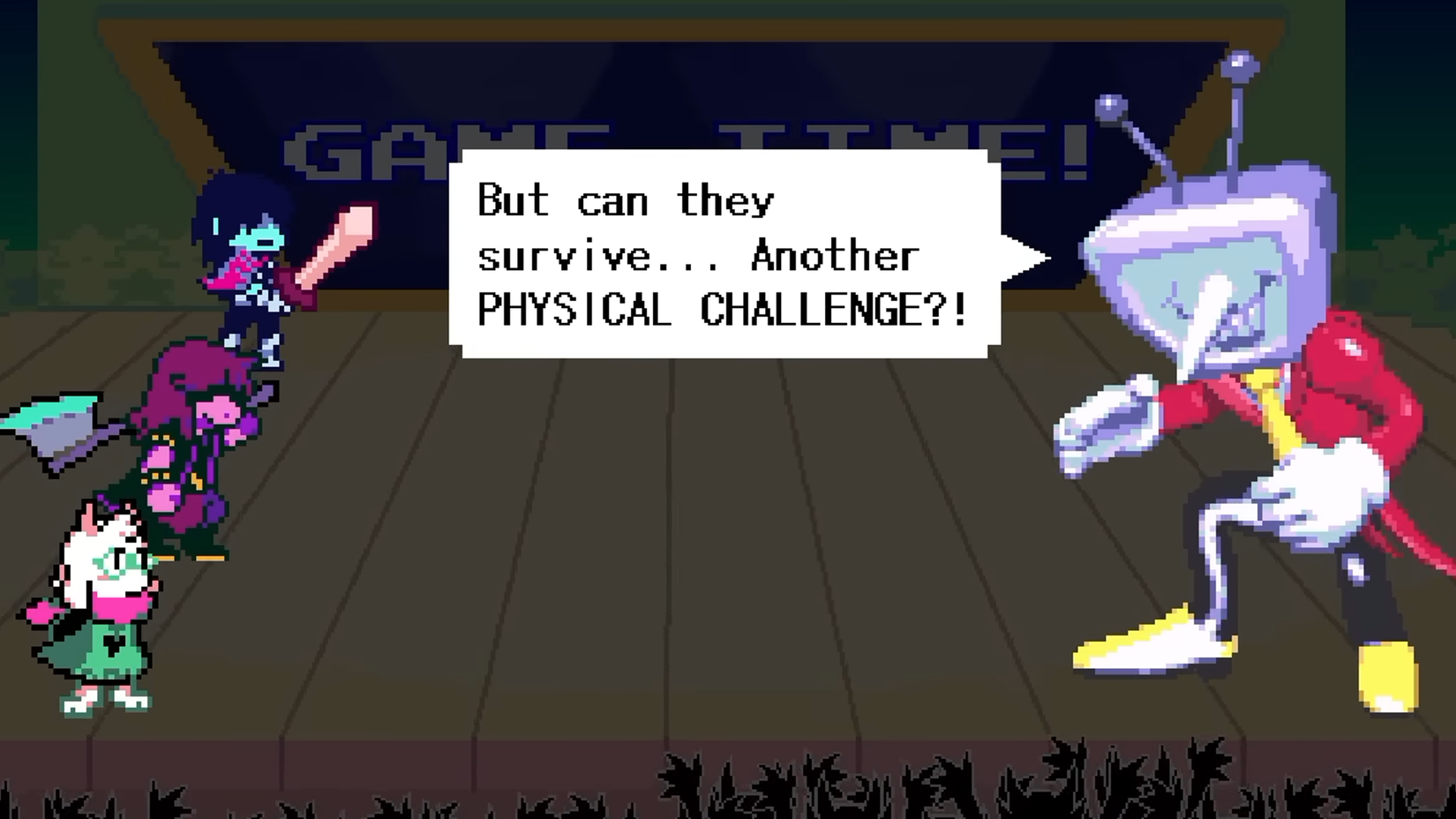
"Flower Man," which plays during the Chapter 5 Flowery boss fight, acts as a fascinating subversion of the "boss theme" trope. Instead of the ominous or aggressive sounds one might expect from a climactic battle, the music is triumphantly heroic.
This is intentional. From Flowery’s perspective, he is not a villain; he is a hero attempting to protect his world and satisfy the desires of Asgore. By composing a track that sounds like a protagonist’s victory march, Fox forces the player to contend with the fact that, in the eyes of their opponent, they are the ones playing the role of the antagonist.
4. Hammer of Justice: The Theme of Jolly Old Men
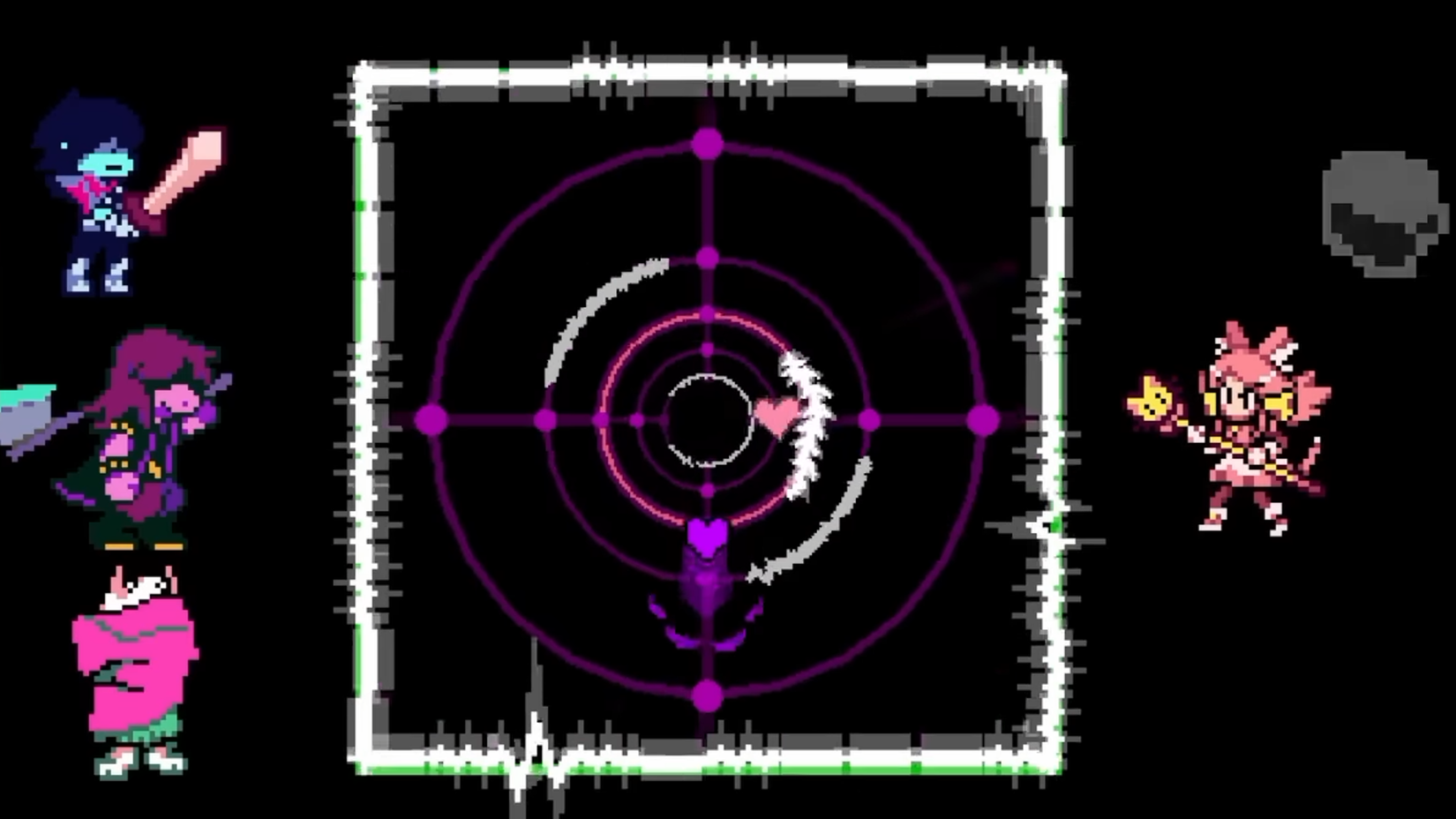
A hero is defined by their capacity to act with both conviction and joy. When Gerson adopts the mantle of the "Hammer of Justice" in Chapter 4, the accompanying music perfectly encapsulates this spirit.
"Hammer of Justice" eschews the "I will destroy you" tone common in RPG boss fights in favor of a "let’s see what you’ve got" energy. Featuring a prominent banjo backing, the track is undeniably lighthearted. Yet, by incorporating motifs from Undyne’s theme, Fox links the character to the broader lore of his universe, suggesting that Gerson’s mentorship of Susie is rooted in the same heroic traditions the player has seen before.
3. Big Shot: The Theme of Hostile Acquisition
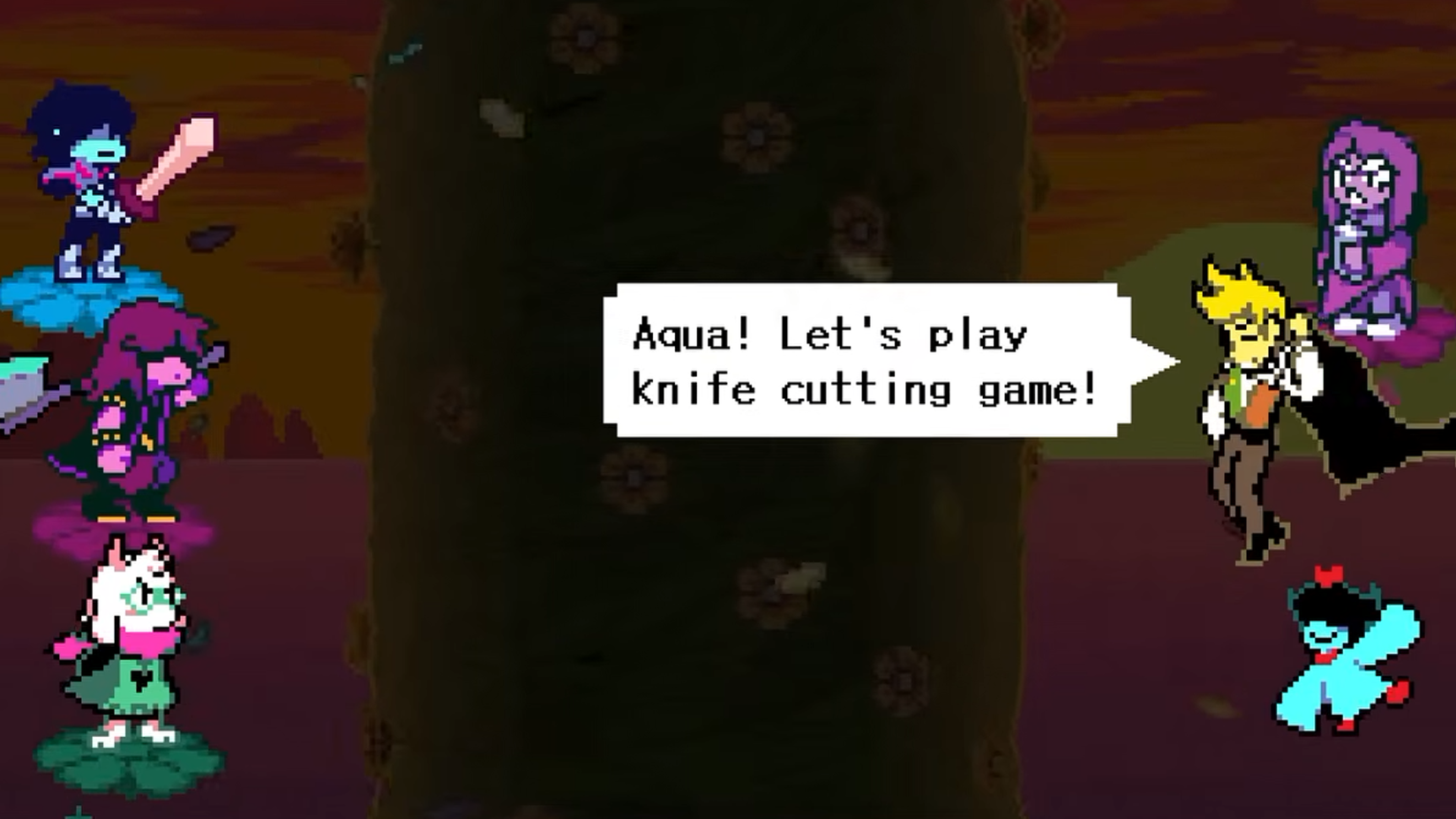
The "jingle" is a staple of marketing, designed to be invasive and unforgettable. Spamton NEO’s theme, "Big Shot," is the musical embodiment of this corporate manipulation.
"Big Shot" is a marked evolution from the meandering, glitchy tracks heard in the earlier stages of Chapter 2. It is focused, aggressive, and relentless. The inclusion of the iconic catchphrase "Now’s your chance to be a big shot!" serves as a rhythmic anchor. The track reflects Spamton’s shift from a pathetic salesman to a desperate, singular entity looking for a "hostile acquisition" of the player’s soul.
2. The World Revolving: The Theme of Mandatory Fun
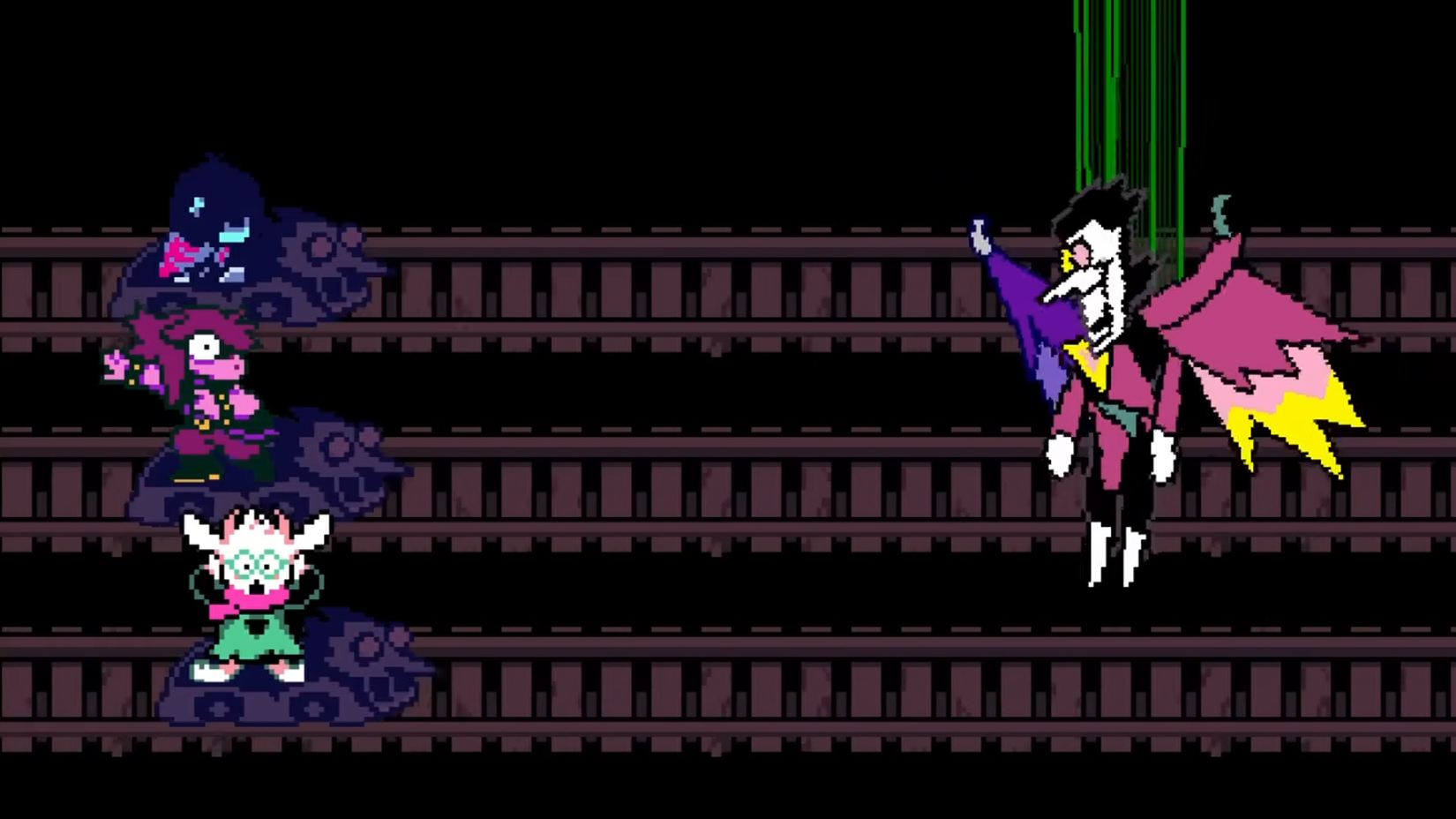
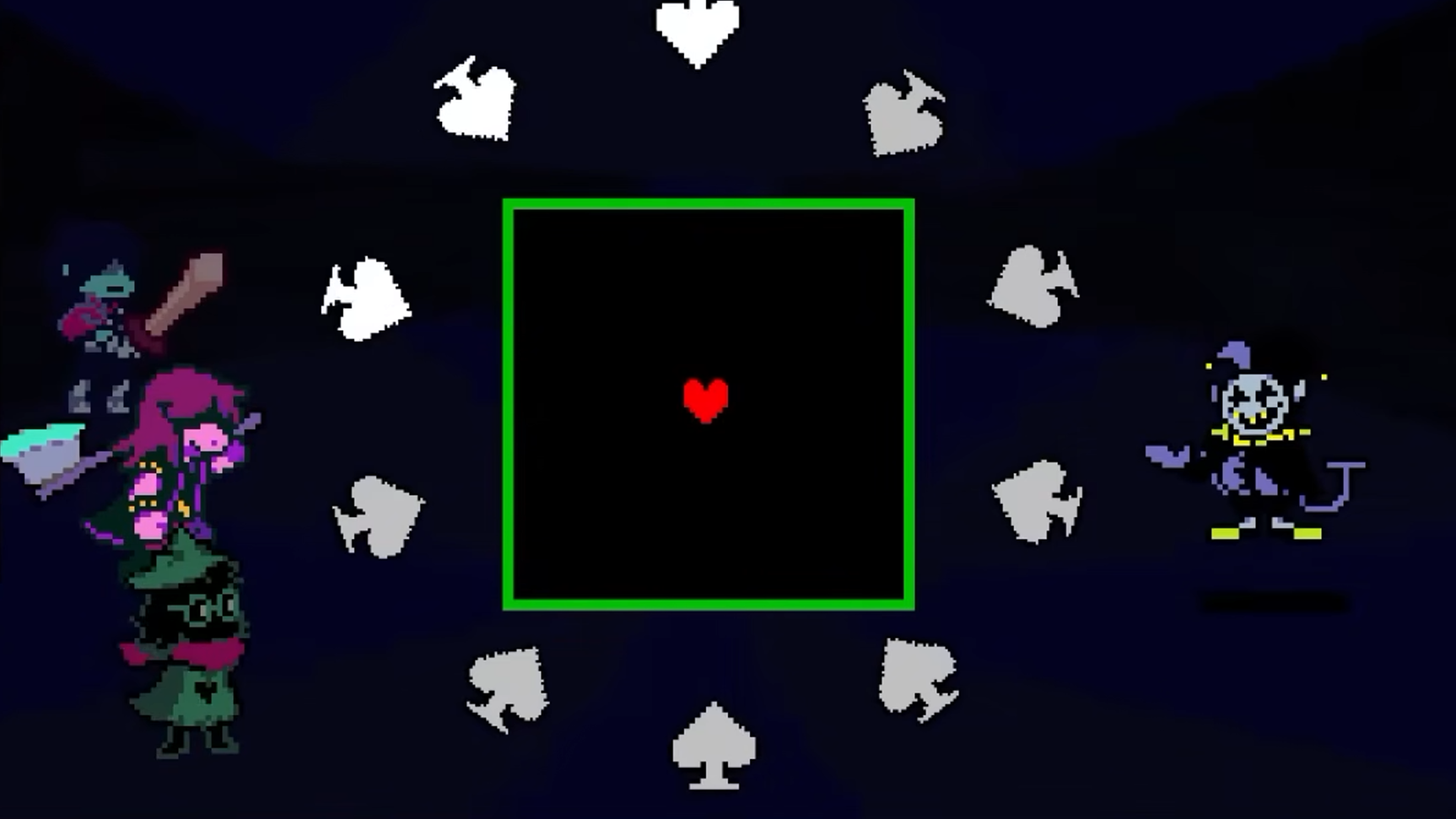
Few tracks in the Deltarune OST carry the same weight as "The World Revolving." As the first secret boss theme, it set the precedent for what players should expect from these hidden, high-difficulty encounters.
The track is a manic, circus-inspired waltz that perfectly mirrors Jevil’s fractured psyche. It is whimsical, yet deeply unsettling. Crucially, this track introduced what the community has dubbed the "Freedom Motif"—a melodic sequence that recurs in every subsequent secret boss theme. It is a sonic representation of the character’s obsession with breaking free from their prison, a recurring narrative thread in the Deltarune saga.
1. Black Knife: The Theme of Pain and Suffering
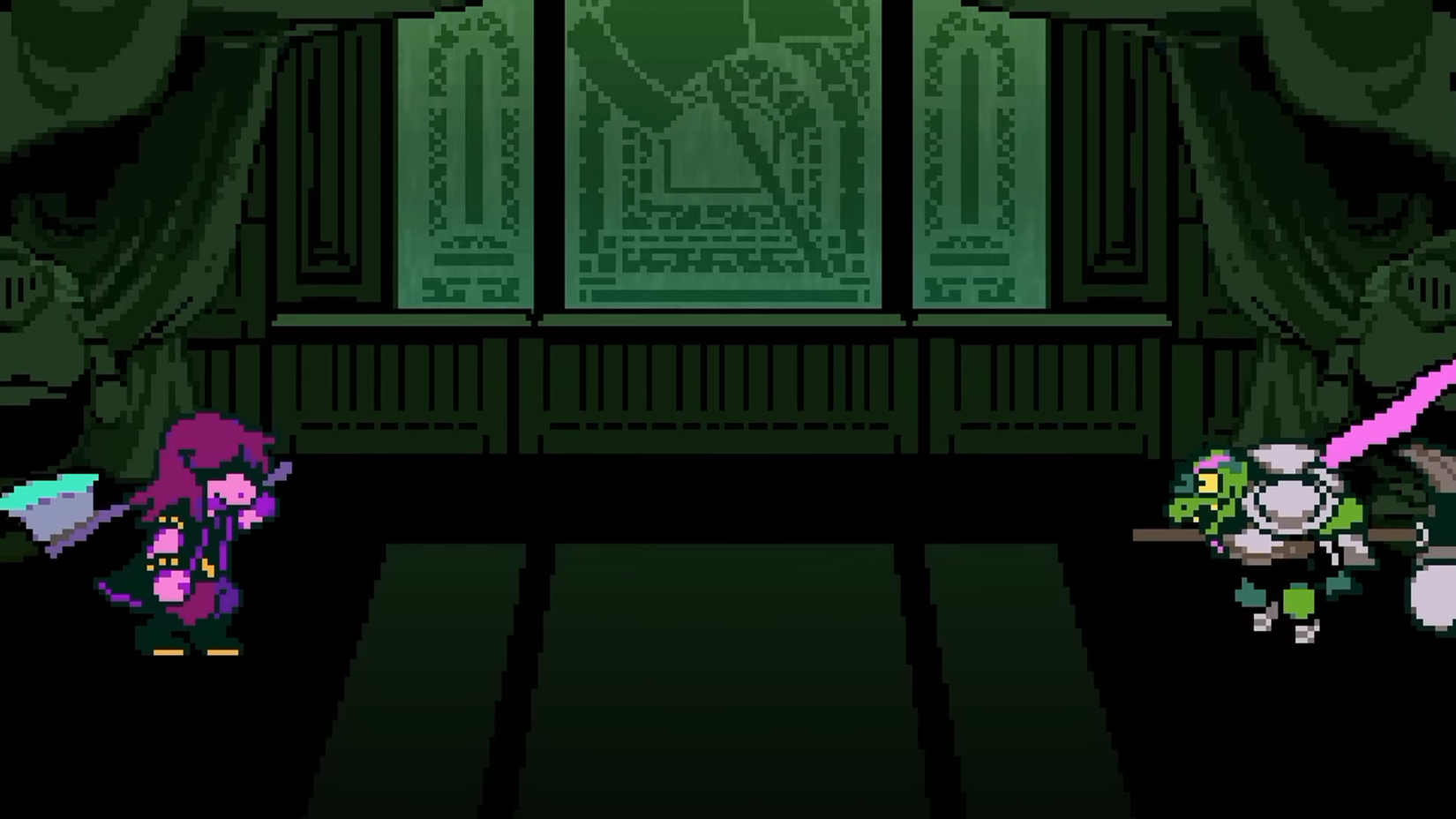
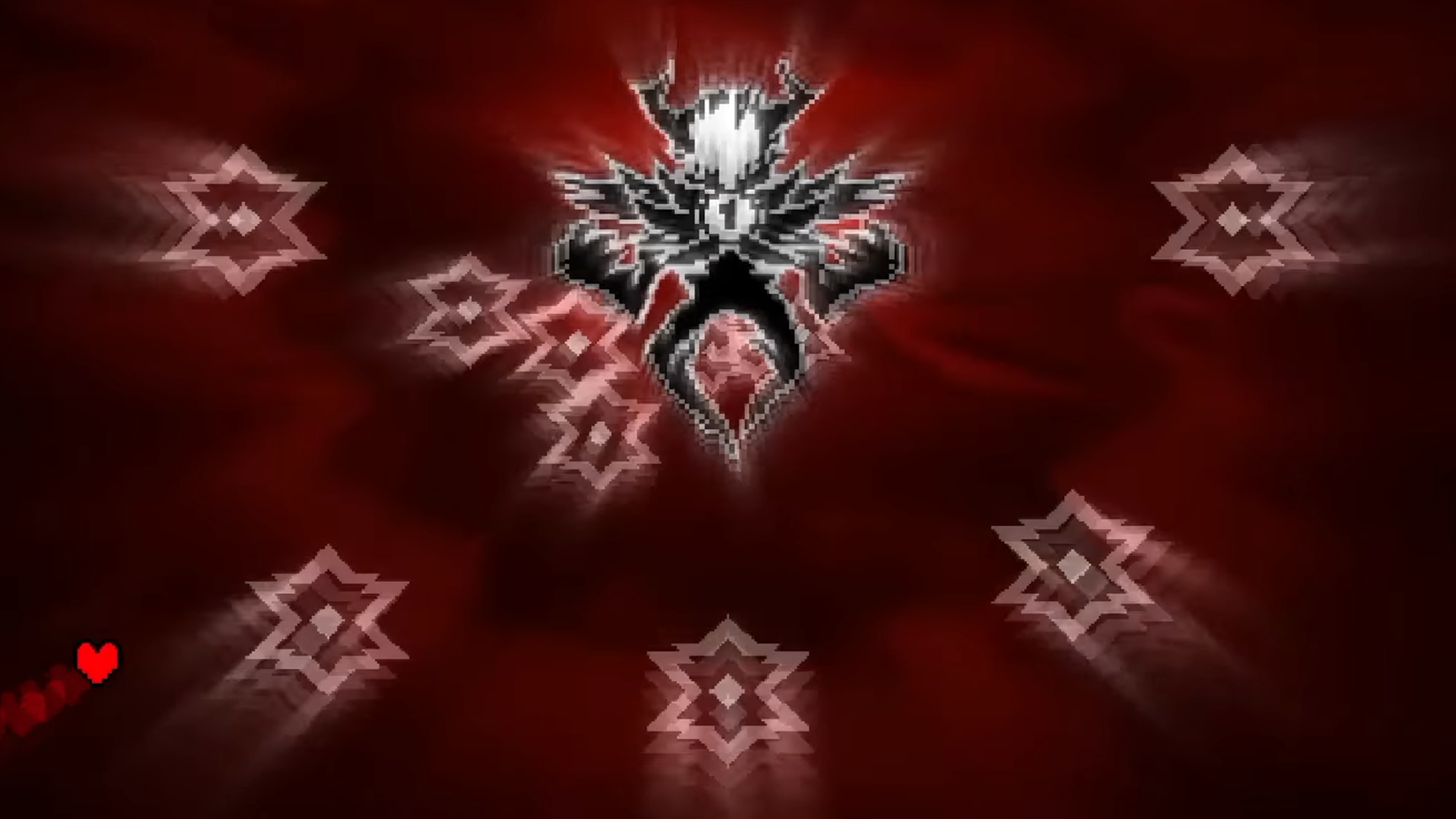
At the summit of this list is "Black Knife," the theme for the encounter with the Roaring Knight at the conclusion of Chapter 3.
The composition is haunting, rapid-fire, and suffocating. It discards the whimsy of earlier chapters for a sense of finality and dread. The music signals that the stakes have fundamentally changed—the Knight is not a "secret" challenge or a misguided antagonist; they are a force of nature. Reminiscent of the dramatic, high-stakes themes found in classic 64-bit era RPGs, "Black Knife" stands as the most impactful piece of music in the series to date, representing the terrifying momentum of the overarching plot.
Chronology of Composition and Development
Toby Fox has been composing these tracks in tandem with the development of the chapters. Unlike many developers who utilize a team of composers, Fox remains the primary creative force behind the audio, ensuring a cohesive "voice" throughout the experience. The evolution of the soundtrack—from the retro, chiptune-heavy sounds of Chapter 1 to the more complex, orchestrated arrangements found in Chapter 5—mirrors the growing complexity of the game’s world.
Supporting Data: The "Freedom Motif"
A recurring point of analysis among fans is the "Freedom Motif." Through careful transcription and comparison, it has been established that there is a recurring set of melodic intervals present in the themes of Jevil, Spamton, and other secret bosses. This structural consistency provides a "musical lore" that rewards players who pay close attention to the soundtrack, suggesting that these characters are linked by more than just their difficulty spikes.
Official Responses and Creative Direction
While Toby Fox is notoriously private regarding the deep lore of Deltarune, he has noted in various Q&As that his musical process is often informed by the "feeling" of a character before he begins writing a single note. He prioritizes the emotional resonance of a scene, often writing the music to dictate the pacing of the boss fight itself, rather than the other way around.
Implications for Future Chapters
The maturation of the Deltarune score suggests that as the story moves toward its conclusion, the music will likely become increasingly integrated with the narrative. If the progression from the whimsical "World Revolving" to the apocalyptic "Black Knife" is any indication, the final chapters will feature scores that are less about individual boss identity and more about the final, grand conflict of the world.
As players continue to revisit these chapters, the soundtrack remains the most compelling reason to return. Through these ten tracks, Toby Fox has not only created a game; he has created a living, breathing, and singing world that refuses to be forgotten.

 Siti Muinah
 Suro Senen