Nana Wu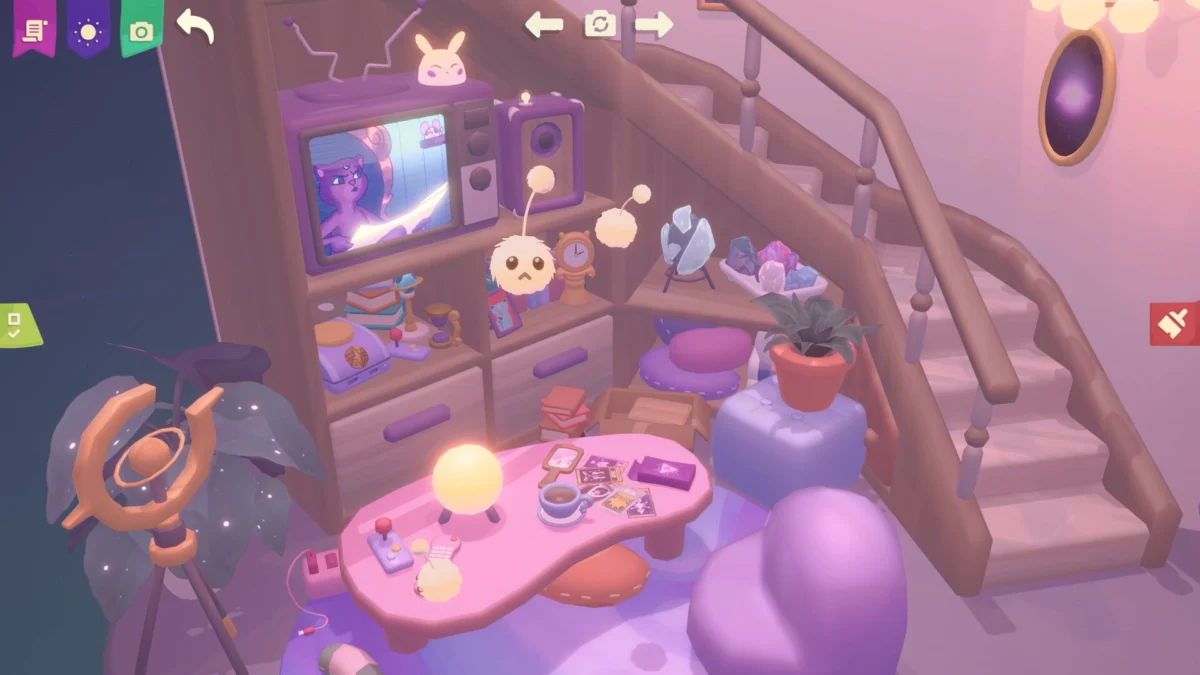
In the ever-expanding landscape of the “cozy game” genre, finding a title that balances satisfying mechanics with a genuine sense of wonder can be a challenge. Enter Design and Conjure, an upcoming indie puzzle title that invites players to step into the shoes of a fresh sorcerous graduate embarking on the next chapter of their life. Developed with an emphasis on personal expression and relaxing organization, the game tasks players with the essential, often chaotic chore of unpacking and decorating a new living space.
As the gaming industry shifts toward shorter, more meditative experiences, Design and Conjure positions itself as a standout, blending the tactile satisfaction of interior design simulators with the whimsy of a magical narrative. With its August 2026 release date on the horizon, the title is already generating buzz for its unique approach to item customization and its low-stakes, player-led progression.
The Core Concept: A Witch’s First Steps
At its heart, Design and Conjure is a game about transitions. The protagonist has just completed their higher sorcerous education and is now tasked with building a home and a practice from the ground up. The gameplay loop centers on the physical act of moving into a new space: opening boxes, organizing shelves, and ensuring every magical artifact has its rightful place.
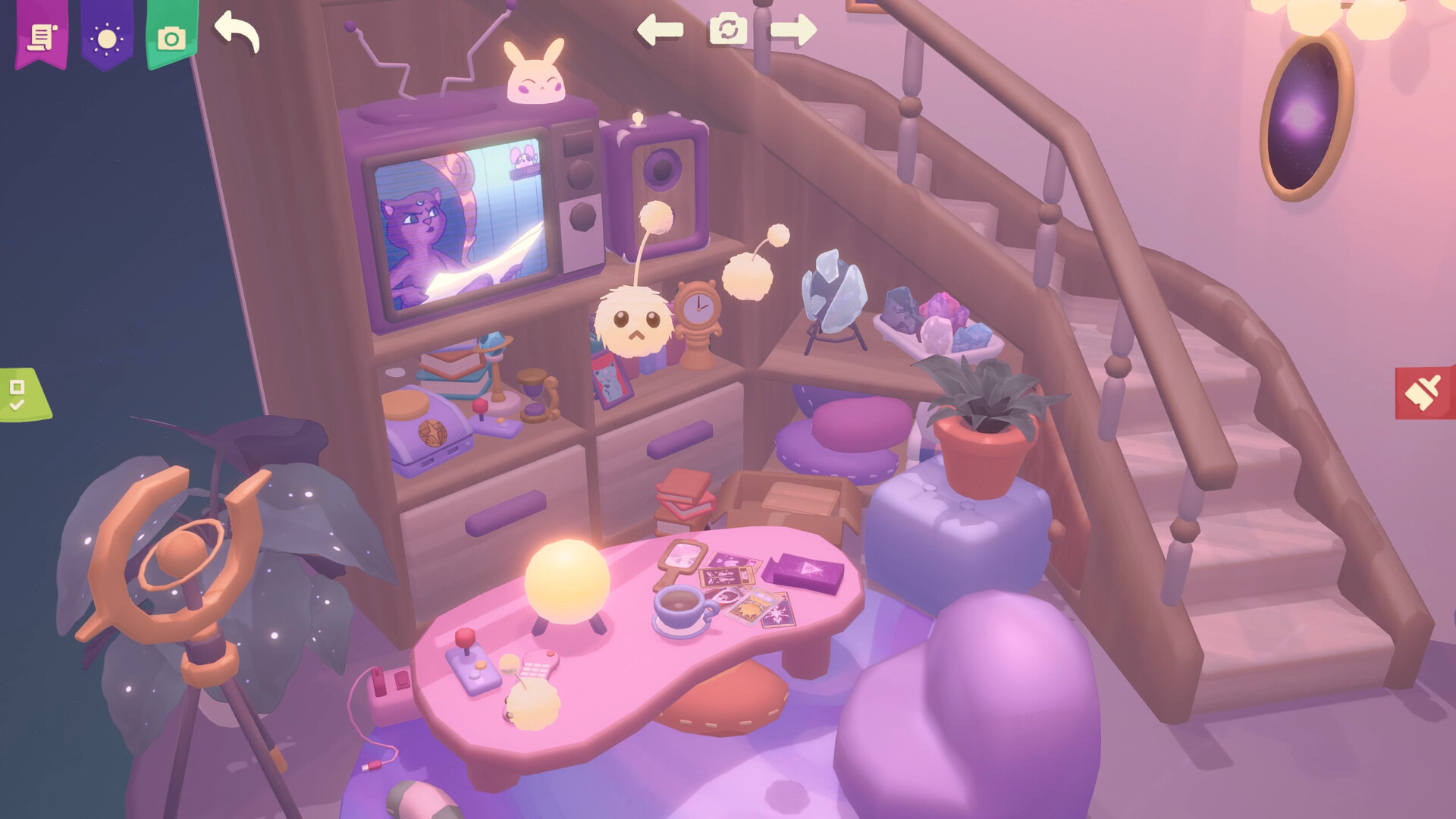
Unlike traditional puzzle games that rely on rigid solutions or punishing time limits, Design and Conjure prioritizes the player’s vision. While there are specific requirements to fulfill—such as placing certain items in specific areas to satisfy quest objectives—the game encourages creative freedom. Players are not just solving a spatial puzzle; they are crafting a home that reflects their personal aesthetic. This freedom is bolstered by an robust color-customization system, allowing users to tint, shade, and recolor their items to match their preferred color palette.
Chronology of Development and Public Reception
The journey of Design and Conjure from a concept to a highly anticipated indie release has been marked by a transparent development process.
- Early Conceptualization (2025): The development team began focusing on the intersection of “unpacking” mechanics and “magic” systems. The goal was to remove the frustration associated with traditional inventory management games and replace it with a sense of accomplishment.
- Announcement and Initial Teasers (Early 2026): The game was formally announced, showcasing its distinct art style—a blend of soft, inviting textures and glowing magical elements.
- The Demo Launch (Spring 2026): A playable demo was released on Steam, allowing players to experience the early-game loop. This period proved critical, as player feedback on the intuitiveness of the rotation and placement controls helped the developers fine-tune the user experience.
- Refinement Phase (Mid-2026): Based on user feedback from the demo, the developers have spent the final months leading up to the release polishing the “Cosmo the Familiar” interactions and expanding the catalog of customizable items.
- Anticipated Launch (August 2026): The full game is scheduled for a late-summer release, providing a perfect window for players looking for a relaxing end-of-summer experience.
Supporting Data: Why Cozy Games Resonate
The popularity of Design and Conjure is not an anomaly but rather a reflection of a broader market shift. According to industry reports, the "cozy" or "relaxing" genre has seen a massive surge in engagement over the last five years. Titles that emphasize non-violence, low-stress environments, and creative expression consistently rank higher in player retention rates.
- Tactile Satisfaction: Psychology-based gaming studies suggest that the act of organizing virtual spaces provides a sense of control and order that serves as a mental reset for players.
- The Power of Customization: User data from similar titles shows that players spend upwards of 30% of their total playtime in customization menus. By allowing color changes for every object, Design and Conjure taps into this desire for personalization, ensuring that no two players’ rooms look exactly the same.
- Audio-Visual Synergy: The inclusion of a dynamic, player-controlled soundtrack—managed through the in-game cassette player—is a deliberate design choice aimed at enhancing the “flow state.” Music in cozy games has been shown to reduce player heart rates and extend session duration.
The Role of the Familiar: Cosmo the Cat
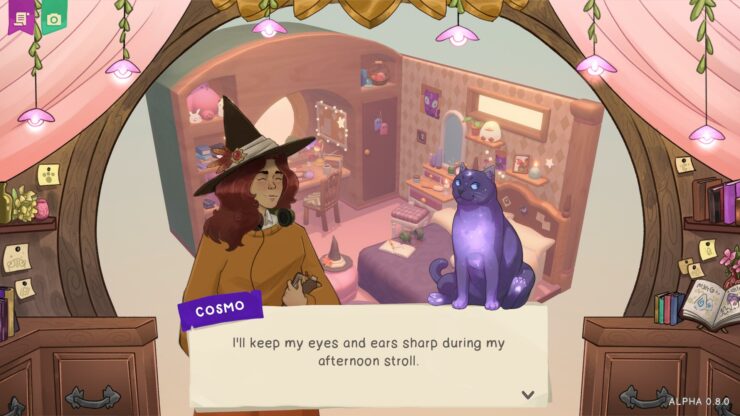
One of the most praised aspects of the current build is the presence of Cosmo, the player’s magical familiar. Beyond his role as a narrative device, Cosmo serves as the player’s companion in an otherwise solitary task.
In many puzzle games, the narrative is relegated to text boxes or static cutscenes. Design and Conjure opts for a more integrated approach. Between the bouts of organizing, the player can engage in dialogue with Cosmo. These interactions provide the player with a sense of purpose and backstory, grounding the magical elements of the game in a relatable, domestic reality. The developers have noted that they are working to ensure that the visual representation of Cosmo during these interactions remains as expressive as possible, reinforcing the emotional bond between the player and their virtual pet.
Implications for the Indie Puzzle Genre
Design and Conjure is set to influence the trajectory of future “lifestyle” puzzle games. Its success in removing the “frustration factor” suggests that developers are beginning to prioritize the experience of the game over the difficulty of the game.
Accessibility in Design
By avoiding timers and high-pressure objectives, the game is accessible to a wider demographic. This inclusive approach to game design is increasingly vital in the modern market. Players who find high-octane action games or hyper-complex strategy titles overwhelming often flock to games that offer a “safe harbor.” Design and Conjure provides this sanctuary.
The Future of Modular Gameplay
The modular nature of the room-arranging system suggests a high potential for post-launch support. With the groundwork laid for room expansion and item collection, it is likely that the developers will introduce new “levels” or “expansions” that allow players to decorate new areas—perhaps a garden, an apothecary shop, or an observatory. The current structure is built to scale, and the community response suggests a high appetite for more content of this nature.
Official Perspectives and Community Sentiment
While the developer’s specific technical responses to the demo have been minimal, the community discourse on platforms like Steam and Discord has been overwhelmingly positive. Early testers have highlighted the “satisfying click” of placing items and the seamless rotation mechanics as the game’s strongest technical pillars.
One recurring sentiment from early reviews is the appreciation for the lack of “game-over” states. By ensuring that there is no wrong way to organize a room—only different ways—the developers have successfully created a low-pressure environment that encourages experimentation.
Conclusion: A Magical Arrival
As the industry prepares for the full release of Design and Conjure in August 2026, the anticipation is palpable. The game is more than just a puzzle simulator; it is a testament to the power of slow, deliberate gameplay. It invites players to take a breath, open a box, and find the magic in the mundane.
For those who have not yet sampled the experience, the current demo offers a perfect snapshot of what’s to come. Whether you are a fan of interior design, a lover of all things witchy, or simply someone looking for a digital space to unwind, Design and Conjure is shaping up to be an essential addition to your library.
The magic, it seems, is not just in the spells the protagonist casts, but in the quiet, methodical care with which they build their home. Keep an eye on your Steam Wishlist; this is one housewarming party you won’t want to miss.
About the Author
Jupiter Hadley is a prolific indie game journalist whose work has appeared in publications such as Metro UK, Big Boss Battle, and AlphaBetaGamer. With a focus on highlighting smaller indie gems, Jupiter has spent years documenting the evolution of game jams and independent development. Her dedication to the craft and her deep involvement in the indie community make her a leading voice in the discussion of emerging titles and trends within the industry.


 Asep Darmawan
 Iffa Jayyana