

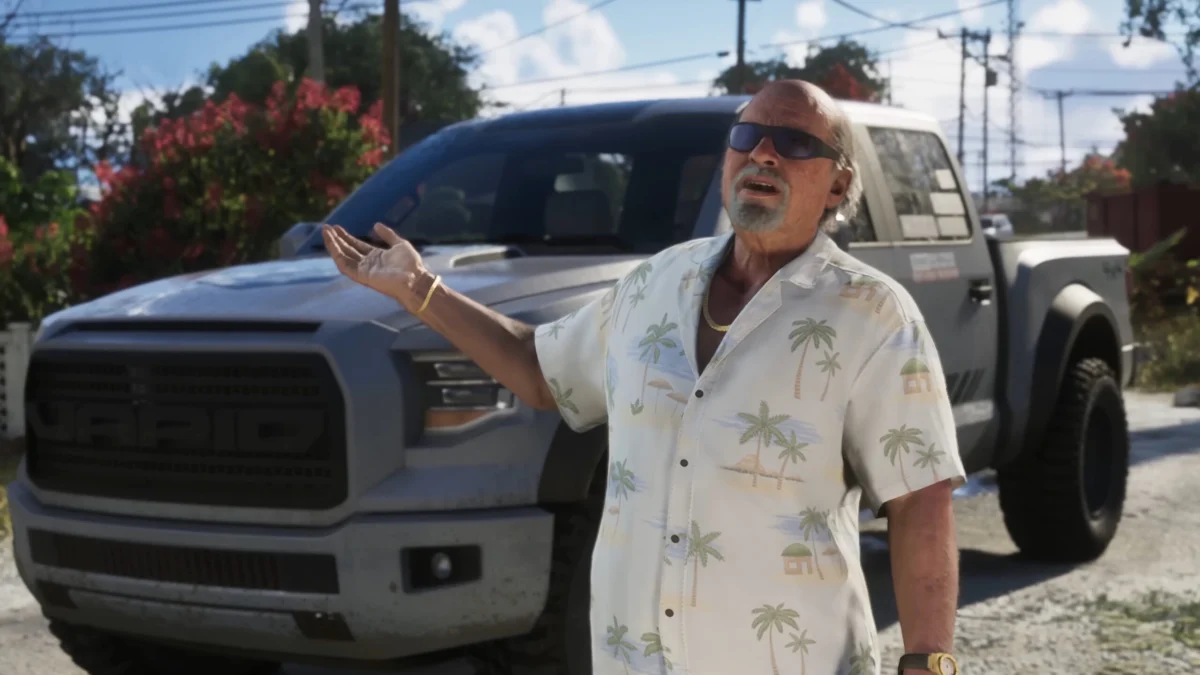
For decades, Rockstar Games has functioned as much as a premier music curator as it has a developer of open-world experiences. From the iconic synth-wave neon of the original Vice City to the genre-spanning sprawl of Grand Theft Auto 5, the series’ radio stations have become cultural touchstones. As fans eagerly await the return to the sunshine-soaked streets of Leonida in Grand Theft Auto 6, the conversation has shifted from gameplay mechanics and graphical fidelity to the one element that defines the "vibe" of any Rockstar the soundtrack.
The Legacy of Rockstar’s Sonic Curation
Rockstar Games has always understood that a game’s atmosphere is dictated as much by what the player hears as what they see. Whether it is the gritty hip-hop of the East Coast in GTA 3, the country-tinged nostalgia of San Andreas’ K-Rose, or the polished pop sensibilities of GTA 5’s Non Stop Pop, the radio stations provide a backdrop that bridges the gap between the player’s reality and the game’s satirical depiction of America.
The genius of the GTA soundtrack lies in its breadth. It doesn’t just curate popular hits; it creates a curated experience that feels lived-in. When players navigate the highways of a digital metropolis, the music serves as an anchor, grounding the absurdity of the game’s mission structure in a familiar musical reality. For many, these stations represent a "friend of a friend" discovery process—the digital equivalent of hearing a song at 4:00 AM in a cramped apartment, only for that track to become the soundtrack to their entire year.
Chronology: A History of Musical Dominance
The history of Grand Theft Auto radio is a history of the music industry’s evolution.
- The 3D Era (2001–2006): During the release of GTA 3, Vice City, and San Andreas, Rockstar relied on period-accurate tracks to transport players to specific eras. Vice City, arguably the gold standard for game soundtracks, utilized the power of 80s pop, rock, and new wave to cement the "Miami Vice" aesthetic that the game aimed to emulate.
- The HD Era (2008–2013): With GTA 4 and GTA 5, the focus shifted toward a modern, hyper-curated aesthetic. GTA 5 in particular expanded into the digital age, incorporating internet radio culture and the rapid-fire shifts of modern pop, EDM, and hip-hop.
- The Modern Era (Present): With the upcoming GTA 6, the challenge for Rockstar is significantly higher. The fragmentation of music via streaming and social media means the soundtrack must balance "timeless" classics with the ephemeral, fast-paced nature of the TikTok era.
Supporting Data: Why the Soundtrack Matters
The importance of the GTA soundtrack is not merely anecdotal. Research into player engagement suggests that "audio immersion" is a primary factor in player retention for open-world games. According to industry metrics, the average player spends roughly 60% of their total playtime inside a vehicle, making the radio the most interacted-with UI element in the game.
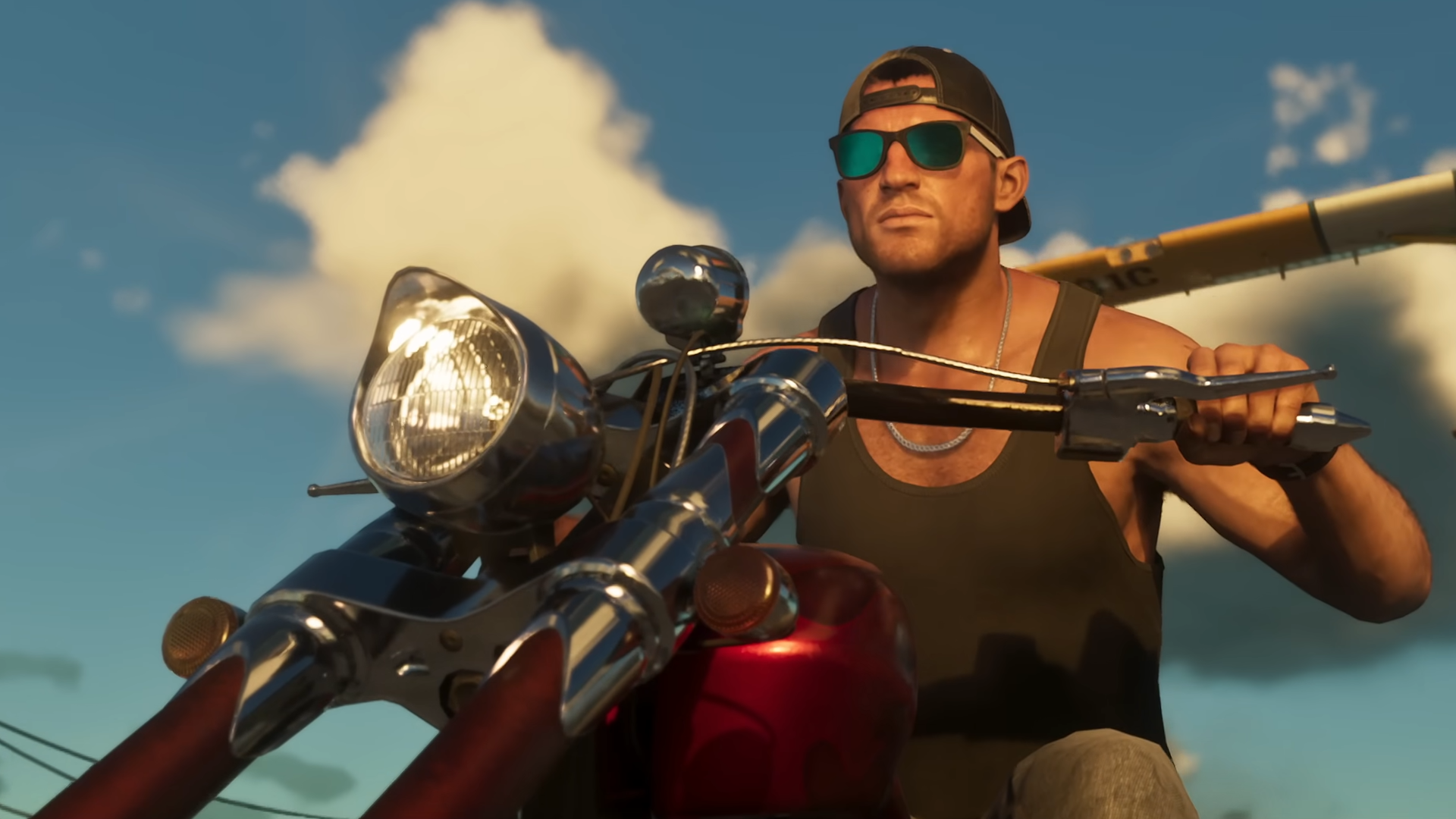
When GTA 5 launched, it didn’t just sell copies; it rejuvenated the careers of artists featured on its stations. Tracks like Amerie’s "1 Thing" or the inclusion of modern staples like Lorde’s "Tennis Court" and M83’s "Midnight City" saw significant surges in streaming numbers long after the game’s release. This "Rockstar Effect" turns the game into a massive promotional engine, where inclusion on a GTA station is considered a hallmark of cultural relevance for artists.
The Challenge of Leonida: Defining the Modern Sound
Grand Theft Auto 6 is set in Leonida, a fictionalized version of modern-day Florida. This setting provides Rockstar with a massive, untapped reservoir of musical potential. Unlike the West Coast of Los Santos, Florida possesses a unique, swampy, high-energy musical heritage that spans from the underground Miami bass scene to the global dominance of modern SoundCloud rap.
The developers face a significant hurdle: how to represent the current "TikTok-ified" music landscape without alienating long-term fans. The "Covid era" of music production—characterized by bedroom pop, viral dance trends, and genre-bending—is ripe for inclusion. However, there is a clear demand from the community for authenticity. Fans are vocal about avoiding "corporate" or "brainrot" tracks that feel forced, preferring instead the niche, gritty, or genre-defying selections that have defined previous entries.
Potential Artists and Stylistic Directions
Looking at the musical trajectory of the last decade, several artists seem destined for a spot on the GTA 6 dial.
- The Modern Pop/Electronic Wave: Artists like Charli XCX, PinkPantheress, and Kaytranada offer a blend of high-energy, infectious beats that fit perfectly with the neon-drenched night-driving experience of a modern Vice City.
- The Rock Revival: For the "inner emo" in every player, the current rock landscape is teeming with acts that could revitalize the series’ rock stations. Bands like Fontaines D.C., Don Broco, and Spiritbox provide a contemporary edge that feels raw, aggressive, and perfectly suited for the chaos of a GTA police chase.
- Tame Impala: As a standard-bearer for modern psychedelic and synth-pop, Tame Impala’s soundscapes are practically tailor-made for cruising down a coastal highway at sunset.
Official Responses and Developer Philosophy
While Rockstar Games is notoriously tight-lipped regarding specific tracklists, their general philosophy on audio design has always emphasized "the feeling of a place." In previous interviews, audio directors have noted that the goal is to make the radio feel as if it is being broadcast from within the city itself. They prioritize songs that evoke the geography of the map.
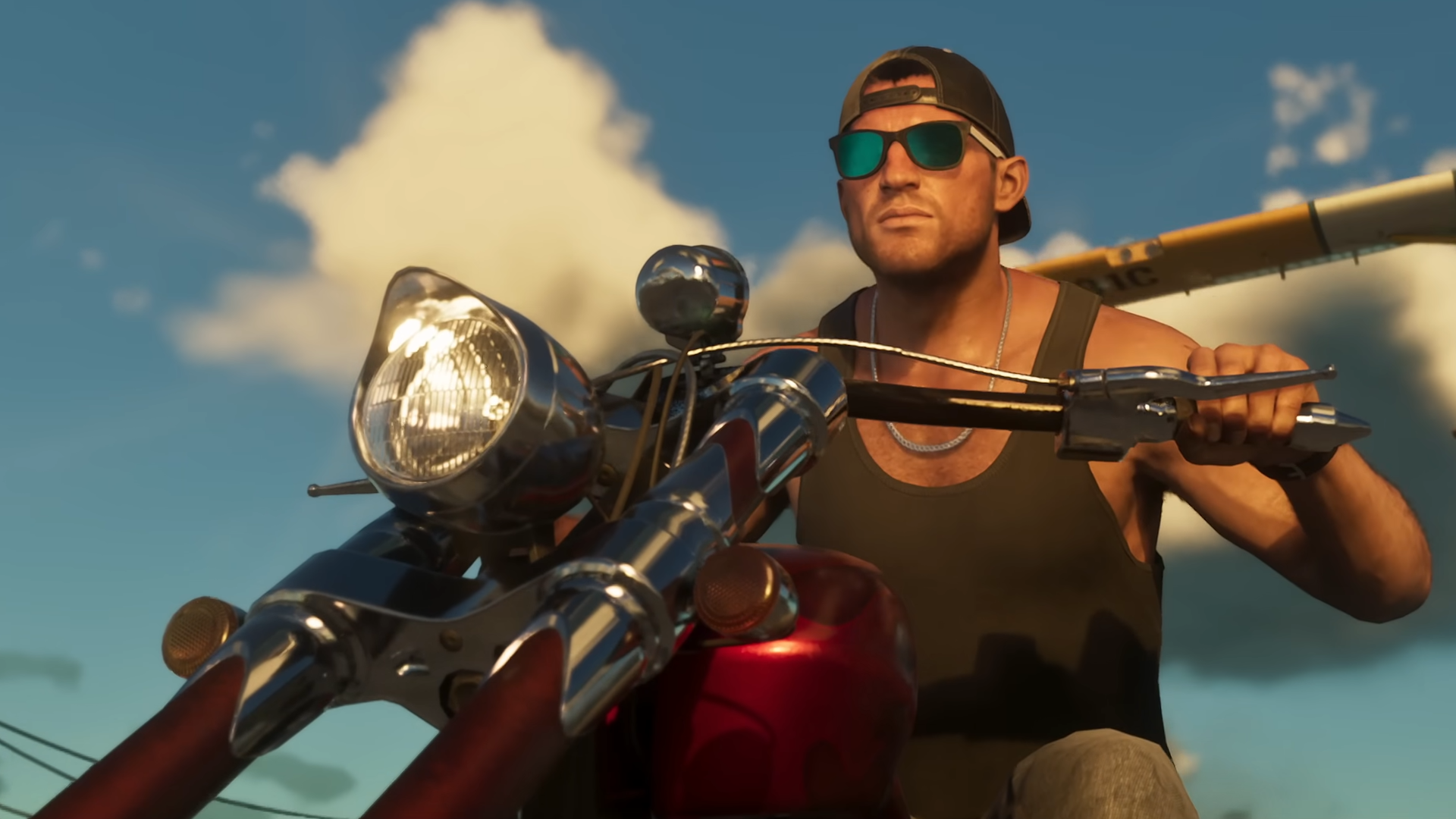
For GTA 6, the focus is expected to lean heavily into the "digital sunshine" aesthetic. We can expect a mix of high-fidelity, polished production and the raw, unpolished energy of Florida’s local music scenes, ensuring that the sound of Leonida feels like a living, breathing entity rather than a static playlist.
Implications for the Gaming Industry
The release of GTA 6 will once again set the bar for how music is integrated into interactive media. The implications are two-fold:
- Cultural Synthesis: Rockstar continues to blur the line between a video game and a cultural platform. By acting as a tastemaker, they influence the listening habits of millions, proving that games are the most effective medium for music discovery today.
- Technological Integration: As games move toward more dynamic, AI-driven environments, the GTA model of radio—where songs are interrupted by satirical news reports, talk shows, and commercials—remains the gold standard for world-building. It reminds us that immersion isn’t just about high-resolution textures; it’s about the sound of the world around us.
Conclusion: The Wishlist
As we count down the days until we can step back into the streets of Vice City, the musical speculation will only intensify. Will we get a station dedicated to the hyper-pop sounds of the 2020s? Will we see a resurgence of classic 80s synth-wave to pay homage to the original game?
The beauty of the Grand Theft Auto experience is that it is a collaborative effort between the developers and the players. Whether you are looking for the next viral hit or a deep cut from a forgotten era, the radio in GTA 6 will likely serve as the heartbeat of the game. For now, the playlist remains a mystery, but one thing is certain: when we finally hop into that first stolen car, the music better be worth the wait.
What are your picks? Are you hoping for a return to the synth-heavy sounds of the 80s, or do you want the game to capture the chaotic, fast-paced energy of today’s streaming charts? Drop your wishlist in the comments below—let’s hope Rockstar is listening.











No comments yet. Be the first to join the conversation!