Suro Senen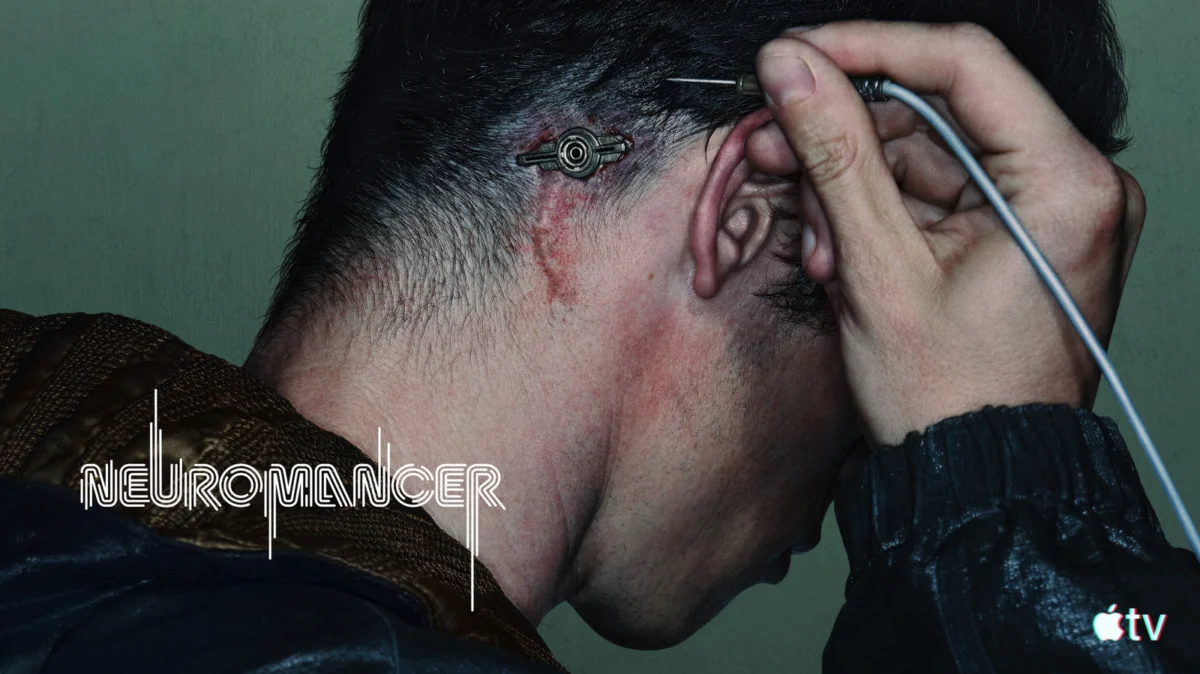
The digital landscape of science fiction is on the verge of a seismic shift. For decades, William Gibson’s seminal 1984 novel, Neuromancer, has been considered the "holy grail" of unadaptable literature—a dense, neon-soaked tapestry of cyberspace, cybernetic augmentations, and corporate hegemony that defined the cyberpunk genre. After years of developmental limbo across various studios, Apple TV+ has finally claimed the mantle. During a high-profile presentation at San Diego Comic-Con, the streaming giant confirmed that its 10-episode limited series will debut on January 22, 2027.
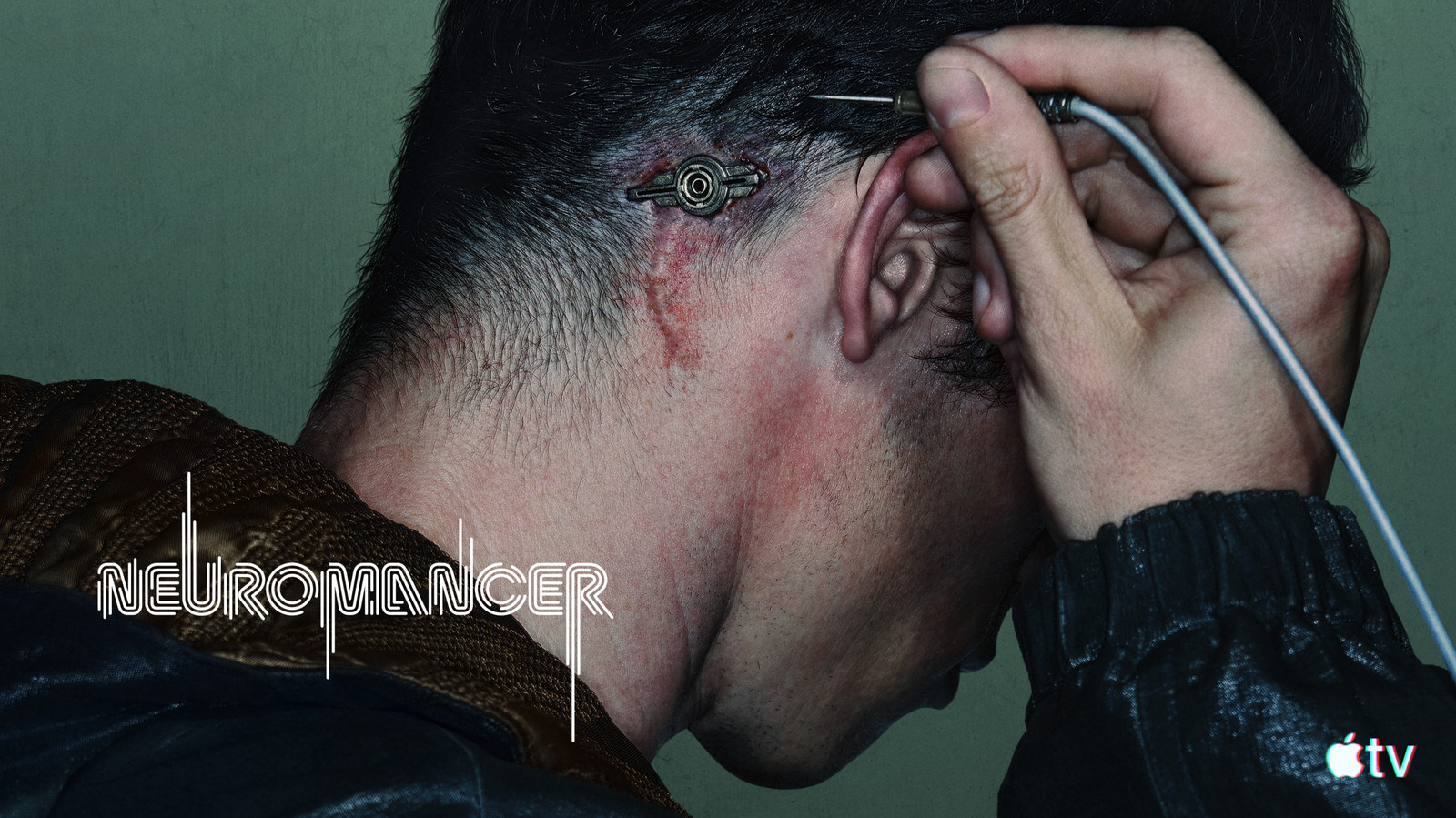
The announcement was accompanied by the project’s first official teaser, offering fans a glimpse into a world that promises to marry the grit of 1980s noir with the cutting-edge visual fidelity that has become a hallmark of Apple’s premium science fiction programming.
The Main Facts: A New Chapter for Cyberpunk
The series, which is set to anchor Apple’s early 2027 content strategy, follows a rigorous release schedule. Subscribers will receive the first two episodes on January 22, with the remaining eight installments rolling out weekly until the finale on March 19.
At the center of the narrative is Henry Dorsett Case, portrayed by Callum Turner. Case is described by Apple as a "damaged, top-rung super-hacker" who has been sidelined by his own vices and failures. His life takes a volatile turn when he is recruited by Molly Millions, a "razor-girl" assassin played by Briana Middleton. Together, they are thrust into a complex web of digital espionage, tasked with executing a high-stakes heist against a powerful corporate dynasty that guards secrets capable of reshaping the future of humanity.
The cast is bolstered by a roster of prestige talent, including Mark Strong, Joseph Lee, Peter Sarsgaard, and Clémence Poésy, signaling Apple’s commitment to high-caliber dramatic performance rather than mere spectacle.
Chronology: From Literary Legend to Streaming Milestone
The path to Neuromancer’s screen debut is a saga of its own. Published in 1984, the novel won the "triple crown" of science fiction awards—the Hugo, the Nebula, and the Philip K. Dick Award. Its influence on popular culture is immeasurable; it effectively codified the concept of "cyberspace" and influenced everything from The Matrix to the visual aesthetic of the modern internet.
For thirty years, the property was stuck in "development hell." Numerous directors, including Chris Cunningham and Joseph Kahn, attempted to bring the Sprawl to the screen, but the technological limitations of the era and the abstract nature of Gibson’s prose made traditional adaptation a daunting task.
In recent years, the tide turned as streaming platforms began investing heavily in "hard" science fiction. Apple TV+, having already found success with ambitious projects like Foundation and Severance, secured the rights and assembled a creative team capable of translating Gibson’s vision. Production began in earnest with the goal of creating an immersive, grounded version of the future that honors the source material while expanding its scope for a serialized format.
Supporting Data: Production Scale and Scope
The sheer scale of the production is reflected in the 10-episode order. By choosing a serialized format over a feature film, the creators—led by executive producers with deep ties to the sci-fi genre—have the breathing room to explore the nuances of the Chiba City underworld and the sprawling corporate towers that serve as the setting for Case’s journey.
Technologically, the series is expected to utilize proprietary VFX techniques, building upon the visual language Apple has developed for its other high-end sci-fi shows. The teaser footage revealed at Comic-Con highlighted the "jack-in" process—the physical act of connecting a human nervous system to a computer network—with a level of tactile, visceral detail that suggests a departure from the "clean" digital aesthetics of modern sci-fi in favor of a dirtier, more analog-inspired future.
The production budget is rumored to be among the highest in Apple’s history, reflecting the complexity of building the "Sprawl" from the ground up. By opting for a January launch, Apple is positioning Neuromancer as a "prestige" event, hoping to capture the post-holiday viewership window when audiences are most hungry for immersive, long-form storytelling.
Official Responses and Creative Approval
Perhaps the most significant piece of news regarding the production is the vocal support of William Gibson himself. Historically, authors of influential novels are often sidelined or disillusioned by adaptations of their work. However, Gibson has been intimately involved as an executive producer.
Following the release of the teaser, Gibson took to the decentralized social platform Bluesky to express his approval. "Anyone who doesn’t see how very satisfied I’ve been throughout production doesn’t get what I most want out of an adaptation," Gibson wrote. "Mind you, that does tend to happen."
This endorsement is a powerful signal to the fanbase. Gibson’s involvement suggests that while the show may take liberties to modernize the pacing and narrative structure for a 2027 audience, the soul of the work—its cynicism regarding technology, its focus on the human cost of corporate greed, and its poetic, gritty aesthetic—remains intact.
Implications: The Future of "Hard" Sci-Fi
The success of Neuromancer on Apple TV+ could have profound implications for the television industry. If the show lands successfully, it validates the strategy of taking "unadaptable" literary classics and giving them the "prestige drama" treatment.
Expanding the Genre
For years, science fiction on television was relegated to the fringes, often associated with low-budget procedural tropes. Neuromancer represents the culmination of a decade-long shift toward legitimizing the genre. If the show performs well, it will likely trigger a gold rush for other foundational cyberpunk works (such as Neal Stephenson’s Snow Crash or Bruce Sterling’s Schismatrix), further cementing the genre’s place in the mainstream zeitgeist.
The Apple TV+ Ecosystem
For Apple, this is about more than just subscribers. It is about brand identity. By consistently delivering high-concept, intellectually demanding sci-fi, Apple is positioning its streaming service as the "thinking person’s" destination. Unlike competitors who often focus on broad-appeal franchise content, Apple is betting on the intellectual weight of authors like Gibson, Isaac Asimov, and Hugh Howey.
The Challenges Ahead
Despite the hype, the show faces a significant challenge: expectations. Because Neuromancer is a foundational text, every fan has a different vision of how the Sprawl should look and sound. The creative team faces the risk of either being too faithful (and potentially alienating new viewers) or too radical (and upsetting the core fanbase).
However, the choice to release the show over the course of two months suggests that Apple is confident in the show’s ability to maintain "watercooler" conversation. By keeping the audience engaged from late January through mid-March, they are creating a sustained narrative event rather than a "binge and forget" weekend release.
Conclusion: A New Digital Frontier
As the January 22, 2027, premiere date approaches, the excitement surrounding Neuromancer is palpable. It is a rare confluence of a legendary source material, a massive production budget, and the active blessing of its creator.
Whether the series will successfully capture the lightning-in-a-bottle energy of the original novel remains to be seen. But for a world that has only grown more "cyberpunk" in the forty years since Gibson first envisioned his digital dystopia, the arrival of Neuromancer on our screens feels not just timely, but necessary. As Case, Molly, and the rest of the cast prepare to step into the console, the audience is ready to follow them into the neon void.
In the words of the genre’s own lexicon, the data is being uploaded, the connection is being established, and come January, we will all be watching to see if the reality lives up to the dream.

 Asro
Asro
 Rifan Muazin