

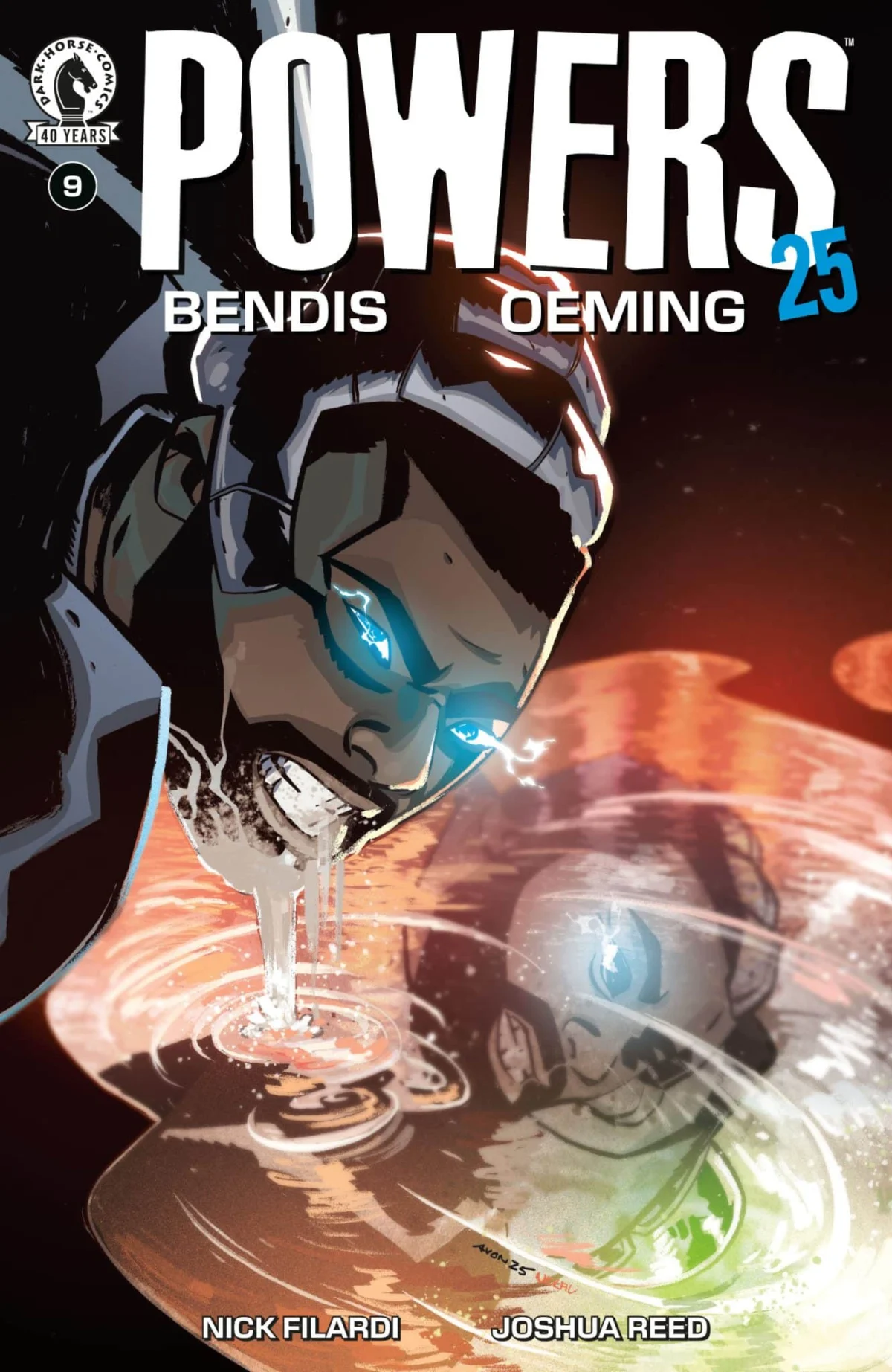
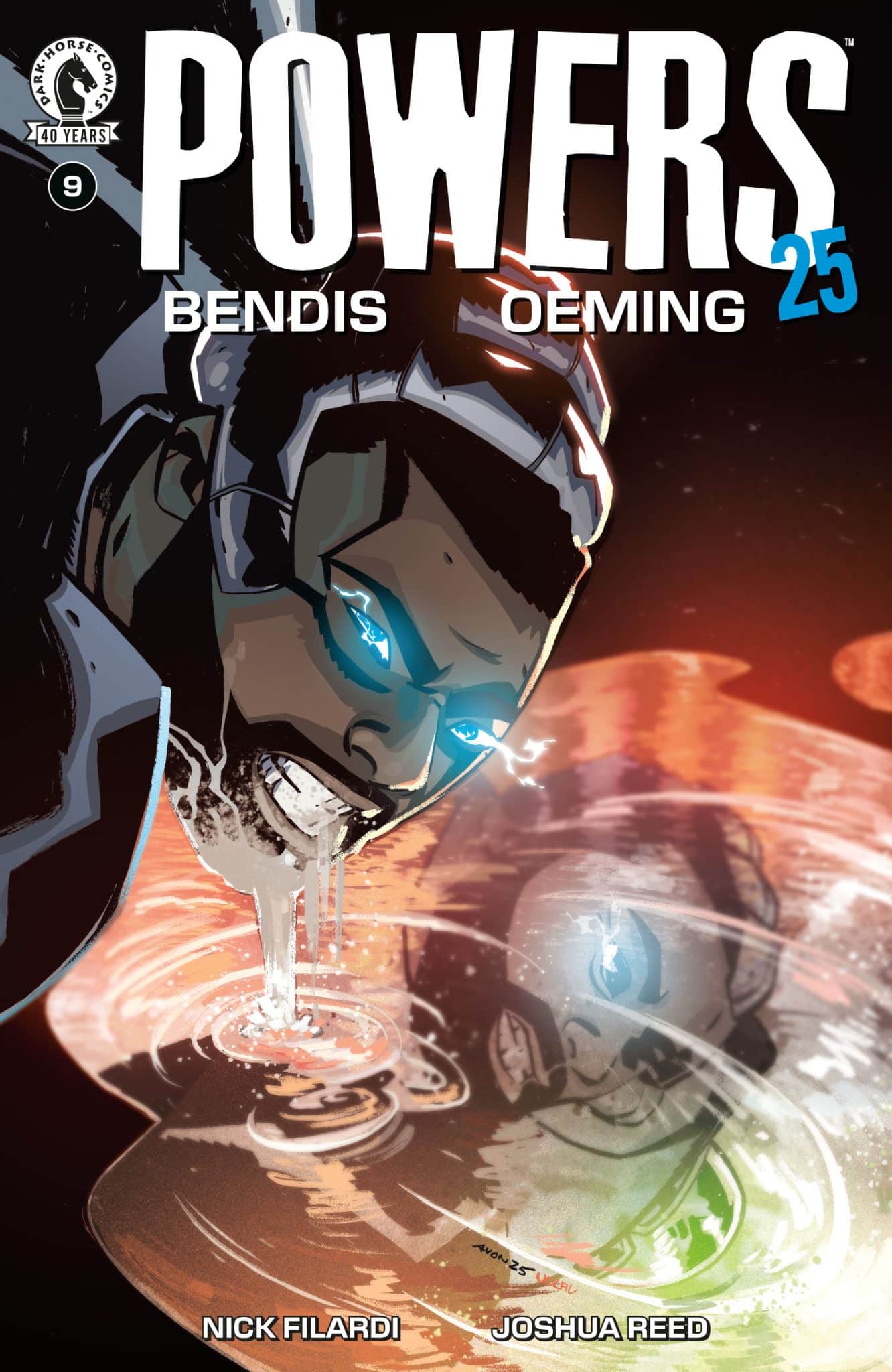
The landscape of modern comics has long been defined by the gritty, noir-infused storytelling of Brian Michael Bendis and Michael Avon Oeming. For a quarter of a century, their seminal series, Powers, has dissected the intersection of celebrity, criminality, and the superhuman condition. Now, as the series hits its latest milestone with Powers 25 #9, the creative duo is pulling no punches. The city is once again on the brink of collapse, and the fault lines—drawn by politics and powered by ego—are beginning to bleed.
Main Facts: A City Divided
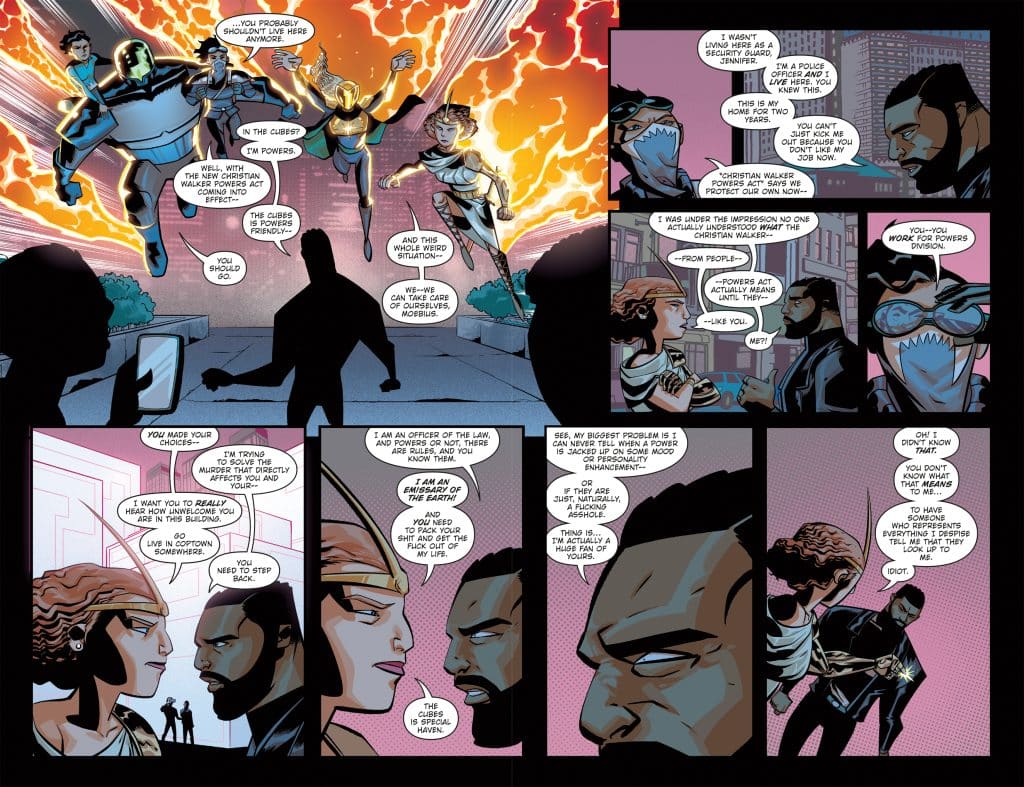
Powers 25 #9 serves as a volatile new chapter in what has become a defining saga for the medium. At the center of this installment is the "Christian Walker Powers Act," a piece of legislation that has become the catalyst for total societal breakdown. The act, which attempts to codify the legal standing of individuals with extraordinary abilities, has polarized the citizenry.
The Powers Division, tasked with policing the very beings they are supposed to protect, finds itself caught in an impossible crossfire. The tension is no longer confined to back-alley brawls; it has evolved into an ideological and existential war. On one side, the Powers Division struggles to maintain order; on the other, a cadre of rogue super-scientists has emerged, weaponizing their intellect against the establishment. The resulting conflict is not merely a clash of powers, but a fundamental challenge to the laws governing human—and non-human—existence.
A Chronology of a Quarter-Century
To understand the gravity of Powers 25 #9, one must contextualize the 25-year history of the series. Launched as a subversion of the traditional superhero genre, Powers introduced the world to Christian Walker and Deena Pilgrim, two homicide detectives working in a world where "powers" are a public, often mundane, reality.
- The Early Years (The Foundations): The series began by grounding the impossible in the procedural. By focusing on the detectives rather than the costumed vigilantes, Bendis and Oeming created a template for "superhero noir" that countless creators have since mimicked.
- The Mid-Series Evolution: As the series progressed, the scope expanded from local crime to international conspiracy. The mystery behind Walker’s own past and the true nature of "powers" became the narrative backbone.
- The Modern Era: With the current arc, the series has returned to its roots—urban unrest—while raising the stakes to a breaking point. The transition from Powers to Powers 25 represents a maturation of the franchise, shifting from a "case of the week" format to a serialized, politically charged epic that reflects contemporary societal tensions.
Supporting Data: The Anatomy of a Conflict
The conflict presented in this latest issue is supported by an intricate narrative framework. The "Christian Walker Powers Act" is a masterclass in world-building, serving as a reflection of real-world debates regarding surveillance, civil liberties, and the dangers of unchecked authority.
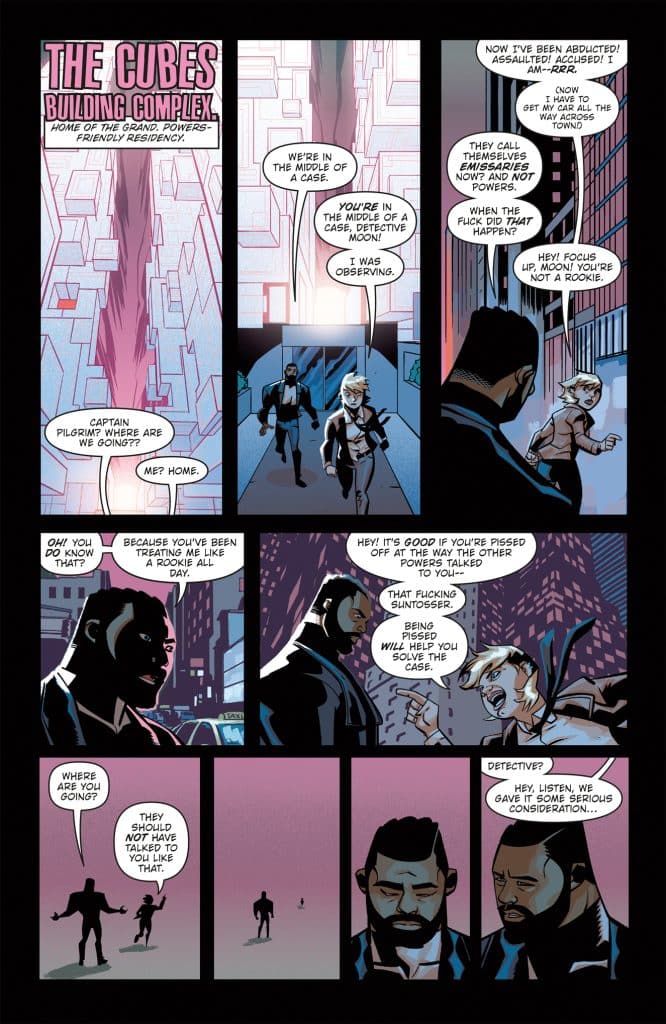
The collaboration between Bendis and Oeming remains the series’ strongest asset. Oeming’s distinct, angular art style—complemented by the vibrant, moody color palette of Nick Filardi—creates an atmosphere that is simultaneously cinematic and claustrophobic. The visual storytelling in this issue, specifically the way the super-scientists are depicted, suggests a shift in the power dynamic. They are no longer "mad scientists" in lab coats; they are strategic combatants operating with surgical precision, creating a tactical nightmare for the Powers Division.

Letterer Joshua Reed further enhances the tension, using typography that reflects the chaotic, noisy environment of a city under siege. Every page of this preview material suggests that the stakes are no longer theoretical; characters are facing permanent, life-altering consequences.
Official Responses and Creative Insight
In recent discussions regarding the series, Brian Michael Bendis has highlighted the importance of the 25-year journey. "When we started Powers, we wanted to see how the world would really react to the existence of gods among us," Bendis stated. "We didn’t want to write about the capes and the flight; we wanted to write about the fallout. After twenty-five years, the fallout has become the story."
Michael Avon Oeming echoed these sentiments, noting that the artistic evolution of the book has been a direct response to the escalating intensity of the scripts. "We aren’t just drawing a fight scene," Oeming explained. "We’re drawing a collapse of order. The design of the technology and the environment reflects a world that has stopped caring about the rules and started caring about survival."
While no official "in-universe" statement has been released from the fictional characters within the series, the promotional material for issue #9 highlights a grim consensus: "The lines are being drawn in blood."
The Implications: Where Do We Go From Here?
The implications of Powers 25 #9 are vast. If the Powers Division loses control of the super-scientists, the very nature of human society could be permanently altered. The legislation at the heart of the story suggests a potential "end of the road" for the status quo.
- Legislative Gridlock: If the Christian Walker Powers Act fails or is overturned, it could lead to a power vacuum that allows for more radical, underground organizations to seize control.
- The Human Factor: As the series has always done, it forces the reader to ask: what happens to the average person when their neighborhood becomes a battlefield? The focus on the "little guy" in this issue serves as a stark reminder of the cost of superhuman conflict.
- The Legacy of the Series: By incorporating a 25-year retrospective, the creative team is signaling that this might be a definitive chapter. Whether this leads to a conclusion of the overarching narrative or a transition into a new, darker era, the impact on the industry is undeniable.
Conclusion: A Must-Read Milestone
Powers 25 #9 is not just another issue in a long-running series; it is a culmination of decades of thematic development. It brings together the investigative grit of the early days with the high-stakes, world-ending threats that have defined the modern era of the comic.
For longtime fans, the retrospective elements provide a satisfying emotional payoff, while the current, blistering narrative ensures that the series remains as vital and provocative as it was in its infancy. As the Powers Division braces for what is shaping up to be their most dangerous challenge yet, readers are invited to witness a story that refuses to blink.
The city is tearing itself apart, the scientists are at war, and the law is little more than a suggestion. In the world of Powers, that is exactly where the best stories happen. As we look forward to the resolution of this arc, one thing is certain: the legacy of Powers will be defined by its refusal to compromise, its dedication to the grit of the street, and its unflinching look at what it means to be human in a world that has forgotten how to be.
Powers 25 #9 is available now, marking a quarter-century of unparalleled storytelling. Readers are encouraged to dive into the archives as well, to truly appreciate the depth of the world Bendis and Oeming have built.










No comments yet. Be the first to join the conversation!