

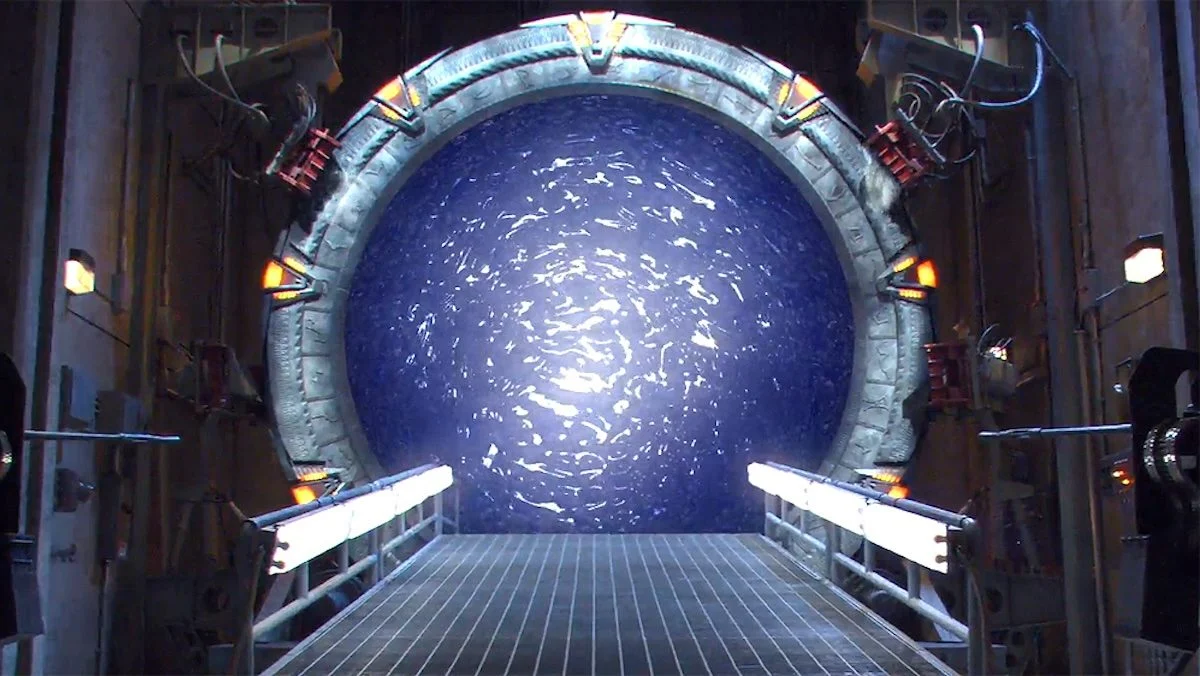
In the vast, expansive pantheon of science fiction, few franchises possess the enduring cultural gravity of those beginning with the word “Star.” While Star Wars and Star Trek dominate the public consciousness with their relentless output and intergenerational fandoms, Stargate has historically occupied a unique, albeit quieter, orbit. For years, rumors of a grand revival at Amazon MGM Studios have circulated through the halls of Hollywood, promising a return to the iconic circular portals that defined the late 90s and early 2000s.
However, in a significant industry development, reports from Variety have confirmed that the highly anticipated Stargate television series, which was to be spearheaded by veteran franchise writer and producer Martin Gero, has been officially scrapped. The decision marks a major pivot in strategy for Amazon, highlighting the increasingly difficult tension between honoring legacy intellectual property and the necessity of cultivating a modern, mainstream audience.
A Legacy Lost in Translation: The Gero Project
Martin Gero, a name synonymous with the golden era of the franchise, was tasked with shepherding the Stargate brand into the streaming age. Having cut his teeth on Stargate SG-1 and Stargate: Atlantis, Gero was viewed as the natural heir to the creative mantle, capable of bridging the gap between the show’s complex, lore-heavy history and contemporary production standards.
According to industry insiders, the project was intended to be a faithful expansion of the existing universe. However, Amazon MGM Studios—having analyzed the creative direction—ultimately pulled the plug. The core issue, it seems, was accessibility. Executives reportedly concluded that Gero’s vision was too deeply rooted in the established mythology of the Stargate series, creating a high barrier to entry for casual viewers who lack a working knowledge of the franchise’s decades-long history.
A Brief Chronology of the Stargate Universe
To understand why Amazon is currently struggling to find a path forward, one must look at the sprawling, intricate history of the property. Stargate began not as a television juggernaut, but as a 1994 feature film directed by Roland Emmerich and written by Dean Devlin. Starring James Spader as Dr. Daniel Jackson and Kurt Russell as Colonel Jack O’Neil, the film provided a modest, gritty sci-fi premise: the discovery of an ancient device capable of folding space-time to connect distant worlds.
The franchise’s true lifeblood, however, arrived in 1997 with the premiere of Stargate SG-1. Starring Richard Dean Anderson, Michael Shanks, Amanda Tapping, and Christopher Judge, the series ran for a remarkable 10 seasons, effectively building a massive, interconnected galaxy of deities, alien species, and military intrigue.
The success of SG-1 birthed a robust ecosystem:
- 2004–2008: Stargate Atlantis debuted, transplanting the core concept to a lost city in the Pegasus galaxy, running for five seasons.
- 2009–2011: Stargate Universe attempted a darker, more character-driven approach, aiming for a tone similar to Battlestar Galactica.
- 2018: The web series Stargate Origins attempted to reignite interest but failed to capture the zeitgeist.
- The Expanded Media: Beyond the screen, the franchise has been kept alive by a dense web of novels, comic books, and video games, all of which contribute to the "lore density" that Amazon now finds problematic.
The "Buffy" Dilemma: Accessibility vs. Authenticity
The cancellation of the Stargate revival is not an isolated incident in the current media landscape. It mirrors a growing trend among streaming giants: the struggle to "reboot" legacy IP without alienating either the original fanbase or the modern, general audience.
A similar fate befell the planned Buffy the Vampire Slayer revival at Hulu. In that instance, executives similarly cited that the project required too much "homework" from viewers—a demand that is increasingly viewed as a liability in the competitive streaming era. Amazon appears to be operating under the philosophy that a franchise title is merely a marketing hook, and that the narrative substance underneath should be "clean" enough to function as a standalone entry point.
This poses a fundamental question: Is Stargate a brand that can exist without its history? For the diehard fan, the answer is a resounding no. The beauty of the original series lay in the accumulation of knowledge, the evolving dynamics between SG-1 team members, and the long-term stakes of the Goa’uld and Ori conflicts. If Amazon chooses to strip away this continuity to make the show "mainstream," they risk producing a generic sci-fi series that wears the Stargate name like a hollow skin.
Official Responses and Corporate Strategy
While Amazon MGM Studios has not released a granular breakdown of their creative notes, they have maintained a consistent line in official statements: they are still committed to exploring the franchise. The studio acknowledges that Stargate remains a high-value asset in their library, particularly following the massive acquisition of MGM.
Speculation within Hollywood suggests that Amazon is now considering a "soft reboot" or a complete reimagining. There is talk that the studio may pivot away from a serialized television format, opting instead for a high-budget feature film on Prime Video to test the waters. By resetting the clock with a standalone film, Amazon could potentially bypass the "lore fatigue" associated with the previous shows, allowing them to establish a new tone and aesthetic before committing to a multi-season series order.
Implications for the Future of Sci-Fi
The Stargate situation highlights a broader existential crisis for long-running science fiction franchises. As streaming platforms become more data-driven, the emphasis is shifting toward "four-quadrant" accessibility. Executives are increasingly wary of "fandom-gated" content, where the barrier to entry is high enough to discourage the average subscriber from pressing "play."
However, this data-driven approach often ignores the "cult" nature of franchises like Stargate. These shows built their longevity through deep-dive engagement—the kind of engagement that turns viewers into evangelists. By prioritizing mass-market appeal, studios run the risk of alienating the very audience that kept the brand relevant for 30 years.
For now, the intergalactic portals remain closed. The cancellation of Martin Gero’s series serves as a sobering reminder that even the most beloved intellectual properties are not guaranteed a future in the current Hollywood climate. Amazon is clearly recalibrating, and while they remain interested in the Stargate brand, the path forward is shrouded in the same mystery as the destination of an unstable wormhole.
Conclusion: The Long Road Ahead
The wait for a new Stargate adventure is now significantly longer than anyone anticipated. Fans who were hopeful for a return to the SGC (Stargate Command) will have to exercise patience as Amazon navigates the difficult middle ground between franchise stewardship and market-driven creative development.
Whether the studio decides to honor the legacy of the original series or opts for a total, unrecognizable reinvention remains to be seen. What is clear, however, is that Stargate possesses a spirit of exploration that has proven resilient against the test of time. While the current project has been shelved, the history of the franchise suggests that its core premise—that there is always something new to find on the other side of the gate—is too compelling to be abandoned indefinitely.
Until the studio finds the right creative balance, the gates will remain silent. But for the millions of viewers who grew up watching the adventures of SG-1, the hope remains that one day, the chevron will lock once more, and the swirling blue horizon of the event horizon will signal a new era for one of science fiction’s most cherished, if currently stalled, franchises.










No comments yet. Be the first to join the conversation!