In the modern digital economy, LinkedIn has evolved from a simple digital Rolodex into the primary operating system for the global workforce. As the platform marks its 24th year, its influence on hiring, B2B marketing, and professional development has never been more pronounced. For organizations and individual professionals alike, understanding the data behind the platform is no longer optional—it is a prerequisite for a successful digital strategy.
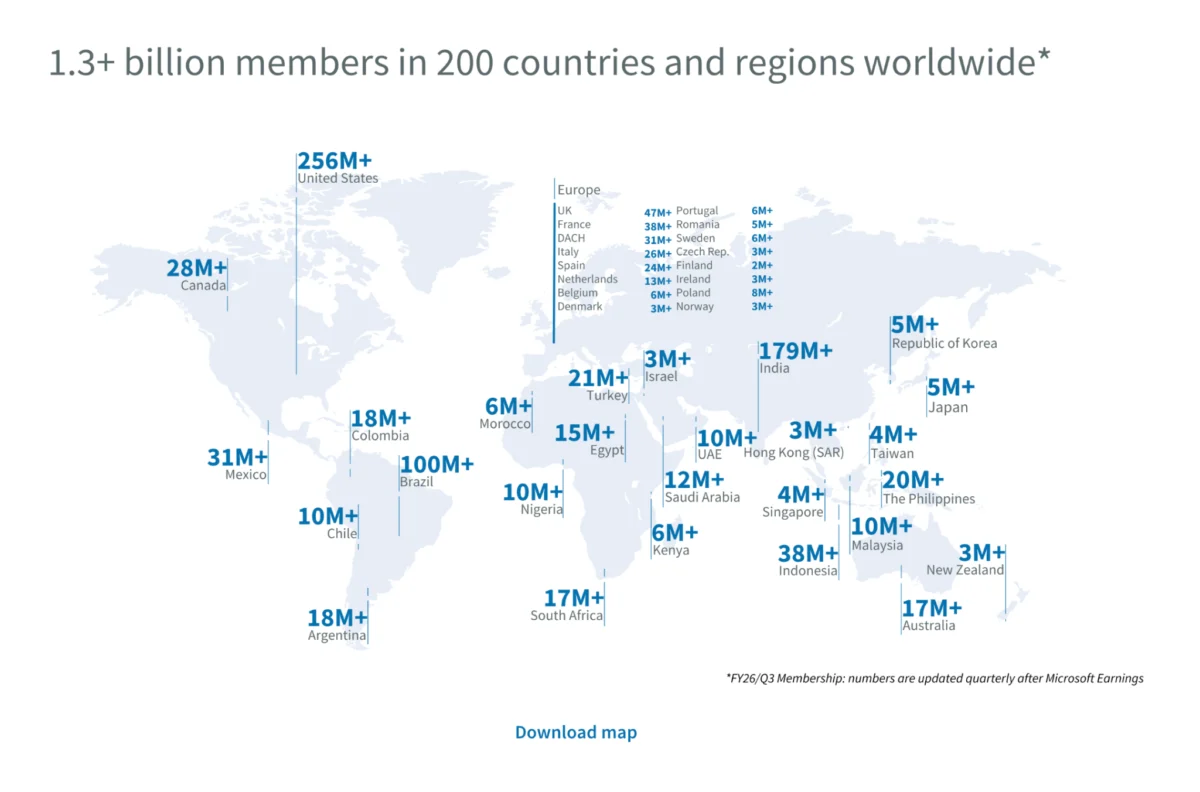
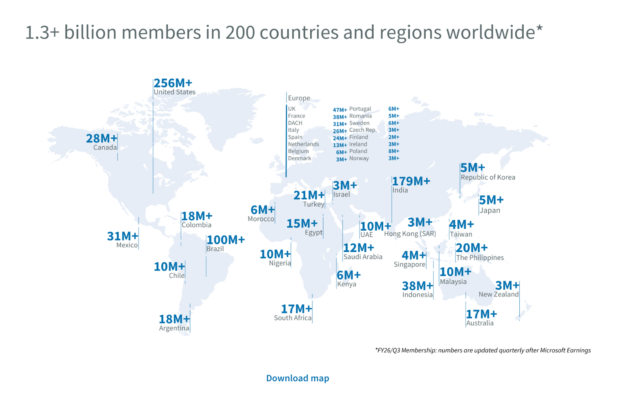
With over 1.3 billion registered members and a revenue stream that continues to climb, LinkedIn’s trajectory in 2026 offers a window into how the world works, recruits, and builds influence.

A Legacy of Growth: The Chronology of LinkedIn
Launched on May 5, 2003, by Reid Hoffman in his living room, LinkedIn predated the rise of the modern social media era by nearly a year. What began as an experimental network for Silicon Valley elite has, two decades later, become a global infrastructure for professional life.
The platform’s acquisition by Microsoft in 2016 served as a pivotal turning point, allowing it to integrate seamlessly into enterprise workflows. Under the leadership of Ryan Roslansky, and with Daniel Shapero stepping into the role of CEO in April 2026, the company has transitioned from a networking site to a diversified revenue engine. By the end of 2025, LinkedIn reported an annual revenue of $17.8 billion, a testament to the platform’s ability to monetize membership subscriptions, high-level recruitment tools, and sophisticated advertising solutions.

The Global Professional Landscape
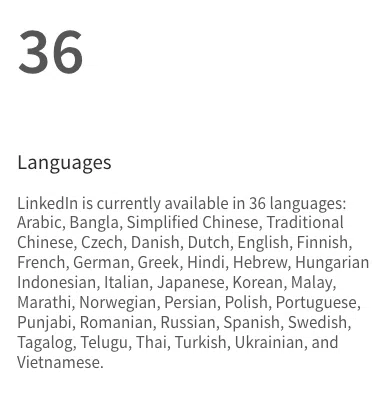
LinkedIn’s reach is truly borderless, spanning over 200 countries and regions. While the United States remains the platform’s largest market with over 270 million members, international growth is the current headline. Brazil, in particular, reached a massive milestone in June 2026, crossing 100 million members. This expansion is supported by a workforce of over 17,500 employees operating across 38 global cities and supporting 36 distinct languages.
Demographic Shifts
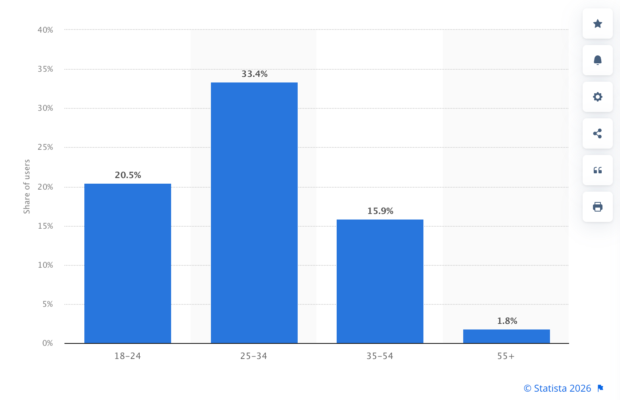
The user base is not only growing; it is getting younger. Gen Z is currently the fastest-growing demographic on the platform. As this generation prepares to become the largest cohort in the workforce by 2035, their presence on LinkedIn is reshaping the type of content that performs well. Currently, the largest age segment on the platform is 25- to 34-year-olds, who comprise 33.4% of total users. This demographic shift explains the surge in video content, as younger professionals bring their preference for short-form, visual media into the corporate sphere.
Supporting Data: By the Numbers
To navigate the platform effectively, marketers and professionals must look at the granular metrics that define success in 2026:
- Content Velocity: Every minute, members engage with 1.5 million pieces of content. This encompasses everything from thought-leadership articles to the ubiquitous career update.
- The Power of Verification: With over 100 million verified members, the platform has successfully built a "trust layer." Verified members enjoy up to 60% more profile views and 50% more post engagement, while verified company pages see 10.9x more views than their unverified counterparts.
- Recruitment Power: The platform remains a job-seeker’s primary hub, processing over 10,000 job applications every minute.
- The "CEO Effect": Executive presence is at an all-time high. CEO posting activity has surged by 52% over the past two years, signaling that the "C-suite" is no longer content to remain in the background—they are actively curating their professional brands.
Advertising and ROI: The B2B Goldmine
For B2B marketers, the barrier to entry on LinkedIn—higher cost-per-click (CPC) compared to other social networks—is offset by the unparalleled quality of the audience. The average CPC of $6.93 USD is effectively a premium for reaching decision-makers.
Strategic Implications for Advertisers
Data from 2026 shows that LinkedIn is the undisputed leader in B2B ROI. A report by Dreamdata found that LinkedIn ads delivered a 121% Return on Ad Spend (ROAS), significantly outperforming Google Search and Meta.
Perhaps most critical for long-term strategy is the "long-game" nature of the platform. The average time from the first LinkedIn ad impression to actual revenue conversion is 281 days. This data point is essential for marketers: it proves that LinkedIn is not merely a tool for direct response, but a high-trust channel for long-cycle B2B sales. Brands that use the platform to build awareness and share thought leadership are effectively planting the seeds for revenue that will mature nearly a year later.
Implications for Modern Strategy
What do these statistics mean for the average business or professional in 2026?
1. The Video Imperative
Video is no longer a "nice to have." With a 36% increase in video views and a 30% year-over-year growth in paid video ads, brands that fail to incorporate motion and visual storytelling into their LinkedIn strategy will be left behind. The data is clear: video stops the scroll and drives five times more engagement than static text posts.
2. Consistency Over Intensity
The myth that one must post daily to succeed on LinkedIn is debunked by the data. While massive accounts post frequently, the most effective strategy for the average company is consistent weekly engagement. Companies that commit to at least one quality post per week see a 2x lift in engagement. It is a game of reliability, not frequency.
3. The Shift to "Human-Centric" Branding
The rise in CEO posting and the success of behind-the-scenes content suggest that the professional world is demanding more transparency. The sterile, overly formal corporate speak of the early 2010s is being replaced by authentic, human-centric narratives. Whether it is an executive sharing a personal lesson or a company showcasing its team culture, the brands that feel "human" are the ones winning the trust of the 10 million C-level executives active on the platform.
4. Global Reach, Local Strategy
With 77% of users based outside the United States, global brands must tailor their content to regional nuances. A strategy that works in North America may not resonate in India or Brazil. Utilizing LinkedIn’s demographic targeting tools to segment by region and industry is the only way to ensure marketing budgets are spent on high-intent leads.
Final Thoughts: The Future of Professional Networking
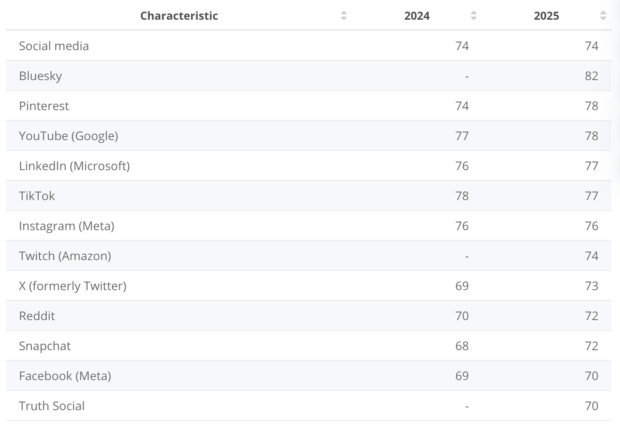
As of May 2026, 1.9 billion people visit LinkedIn every month. This massive volume of traffic, combined with the platform’s high customer satisfaction score (77/100—outperforming both Facebook and X), confirms that LinkedIn has successfully positioned itself as the "safe space" for the internet.
For the marketer, the recruiter, and the ambitious professional, the path forward is clear: lean into video, focus on building trust through verification, and treat LinkedIn as a long-term investment rather than a quick-fix marketing channel. As the platform continues to integrate advanced AI features and deeper professional data, its role as the backbone of the global economy will only solidify further. In 2026, the question is not whether your organization should be on LinkedIn, but how effectively you can utilize its massive, interconnected ecosystem to drive real-world results.