

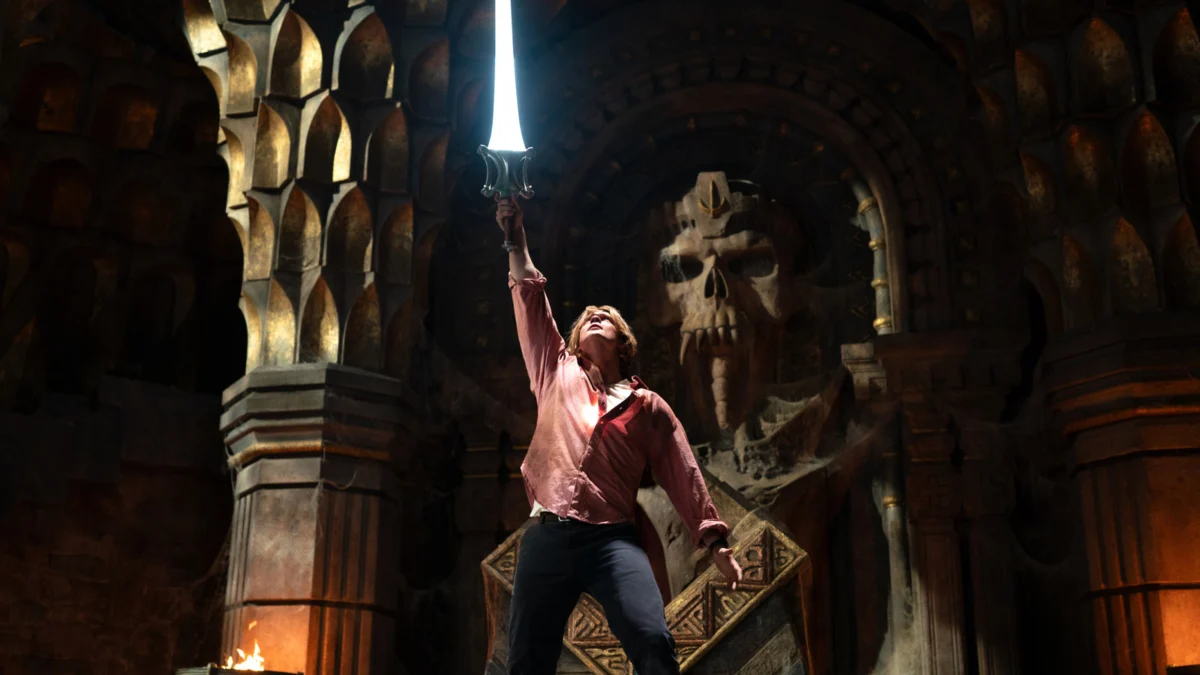
By the power of Grayskull, the 2026 Masters of the Universe reboot has arrived, successfully bridging the gap between nostalgic 1980s charm and modern blockbuster sensibilities. Under the direction of Travis Knight, the film has managed a difficult feat: taking the inherent, campy absurdity of a world populated by skull-faced overlords and telepathic green tigers, and grounding it in genuine, high-stakes drama.
As the credits roll on what is shaping up to be one of the summer’s most discussed genre films, audiences are left with more than just the satisfaction of a finished story. The film’s post-credits sequences have ignited a firestorm of speculation, effectively mapping out a sprawling cinematic universe that promises to go far beyond the borders of Eternia.
Main Facts: The New Era of Eternia
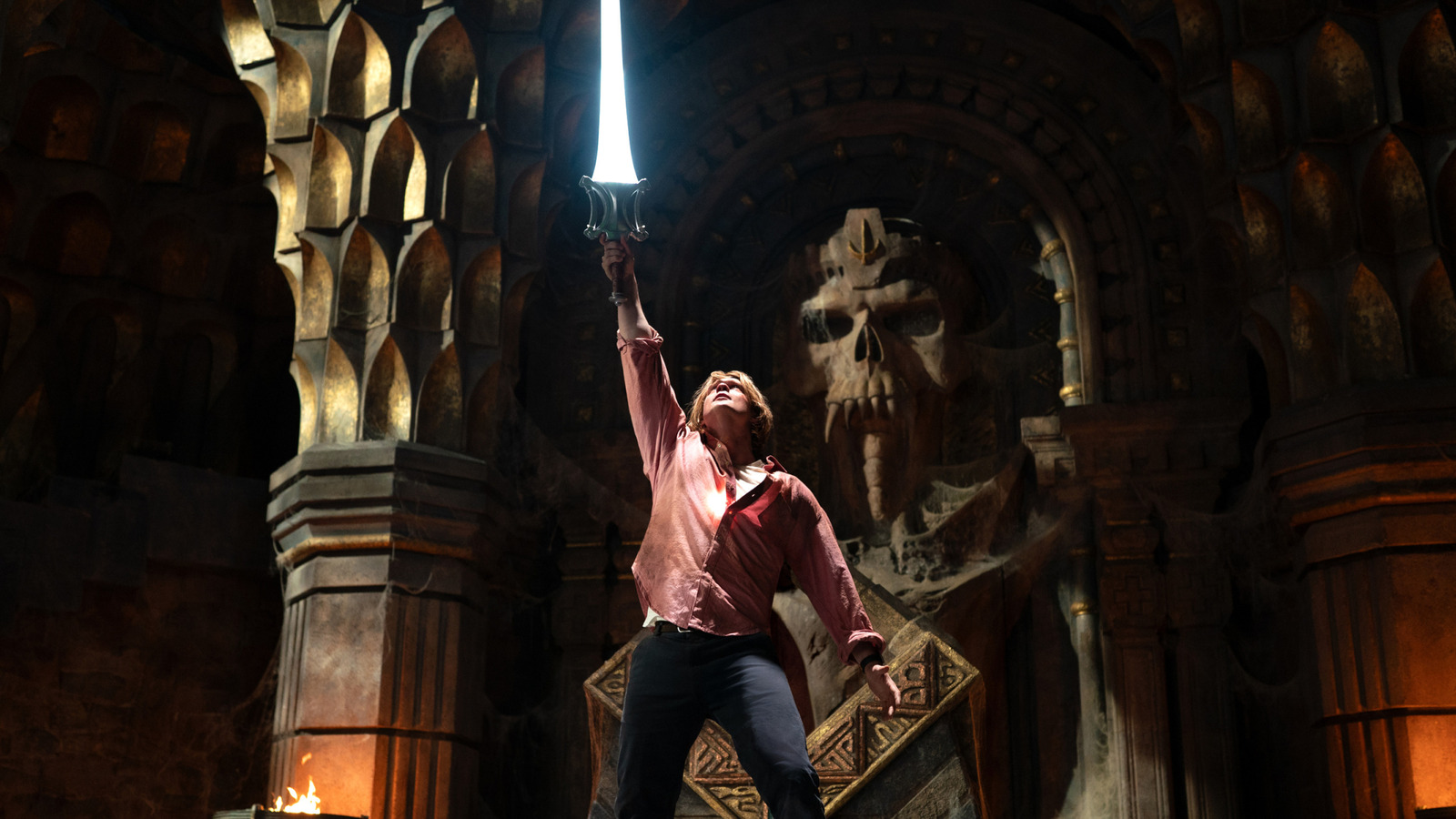
The latest Masters of the Universe iteration is a masterclass in tonal balance. By treating the source material with reverence while acknowledging its playful origins, the film reintroduces Prince Adam (the protagonist) to a new generation. Central to this success is the performance of the core cast—notably the menacing portrayal of Skeletor—and a narrative that treats the transformation of Adam into He-Man not as a joke, but as a pivotal, world-altering event.
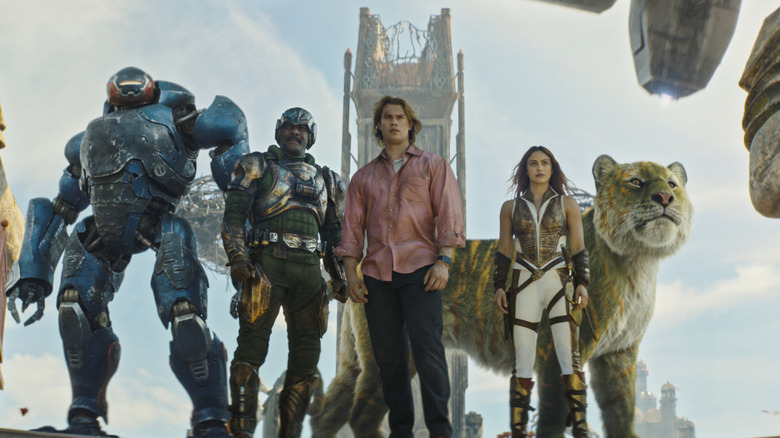
However, the film’s narrative scope is significantly larger than a single outing. By integrating characters like Man-at-Arms (played by Idris Elba) and Queen Marlena (Charlotte Riley), the film establishes a deep political and familial history that serves as a foundation for future sequels. The post-credits scenes serve as the definitive "roadmap" for this burgeoning franchise, confirming that the studio is not merely making a standalone movie, but building a foundational pillar for a larger shared universe.
A Chronology of the Credits: What We Witnessed
To understand the future, one must look at the final moments of the film. The post-credits sequences are structured in a three-act reveal that shifts the stakes from the immediate conflict to a looming cosmic threat.
The Comic Relief: Orko’s Arrival
The first post-credits sequence offers a nod to the fans of the original animated series. The fan-favorite, dimension-hopping wizard Orko makes a brief appearance. His inclusion serves as a bridge between the "goofy" legacy of the franchise and the current, more serious tone. By having Orko deliver a summary of the film’s core themes, the filmmakers successfully canonize the more lighthearted elements of the lore without jarring the audience.
The Reveal: The Princess of Power
The second scene is the heavy hitter. Following the reclamation of the city of Eternos, we see Queen Marlena and Man-at-Arms discussing a "missing person." The scene cuts to a sweeping vista of a sprawling, unknown city. A woman stands overlooking the horizon, draped in a distinctive red cape and clutching the legendary Sword of Protection.
This is unequivocally She-Ra. While the film avoids explicitly naming her or showing the actor’s face, the visual cues—the costume, the sword, and the subtle, triumphant musical swell of the original She-Ra theme—make her identity unmistakable. When an unseen character approaches and asks, "Force Captain Adora?", she replies, "No, not anymore." This dialogue confirms that the film is drawing heavily from the She-Ra and the Princesses of Power mythos, where Adora, the twin sister of Adam, was once a high-ranking officer in the Evil Horde before finding redemption.
The Lingering Threat: Evil-Lyn and the Skull
The final scene brings the focus back to the primary antagonist. We see Alison Brie’s Evil-Lyn, a character who displayed incredible tactical prowess throughout the film, retrieving the disembodied head of Skeletor. The sequence concludes with the chilling, iconic laugh of the overlord, signaling that despite his apparent defeat, the master of chaos is far from gone.
Supporting Data: Understanding Adora’s Origins
For those unfamiliar with the extended lore, the introduction of She-Ra is not a random addition; it is a fundamental pillar of the franchise’s history. Adora’s story is inextricably linked to Prince Adam’s. Kidnapped as an infant by Hordak—the mentor of Skeletor and the supreme leader of the Evil Horde—Adora was raised on the neighboring planet of Etheria.
Her life as a "Force Captain" represents a dark, militaristic past that provides a perfect narrative foil to Adam’s journey. The fact that the film references her past title suggests that the sequel will likely explore her internal conflict, her journey toward heroism, and the inevitable reunion with her long-lost brother. With the Sword of Protection granting her powers equal to those of He-Man, her presence transforms the franchise from a singular hero’s journey into a dual-protagonist epic.
Official Responses and Strategic Intent
Director Travis Knight has been vocal about his vision for the franchise. In discussions following the film’s release, Knight emphasized that the inclusion of She-Ra was a deliberate, long-term strategic decision.
"She-Ra has always been a big part of the ‘Masters’ world, and a big part of Adam’s story," Knight noted in a recent interview. "In the fullness of time, if we’re lucky to tell more stories in this universe, She-Ra will play a huge part."
This confirms that the studio is not just throwing in a "cameo" for the sake of an easter egg. They are planting the seeds for a full-scale crossover. While an earlier, separate project for a She-Ra live-action series was announced in 2022 (with Nicole Kassell attached to direct), the decision to weave her into the Masters of the Universe film suggests a more consolidated approach to the IP. Whether the studio intends to launch a standalone She-Ra film or integrate her into the Masters sequels remains to be seen, but the intent is clear: the worlds of Eternia and Etheria are on a collision course.
Implications for the Future
The path forward for the Masters of the Universe franchise appears to be bifurcated, offering two primary avenues for the sequel.
Scenario A: The Hordak Connection
The most logical narrative progression involves Skeletor reaching out to his former mentor, Hordak, to regain his power. If Skeletor acts as the bridge between Eternia and Etheria, we could see a massive crossover event where the heroes of both planets must unite to stop a combined threat. This would allow the franchise to expand its visual scope, introducing the alien landscapes of Etheria and the high-tech, oppressive aesthetic of the Evil Horde.
Scenario B: Parallel Development
Alternatively, the studio may choose to focus the next film on the redemption arc of Adora. By keeping the storylines somewhat parallel, they can build the anticipation for a "Crisis-style" event in a third film, where the siblings finally stand side-by-side.
The Role of Evil-Lyn
Finally, the return of Evil-Lyn suggests that the human element of the villains will remain a key focus. Her character arc, which emphasizes ambition and intelligence over mere brute strength, provides a compelling counterpoint to the more mystical threats of Hordak and Skeletor. Her role in resurrecting or restoring Skeletor will likely be the primary catalyst for the sequel’s inciting incident.
Conclusion
The Masters of the Universe reboot has successfully navigated the treacherous waters of nostalgia-baiting to arrive at something much more substantial. By laying the groundwork for a larger narrative—one involving the introduction of She-Ra, the persistence of the Skeletor threat, and the expansion of the lore to include the Evil Horde—the franchise has secured its future. Fans of the original 80s property and newcomers alike now have a reason to look forward to the next chapter. The power of Grayskull is no longer just in the sword; it is in the vast, untapped potential of the universe that this film has finally, and definitively, unlocked.










No comments yet. Be the first to join the conversation!