Nana Wu
For decades, the monster-collecting genre has lived in the shadow of a single, monolithic titan. The Pokémon franchise’s grip on the medium is absolute; with every successive generation, a new wave of youth is initiated into the fold, creating a self-sustaining cycle of fandom. Yet, as the years march on, a generation of "elder Pokémaniacs" has begun to question the established dogma. We find ourselves asking: Is the foundation of the genre truly evolving, or are we simply circling the same nostalgic drain? Is there room for a more mature, mechanically demanding, and narratively complex iteration of monster-collecting?
Enter LumenTale: Memories of Trey, a bold, sprawling, and occasionally uneven project from Beehive Studios. Coming off their success with the fan-favorite Pokémon Xenoverse, the developers have attempted to build something entirely their own. The result is an ambitious, if occasionally overstuffed, experiment that challenges the very conventions we have taken for granted since the late 1990s.
Main Facts: The Mechanics of Ambition
Developed by Beehive Studios, LumenTale: Memories of Trey presents itself as a sophisticated departure from traditional monster-taming tropes. At its core, the game is an RPG that prioritizes tactical depth over the casual accessibility that defines its contemporaries. With over 120 unique "Animon"—the creatures players capture, train, and evolve—the game offers a robust sandbox for those who find the standard monster-collecting loop to be growing stale.
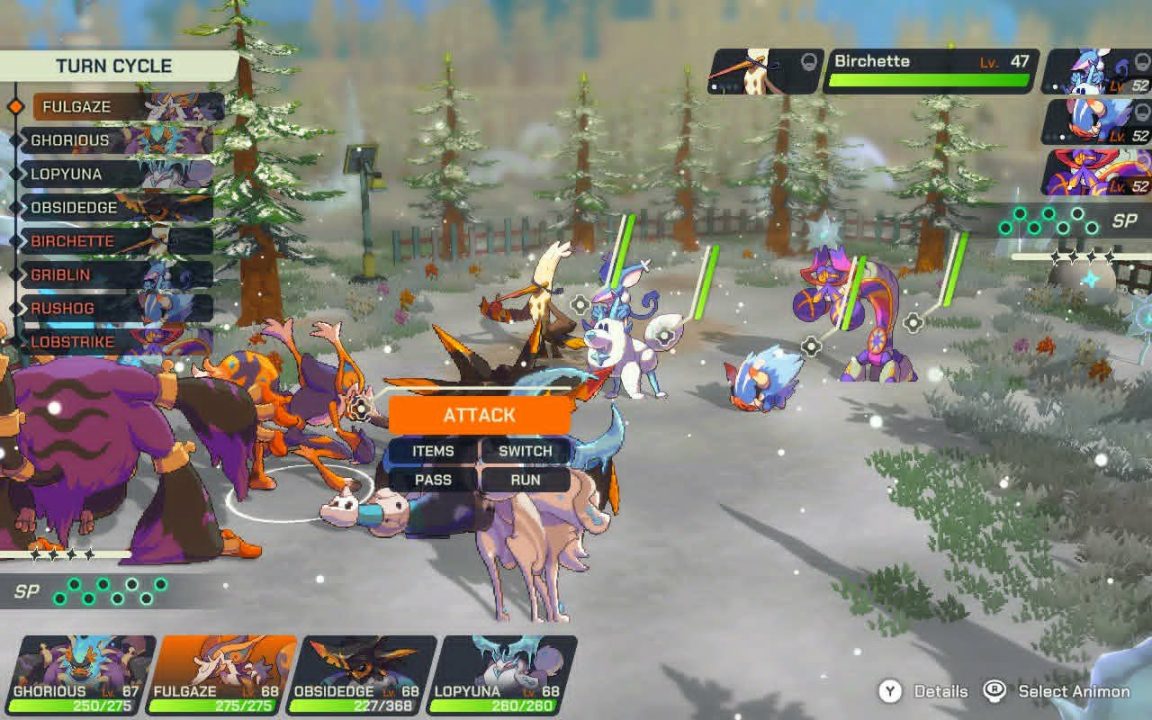
The game is built on a hybrid foundation, drawing inspiration from the turn-based mastery of Final Fantasy X and the punishing, system-heavy design of Shin Megami Tensei. The central premise involves a binary conflict between two factions: the tradition-bound Mythos and the technology-obsessed Lumos. Players navigate this world through a 4v4 tactical battle system that requires far more than mere elemental type-matching. It demands an understanding of stat allocation, agility management, and long-term team synergy.
Chronology: A Developmental Trajectory
The journey to LumenTale’s release has been characterized by a transition from fan-driven passion to professional-grade ambition.
- The Foundation: Following the widespread recognition of Pokémon Xenoverse, Beehive Studios established themselves as a team capable of pushing the technical limits of the RPG Maker-style framework.
- The Conceptualization: The studio began work on LumenTale with the explicit goal of answering the "mature" questions posed by long-term fans. The design philosophy shifted from "collecting for completion" to "managing for survival."
- The Beta Phase: During early testing, the game drew praise for its visual fidelity but faced criticism for its overwhelming UI and lack of onboarding for newer players.
- The Launch and Post-Launch: Upon release, the game was met with a mix of critical acclaim for its tactical depth and frustration regarding its technical stability. Beehive Studios has maintained an aggressive patch schedule, addressing game-breaking bugs and balancing the more volatile elements of the RNG-heavy combat system.
Supporting Data: Visuals and Performance
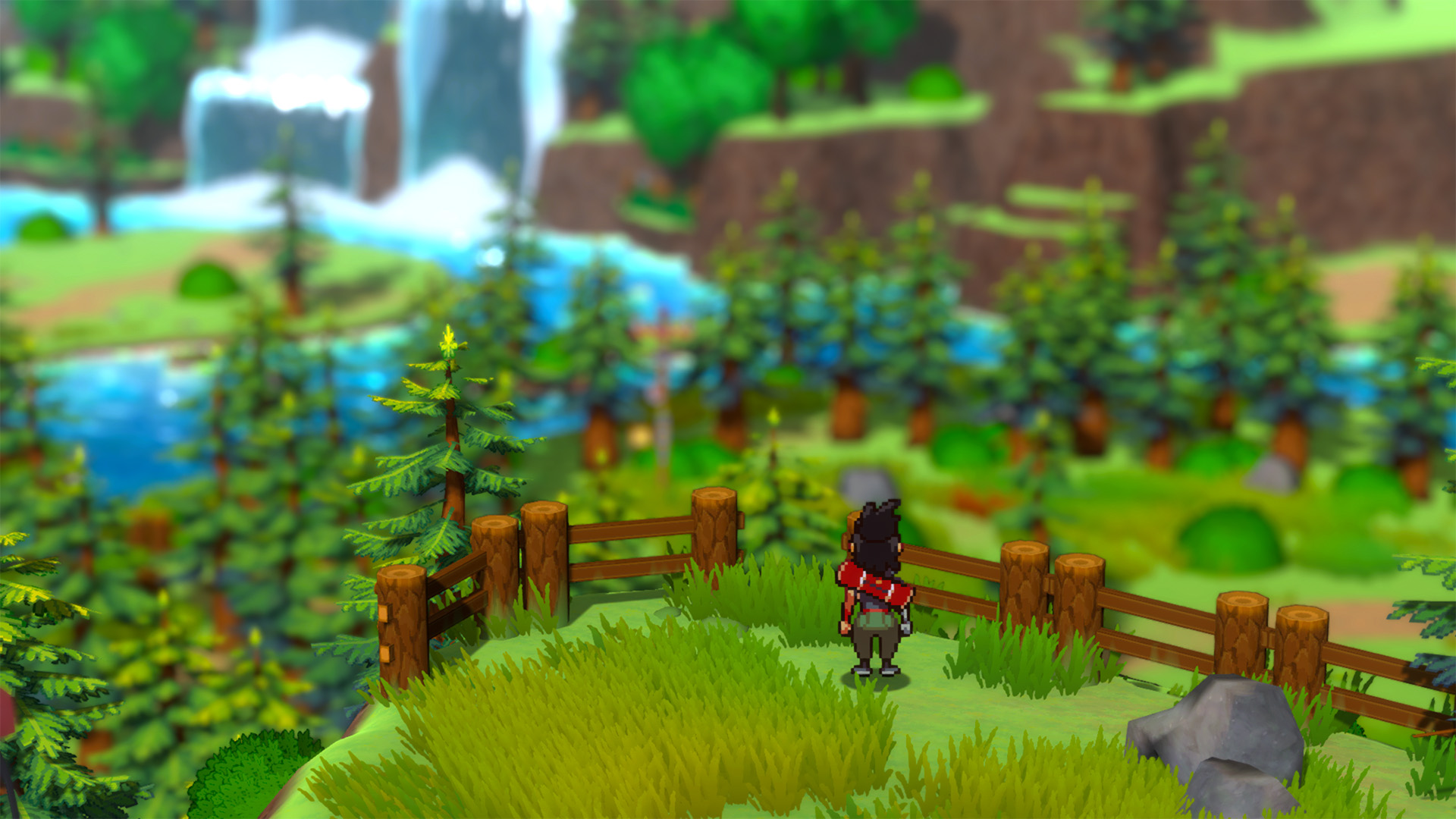
Visually, LumenTale is a masterclass in aesthetic curation. It eschews the binary choice between "pure retro" and "modern 3D," instead choosing a path of synthesis. The game employs a classic pixel-art style reminiscent of the Game Boy Advance era, but layers it atop a pseudo-3D perspective that evokes the charm of the Nintendo DS/3DS titles.
Clever camera work during cutscenes and overworld exploration provides a sense of scale that most indie monster-collectors fail to achieve. However, this beauty comes at a cost. The game’s performance, while generally stable, suffers from inconsistent load times and sporadic framerate dips in more densely populated urban environments.
Regarding the Animon themselves, the designs are largely successful. While not every creature reaches the iconic status of the genre’s pioneers, standouts such as Anizord, Fulgaze, Obsidedge, and Tamboal showcase a unique artistic identity. They feel like creatures birthed from a specific, cohesive world, rather than simple color-swaps or variations on existing animal tropes.
Combat Dynamics: The Armchair General’s Dilemma
Perhaps the most significant departure from genre tradition is the combat. In LumenTale, the player is a tactician, not just a collector.
The Tactical 4v4 System
Combat is defined by a 4v4 team structure, with two additional Animon in reserve. This requires a balanced approach to team composition. You cannot simply over-level a single "starter" creature; doing so in LumenTale is a guaranteed path to defeat. The system forces players to engage with the game’s deep customization, including base stat allocation (Attack, Agility, Defense, etc.).

The RNG Factor
A recurring critique of the combat system is the "aggressive" nature of its Random Number Generator (RNG). While tactical planning is paramount, the current build features a high frequency of critical hits and misses that can swing the momentum of a fight with little warning. For a game that prides itself on being "demanding," this reliance on chance can feel antithetical to the experience. When the mechanics click, the player feels like a brilliant strategist; when the RNG turns sour, it feels as though the game is unfairly punishing a sound strategy.
Official Responses and Studio Intent
In discussions regarding the game’s "feature creep," Beehive Studios has maintained that LumenTale was designed to be a "maximalist" experience. The sheer volume of systems—including item crafting, cooking, interior design, and traversal mini-games—is intended to provide a living, breathing world.
However, the studio has acknowledged in various dev-blogs that the tutorialization of these systems remains a pain point. They have hinted that future updates will focus on streamlining the user interface and providing more explicit explanations for the game’s deeper economic and crafting loops. The intent was to avoid "hand-holding," but the result has often been "information deprivation."
Implications: The Future of the Genre
LumenTale: Memories of Trey serves as a litmus test for the monster-collecting genre. It proves that there is an appetite for a more complex, narrative-heavy, and strategically rigorous experience. However, it also highlights the dangers of "feature creep." By attempting to be everything—a survival game, a chef simulator, an interior decorator, and a tactical RPG—the game occasionally loses sight of its primary strength: the bond between the trainer and the Animon.
A Missed Narrative Opportunity
The conflict between the Mythos and Lumos factions is a thematic goldmine. In an era defined by the friction between tradition and technological acceleration, the game is perfectly positioned to offer a profound commentary. Instead, the narrative often feels secondary, failing to fully leverage the philosophical stakes at play. It leaves the player wondering what could have been if the writers had leaned into the complexity of the world they built.
Final Verdict
LumenTale is a 67-hour commitment that rewards the patient. Its soundtrack is, without hyperbole, one of the finest in the genre, with the evolution theme standing out as an instant classic. Despite its flaws—the technical bugs, the cluttered systems, and the occasional narrative hollowness—it is a triumphant first outing for Beehive Studios.
The implications for the genre are clear: the "Pokémon formula" is no longer the only way to succeed. Developers are now willing to borrow from the likes of Final Fantasy and Shin Megami Tensei to create experiences that respect the intelligence of the player. While LumenTale may be an imperfect experiment, it is an essential one. It is a "fitness factor" in the evolution of the genre, proving that even in a crowded ecosystem, there is room for mutations that dare to be different. For those willing to overlook the rough edges and "save early, save often," LumenTale offers a glimpse into a potential future where the monster-collecting genre finally grows up.


 Asro
Asro
 Muslim