

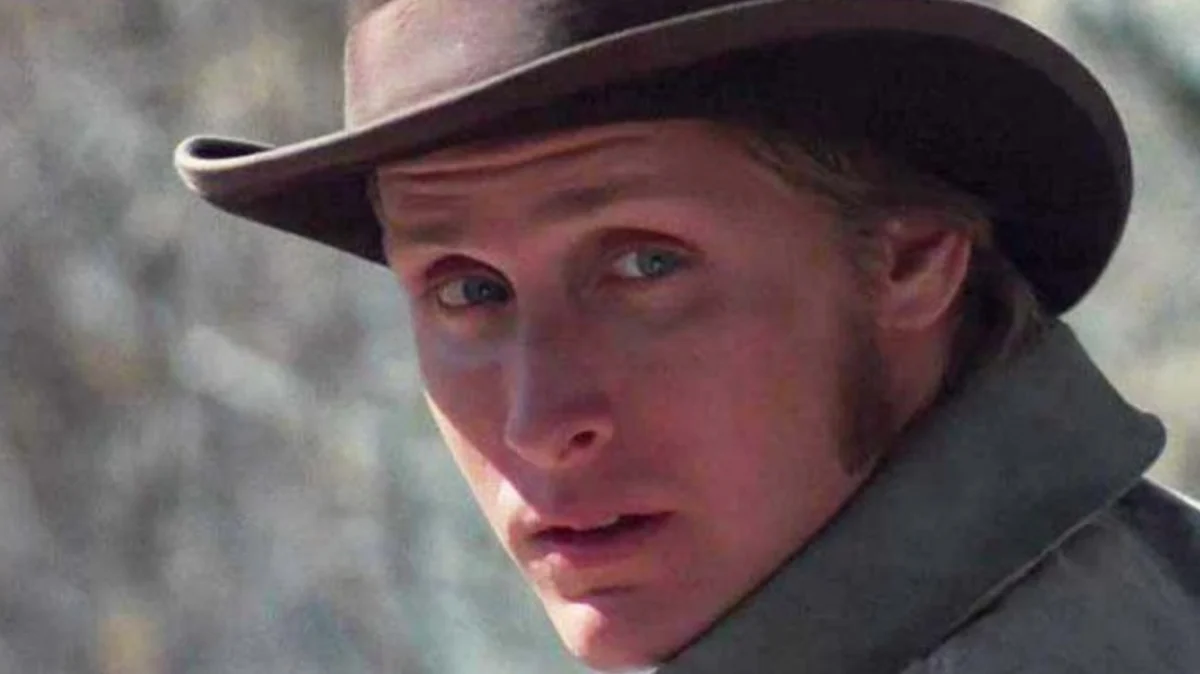
The 1980s occupy a strange, liminal space in the history of American cinema. While the decade is often remembered for the explosion of the high-concept blockbuster and the neon-soaked aesthetic of the MTV generation, it was also a period of profound reinvention for the Western. As the traditional "Golden Age" of the genre faded into the rearview mirror, filmmakers attempted to graft contemporary sensibilities, pop-culture flair, and postmodern self-awareness onto the dusty archetypes of the frontier.
Some of these experiments resulted in enduring classics. Others, however, have not fared as well under the harsh light of modern scrutiny. While these films remain "beloved" by a generation that grew up with them, a critical re-examination reveals that many are essentially time capsules—products of an era that struggle to resonate with modern audiences, whether due to dated pacing, shifting cultural norms, or the simple fact that they have been surpassed by superior storytelling.
The State of the Genre: The ’80s Western Paradox
To understand why some ’80s Westerns feel antiquated, one must look at the climate of the decade. Following the collapse of the traditional studio system and the decline of the John Ford-style epic, the Western became a risk. Studios were hesitant to bankroll massive, sprawling desert epics, leading to two distinct trends: the "Modern Western," which transplanted cowboy tropes into contemporary settings (like the oil fields of Texas), and the "Revisionist Western," which tried to inject the grit of the ’70s into more stylized, action-oriented narratives.
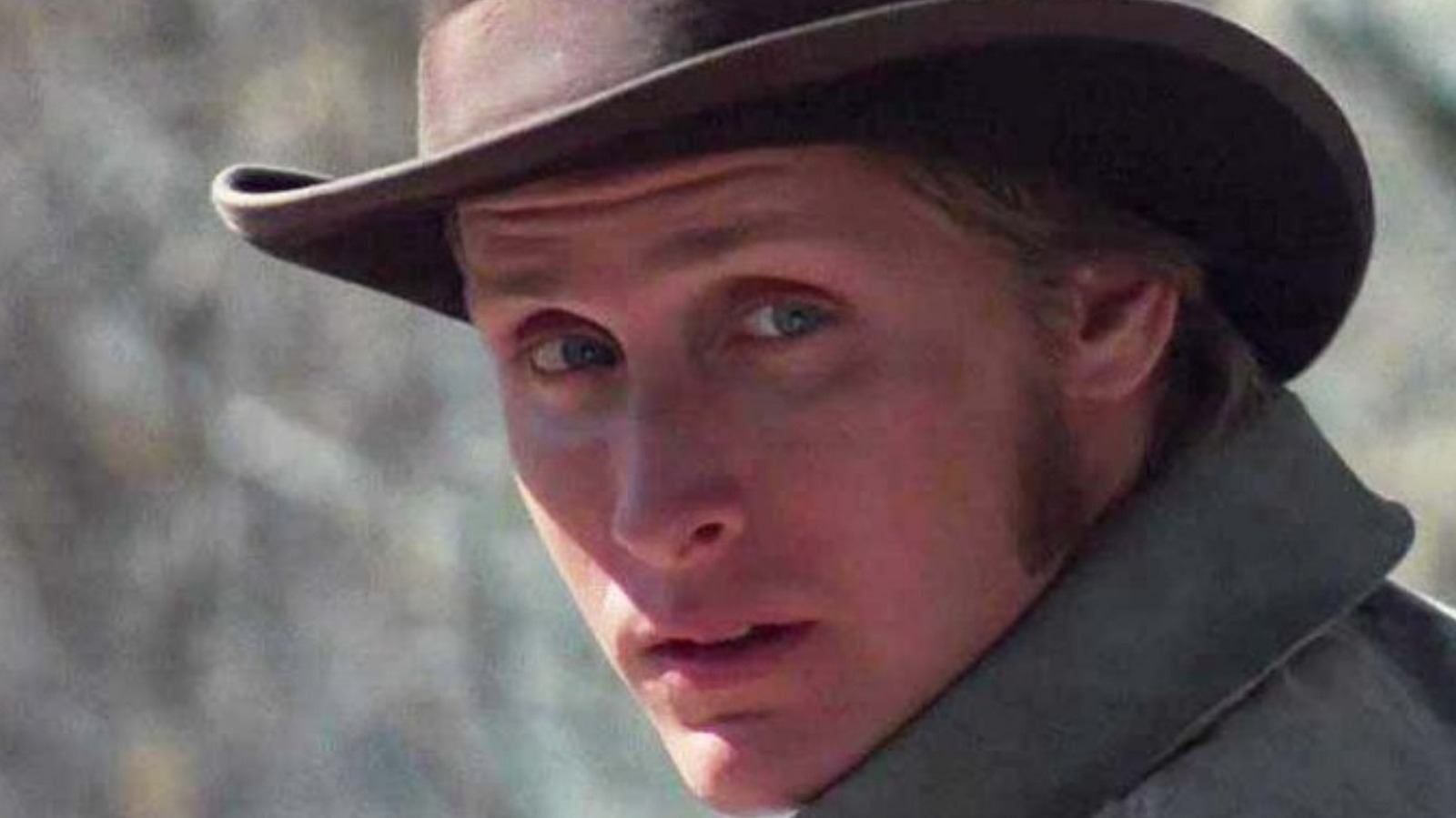
Critically, the decade succeeded in producing hits. However, the commercial success of the era often relied on star power—Steve McQueen, Clint Eastwood, and John Travolta—rather than the structural integrity of the scripts. As we look back, we find a collection of films that prioritize "vibe" over substance, leaving us with a catalog of movies that feel less like definitive genre entries and more like curiosities of a bygone era.
1. Tom Horn (1980): A Lethargic Coda
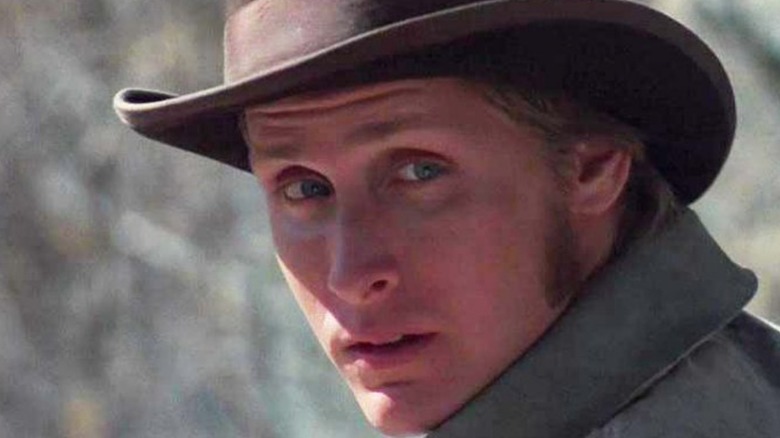
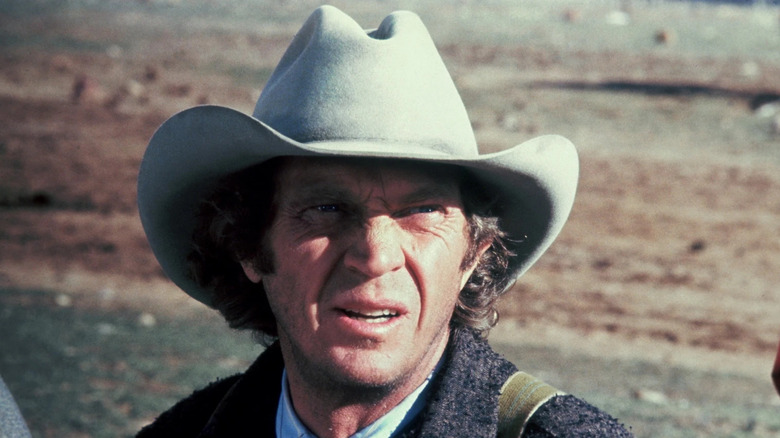
The 1980 biopic Tom Horn stands as a particularly tragic example of a film hampered by its own production circumstances. Steve McQueen, an icon of cool, was already battling the illness that would claim his life only months after the film’s release.
Chronology and Context
Released in March 1980, the film was intended to be a return to form for McQueen. Based on the memoirs of the real-life frontiersman, the narrative follows Horn as he transitions from a government scout to a hired gun for wealthy ranchers. The plot—a man out of time who is ultimately betrayed by the very establishment he serves—should have been a poignant, powerful farewell.
The Critical Mismatch
Despite a respectable box office take of $12 million against a $3 million budget, the film is widely regarded today as a "boring slog." The issue isn’t the story, but the execution. The film lacks the kinetic energy required for the genre, and McQueen’s physical decline is painfully evident. While some critics argue his performance is "understated," it more often reads as lethargic. It serves as a reminder that when a film relies entirely on the presence of a singular star, the loss of that star’s vitality leaves the project hollow.
2. Bronco Billy (1980): The Romantic Comedy Conundrum
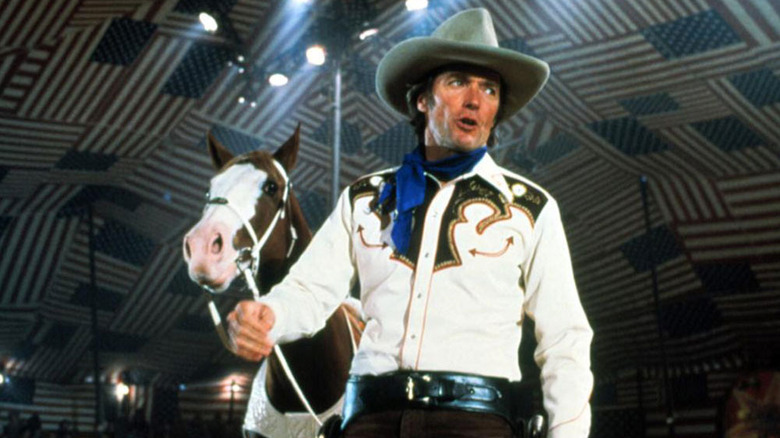
Clint Eastwood’s transition into the role of a director-star is one of the most successful arcs in Hollywood history. Yet, Bronco Billy represents a bizarre detour in that trajectory.
Plot and Structure
The film follows a traveling Wild West show owner (Eastwood) who crosses paths with a wealthy, jilted heiress (Sondra Locke). It is a romantic comedy masquerading as a Western, and it is here that the film loses its footing.
Why It Fails Today
The primary issue with Bronco Billy is a lack of emotional stakes. The plot contrivances are, by modern standards, bordering on the absurd. While the 1980s were a fertile ground for the Eastwood-Locke collaboration, Bronco Billy feels like a "Western-lite" project. When compared to the gritty realism of Unforgiven (released over a decade later), Bronco Billy feels like a sketch rather than a fully realized film. It lacks the thematic depth that defines the best of the genre, serving instead as a whimsical, often confusing, relic of a time when audiences were willing to follow Eastwood into any genre, regardless of the quality of the script.
3. Urban Cowboy (1980): The Rustic Soap Opera
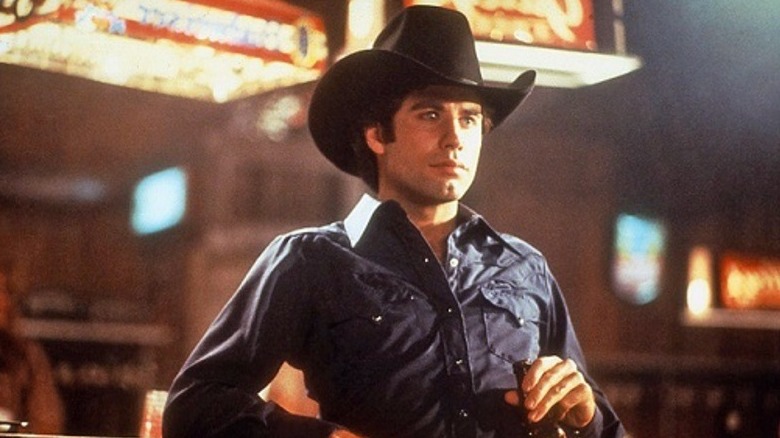
Perhaps no film better encapsulates the "modern Western" identity crisis of the ’80s than Urban Cowboy. Starring John Travolta at the peak of his post-Grease fame, the film moved the frontier to the bars and oil refineries of Houston, Texas.
Supporting Data: The Cultural Impact
While the film is iconic for its soundtrack—which effectively launched the pop-country craze of the decade—the movie itself suffers from severe narrative imbalance. The story of Bud Davis (Travolta) and his tumultuous, often abusive relationship with Sissy (Debra Winger) is presented with a level of melodrama that borders on soap opera territory.
Implications of Modern Sensitivity
Viewing Urban Cowboy today is an uncomfortable experience. The "controlling and abusive" behavior exhibited by the lead character is framed through a lens that feels incredibly dated. In an era where domestic toxicity is addressed with more nuance and gravity, the film’s handling of these themes feels flippant. Scott Glenn provides a compelling performance, but he cannot save a script that doesn’t know where it wants to go. It is a film that values aesthetic over character development, making it a difficult watch for contemporary audiences.
4. Three Amigos (1986): The Comedy That Lost Its Edge
Three Amigos is the most controversial entry on this list, largely because it is a cult classic that remains beloved by many. However, the passage of time has not been kind to its specific brand of humor.
The Premise and Performance
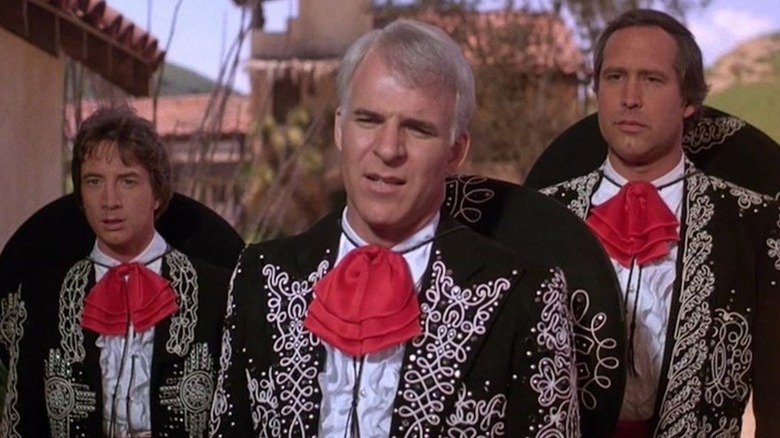
The story of three silent film stars (Steve Martin, Chevy Chase, and Martin Short) mistaken for real-life gunslingers in 1916 Mexico is a clear homage to The Magnificent Seven. On paper, it is a brilliant concept.
The Momentum Problem
The film suffers from a distinct lack of energy. While Steve Martin carries the film with his signature charisma, Chevy Chase’s performance is noticeably disaffected, lacking the sharp comedic timing that made his other ’80s hits work. Furthermore, the film’s central gimmick—parodying the singing cowboy movies of the ’30s and ’40s—is a reference that requires a level of historical literacy that modern audiences may not possess. Without the context of those older films, the "joke" falls flat, turning the movie into a series of disconnected sketches rather than a cohesive narrative.
5. Young Guns (1988): The "Brat Pack" Western
If Urban Cowboy was the Western for the disco generation, Young Guns was the Western for the MTV generation. Featuring a cast of the era’s hottest young stars—the so-called "Brat Pack"—the film attempted to inject youthful rebellion into the legend of Billy the Kid.
The Stylistic Trap
Young Guns is filled with soaring electric guitar riffs, quick-draw action, and an aggressive, "bro-ish" energy. It is essentially a high-octane music video stretched into a feature film. The problem, quite simply, is that it possesses no depth.
Character Analysis
Emilio Estevez’s portrayal of Billy the Kid is a significant stumbling block. He is written as a hot-headed, untouchable protagonist who rarely faces real consequences for his actions. There is no moral center, no growth, and no tragedy—only "cool" moments. While this was enough to spawn a sequel in 1990, it is not enough to make the film stand the test of time. It is a loud, chaotic, and ultimately shallow exercise that prioritizes the "hipness" of its cast over the reality of the historical figures it purports to portray.
Conclusion: The Endurance of Quality
The common thread tying these five films together is a reliance on the cultural trends of the 1980s—whether it be the magnetism of stars like McQueen and Travolta, or the desire to blend the Western with the romantic comedy or the "buddy-cop" action flick.
When a film is too closely tethered to the "flavor of the month," it is destined to fade as that flavor changes. While these films remain a vital part of the history of the decade, they serve as a cautionary tale for modern filmmakers: a genre as resilient as the Western requires more than just a costume and a setting. It requires a willingness to engage with the human condition in a way that transcends the decade of its creation. As the years march on, it becomes clear that while these movies were "beloved" once, they are no longer the standard-bearers for what a Western can achieve.











No comments yet. Be the first to join the conversation!