

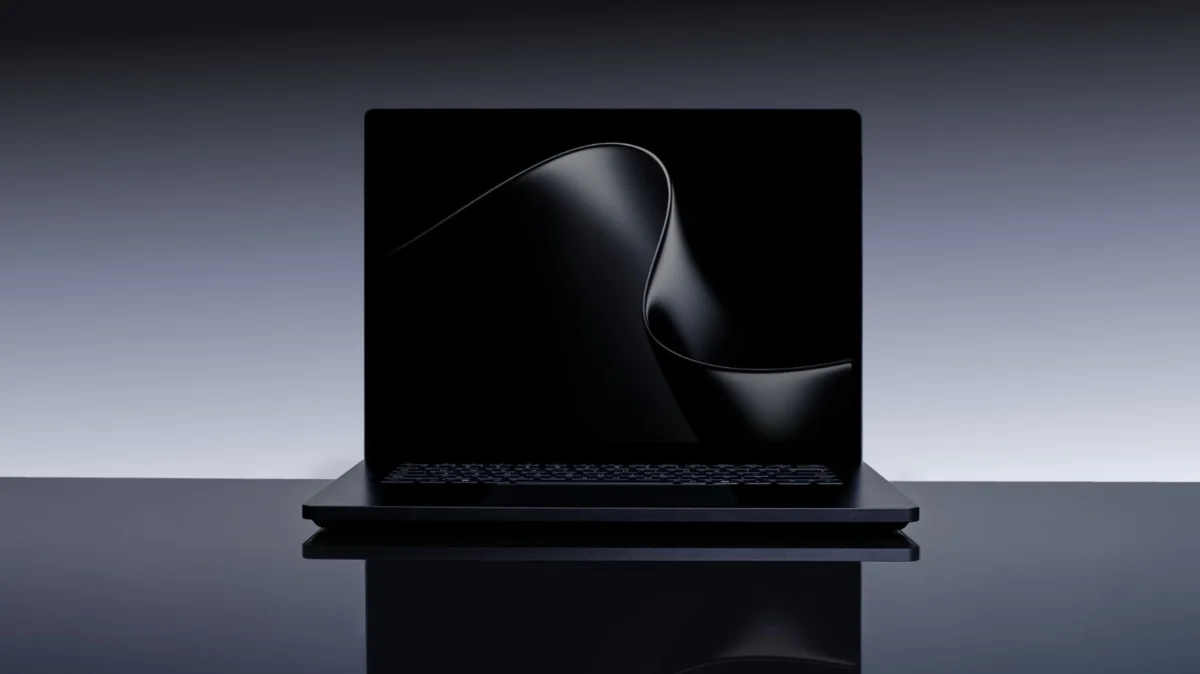
In the landscape of high-performance computing, Microsoft has spent years searching for a design language that satisfies the needs of power users without sacrificing the aesthetic elegance of the Surface line. From the ambitious, albeit bulky, detachable design of the original Surface Book to the niche, specialized utility of the Surface Laptop Studio, the company’s track record in the “pro” segment has been marked by experimentation. However, with the announcement of the Surface Laptop Ultra, Microsoft has pivoted toward a more conventional—and arguably more effective—philosophy: refinement over reinvention.
The Surface Laptop Ultra is not just another iteration; it is a direct, unapologetic challenge to the MacBook Pro. By abandoning the unconventional hinges and detachable tablet form factors of its predecessors, Microsoft has opted for a classic, high-performance laptop architecture. At the heart of this machine lies NVIDIA’s revolutionary RTX Spark system-on-a-chip (SoC), a piece of silicon that promises to bridge the gap between thin-and-light portability and workstation-grade power.
The Evolution of Surface: A Chronology of Ambition
To understand why the Surface Laptop Ultra represents such a significant departure, one must look at the trajectory of the Surface family over the last decade.
The Experimental Era (2015–2019)
When Microsoft first launched the Surface Book, it captured the industry’s imagination. Its "dynamic fulcrum hinge" and detachable screen were engineering marvels. Yet, users often found the experience hampered by thermal throttling and a disconnect between the tablet portion’s battery life and the base’s discrete GPU. It was a machine that prioritized "wow factor" over consistent, daily performance.
The Studio Pivot (2021–2023)
The Surface Laptop Studio followed, attempting to cater to creative professionals with a "pull-forward" display design. While it eventually found its footing, the high entry price and the specialized nature of the hinge design limited its appeal to a narrow segment of digital artists and designers. For the average power user—the software engineer, the data scientist, or the video editor—the device felt overly complex.
The "Ultra" Realization (2024–Present)
The announcement of the Surface Laptop Ultra marks the end of the experimental phase. Microsoft has concluded that the "pro" market doesn’t necessarily want a gimmick; they want a reliable, high-performance, and beautifully crafted workstation. By adopting a traditional clamshell form factor, Microsoft is finally playing on a level field with Apple’s MacBook Pro.
Under the Hood: The NVIDIA RTX Spark SoC
The centerpiece of the Surface Laptop Ultra is undeniably the NVIDIA RTX Spark. As the industry shifts toward AI-integrated computing, NVIDIA’s entry into the SoC space is a critical development that threatens the current dominance of Apple Silicon and Qualcomm’s Snapdragon X Elite.
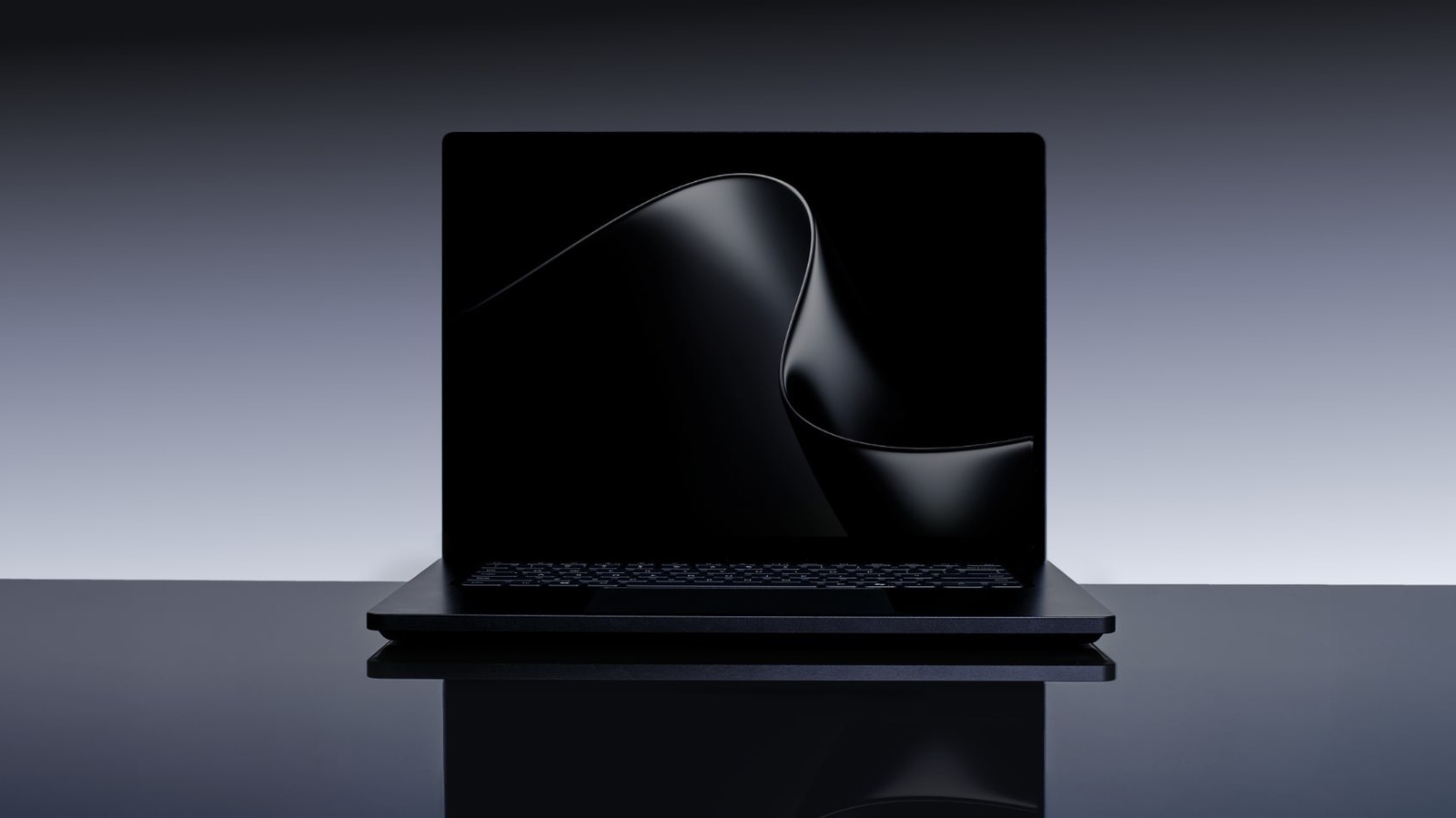
Technical Specifications
- Architecture: Arm-based CPU cores (20 total) paired with NVIDIA’s Blackwell GPU architecture (6,144 cores).
- AI Performance: Capable of delivering a staggering 1 petaflop of combined AI processing power across the CPU, GPU, and NPU.
- Power Efficiency: NVIDIA claims the chip is highly scalable, with a power draw ranging from single-digit wattage for light tasks to 80W for heavy rendering or AI model training.
- Graphics Parity: Internal benchmarks suggest that the RTX Spark’s graphical performance is comparable to an NVIDIA RTX 5070 laptop GPU, a massive leap for a 15-inch chassis.
This SoC is designed to handle the growing demands of "on-device AI." Whether it is running local Large Language Models (LLMs), rendering complex 3D scenes in real-time, or accelerating video workflows, the RTX Spark provides the thermal and computational headroom that the Surface line has historically lacked.
Design and Display: A Closer Look at the Hardware
While the internal silicon is the engine, the external design is the body that will draw the consumer in. Microsoft has clearly studied the competition, adopting a sleek, minimalist aesthetic that mirrors the professional ethos of the MacBook Pro.
The MiniLED Ultra Display
The 15-inch panel is perhaps the most impressive hardware feature after the processor. With a peak HDR brightness of 2,000 nits, the screen is designed to compete with the best panels in the industry. The MiniLED technology ensures deep blacks and vibrant, accurate colors, making it a viable candidate for professional color grading and high-end multimedia production.
Ergonomics and Connectivity
Microsoft has finally addressed the "dongle life" concerns that plague many modern laptops. The Surface Laptop Ultra features a robust array of ports, including:
- Dual USB-C (Thunderbolt 5 compatible)
- Full-sized USB-A
- HDMI 2.1
- Full-sized SD Card Reader
Furthermore, the trackpad is the largest Microsoft has ever produced. It utilizes haptic feedback, providing a consistent "click" feel across the entire surface area, mirroring the precision and reliability of Apple’s Force Touch trackpads. Weighing in at under 4.5 pounds, the device maintains a professional portability that belies its massive internal power.
Official Perspectives: The "World Makers" Vision
Microsoft’s marketing for the Surface Laptop Ultra has been notably grandiose. In a briefing with reporters, Andrew Hill, the Corporate VP of Surface, emphasized the shift in strategy: "This is the most powerful thing we’ve ever made. It’s not just about specs; it’s about the removal of friction between the user and their ideas."
This sentiment was echoed by Brett Ostrum in an official announcement that raised eyebrows for its poetic, perhaps hyperbolic, tone. Ostrum wrote: "A machine like this should not sit still. It should be pushed. Taken to the edge. Used to make real what others call impossible. It belongs in the hands of world makers."
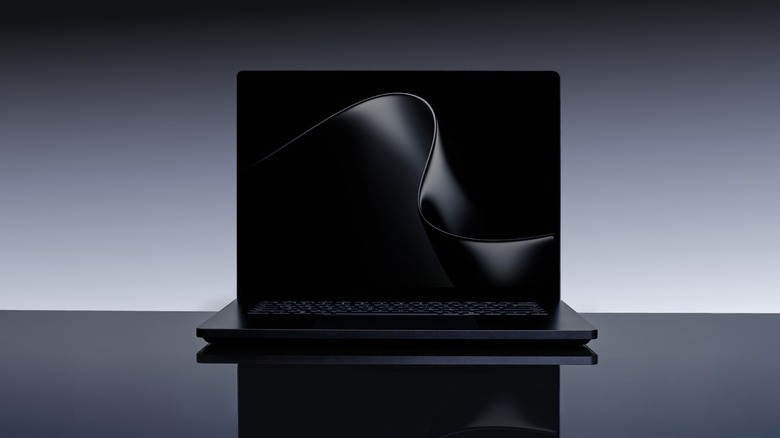
While some critics have joked that it is "just a laptop," the rhetoric signals a shift in Microsoft’s branding. They are no longer selling a utility device; they are selling an identity for the professional creator, attempting to capture the same aspirational market share that Apple has cultivated for decades.
Market Implications: Can Microsoft Compete with Apple?
The Surface Laptop Ultra arrives at a pivotal moment in the PC market. With the rise of AI-capable hardware, the barrier to entry for high-performance computing is changing.
The "RAMaggedon" Price Pressure
One of the most significant concerns for potential buyers is the pricing strategy. The PC industry has seen a steady increase in the cost of high-end components, particularly unified memory configurations. As the launch approaches this fall, consumers are watching closely to see if Microsoft can price the Ultra competitively against the MacBook Pro. If the entry-level model starts at a price point that makes it accessible to developers and designers, Microsoft could successfully capture users who are tied to the Windows ecosystem but crave the hardware experience of a Mac.
Ecosystem Integration
The success of the Surface Laptop Ultra will ultimately depend on software optimization. Windows 11, specifically the integration of Copilot+ features, needs to be perfectly tuned to utilize the 1 petaflop of AI performance offered by the RTX Spark. If the software experience is buggy or unoptimized, even the most powerful hardware will struggle to gain traction in the professional sector.
The Competition
Apple’s M-series chips have set the gold standard for performance-per-watt. By opting for an Arm-based CPU architecture with NVIDIA’s GPU prowess, Microsoft is finally taking the fight to Apple’s home turf. If the RTX Spark can maintain its thermal efficiency under sustained loads, it will provide a legitimate alternative for professionals who have felt "locked in" to macOS purely due to hardware limitations on the Windows side.
Conclusion: The Road Ahead
The Surface Laptop Ultra is an acknowledgment of reality. After years of testing the limits of what a "hybrid" device could be, Microsoft has returned to the fundamentals of what makes a great computer: power, display quality, port variety, and consistent, reliable design.
As the fall release date approaches, the technology community remains in a state of cautious optimism. The promise of the NVIDIA RTX Spark combined with a refined chassis is undeniably enticing. If Microsoft can deliver on the software side and keep the pricing within a reasonable margin of its competitors, the Surface Laptop Ultra may well be the first device in the history of the Surface brand to truly give the MacBook Pro a run for its money. It is a mature, serious, and powerful machine—and for the "world makers" Microsoft is targeting, that is exactly what they have been waiting for.











No comments yet. Be the first to join the conversation!