

By [Your Name/Journalism Desk]
Updated: May 31, 2026
The intersection of generative AI, intellectual property rights, and internet culture has reached a new boiling point. KC Green, the celebrated cartoonist behind the iconic "This is Fine" webcomic, has officially settled his dispute with Artisan, an AI startup that had previously repurposed his imagery for a high-profile marketing campaign. The resolution, finalized in late May 2026, marks a significant moment in the ongoing struggle for artists to maintain control over their creative legacy in an era where AI companies often view existing pop culture as fair game for derivative content.
The Conflict: When "This is Fine" Becomes a Corporate Pipeline
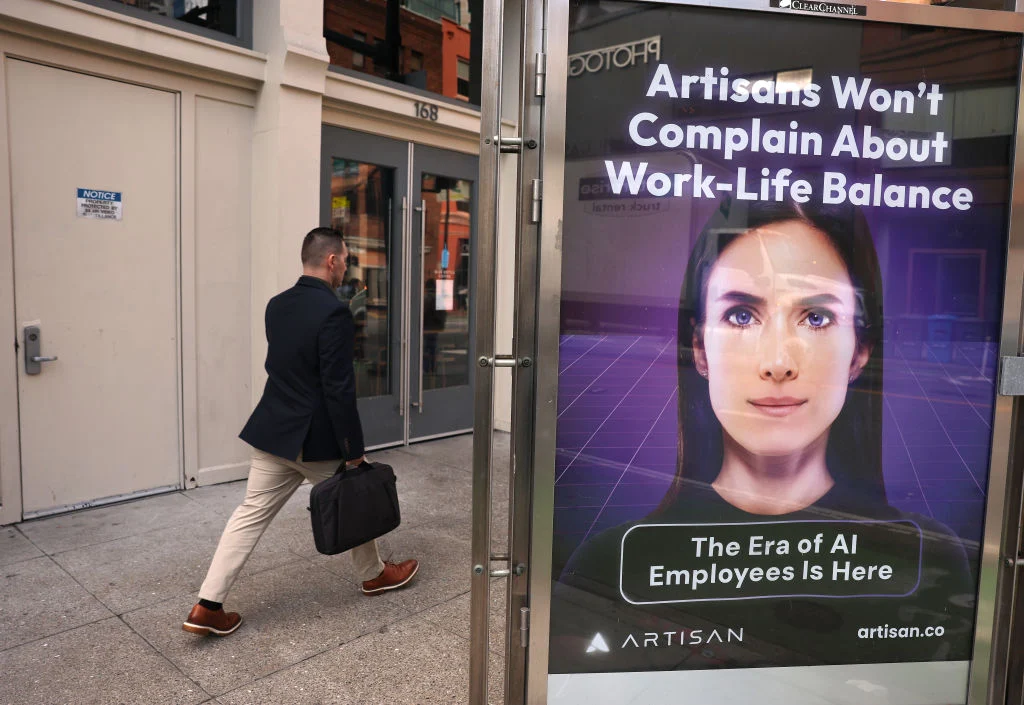
The controversy began in early May 2026 when residents of San Francisco and New York City began noticing advertisements plastered across public transit systems. The ads were for "Ava," an AI-driven Business Development Representative (BDR) developed by the startup Artisan.
The imagery was unmistakable: the dog from Green’s "Gunshow" comic, sitting stoically in a room engulfed in flames. However, the iconic caption—"This is fine"—had been modified. Instead, the dog declared, "My pipeline is on fire," followed by a call to action promoting the AI tool.
For many, the meme is not just an image; it is a piece of digital heritage, a shorthand for managing chaos in a world that feels increasingly unhinged. To see it co-opted to sell an AI software product struck a nerve with both the creator and his massive online following. The visual appropriation was not merely "inspired by" the work; it was a direct lifting of the character’s likeness and the comic’s core aesthetic to drive interest in a commercial product.
Chronology of the Dispute
Early May 2026: The Public Outcry
On May 3, 2026, KC Green took to social media to voice his outrage. In a series of posts, he characterized the usage as theft, drawing a direct parallel between the startup’s tactics and the broader, controversial methods used by AI companies to scrape data and creative works.
Green’s reaction was visceral. He explicitly encouraged his followers to "vandalize" the ads if they encountered them in the wild. This call to action highlighted the level of personal violation Green felt; it was not just a copyright infringement issue, but a matter of professional autonomy. In an interview with TechCrunch during the heat of the dispute, Green expressed his exhaustion, noting that he would much rather be focusing on his comics than having to "try my hand at the American court system."
Mid-May 2026: Escalation and Legal Stance
As the story gained traction, the narrative shifted from a simple social media gripe to a potential legal battle. Legal experts began weighing in on the implications of AI startups using copyrighted material to bypass traditional marketing costs. The question was whether this constituted "parody" or if it was a clear-cut case of trademark and copyright violation intended to commercialize a character without authorization.
Late May 2026: The Resolution
By the final week of May, the tone shifted. Artisan, initially silent, began to acknowledge the friction. On May 31, 2026, founder and CEO Jaspar Carmichael-Jack confirmed that the company had reached an agreement with Green. Green confirmed the settlement shortly after, stating that the deal was reached "pretty quick."
The Settlement Details
The terms of the agreement are straightforward but effective. According to both parties:

- Removal of Content: Artisan agreed to pull all physical and digital advertisements from New York and San Francisco that featured the "This is Fine" dog.
- Public Reconciliation: Green agreed to remove his initial social media posts calling for the vandalism of the advertisements.
- Resolution: Both sides have signaled a move toward closure, effectively preventing a protracted and expensive legal battle that would have likely been centered on the murky waters of AI-generated intellectual property.
Implications: The Growing Tension Between AI and Creators
The Artisan incident is symptomatic of a larger systemic problem. As AI companies race to reach unicorn status, marketing teams are increasingly looking for ways to capture attention quickly. Using established, viral imagery provides an instant emotional connection, but it also risks alienating the very people who created that culture.
The "Fair Use" Fallacy
Many AI companies operate under the assumption that if an image is "memetic," it exists in the public domain. However, legal precedent suggests otherwise. While memes are often shared, the original creator still holds the underlying copyright. When a company uses that work to sell a product—especially a product like AI, which is currently under intense scrutiny for its training data practices—the optics are particularly poor.
The Power of the Creator Class
Green’s ability to force a settlement highlights the power of modern creators. With a massive social media following, artists no longer need to rely solely on the legal system to exert pressure. By mobilizing his audience, Green turned a private copyright dispute into a public relations crisis for Artisan. This "social-first" approach to legal disputes is becoming a new standard for creators, who are finding that public shaming can be more effective than a cease-and-desist letter.
Official Responses and Corporate Accountability
Artisan’s response to the incident was initially vague, but they eventually issued a statement expressing "a lot of respect for Green and his work." This pivot—from aggressive appropriation to a respectful, albeit belated, acknowledgement—reveals a common pattern in the tech industry: companies often move fast, break things, and then apologize once the backlash becomes too expensive to ignore.
In a competitive market for AI tools, Artisan’s goal was to cut through the noise. However, by choosing to use an existing cultural touchstone without permission, they highlighted the ethical gap that exists in how AI startups view content. The settlement serves as a cautionary tale: companies cannot simply "prompt" their way into using the hard work of others to fuel their own growth.
The Future of AI Marketing
As we move further into the decade, the line between homage and theft will likely become the primary battlefield of the creative economy. If AI companies hope to succeed in the long term, they must build their brands on original assets.
For KC Green, the resolution of this case is a victory, but it also underscores the burden that individual artists face. He shouldn’t have had to fight for his work in the first place. The "This is fine" meme was created to help people cope with the absurdities of life; it was never intended to be the face of a corporate AI pivot.
As of June 2026, the ads are gone, and the streets of San Francisco are free of the burning dog. But the precedent remains. For every artist, the message is clear: protecting your work requires constant vigilance, and for every AI startup, the message is equally stark: the internet is watching, and the creators behind the memes are not as defenseless as they might appear.
Key Takeaways for the Tech Industry
- Copyright is Not Optional: Memes and viral images are intellectual property. Using them for commercial gain without a license is a direct violation of copyright law.
- Reputational Risk: In the age of social media, offending a creator can lead to immediate and widespread reputational damage that far outweighs the cost of a marketing campaign.
- The "Move Fast" Risk: The "move fast and break things" ethos of Silicon Valley does not apply to legal and ethical standards regarding IP. Companies that bypass these safeguards will ultimately pay the price.
As we look toward the remainder of 2026, this case will likely be cited in future discussions regarding the ethics of AI, the rights of digital creators, and the boundaries of corporate marketing. The "This is fine" dog may have found peace, but the conversation surrounding AI and art is only just beginning.












No comments yet. Be the first to join the conversation!