

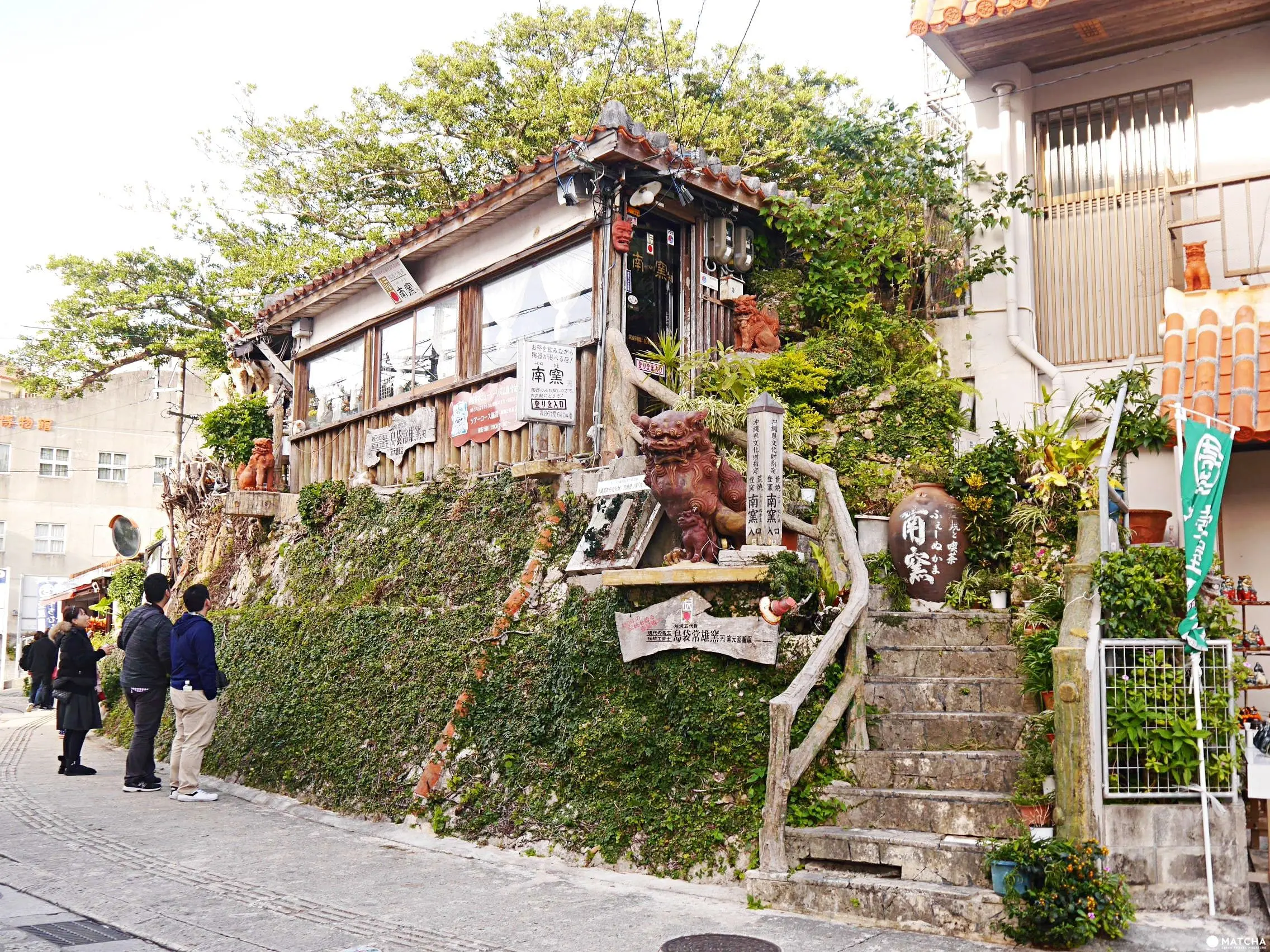
While the neon lights and bustling crowds of Kokusai Dori define the modern face of Naha, Okinawa, a far more profound narrative lies just a short walk away. Tsuboya Yachimun Street is not merely a destination for shopping; it is a living, breathing testament to the Ryukyu Kingdom’s cultural endurance. For the discerning traveler, this historic pottery lane offers an intimate connection to Okinawan heritage, blending centuries-old traditions with a vibrant, contemporary artistic renaissance.
Main Facts: The Heart of Okinawan Ceramics
Tsuboya Yachimun Street serves as the epicenter of Yachimun—the Okinawan word for pottery. The street is a sensory experience, characterized by its iconic stone-paved paths, remnants of historic kilns, and a collection of boutique shops that elevate clay into high art.
The area is distinct for its dual-focus approach to ceramics:
- Arayachi: Unglazed, robust pottery crafted from iron-rich local clays, traditionally used for storage vessels.
- Joyachi: Glazed, vibrant pottery fired at higher temperatures, often adorned with intricate motifs such as arabesque (karakusa), fish, and native tropical flora.
For those planning a visit, the street is remarkably accessible. Located a mere five-minute stroll from the Makishi Public Market, it acts as a tranquil sanctuary from the urban sprawl of Naha. Visitors are greeted by the Tsuboya Pottery Museum, a red-brick architectural marvel that provides the necessary historical context before one begins exploring the nearby workshops and galleries.

A Chronology of Clay: From Ryukyu Kingdom to Modernity
The story of Tsuboya began approximately 330 years ago during the height of the Ryukyu Kingdom. In 1682, the royal government made the strategic decision to consolidate scattered pottery workshops from across the island into the Tsuboya area. This move was driven by practical necessity: the location offered an abundance of high-quality clay, vital water resources, and proximity to the Naha port, facilitating both domestic use and maritime trade.
For centuries, Tsuboya flourished as the production hub for Okinawan ceramic needs. However, the 20th century brought existential challenges. During the lead-up to and throughout World War II, the area faced near-total devastation. Miraculously, Tsuboya escaped the worst of the aerial bombardment that razed much of the surrounding city. Consequently, the street retains its authentic, pre-war urban layout, serving as a rare, preserved fragment of old Naha.

Following the war, as urban expansion necessitated stricter pollution controls, many of the large-scale kilns relocated to Yomitan Village in central Okinawa. Yet, Tsuboya did not fade into obscurity. Instead, it underwent a creative metamorphosis, attracting a new generation of artisans who reclaimed the space. Today, the street represents a bridge between the preservation of traditional Arayachi techniques and the innovative designs of modern ceramicists.
Supporting Data: The Anatomy of Tsuboya Ware
The durability and aesthetic appeal of Tsuboya ceramics are rooted in the specific chemistry of the island’s geography. Arayachi, fired at approximately 1120°C, relies on the iron-rich soil found in the southern reaches of the main island. It is the hallmark of functionality, prized for its rustic, unpretentious beauty.

Conversely, Joyachi utilizes clay from the northern and central regions, capable of withstanding the higher firing temperatures of 1200°C. This high-fire process, combined with the application of colorful, lead-free glazes, produces the vibrant, weather-resistant finish synonymous with Okinawan housewares.
The historical importance of these methods is underscored by the presence of the area’s last remaining traditional kiln, which remains a designated important cultural asset of Okinawa Prefecture. It stands as the physical anchor for the community, reminding visitors that while styles evolve, the foundational techniques remain unchanged.

Exploring the Curated Boutiques
The modern charm of Tsuboya lies in its eclectic mix of retailers, each offering a distinct perspective on the craft.
UTSUWA Chatarou: A Modern Sanctuary
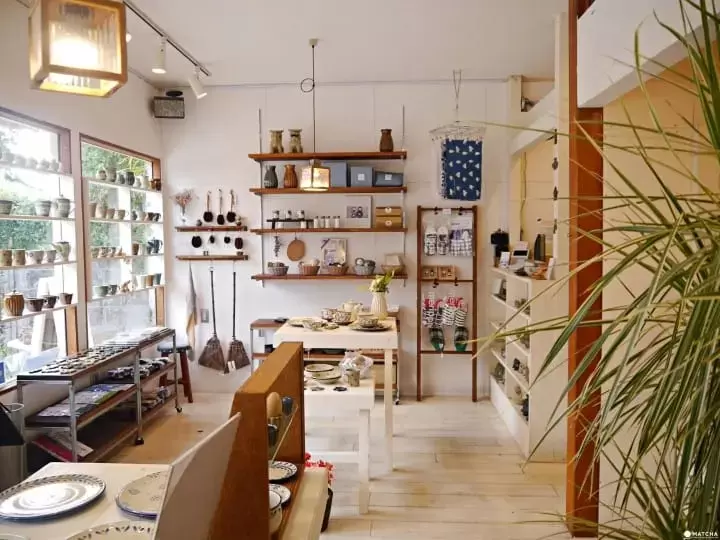
Situated at the street’s gateway, UTSUWA Chatarou bridges the gap between a traditional gallery and a contemporary lifestyle boutique. It acts as a platform for active, local artisans to showcase their work alongside original designs inspired by Okinawa’s coral reefs. The shop has gained a reputation for items that translate pottery into everyday life, such as their whimsical bitter melon (goya) chopstick rests and delicate ceramic hair ties.

guma guma: Minimalist Elegance
For those who prefer a cleaner, more minimalist aesthetic, guma guma is an essential stop. Founded by graduates of the prestigious Ikutouen kiln, the store focuses on "adding color to daily life." Its interior, designed to mimic a home kitchen, allows shoppers to visualize how these handcrafted bowls, cups, and plates would function in their own spaces. The focus here is on subtle textures and ergonomic design, catering to a demographic that values intentional, slow living.
Craft and Gift Yacchi Moon: Whimsical Heritage
Perhaps the most iconic destination on the street is Craft and Gift Yacchi Moon. Housed in a beautifully renovated, traditional Okinawan home, the shop requires visitors to physically bend as they move between its low-ceilinged rooms—a nod to the architecture of the past. Yacchi Moon excels at blending the traditional Okinawan color palette with playful, modern motifs, such as animal illustrations. It is a favorite for families and collectors alike, as it successfully captures the joy and warmth of Okinawan culture in a tangible format.

Official Responses and Cultural Implications
The preservation of Tsuboya Yachimun Street is a priority for both the Naha Municipal Government and the local community of artisans. In recent years, the city has invested in maintaining the street’s stone paving and historical signage, recognizing that cultural tourism is a vital pillar of the local economy.
"Tsuboya is not just a commercial street; it is an open-air museum," notes a representative from the local tourism board. "The challenge remains to balance the influx of tourists with the needs of the working artisans who continue to live and produce here. By supporting these shops, visitors are directly funding the survival of a 300-year-old tradition."

The implication of this is profound. As global manufacturing trends toward mass-produced, standardized goods, the demand for "slow-made" items has spiked. Tsuboya has become a case study in how heritage crafts can remain economically viable in a hyper-modern world. The rise of "designer-style" pottery in Tsuboya indicates that the craft is not merely surviving—it is adapting to the tastes of a new, global audience.
Conclusion: Why You Must Visit
Tsuboya Yachimun Street offers a reprieve from the frenetic pace of modern travel. Whether you are a serious collector of fine ceramics or simply a curious traveler looking for an authentic memento, the street provides an unmatched experience. It is a place where you can touch the history of the Ryukyu Kingdom, converse with the creators of your future heirlooms, and walk the same path as the masters who defined Okinawan identity.

If you find that the standard, factory-produced souvenirs of the main shopping strips fail to resonate with your spirit, turn down the alleyway. Let the sound of your footsteps on the ancient stone path guide you into the heart of Okinawan artistry. You are not just buying a cup or a plate; you are taking home a piece of the island’s soul.












No comments yet. Be the first to join the conversation!