The Star Wars universe has long served as a canvas for exploring the complexities of power, morality, and the human—or alien—condition. With the recent premiere of Maul – Shadow Lord on Disney+, Lucasfilm has once again expanded its narrative reach, diving deep into the psyche of one of the galaxy’s most enigmatic and tragic figures. The series has not only garnered critical acclaim for its visual storytelling but has also ignited a profound discourse regarding the nature of trauma, the influence of fascist structures on child-rearing, and the cyclical nature of abuse.
To unpack the deeper layers of this animated series, we sat down with Dr. Holly Schaeffer-Raymond, a distinguished professor at Temple University, writer, and expert on the Star Wars mythos. Known for her incisive scholarship in works such as Mall is Lost (2018) and her most recent release, Maul is Lost (2023), Dr. Schaeffer-Raymond provides a critical lens through which we can view the evolution of Darth Maul from a weapon of the Sith to a figure of complex, albeit fractured, agency.
Main Facts: A New Look at an Old Villain
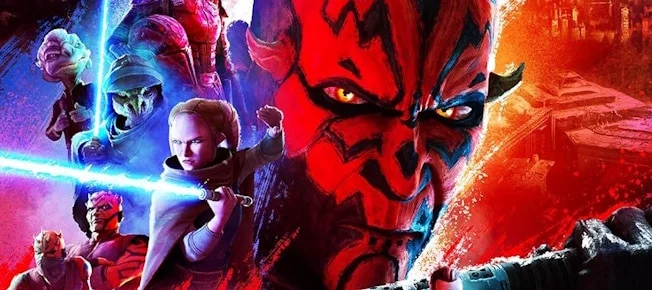
Maul – Shadow Lord represents a significant departure from the traditional action-oriented narratives found in much of the Star Wars franchise. While the show maintains the high-octane sequences expected of a Lucasfilm production, the core of the series is rooted in a psychological exploration of its titular character.
The central tension of the series revolves around the question posed by Dr. Schaeffer-Raymond: "To what extent can you throw a person away?" By tracing Maul’s origins under the tutelage of Darth Sidious, the series forces viewers to confront the reality that Maul was not born a monster, but rather engineered into one. The show meticulously deconstructs the indoctrination process, highlighting how the Galactic Empire—and its predecessor, the shadow government of the Sith—utilize children as tools of statecraft.
Furthermore, the series has been praised for its inclusion of what fans affectionately term "Weird Little Guys"—a collection of side characters and creatures that ground the vast, epic stakes of the Force in the tactile, lived-in reality of the Star Wars galaxy. These elements provide a necessary reprieve from the heavy thematic weight of the show, reminding the audience of the smaller lives affected by the grand machinations of the Sith.
Chronology of a Fractured Life
To understand the trajectory of the series, one must look at the timeline of Maul’s existence within the narrative framework:
- The Formative Years: The series begins by revisiting the early conditioning of Maul. It illustrates the calculated stripping away of identity, replacing empathy with rigid, Sith-ordained dogma.
- The Fracture: A turning point in the series occurs when Maul begins to perceive the cracks in his master’s armor. This period marks the transition from blind obedience to a confused, erratic search for purpose.
- The Shadow Lord Era: The primary arc of the show focuses on Maul’s attempt to establish his own power base. It is here that the series tackles the "cycle of abuse," as Maul attempts to replicate the harsh, authoritarian lessons he learned from Sidious upon his own subordinates and disciples.
- The Reckoning: The concluding episodes of the current season serve as a crucible, forcing Maul to confront the ghosts of his past. It is a slow-burn narrative that prioritizes character development over sudden revelations.
Supporting Data: Scholarly Perspectives on Star Wars
Dr. Holly Schaeffer-Raymond’s contribution to this discourse cannot be overstated. Her academic background, including her involvement in the Lambda-nominated anthology We Want It All: An Anthology of Radical Trans Poetics, brings a unique perspective to the study of Darth Maul.
According to Dr. Schaeffer-Raymond, the character of Maul acts as a mirror for the audience’s own fears regarding systemic failure. "When we look at Maul, we aren’t just looking at a villain," she notes. "We are looking at the byproduct of a society that prioritizes utility over humanity."
The series utilizes a visual language that mirrors this internal decay. The color palettes shift from the sterile, cold blues of the Coruscant-centric Empire to the chaotic, visceral reds and purples associated with Maul’s own descent. This deliberate use of cinematography reinforces the show’s themes of isolation and the struggle to maintain one’s sense of self when the environment is designed to erase it.
Official Responses and Creative Direction
While Lucasfilm has remained relatively tight-lipped regarding the long-term future of the series, the reception from the creative team has been overwhelmingly positive. Showrunners have emphasized that the intention behind Maul – Shadow Lord was never to redeem the character, but to explain him.
"The goal was to make the audience understand the weight of the chains he was born into," said one lead writer during a recent press junket. "We wanted to explore how someone raised in a fascist environment eventually grapples with the realization that they were never meant to be a person, only a weapon."
The audience response has been equally fervent. Since the debut of the first few episodes, fan forums and academic circles alike have been abuzz with theories regarding the "Weird Little Guys" and the deeper, more subtle implications of the Force lore introduced in the series. The show has successfully bridged the gap between casual viewers seeking spectacle and those looking for a more robust, intellectual engagement with the Star Wars canon.
Implications: The Legacy of Abuse in Fiction
The implications of Maul – Shadow Lord extend far beyond the confines of the Star Wars universe. By tackling subjects like the cycle of abuse and the grooming of children for political or military purposes, the series invites a broader conversation about how these themes are represented in popular media.
The Fascist Cradle
The series is particularly potent in its depiction of raising children within a fascist structure. It avoids the easy trope of "evil for evil’s sake," instead opting for a colder, more realistic depiction of bureaucratic indoctrination. This forces viewers to recognize that the most dangerous villains are often those who truly believe they are fulfilling a necessary, even noble, function within a broken system.
Breaking the Cycle
The core narrative arc—Maul’s struggle to break free from the patterns of his master—serves as an allegory for the difficult process of healing from systemic trauma. Can a creature of hate ever learn to exist outside of a hierarchy of power? The show does not offer an easy answer, and that ambiguity is precisely what makes it so compelling.
Looking Ahead
As the season progresses, the stakes will undoubtedly continue to rise. However, the true success of Maul – Shadow Lord lies in its ability to keep the focus narrow even as the galaxy burns. By centering the story on the individual trauma of a single figure, the show has managed to rejuvenate interest in a character who, for many, had become a relic of the prequel era.
For those interested in further exploring these themes, Dr. Schaeffer-Raymond’s work, including Maul is Lost, serves as an essential companion. Her website, hollyraymond.carrd.co, offers a wealth of resources for those looking to delve deeper into the intersection of pop culture, identity, and literature.
As we look toward the remainder of the season, it is clear that Maul – Shadow Lord is more than just another entry in the Star Wars canon. It is a bold, challenging piece of television that demands our attention, forcing us to ask difficult questions about the nature of power, the persistence of memory, and the enduring tragedy of a life lived in the shadows.
For more in-depth analysis of the latest Star Wars content, including our recent coverage of The Bad Batch Season 3, be sure to check out our full archive at Graphic Policy. Join the conversation and subscribe to our newsletter for the latest updates on your favorite series.