Asep Darmawan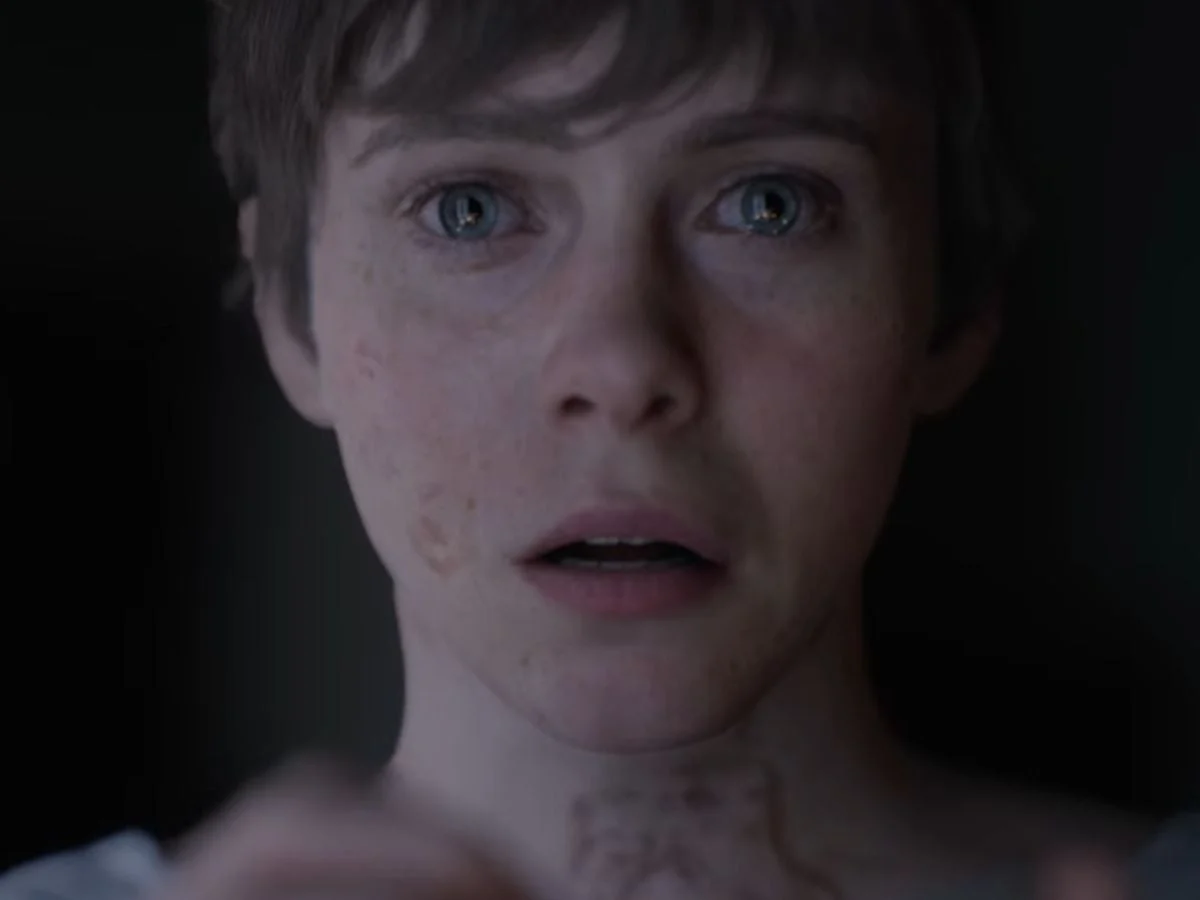
The specter of P.T.—the legendary 2014 "playable teaser" that redefined the horror genre—has loomed over the gaming industry for a decade. When Konami shuttered the project and effectively erased it from digital storefronts, it left a void that fans have been desperate to fill. Now, Hideo Kojima, the visionary auteur behind that haunting experience, is poised to return to the genre with OD (Overdose), a collaborative project with Xbox that promises to push the boundaries of fear and interactive storytelling.
The Genesis of a Nightmare: Main Facts
Hideo Kojima’s upcoming project, OD, is not merely a follow-up to his previous works; it is, by his own admission, an attempt to fundamentally alter how players interact with fear. Developed under the banner of Kojima Productions and backed by the resources of Xbox, the title is shrouded in intentional mystery.
Unlike traditional horror games that rely on jump scares or repetitive combat loops, OD is being marketed as an entirely new "game system." Kojima has hinted that the project aims to transcend the conventional limits of "scariness" found in current media. Perhaps most intriguingly, the game incorporates a design philosophy intended to keep players engaged even when the intensity of the experience threatens to force them to quit. It is a single-player, narrative-driven experience that Kojima claims is something "no one has ever seen before."
A Decade in the Making: Chronology of the Vision
To understand the significance of OD, one must look back at the trajectory of Kojima’s career following his departure from Konami.
- 2014: The release of P.T. on the PlayStation 4. It served as a clandestine teaser for Silent Hills, a collaboration between Kojima and director Guillermo del Toro. The game’s sudden removal from the PlayStation Store transformed it into a digital artifact of immense cult status.
- 2015–2019: Kojima established the independent Kojima Productions, focusing on the expansive, meditative, and genre-defying Death Stranding. It was during the development of this title that the initial concepts for OD began to germinate.
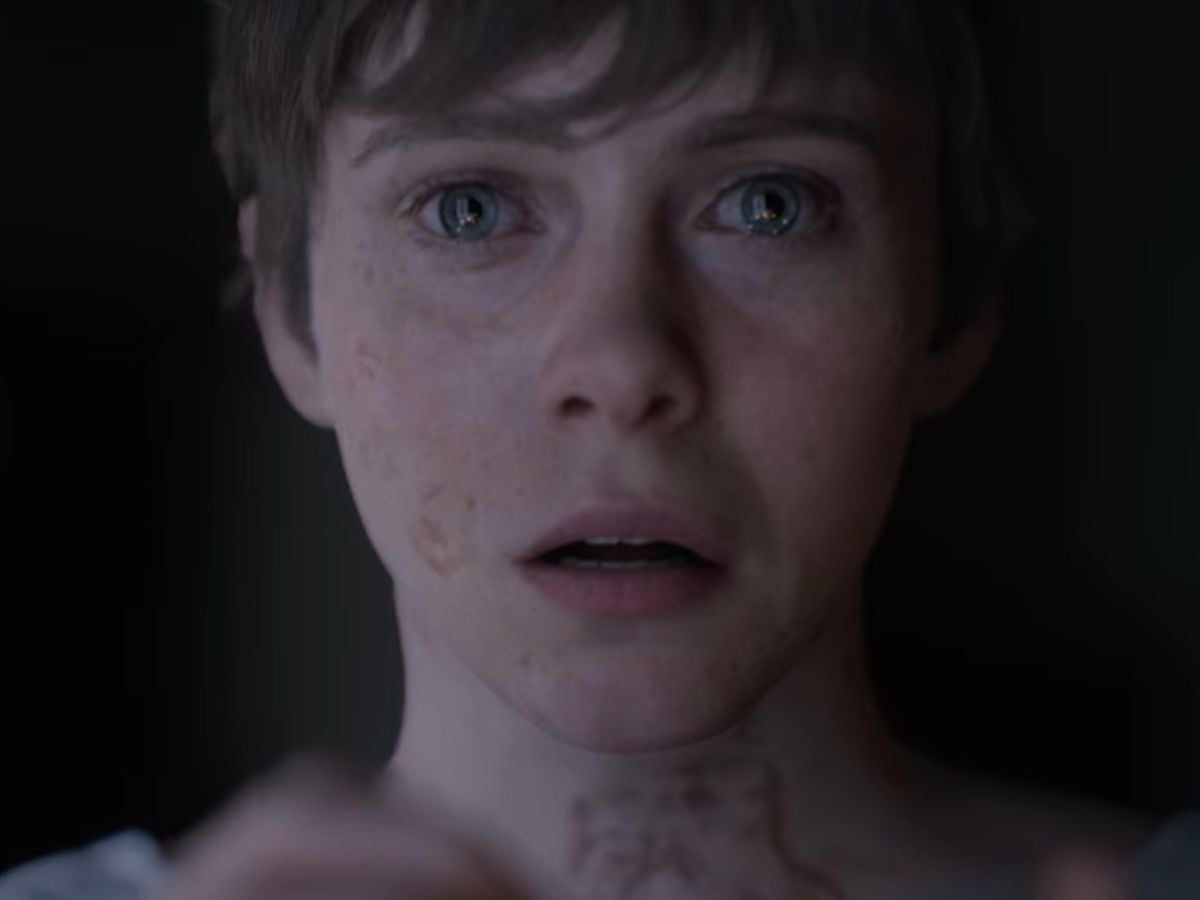
- 2023–2024: During The Game Awards, the world received its first official look at OD. The teaser featured photorealistic facial capture, hinting at the high-fidelity technology being employed to evoke visceral reactions from the audience.
- 2025–Present: As the project nears further development milestones, Kojima has begun to open up—albeit sparingly—about the challenges of pitching a game that most publishers initially deemed "too crazy" or technically impossible to realize.
The Industry Resistance: Supporting Data and Development Hurdles
In a recent, exclusive interview with Entertainment Weekly, Kojima provided rare insight into the arduous process of securing a home for his vision. According to the auteur, the pitch for OD was met with skepticism across the industry.
"They said that I’m crazy, and that they really don’t understand the concept—that they will not be able to do it," Kojima remarked. This institutional resistance underscores the ambitious nature of the project. In an era where AAA game development is often characterized by risk aversion and the iteration of established sequels, OD represents a significant gamble.
The partnership with Xbox, which was facilitated under the tenure of former CEO Phil Spencer, proved to be the turning point. The project is now being championed by current leadership, including CEO Asha Sharma, who has described the title as a "deeply moving" experience. This support suggests that OD is not merely a horror game, but a narrative-driven project that intends to evoke emotional responses far more complex than simple terror.
Official Responses and the "System" of Fear
Kojima has been famously tight-lipped about the mechanics of the game, citing the risk of revealing too much of his "system." However, his comments to the press offer a roadmap of his intent.
"I wanted to go beyond the limit of the ‘scariness’ that other games had reached," Kojima stated. He acknowledges that horror is an abrasive genre—one that often causes players to walk away when the tension becomes unbearable. His solution, which he refuses to detail further, is a system designed to encourage persistence.
This approach suggests a dynamic difficulty or psychological feedback loop. Whether this involves AI that adapts to the player’s specific fears or a narrative structure that rewards players for enduring high-stress scenarios, it is clear that Kojima is treating the player’s psychological state as a core component of the gameplay loop.
Implications for the Horror Genre
The implications of OD are profound. For years, the horror genre in video games has trended toward "survival-action," where players are given tools—guns, melee weapons, or stealth mechanics—to mitigate the threat. Kojima’s emphasis on "something new" suggests a move toward pure, unmitigated psychological immersion.
The P.T. Legacy
The visual language of the teaser trailer, specifically the recurring imagery of claustrophobic, liminal spaces like the yellow-lit hallway, has drawn immediate comparisons to P.T. While Kojima has not explicitly confirmed a thematic connection, the aesthetic continuity is undeniable. The use of high-end photogrammetry and the unsettling, uncanny-valley realism of the character models suggest that OD will lean into the same "slow-burn" horror that made the 2014 teaser a masterpiece of the genre.
A New Platform for Narrative
By aligning with Xbox, Kojima is leveraging the power of cloud-integrated hardware and modern engine capabilities to create a seamless, cinematic experience. If OD succeeds in its goal of creating a "deeply moving" and uniquely terrifying experience, it could set a new standard for how interactive media explores human trauma and fear.
The industry is watching closely. When a director of Kojima’s stature claims that he has created something the world has never seen, it is often met with a mix of cynical expectation and genuine awe. However, given his track record for pushing the medium forward—from the tactical espionage of Metal Gear to the social-connectivity simulations of Death Stranding—the gaming community has every reason to expect that OD will be a transformative entry in the canon of psychological horror.
Conclusion: The Wait Continues
As the anticipation builds, the lack of concrete information serves only to heighten the mystery. We know that OD is a singular vision, that it was nearly stifled by the status quo, and that it is being built to challenge the player’s endurance.
Whether it becomes the definitive horror experience of the current console generation remains to be seen. But for those who still hold P.T. as the gold standard of the genre, OD represents the most significant flicker of hope in a decade. We are not just waiting for a game; we are waiting for a new way to be afraid. As Kojima continues to navigate the development of this enigmatic title, one thing is certain: he is once again aiming to break the fourth wall of the player’s own comfort zone.

 Sagoh
Sagoh
 Ammar Sabilarrohman