Lina Irawan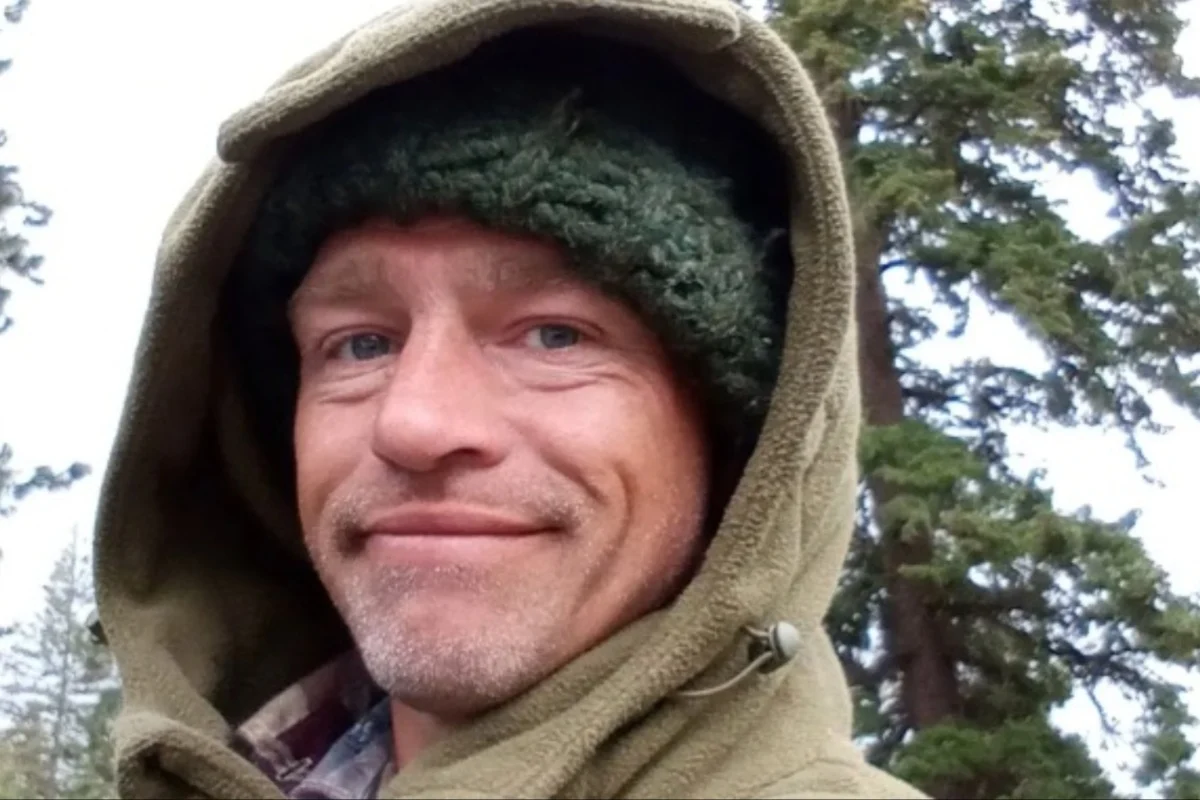
The world of reality television is in mourning following the sudden and tragic death of Matt Brown, the eldest son of the patriarch of the Discovery docudrama series Alaskan Bush People. Brown, who captivated audiences for years with his rugged persona and unconventional upbringing, was found dead at the age of 43. His passing, which his family suggests may be a result of suicide, has sent shockwaves through the fan community and reignited conversations regarding the immense pressures faced by those living their lives in the public eye.
The Circumstances of a Sudden Loss
The announcement of Matt Brown’s death was delivered with profound grief by his brother, Bear Brown, in a candid video message posted to TikTok on Saturday night. In the footage, Bear confirmed the identity of his brother and provided harrowing details regarding the discovery of his body.
"This is an update about Matt," Bear stated, his voice heavy with emotion. "They found a body in the river a few hours ago, and it was positively identified as being Matt. Noah [Brown] was with him and helped pull him out of the water, and Noah identified him."
While the family is awaiting official confirmation from the coroner, the preliminary assessment provided by his brother points to a self-inflicted injury. Bear expressed his deep shock, noting that while he was acutely aware of his brother’s long-standing struggles, the nature of his death was entirely unexpected. "I would have never suspected he would have hurt himself, honestly," Bear said. "He struggled for a long time, as I’ve mentioned. I was so worried he was gonna end up OD’ed or something like that; I didn’t think that he would hurt himself."
A Life in the Wilderness: The ‘Alaskan Bush People’ Legacy
To understand the public’s connection to Matt Brown, one must look at the phenomenon that was Alaskan Bush People. Premiering on the Discovery Channel in 2014, the show followed the Brown family—parents Billy and Ami, and their seven children—as they sought to live a "wolf pack" lifestyle, disconnected from modern civilization in the rugged, unforgiving terrain of Alaska.
Matt Brown was a central figure in the series from its inception. Across the first eight seasons and 79 episodes, viewers watched him navigate the challenges of living off the grid, mastering survival skills, and participating in the family’s complex interpersonal dynamics. His portrayal in the media was that of a free spirit, someone who found solace in the wilderness but often wrestled with the constraints of fame and the expectations placed upon him by the show’s narrative.
His departure from the series in 2019 marked a significant turning point, both for the show and for Matt himself. As the family eventually relocated to Washington state, the cracks in the "bush" lifestyle—and the personal struggles of its members—began to surface more frequently in the public domain.
Chronology of a Public Struggle
The narrative of Matt Brown’s life in the public eye was defined by a recurring cycle of personal growth and setbacks. Following his departure from the show, Brown was open with his fans about his battle with substance abuse. He sought treatment at multiple rehabilitation facilities, often documenting his progress and his relapses on social media.
This transparency was a double-edged sword. While it endeared him to fans who were rooting for his recovery, it also opened him up to intense scrutiny. The following timeline outlines the key moments of his post-show journey:
- 2014–2018: The height of Alaskan Bush People’s popularity. Matt becomes a fan favorite, known for his unique worldview and mechanical ingenuity.
- 2018: Brown enters a rehabilitation center for the first time, citing his struggle with alcohol. The family openly supports his decision, and the show documents his desire to get sober.
- 2019: Brown officially exits the series. He begins living independently, often sharing updates from his personal life and his ongoing efforts to maintain sobriety.
- 2020–2023: Brown experiences several public ups and downs. His social media presence becomes a platform for him to vent his frustrations, address family tensions, and connect with followers.
- May 2026: The tragic discovery of his body in a river, marking the conclusion of his long and public battle with personal demons.
The Weight of Digital Scrutiny
In the wake of the news, the Brown family has had to contend not only with their grief but also with the digital aftermath of Matt’s public life. Bear Brown’s statement on TikTok included a plea for compassion, highlighting a growing concern regarding how the public interacts with reality stars.
"Please be respectful to my family and to my mom," Bear urged his followers. "And please, watch the comments that you leave, guys. Sometimes, words can hurt more than fists can."
Bear specifically pointed to the "negative comments" that had been directed toward Matt on his social media platforms over the years. This raises a broader concern regarding the impact of parasocial relationships. When a person’s life is edited into a "character" for a reality television show, the lines between the person and the persona blur. Fans often feel a sense of ownership over the cast, which can lead to harsh judgment, unsolicited advice, and, in some cases, targeted harassment when that individual fails to meet the expectations set by the production.
Implications for Reality TV and Mental Health
The death of Matt Brown serves as a sobering reminder of the mental health risks inherent in reality television production. Participants are often cast for their unconventional backgrounds or turbulent personal lives, which can create a high-pressure environment once fame is added to the mix.
Industry experts have long debated the duty of care that production companies owe to the stars of their reality series. While networks provide entertainment, they are also documenting the real-time lives of individuals who may not be equipped to handle the sudden transition from anonymity to global recognition.
Examining the "Duty of Care"
In recent years, several reality franchises have faced criticism for failing to provide adequate mental health support for their cast members. The Alaskan Bush People model, which relied heavily on the premise of family struggle and isolation, created a unique environment where the boundaries between professional work and personal trauma were frequently collapsed. The question now being asked is whether the industry needs more stringent protocols to support cast members long after the cameras stop rolling.
Official Responses and Next Steps
At the time of this report, the local authorities have yet to release a final medical examiner’s report. The investigation into the circumstances surrounding the incident is ongoing. Discovery, the network that hosted the Brown family for nearly a decade, has expressed condolences, acknowledging the impact Matt had on the show’s viewers.
However, for the Brown family, the priority remains navigating the immediate trauma of their loss. The loss of a child and a sibling is an insurmountable hurdle, compounded by the fact that the entire ordeal has been played out in the public eye.
A Legacy Beyond the Screen
While the circumstances of his death are painful, those who followed Matt Brown’s journey are reflecting on his better moments. He was often described by those who knew him personally as a kind-hearted soul, deeply connected to the natural world and possessed of an innate, albeit restless, curiosity.
As the public continues to process this news, the discourse has shifted toward a more empathetic tone. The outpouring of support on social media suggests that for many, Matt Brown was more than just a character on a television show; he was a person who fought a difficult battle, and whose life—and death—should serve as a prompt for greater kindness and a deeper understanding of the struggles that often remain hidden behind the screen.
In the words of his brother, the focus for the coming days is respect. As the coroner concludes the investigation and the family prepares to say their final goodbyes, the legacy of Matt Brown remains complex: a story of a young man caught between the wilderness he knew and the modern world he struggled to navigate. His story serves as a final, tragic reminder that behind every "reality" star is a real person, deserving of grace, empathy, and the privacy to heal.

 Jia Lissa
 Iffa Jayyana