

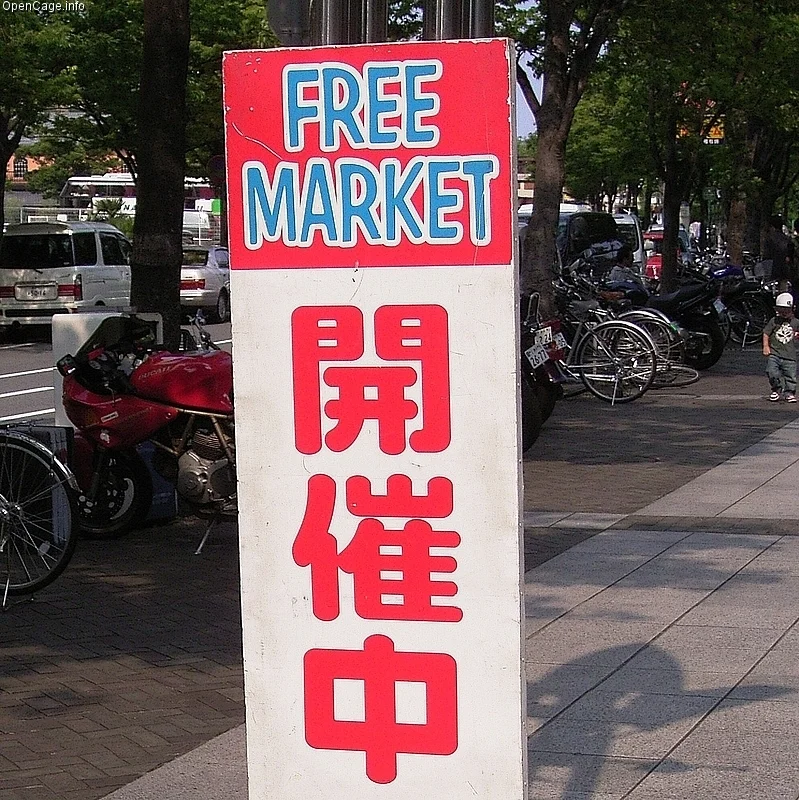
For travelers who have exhausted the polished, high-end department stores of Tokyo’s Ginza or the refined, tourist-centric craft shops of Kyoto, Nagoya offers a different kind of discovery. Tucked away in the heart of Japan’s fourth-largest city lies a tradition that feels remarkably untouched by the frantic pace of modern Japanese tourism: the Osu Kannon Antique Market. Held on the 18th and 28th of every month, this recurring event transforms the stone-paved plaza of one of Japan’s most significant Buddhist temples into a vibrant, chaotic, and utterly mesmerizing open-air museum of history.
Main Facts: The Pulse of the Market
The Osu Kannon Antique Market is not merely a flea market; it is an institution. With an average of 80 stalls on a standard weekday—a number that often swells to well over 120 on weekends—the market serves as a vital artery for the regional trade of artifacts.
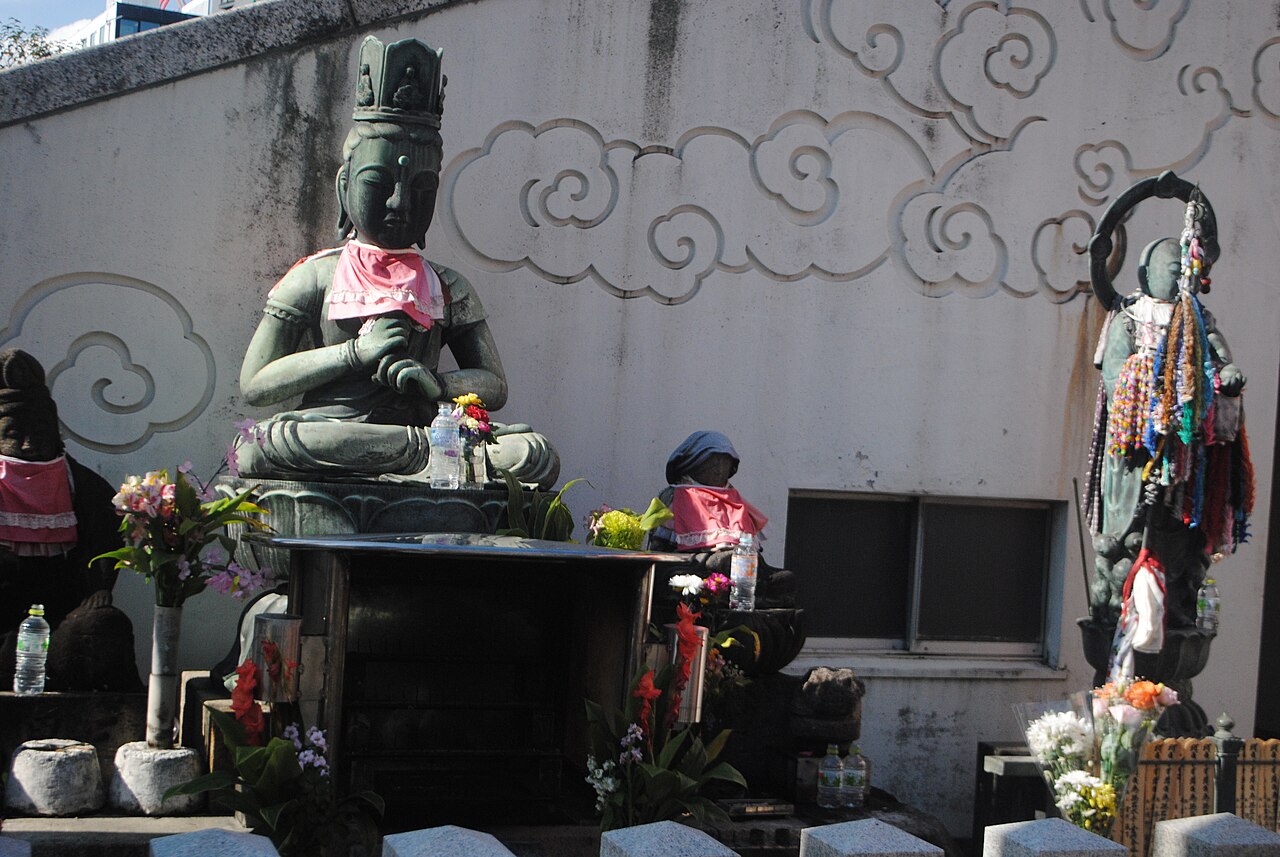
The range of goods is staggering. A casual browser might find a box of 500-yen Showa-era trinkets, while a serious collector could stumble upon Edo-period woodblock prints, Meiji-era silk kimonos, or even rusted but authentic pieces of samurai armor. The pricing reflects this diversity, ranging from pocket-change bargains to high-end investment pieces fetching upwards of 500,000 yen. For the foreign visitor, the experience is uniquely immersive; it is common to walk the rows of the temple precinct and realize you are the only non-Japanese speaker in sight, providing an authentic look into the local culture of collecting.
Chronology and Context: The Osu Kannon Legacy
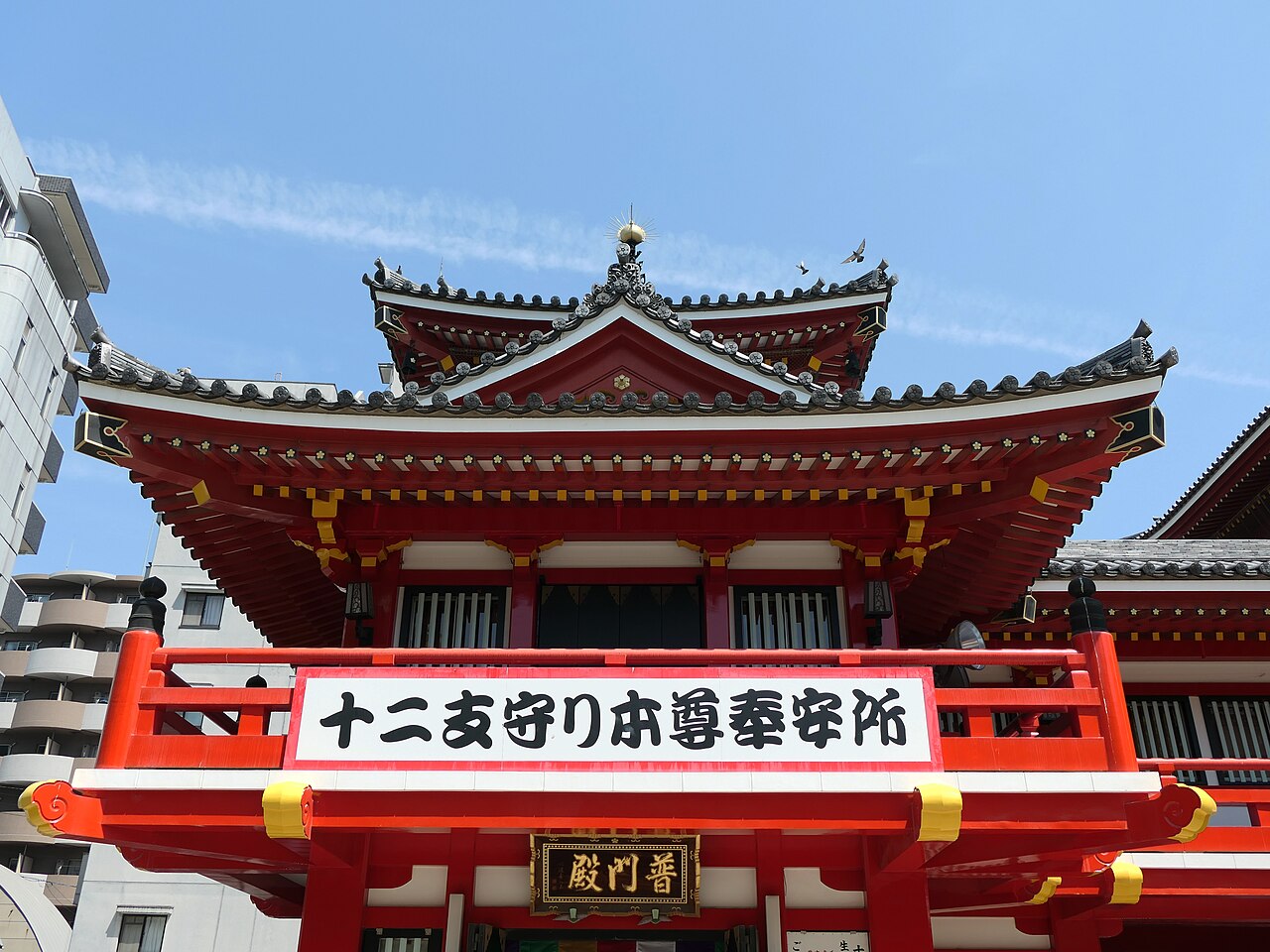
To understand the market, one must first understand the ground upon which it stands. Osu Kannon (officially known as Kitano-san Shinpuku-ji Hōshō-in) is a temple of the Shingon sect, founded in 1333. Originally located in the former Mino Province, the temple was moved to its current location in Nagoya in 1612 by the order of the shogunate’s founder, Tokugawa Ieyasu. This was a strategic political move: Ieyasu aimed to populate his newly established Nagoya castle-town with powerful religious institutions to anchor the southern commercial district.
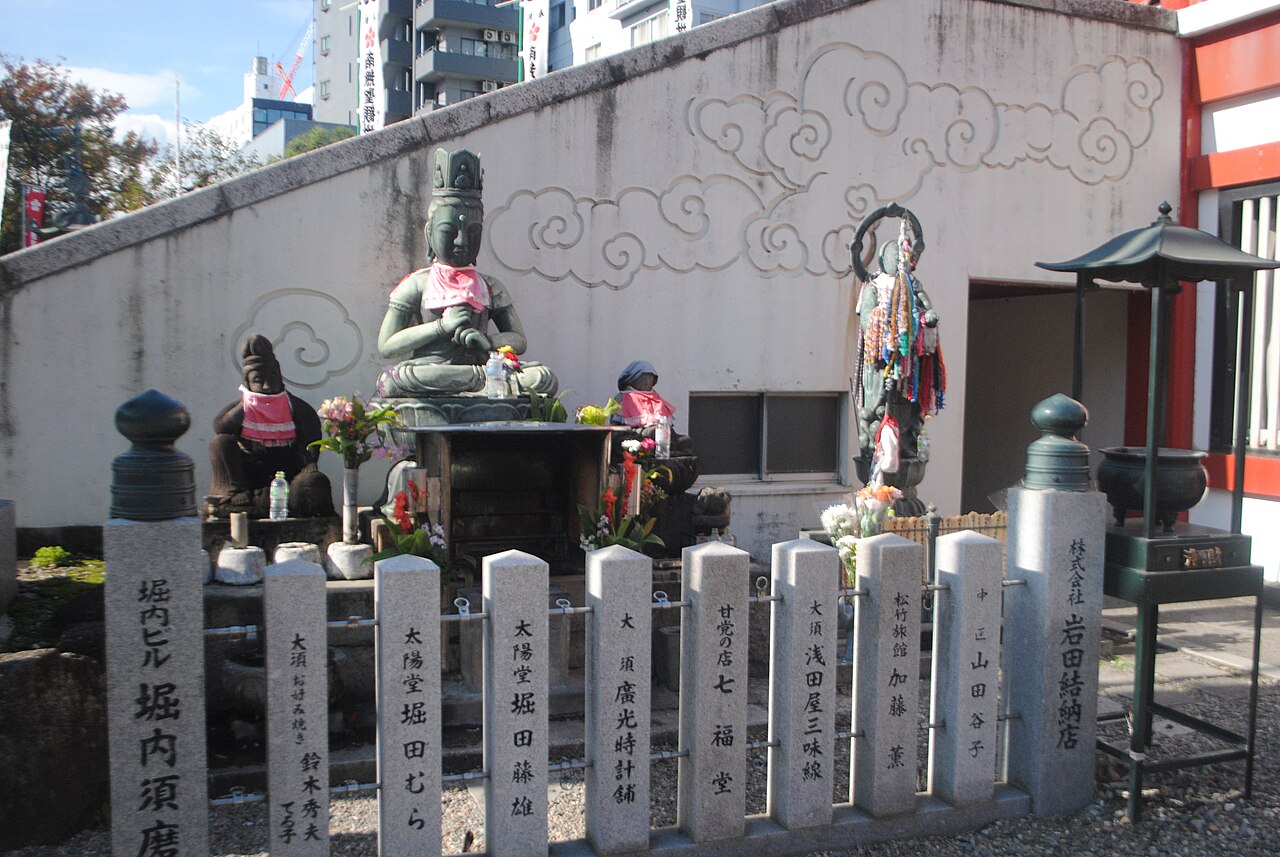
The temple’s historical gravity is immense. It houses the Shinpukuji Bunko, a library containing some of the oldest surviving manuscripts in Japan, including the 1371 copy of the Kojiki—the foundational text of Japanese mythology. While these treasures are typically shielded from public view, the temple’s existence serves as a permanent bridge between the medieval past and the contemporary urban sprawl of Nagoya.
The market itself adheres to a rigid, rhythmic schedule. It is a testament to Japanese "institutional memory"—the tradition of the 18th and 28th has persisted for decades, surviving the firebombing of the original temple during World War II and the subsequent 1970 reconstruction.
Supporting Data: A Regional Network
While Osu Kannon is the undisputed headliner, it is merely the most prominent feature of a broader, interconnected antique ecosystem in Nagoya. For those whose itineraries do not align with the 18th or 28th, the city offers a "market circuit" that effectively covers 5 to 6 days of the month:
- Wakamiya Hachimangu (1st Saturday): Located in the central district, this market features 30–40 stalls with a focus on classical Japanese antiquities rather than pop-culture ephemera.
- Toyota Daihatsu Shrine (8th of each month): A smaller, community-focused gathering at the Arako Kannon Shrine, ideal for retro toys and domestic goods.
- Shinshoji Temple (2nd Sunday): Located in the Higashiyama district, this venue is a hotspot for pottery enthusiasts, drawing dealers from the nearby Seto and Tokoname kiln regions.
- Heiwa Park Weekly Market (Every Sunday): A more general-purpose flea market that serves as a hub for local artisans and household recyclers.
Operational Realities: Navigating the Market as a Foreigner
Entering the Osu Kannon market requires a mix of preparation and patience. Because this is a working market rather than a tourist attraction, there are no concierge desks or credit card terminals.
The Art of the Transaction
Haggling in Japan is not the aggressive sport found in other parts of Asia. It is a subtle, polite negotiation. A standard request for a 10–15% discount is considered acceptable, but anything exceeding 50% is viewed as a social faux pas. The golden phrase is: “Kore wa ikura desu ka?” (How much is this?). If the price tag is absent, the dealer will likely name a figure; one or two polite counter-offers are the limit.
Logistics and Constraints
- The Cash Rule: Almost all transactions are cash-only. While high-end dealers in the nearby permanent arcades might accept cards for large purchases, the market stalls themselves do not. Always carry 5,000 and 10,000-yen notes, and keep small change for the smaller items.
- Authentication: The market is "buyer beware." There is no central authority verifying the authenticity of items. If you are purchasing high-value ceramics or blades, look for hakogaki (inscriptions on the storage box) or official dealer certificates.
- Shipping: Most vendors do not provide international shipping. However, the proximity of the Nagoya Yamato-Transport office makes the logistics of moving large items—like a 19th-century screen or a collection of ceramics—relatively straightforward.
Implications for the Modern Traveler
The Osu Kannon Antique Market exists as a counterpoint to the rapid digitization of retail. In an era where online marketplaces allow one to browse the world’s inventory from a sofa, the temple market reminds us of the value of the physical encounter.
The Cultural Symbiosis
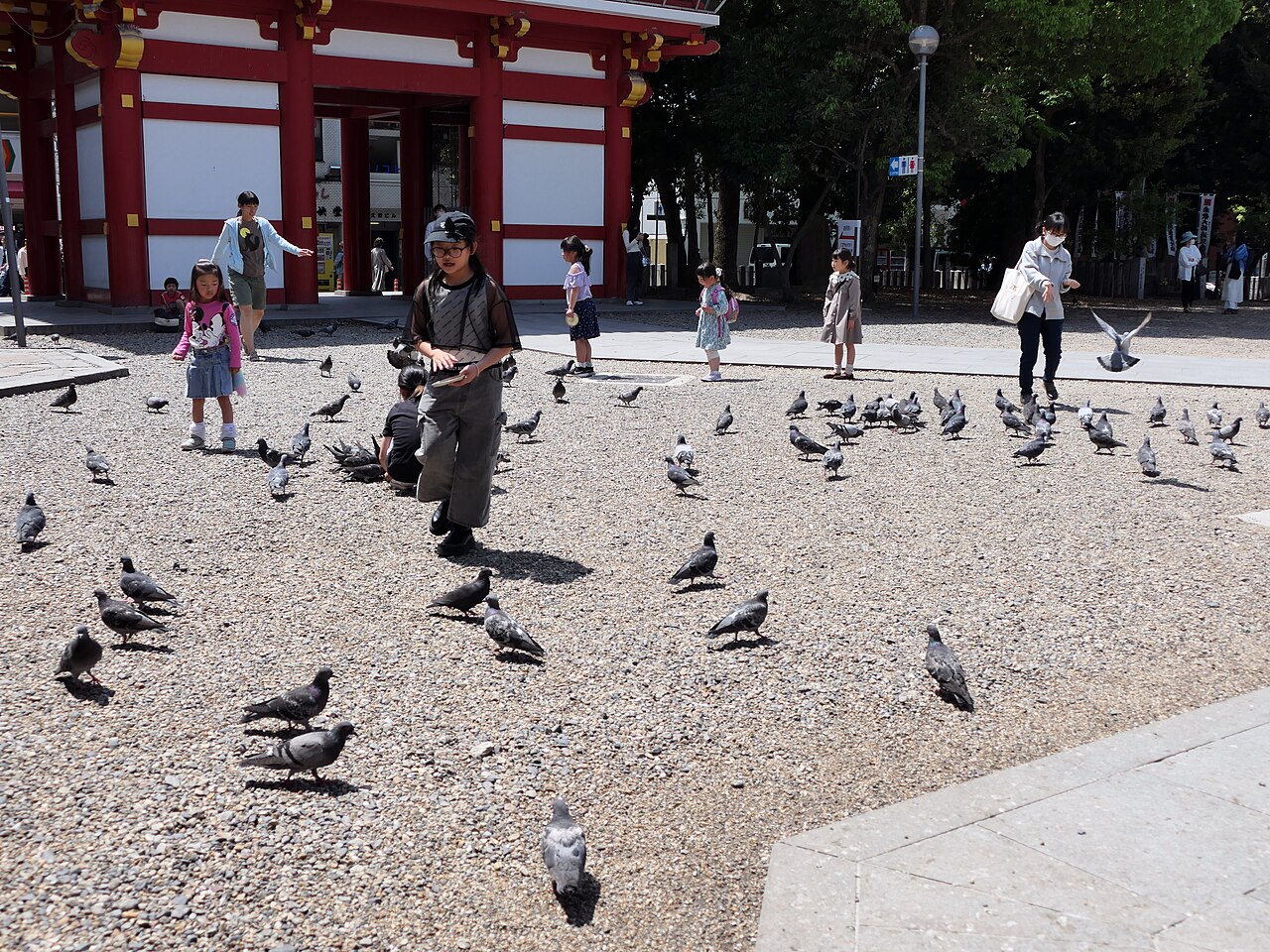
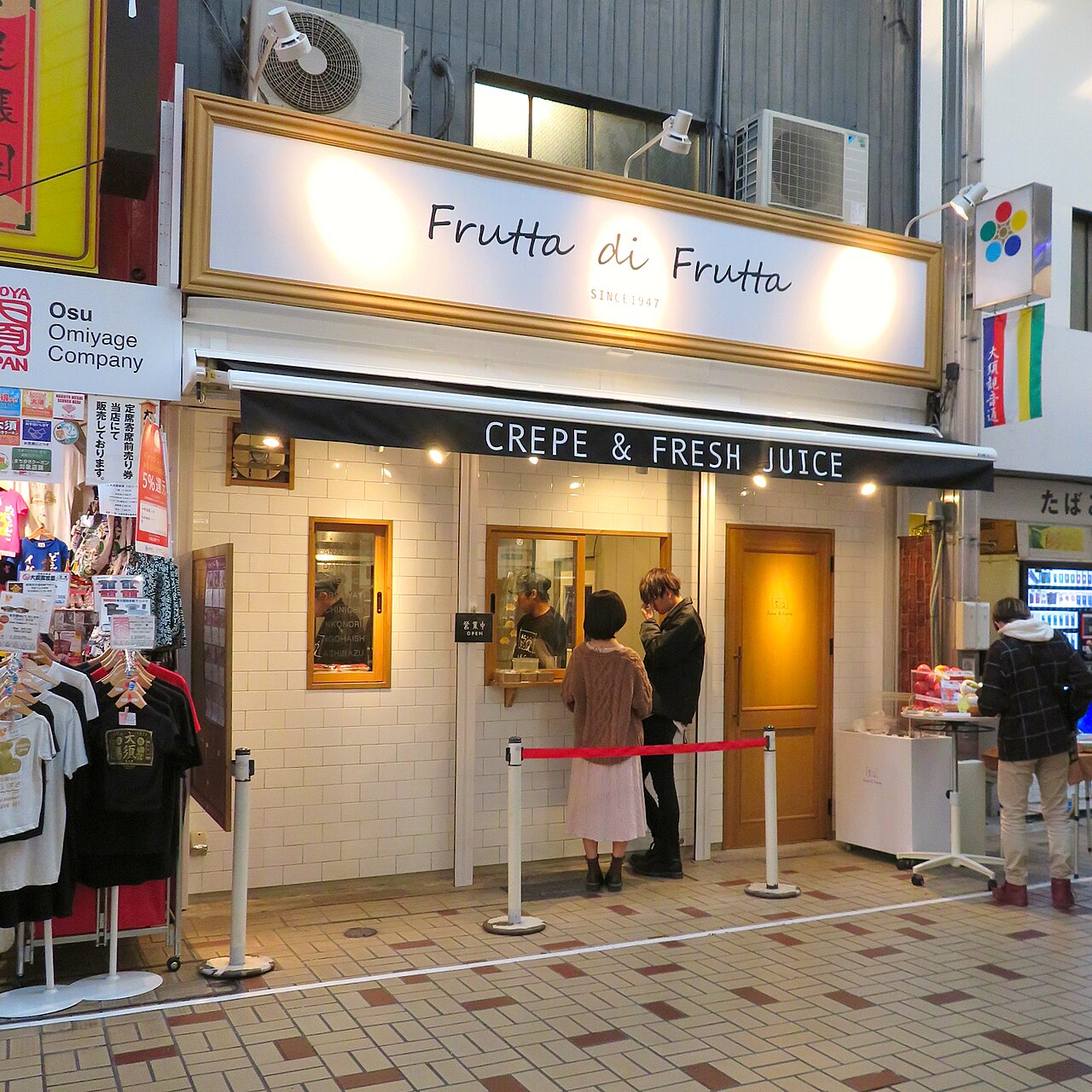
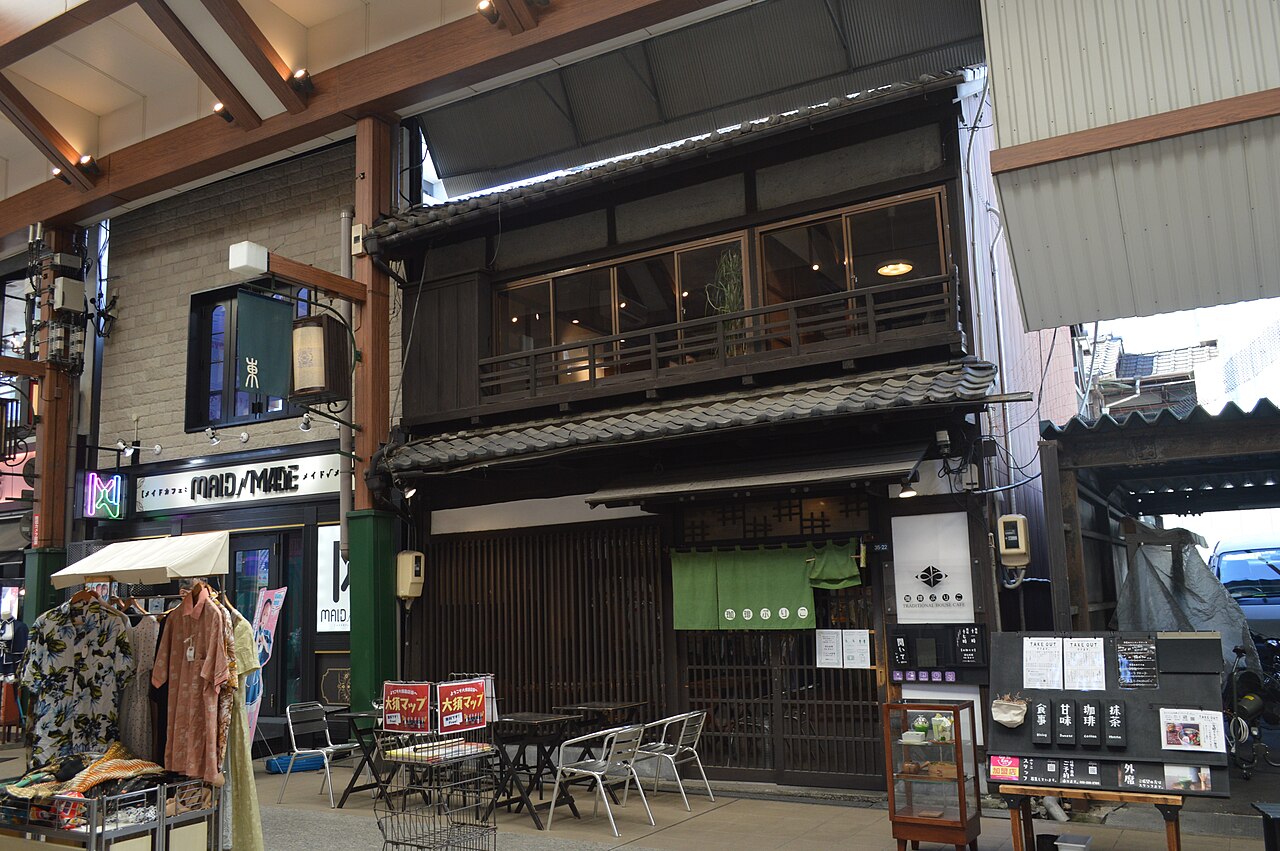
The market does not function in isolation. It is physically tethered to the Osu Shopping District, a massive, covered network of arcades. This creates a fascinating urban juxtaposition: a visitor can spend the morning in the quiet, reverent atmosphere of a 14th-century temple grounds, hunting for Edo-period tea bowls, and spend the afternoon ten minutes away in a neon-lit arcade, browsing retro video games or eating tebasaki (Nagoya’s famous spicy chicken wings).
Is It Worth the Trip?
For the serious collector, the Osu market is a high-value destination. The prices remain consistently lower than those found in the saturated markets of Tokyo or Kyoto, largely because Nagoya remains slightly off the main "Golden Route" tourist radar.
For the casual traveler, it offers a window into the Japanese concept of mottainai (the regret of waste). The market is a living engine of sustainability; old clothes, broken electronics, and discarded pottery are given new life through the hands of collectors.
Expert Recommendations
If you are planning to visit, arrive early—ideally between 9:00 AM and 9:30 AM. This is when the selection is at its peak. By 2:00 PM, the atmosphere shifts as dealers begin the process of packing up, and while this can sometimes lead to lower prices, the best inventory will have already been picked over.
Should you require deeper insight, the Nagoya Tourism Office can occasionally facilitate the hiring of a local guide, though for the intrepid explorer, a smartphone with Google Translate and a sense of curiosity is usually sufficient. As with any pilgrimage, the reward is rarely just the item you walk away with, but the narrative you assemble while searching for it—the smell of incense, the sight of a centuries-old pagoda, and the quiet nod of a dealer who recognizes that you, too, appreciate the beauty of a forgotten thing.











