

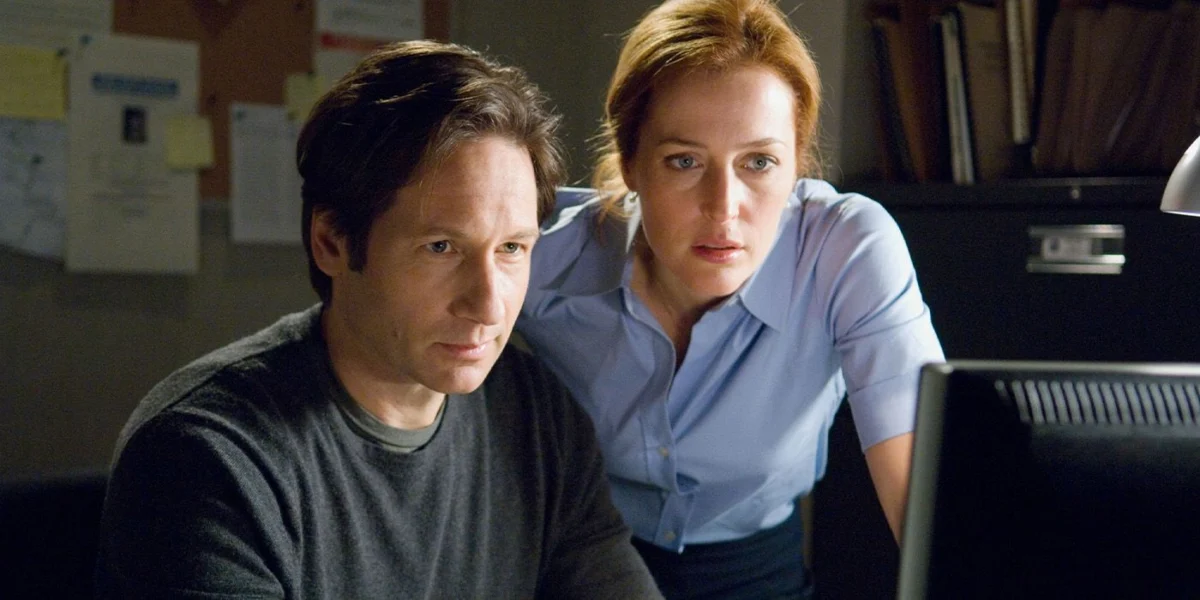
For decades, the legacy of The X-Files has been defined by its ability to oscillate between the expansive, world-ending mythology of alien colonization and the claustrophobic, visceral terror of its "Monster-of-the-Week" episodes. Yet, when the franchise transitioned from the small screen to the cinema for its second feature film, 2008’s The X-Files: I Want to Believe, the result left many fans feeling alienated. Critics cited a lack of narrative momentum and a jarring departure from the show’s established lore.
However, behind the scenes, a different story was unfolding—one of compromise, studio interference, and a creative vision stifled by the demands of a PG-13 rating. Now, nearly two decades after the film’s initial release, that vision is finally being restored. According to an official press release from Disney+, a "Director’s Cut" of The X-Files: I Want to Believe is set to arrive on the platform on June 11, 2026. For fans of Fox Mulder and Dana Scully, this is more than just a re-release; it is the culmination of a years-long campaign by series creator Chris Carter to present the horror-infused, darker narrative he originally intended.
The Genesis of a Compromise: A Chronology of the 2008 Feature
To understand the significance of this upcoming release, one must look back at the fraught production history of the 2008 film. When The X-Files ended its initial nine-season run in 2002, the fanbase was deeply invested in the prophecy of the 2012 alien invasion established in the series finale, "The Truth." Expectations for a cinematic follow-up were sky-high, with many assuming the film would serve as a grand conclusion to the extraterrestrial arc.
Instead, Chris Carter delivered a quiet, character-driven thriller. The film focused on the disappearance of several women in the snowy landscapes of Virginia, involving a disgraced priest with psychic visions and a bizarre organ-harvesting operation. While it mirrored the tone of the show’s most beloved standalone episodes, the lack of "mythology" content led to a lukewarm reception.
The reality, as revealed by Carter during an appearance on David Duchovny’s podcast, Fail Better, was that the film had been neutered by studio executives at 20th Century Fox. "I made it too scary, basically, and I was told so by the brass at Fox, and they wanted a PG-13 movie," Carter explained. "So we cut it back to be a PG-13 movie, and we thought, ‘Okay, we’ve satisfied their demands.’" By excising the more graphic, horror-forward elements that Carter had filmed, the studio effectively stripped the project of its intended edge, resulting in a pacing that felt cautious rather than chilling.
The Road to Restoration: Why Now?
The announcement of the director’s cut comes at a time of renewed interest in the franchise. With industry buzz surrounding a new X-Files reboot being developed by visionary director Ryan Coogler, Disney+ is clearly looking to bolster its library and engage the long-standing "X-Philes" community.
For years, rumors persisted about "lost footage" that had been discarded in the editing suite. While the 2008 home video release included several deleted scenes, fans were always aware that these were merely glimpses into a much larger, darker puzzle. Carter’s frustration with the theatrical version was never a secret; he frequently alluded to a version of the film that lived "on the page but never got to the screen."
In the wake of the 2016 revival series—which brought David Duchovny and Gillian Anderson back to their iconic roles—the appetite for definitive, high-quality X-Files content grew. The shift in corporate strategy at Disney, which now owns the X-Files rights following the acquisition of 21st Century Fox, has finally provided the platform and the resources to revisit this buried treasure. Carter confirmed the go-ahead with a sense of creative vindication, noting: "Now I have a chance to go back and make the scary movie that I always intended to make. It’s not just doing a director’s cut to do a director’s cut. It’s really kind of bringing to life something that… was on the page but never got to the screen."
Supporting Data: Examining the "Monster-of-the-Week" Philosophy
Critics often point to the "Monster-of-the-Week" format as the heart and soul of The X-Files. While the mythology episodes provided the framework of the show, it was the standalone stories that allowed Mulder and Scully to evolve as characters. I Want to Believe was, in many ways, the ultimate distillation of this format.
By grounding the story in Scully’s internal struggle with her Catholic faith and her grief over the loss of her son, William, the film explored the human cost of the paranormal. The horror, therefore, was not just external—represented by the antagonist’s gruesome experiments—but internal.
The upcoming director’s cut is expected to amplify this duality. By restoring the scenes that were deemed "too scary" for a PG-13 rating, Carter intends to heighten the atmosphere. Reports suggest that the cut will not merely add runtime, but will restructure the film’s climax to lean into the visceral, gothic horror aesthetics that were common in the show’s fourth and fifth seasons. This is not the "extended cut" of the past; it is a fundamental re-imagining of the film’s tonal architecture.
Official Responses and Industry Implications
The news has been met with a mixture of cautious optimism and genuine excitement across the industry. While the Disney+ press release was characteristically brief, stating only that "The X-Files: I Want to Believe — Director’s Cut | Bonus Feature" will be available on June 11, it has sparked significant debate.
Some industry analysts have speculated whether the release will be the full feature film or a comprehensive documentary-style presentation of the new footage. However, the prevailing sentiment is that Disney is testing the waters. If this release performs well, it could pave the way for a broader restoration of the X-Files back catalog, potentially including high-definition remasters of the original series that were hampered by the constraints of 1990s television technology.
Gillian Anderson’s recent comments regarding a potential return to the franchise have only added fuel to the fire. Her renewed interest, particularly in the context of Ryan Coogler’s involvement, suggests that the X-Files universe is far from dormant. By validating the original creator’s vision, Disney+ is signaling to both the talent and the audience that it respects the franchise’s legacy.
Implications for the Future of the Franchise
What does this mean for the future of Mulder and Scully? The implications are twofold. First, it serves as a "soft reset" for the film’s reputation. By allowing the director’s cut to stand as the definitive version, the studio effectively acknowledges that the 2008 theatrical release was an outlier. This helps restore the reputation of the property ahead of any future reboots or spin-offs.
Second, it establishes a precedent for how legacy IP is handled. In an era of endless reboots, there is a growing demand for the preservation of original creative intent. Fans are increasingly savvy about the difference between a studio-mandated product and a director’s true work. By prioritizing Carter’s vision, Disney is aligning itself with a more discerning audience.
Whether the director’s cut is a masterpiece of horror or simply a fascinating look at what could have been, it is undeniably a landmark moment for the show’s history. It is a rare opportunity to see an artist return to a work that they felt was compromised and refine it with the benefit of hindsight and, crucially, the absence of studio interference.
As the date approaches, the excitement is palpable. For those of us who grew up in the shadows of the "I Want to Believe" poster, the idea that there is "more" to see is the ultimate lure. We have waited nearly two decades to see the film that was promised to us in 2008. On June 11, 2026, the truth will finally be out there—and this time, it will be as terrifying as it was always meant to be.











No comments yet. Be the first to join the conversation!