

By Editorial Staff
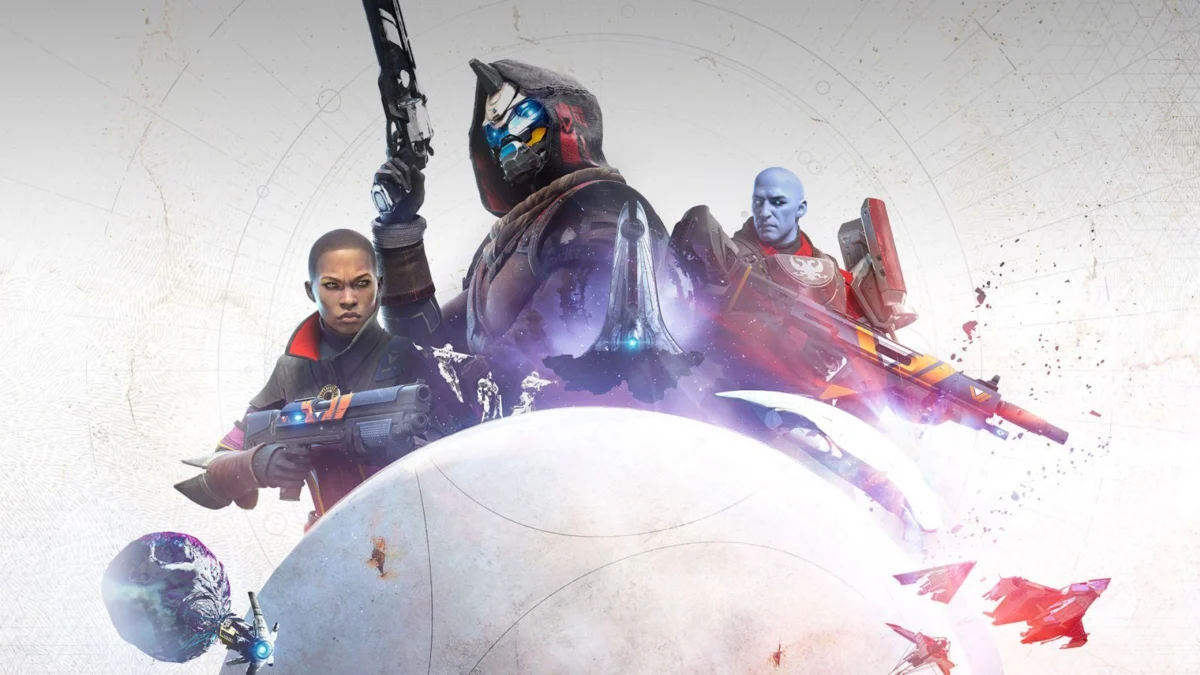
The landscape of modern live-service gaming shifted dramatically this week as Bungie, the storied developer behind Halo and Destiny, officially announced the cessation of development for Destiny 2. The news, which sent shockwaves through the gaming community, marks the end of a decade-long saga that defined the "looter-shooter" genre. However, the end of Destiny 2 is not a transition into a new chapter of the franchise; it is, by all accounts, the beginning of a period of profound contraction and uncertainty for the Seattle-based studio.
The Core Facts: A Franchise Stalled
The announcement confirms that Bungie has no plans to pursue a sequel, Destiny 3. While fans had long speculated that the conclusion of the Light and Darkness saga would serve as a bridge to a next-generation experience, reports from industry veteran Jason Schreier of Bloomberg clarify that such hopes are unfounded.
Bungie is currently navigating a grim corporate restructuring. The studio is preparing for another round of layoffs, a move that follows a series of staff reductions over the past 18 months. Those who remain at the studio are expected to be reallocated to support Marathon, Bungie’s upcoming extraction shooter, or to join smaller "incubation teams." These teams are tasked with exploring new concepts, though any prospective project must secure rigorous approval from Sony Interactive Entertainment, which acquired Bungie in a deal valued at $3.6 billion in 2022.
A Chronology of a Declining Trajectory
To understand how one of the most successful live-service titles reached this impasse, one must look at the timeline of the last few years.
- 2017-2019: The Rise of the Live Service: Destiny 2 launched to mixed reviews but found its footing with the Forsaken expansion. Bungie’s separation from Activision in 2019 was hailed as a move toward creative independence.
- 2022: The Sony Acquisition: Sony Interactive Entertainment acquired Bungie with the express goal of leveraging the studio’s expertise in live-service gaming to bolster its own internal PlayStation Studios output.
- 2023: The First Cracks: As development resources were increasingly funneled into Marathon, the quality and frequency of Destiny 2 content began to plateau. Reports of low player morale and burnout began to circulate.
- 2023-2024: The Wave of Layoffs: Bungie initiated its first significant round of layoffs, citing economic headwinds and lower-than-expected revenue from Destiny 2.
- 2025: The Final Impairment: Sony reported a massive $700+ million impairment loss related to the Bungie acquisition. This financial blow effectively signaled that the studio’s valuation had plummeted, making any high-risk, multi-year projects—like a hypothetical Destiny 3—all but impossible to greenlight.
- 2026: The End of the Road: Bungie officially confirms the end of Destiny 2 development, effectively pivoting its entire remaining workforce toward Marathon and internal restructuring.
Financial Realities: The Burden of the Impairment Loss
The central pillar of this crisis is the financial relationship between Bungie and Sony. When Sony acquired Bungie, the intent was for the studio to act as a "live-service center of excellence." However, the reality has been far more volatile.
The $700 million impairment loss reported by Sony is a stark indicator that the studio’s output has not met expectations. In the world of corporate finance, an impairment loss occurs when the market value of an asset—in this case, the Bungie subsidiary—falls below its book value. For Sony, this necessitates a more cautious, risk-averse approach to capital allocation.
A project like Destiny 3 would require a massive infusion of capital, a 5-to-7-year development cycle, and a significant expansion of the studio’s headcount. Given the current performance of the studio, Sony is unlikely to authorize such an expenditure. Instead, the focus has shifted toward cost-containment and the prioritization of the upcoming Marathon title, which is viewed as a "must-succeed" project to justify the studio’s current valuation.
The Human Cost: Layoffs and Studio Culture
The human element of this story is perhaps the most somber. Bungie, once praised for its unique studio culture and relative independence, has become a cautionary tale of the "games-as-a-service" boom and bust.
Layoffs in the gaming industry are rarely just numbers; they represent the loss of institutional knowledge. The developers who built the gunplay mechanics, the raid encounters, and the lore of Destiny are being let go or shifted to projects that may never reach the market. The "incubation teams" mentioned in the report are a common corporate structure during periods of transition, but for employees, they often represent a precarious state of employment where projects can be canceled at the first sign of a shift in corporate strategy.
Implications for the Industry
The end of Destiny 2 as a supported entity has broader implications for the video game industry.
1. The "Live-Service" Fatigue
For years, the industry was obsessed with creating the next Destiny—a game that would hold players’ attention for years through seasonal content and microtransactions. However, as Bungie has discovered, maintaining a live-service game at a high level of quality is an exhausting and expensive endeavor. The market is increasingly saturated, and player retention has become harder than ever.
2. The Limits of Acquisitions
Sony’s experience with Bungie serves as a case study in the risks of acquiring high-profile studios to shift a publisher’s business model. While Bungie brought expertise in live services, it also brought a specific, high-burn-rate culture that struggled to integrate with the demands of a parent company facing its own bottom-line pressures.
3. The Future of the Destiny IP
What becomes of the Destiny franchise? While the game is not disappearing, it is entering "maintenance mode." The narrative, which has been the heartbeat of the community, is essentially finished. For the millions of players who have invested thousands of hours into their characters, the lack of a clear path forward for the IP is a profound disappointment.
Official Stance and Market Response
While Bungie has not released a lengthy manifesto, their official communications indicate a pivot toward a more streamlined, project-focused future. The message to the community is one of transition. However, the market has reacted with skepticism. Investors are watching Marathon closely; if that title fails to capture the market, the future of the studio—and its remaining staff—remains in peril.
Conclusion: A Precarious Future
Bungie sits at a crossroads. By ending the development of Destiny 2, they have cut off their primary source of steady revenue to pursue a future that is still largely unwritten. The reliance on Marathon is a high-stakes gamble. If the game succeeds, it might provide the stability needed to rebuild the studio. If it fails, Bungie may find itself in the position of being a "support studio" for the wider PlayStation ecosystem, stripped of the creative autonomy that once made it a titan of the industry.
The story of Destiny 2 is a reminder that in the high-stakes world of AAA gaming, no franchise is too big to be shelved, and no studio is too iconic to be spared the scalpel of corporate restructuring. As the lights dim on the Destiny universe, the industry watches, waiting to see if Bungie can reinvent itself or if it will simply become another chapter in the history of the "live-service" gold rush that promised everything and delivered a volatile reality.












No comments yet. Be the first to join the conversation!