

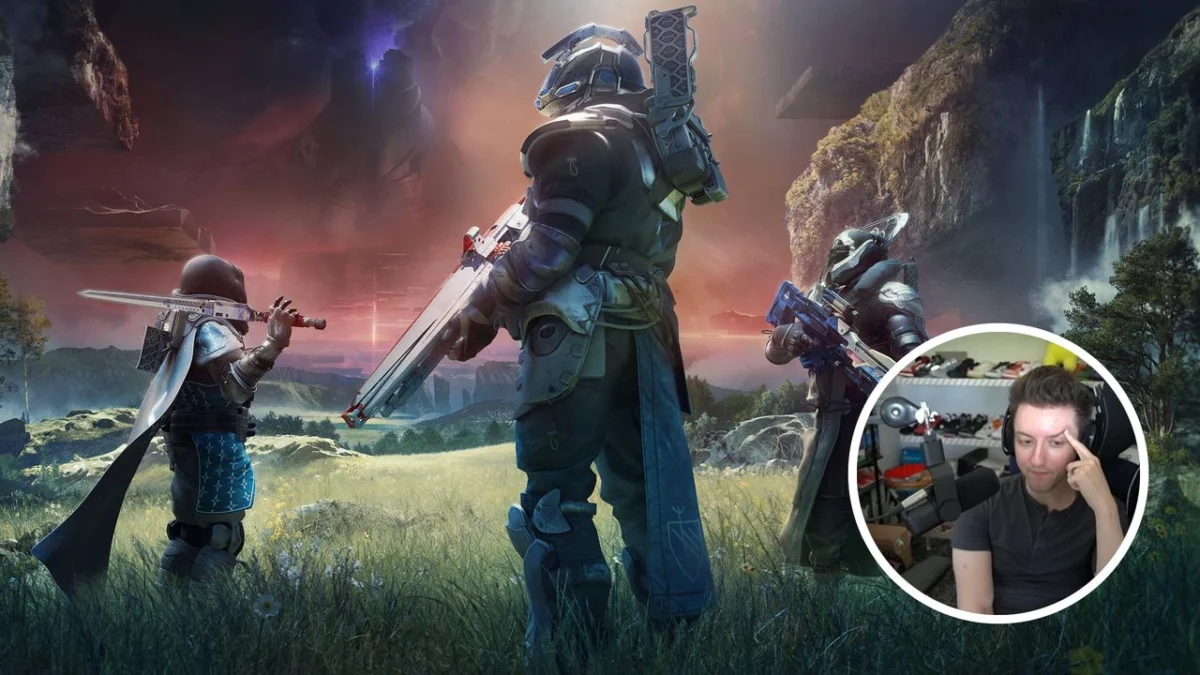
For nearly a decade, Destiny 2 has served as more than just a video game; it has functioned as a digital town square, a professional ecosystem, and a cornerstone of the modern "live-service" movement. However, the announcement this week that Bungie will cease major content updates for the title in June 2026 marks the end of an era. As the dust settles, the gaming industry is left to grapple with the seismic implications of losing a title that defined the careers of countless creators and forged a community that spanned the globe.
The Announcement: A Premature Sunset
The news, delivered with the clinical precision of a corporate press release, confirmed that after years of expansion, narrative arcs, and seasonal grind, the support cycle for Destiny 2 is approaching its final act. The final update is scheduled for June 9, 2026.
While rumors of Bungie’s internal struggles have circulated for months, the confirmation that the studio is not actively developing a Destiny 3 has sent shockwaves through the player base. For a franchise that has consistently been marketed as a decade-long journey, the realization that the journey has a definitive "stop" date is a jarring shift in the paradigm of live-service gaming.
Chronology of a Decade-Long Journey
To understand the gravity of this announcement, one must look back at the trajectory of the franchise.
- 2014: The launch of the original Destiny promised a revolution in console shooters. Despite a rocky reception, it birthed a loyal cult following.
- 2017: Destiny 2 launched, refining the formula and introducing a more cohesive narrative structure.
- 2019: Bungie split from Activision, signaling a push toward total creative independence and a shift toward an even more aggressive seasonal model.
- 2020-2023: The "Golden Age" of Destiny 2 storytelling, characterized by acclaimed expansions like The Witch Queen and Lightfall, solidified the game as a cultural phenomenon.
- 2024: Internal reports of layoffs and shifting studio priorities began to surface, casting a shadow over the game’s future.
- 2026: The scheduled sunsetting of content updates, effectively moving the game into a maintenance-only state.
The Human Cost: Content Creators and the Professional Ecosystem
Perhaps the most visceral reaction to the news has come from the content creator community. For individuals like Datto, a titan of the Destiny YouTube scene with over 1.2 million subscribers, the game was not merely a hobby—it was his entire professional identity.
"It’s been my entire adult life," Datto remarked during an emotional stream following the announcement. "I graduated college, I worked in television for like two-and-a-half, three years, trying to grind my way up, and then the YouTube channel took off in 2014… it’s all I’ve known."
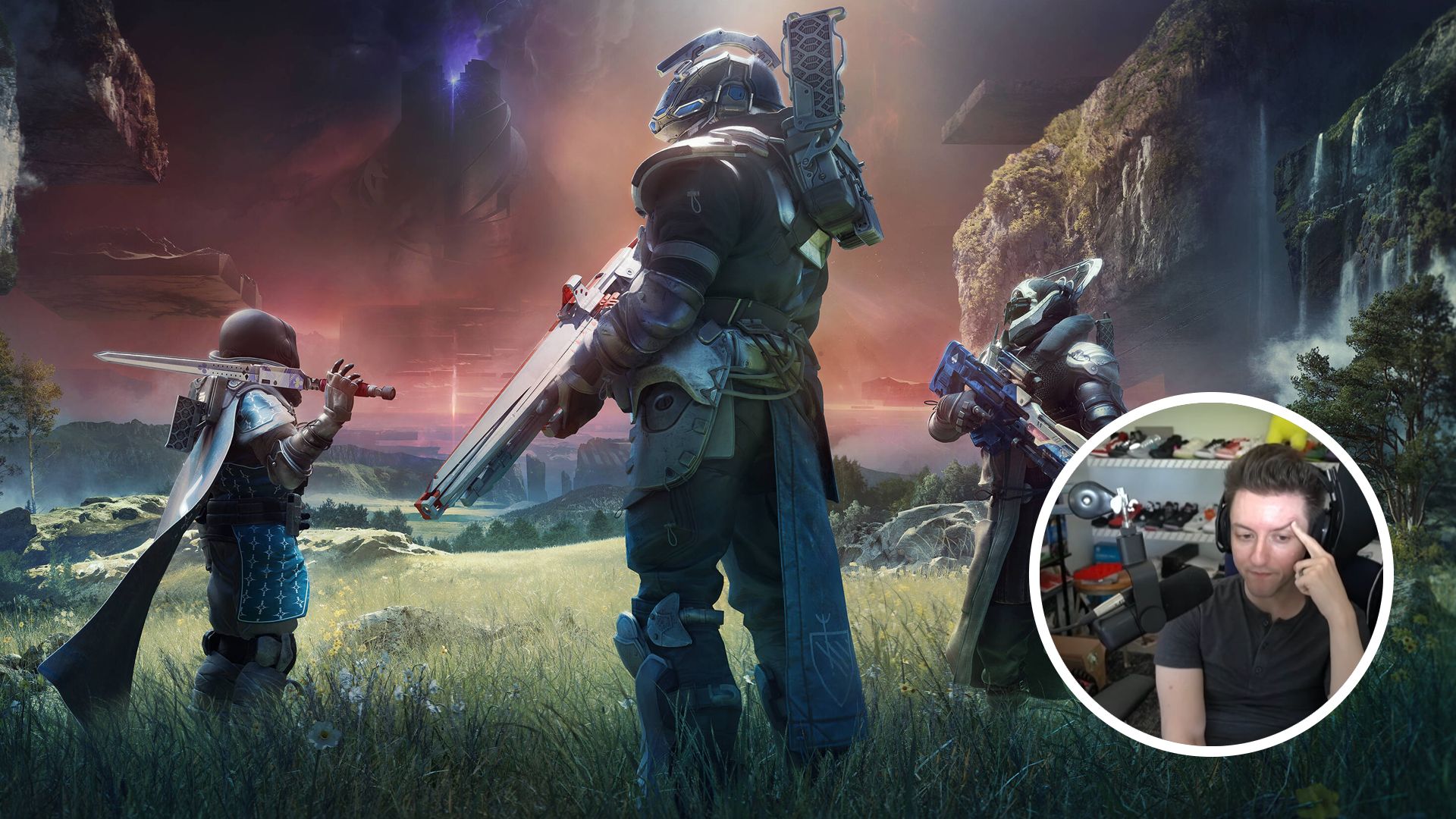
Datto’s sentiments are echoed by figures like Fallout and "My Name is Byf." These creators represent an entire industry built on the back of Destiny 2’s lore, mechanics, and social systems. For them, the pivot toward "other games" is a necessity for survival, but one that carries the weight of grieving a community that fostered friendships, marriages, and lifelong professional connections.
The Institutional Critique: A Failure of Management?
The discourse surrounding the end of Destiny 2 has turned increasingly critical of the studio’s leadership. "My Name is Byf," a creator renowned for his exhaustive deep dives into the game’s complex lore, offered a stinging rebuke of the current industry climate.
"Developers who care, like the many who did within the rank and file of Bungie, will make something remarkable," Byf noted in an email to PC Gamer. "Publishers and management teams at their best will enable that brilliance. The industry is so far from its best at current that it might as well be continents away. By that same measure, the leadership team at Bungie in particular might as well have been on Mars."
Byf’s critique highlights a growing tension in the gaming world: the misalignment between the developers who view games as "art" and the management teams who view them solely through the lens of the "bottom line." This sentiment reflects a broader industry trend where short-term fiscal goals—often tied to layoffs and the pursuit of new extraction-shooter projects like Marathon—take precedence over the long-term stewardship of established, beloved communities.
Implications for Preservation: The "Stop Killing Games" Movement
The announcement has reignited the debate surrounding digital ownership and game preservation. As it stands, Destiny 2 is a cloud-dependent service. When the servers eventually go dark, the game—and the thousands of hours of content, cosmetics, and memories within it—will effectively vanish.
This is why movements like "Stop Killing Games" have gained significant traction. By pushing for legislation that mandates a "playable state" for games after a company stops supporting them, proponents are fighting for the idea that consumers should not lose their entire investment at the whim of a publisher’s quarterly report. Without such protections, the sunsetting of Destiny 2 is not just an update; it is a permanent deletion of cultural history.
The Future: What Happens to the "Guardian"?
As the community processes the news, the focus is shifting toward the inevitable transition. Bungie has indicated that while future games in the Destiny universe are not entirely off the table, they are not currently a priority. The studio is currently undergoing a period of restructuring, with layoffs reported as the company attempts to pivot toward new, unproven projects.
For the players, the coming months will be a period of mourning and reflection. Many are choosing to spend their remaining time completing "triumphs," re-running classic raids, and documenting the final days of the Destiny experience.
"Destiny is the only game that ever made me want to create content," said Cool Guy, a long-time creator. "Not for views or a career, just to share something I genuinely loved with other people."
Conclusion: An Irreplaceable Legacy
The end of Destiny 2’s active development cycle is a reminder of the fragility of live-service gaming. It is a medium that thrives on the promise of "forever," yet is subject to the cold realities of corporate economics. While the servers may remain active for the foreseeable future, the spirit of the game—the constant evolution, the weekly reset, and the feeling of being part of a living, breathing story—is coming to a close.
The legacy of Destiny 2 will not be found in its code or its servers, but in the community that built a culture around it. From speedrunners and lore fanatics to the artists and musicians who found their voice through the game, the impact of Destiny 2 is indelible. As we move toward 2026, the question is not what happens to the game, but what happens to the people who found their home within it. For many, the answer is still being written, but one thing is certain: the world of gaming will feel significantly quieter once the final transmission from the Tower is sent.











No comments yet. Be the first to join the conversation!