The era of physical media in the gaming industry is approaching a definitive sunset. For decades, the clatter of a disc entering a console drive was the ritualistic start of every gaming session. Today, that sound is becoming an anomaly. Microsoft, a company that once faced a PR catastrophe for its vision of an "always-online" digital-first future, is now quietly preparing the infrastructure to bridge the gap between legacy physical collections and a purely digital ecosystem.
Reports indicate that Microsoft is developing a "Disc-to-Digital" feature, a move designed to appease collectors while acknowledging the inevitable transition toward a cloud-based, download-only future. As the industry shifts, the question is no longer if physical media will disappear, but how companies will manage the transition for consumers who have spent thousands on shelf-bound plastic.
The Chronology of a Controversial Shift
To understand the current state of the gaming industry, one must look back to 2013. When Microsoft unveiled the Xbox One, the company’s vision was ambitious—and, according to the market, disastrous. The console was designed to require an internet connection, effectively treating games as digital licenses that could be managed via the cloud. The gaming community revolted. The narrative of the time was clear: players wanted ownership, the ability to trade discs, and the freedom to play offline.
Sony, sensing the shift in public sentiment, famously leaned into this frustration during E3 2013. Their advertisement—a simple, humorous guide on how to "share" games by physically handing a disc to a friend—became a defining moment in gaming history, securing a monumental PR victory for the PlayStation 4.
However, time has proven that the "always-online" skeptics were perhaps merely ahead of their time. Slowly, year by year, the industry has migrated toward the very model Microsoft originally proposed. Digital storefronts became the primary revenue drivers, subscription services like Game Pass redefined ownership as "access," and physical discs began to function more like license keys than self-contained media.
The irony is palpable: the transition is now being completed by the very company that championed physical discs in 2013. Sony has recently announced that it will cease the production of games on Blu-ray by January 2028. This move has sparked significant debate, particularly after Sony demonstrated the volatility of a purely digital future by removing hundreds of licensed films from its store, leaving users who "owned" those films without access.
How the "Disc-to-Digital" Feature Works
According to reporting from The Verge, Microsoft is actively developing a tool to allow users to bind their existing physical disc libraries to their digital Microsoft accounts. This feature, which has been spotted in code references within the Xbox app as "enable Disc2Digital," serves as a logistical bridge for the next generation of hardware.
The Mechanism of Conversion
The process is not intended to be a magic wand that instantly digitizes a shelf of games. Instead, it relies on the hardware-level recognition of the physical disc. Users would need to insert the Blu-ray into their console, install the game, and verify the disc through the software. Once the system confirms the authenticity and the specific data markers on the disc—which vary depending on the production run and region—the game is then linked to the user’s Microsoft account.
The Logic of the License
Once a disc is "digitalized," the physical object essentially loses its primary function. The digital license granted to the user’s account would function exactly like a standard purchase from the Microsoft Store. This means:
- Game Pass Integration: If the user has an active Game Pass subscription, the game could theoretically be streamed or accessed via cloud gaming, provided the license is active.
- Play Anywhere: Digitalized titles could potentially be accessed across all connected platforms, including Windows PCs, provided the title is part of the "Play Anywhere" program.
- Transferability: If a player chooses to sell or lend their physical disc, the system would require a de-registration of the digital license from the current account, ensuring that the license "moves" with the physical object.
Supporting Data and Technical Challenges
The implementation of this feature is not without technical hurdles. The most significant challenge lies in the "markers" found on the discs themselves. Because optical media manufacturing has evolved over the last decade, not every disc contains the necessary metadata for the console to verify its legitimacy in a digital environment.
Industry analysts suggest that this is the primary reason the feature is not yet public. For a "Disc-to-Digital" system to work, Microsoft must build a massive, searchable database of every Xbox One and Xbox Series X game ever printed, cross-referencing these against the specific digital versions on their servers.
Furthermore, the hardware itself remains a point of contention. While Microsoft has not issued an official statement, rumors persist that the next iteration of the Xbox console might abandon the disc drive entirely. If the hardware lacks an optical drive, the "Disc-to-Digital" feature would become the only way to import a legacy collection, potentially requiring users to visit retail kiosks or use external USB-connected disc drives to verify their older libraries before the hardware is phased out.
Official Responses and Corporate Strategy
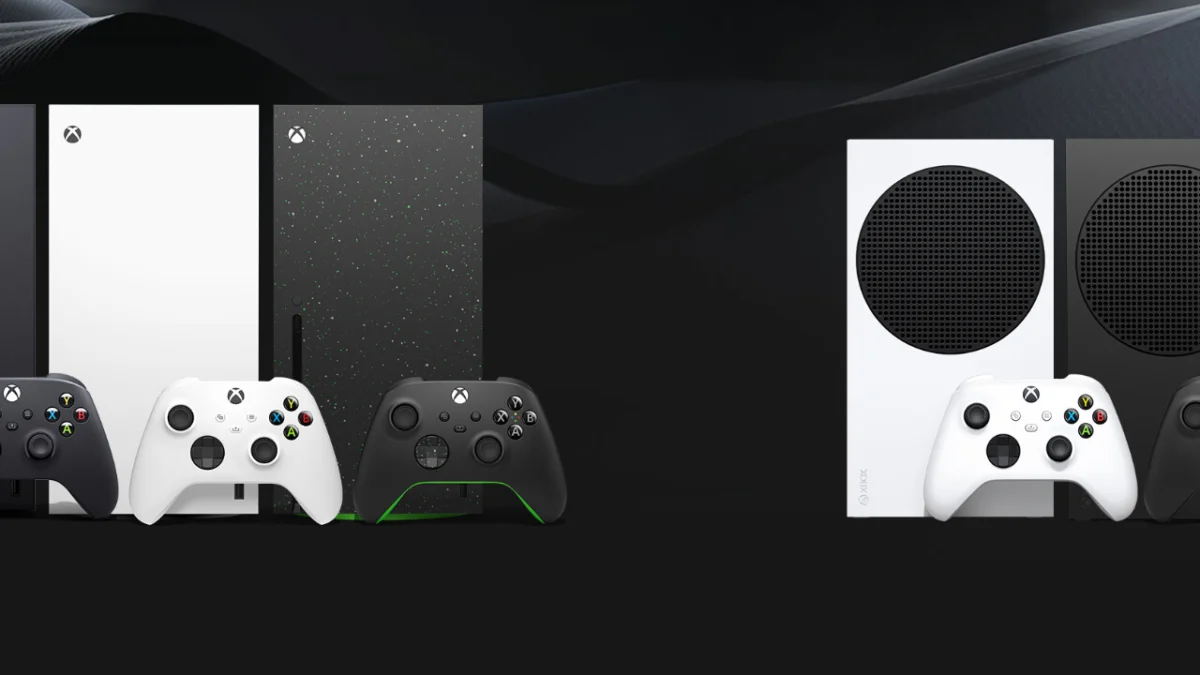
Microsoft has maintained a calculated silence regarding these specific rumors. In the past, the company has learned that publicizing "digital-first" initiatives prematurely leads to consumer backlash. Instead, they have opted for a "soft rollout" approach. By offering digital-only versions of the Xbox Series S and the latest revisions of the Series X, Microsoft is normalizing the hardware landscape.
When asked about the future of physical media, executives have historically shifted the conversation toward "user choice." The strategy is to ensure that the convenience of digital distribution is so high that the consumer naturally gravitates away from discs, rather than being forced by a policy mandate.
Sony’s aggressive stance, by contrast, has been more blunt. By setting a hard date for the end of physical production, Sony is forcing the market to adapt. This has put pressure on Microsoft to provide a solution that prevents their users from feeling stranded with an obsolete library of physical plastic.
The Broader Implications: What Does "Ownership" Mean?
The shift toward a fully digital ecosystem carries profound implications for the gaming industry, consumer rights, and long-term preservation.
The Death of the Second-Hand Market
One of the most significant casualties of the "Disc-to-Digital" era is the second-hand market. If discs become mere "keys" that must be registered to a single, locked account, the ability to buy, sell, and trade used games—a cornerstone of gaming culture for thirty years—could be effectively neutralized. This move increases the control of publishers and platform holders, who would prefer that every transaction occur through their own stores, where they can capture 100% of the revenue.
Preservation and the "Vault" Problem
The move toward digital-only also raises concerns about game preservation. As seen in the recent removal of digital content from the PlayStation Store, digital titles are subject to the whims of licensing agreements, server maintenance, and corporate insolvency. If a game is pulled from a store, and the servers that verify the license go down, the game effectively ceases to exist. A physical disc, while increasingly dependent on "day-one patches," at least offers a baseline of data that can be played in an offline state—for now.
The Convenience Factor
Conversely, the benefits to the consumer are undeniable. The ability to switch between games without swapping discs, the removal of wear-and-tear on fragile physical media, and the integration of games into a cloud-based library across multiple devices represent a significant leap in user experience. For the average consumer, the shift is likely to be met with convenience rather than existential dread.
Conclusion
The transition from physical discs to digital licenses is not merely a change in storage media; it is a fundamental shift in the social contract between the gamer and the publisher. Microsoft’s work on a "Disc-to-Digital" feature suggests a company that is acutely aware of the historical weight of its past failures. By creating a bridge for physical collections, Microsoft hopes to facilitate a transition that feels like an upgrade rather than a theft.
As 2028 approaches and the industry moves toward a disc-less horizon, the gaming community finds itself at a crossroads. The future of gaming is undoubtedly digital, cloud-integrated, and highly controlled. Whether that future preserves the spirit of "ownership" or reduces the player to a mere subscriber remains the most critical question facing the industry today. For now, the disc drive remains, but its days are numbered.