Neng Nana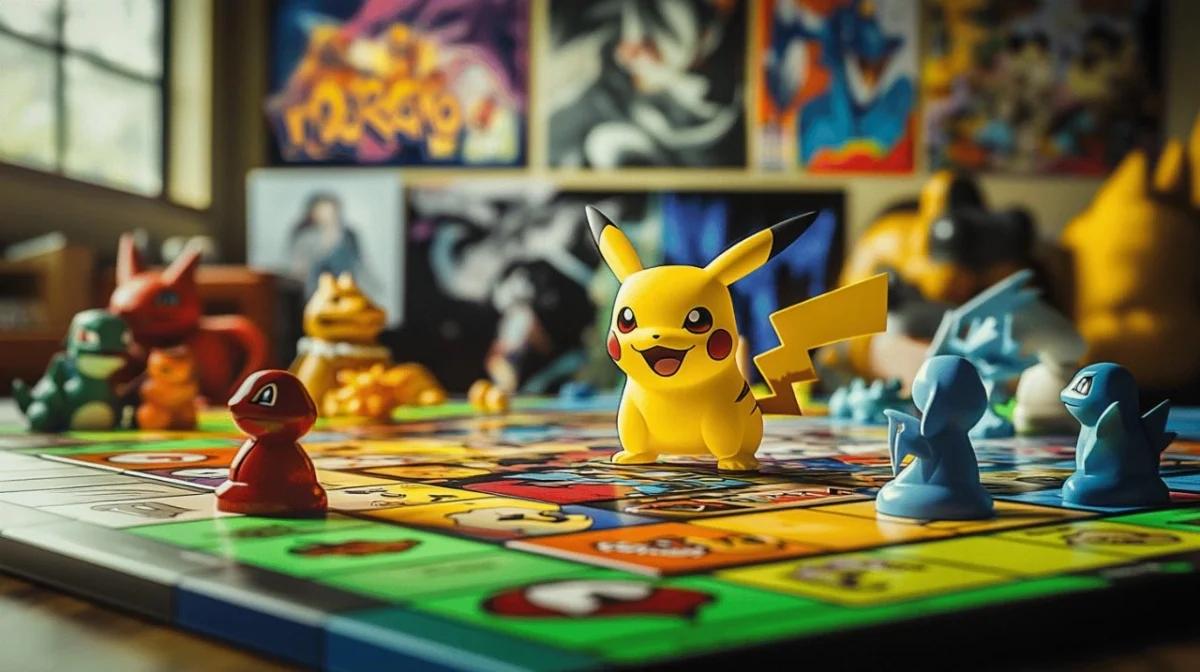
In a landmark collaboration that bridges the gap between classic tabletop tradition and modern pop-culture obsession, two titans of the entertainment industry have joined forces. The result is an innovative reimagining of the world’s most famous property-trading game, now infused with the magic and tactical depth of the Pokémon franchise. This new iteration of Monopoly is not merely a reskin; it is a fundamental transformation of mechanics, designed to immerse players—from nostalgic adults to eight-year-old trainers—into the iconic region of Kanto.
Main Facts: A New Way to Play
The core objective of this edition has shifted from the ruthless accumulation of capital to the prestigious pursuit of becoming the ultimate Pokémon Master. In this version, the traditional paper currency is entirely replaced by Poké Balls, which serve as both the primary resource for exploration and the medium of exchange.
The game board itself is a vibrant homage to the Kanto region. Instead of purchasing streets, players navigate legendary locales such as Pallet Town and Saffron City. The familiar pewter tokens of the original game have been retired in favor of custom-sculpted figurines representing Pikachu, Sprigatito, Fuecoco, and Quaxly. With a recommended retail price of €29.99, the game is positioned as an accessible entry point for families, promising an average play session of 45 minutes that balances the recognizable Monopoly structure with the dynamic, capture-based mechanics of the Pokémon universe.
Chronology: From Concept to Global Launch
The journey of this unique collaboration began with a desire to refresh the tabletop experience for a new generation of fans.
- Early 2024: Development teams from Hasbro and the Pokémon Company initiated discussions on how to marry the "get rich" mechanics of Monopoly with the "catch ’em all" philosophy of Pokémon.
- Late 2024: Early prototypes were tested, focusing on how to replace the rent system with a capture-based mechanic that felt rewarding rather than punitive.
- January 2025: The official French and European release marked the product’s debut on the market. It was met with immediate interest, particularly from long-term collectors and families looking for high-quality, thematic board games.
- Mid-2025: Following a positive reception, the game saw widespread distribution through major retailers like Amazon and Smyth Toys, solidifying its place as a staple of the 2025 holiday season.
Supporting Data and Technical Specifications
This edition is meticulously engineered to cater to both casual players and franchise enthusiasts. Below are the key components and logistical details that define the user experience:
Game Mechanics and Components
- Player Count: 2 to 4 participants.
- Target Demographic: Ages 8 and up.
- Collection Scope: 48 unique Pokémon available for capture throughout the game board.
- Dice Mechanics: Beyond standard movement dice, players utilize a custom "Capture Die" that dictates the success or failure of their encounters with wild Pokémon.
- Winning Conditions: Victory is achieved by capturing a representative of each Pokémon type or by being the last player to retain their supply of Poké Balls.
Distribution and Market Availability
The product has achieved a high level of market penetration. Major retailers report a consistent demand, with the game often appearing in the "Top 10" lists for family board games. Price fluctuations are minimal, typically hovering around the €29.99 mark, though savvy shoppers can often find promotions. Shipping costs across major e-commerce platforms like Amazon generally start at €2.50, with many retailers offering free shipping on bundles or orders exceeding €49.00.
Official Perspectives and Community Reception
The reception of the Pokémon Monopoly edition has been overwhelmingly positive, maintaining an average rating of 4.5 out of 5 stars across major retail platforms.
The Trainer’s Experience
Player feedback highlights two primary pillars of success: the aesthetic appeal of the character figurines and the accessibility of the new ruleset. Parents have noted that the simplified, more dynamic flow of the game makes it an ideal introduction to board gaming for younger children, while veteran fans appreciate the inclusion of deep-cut references to the Kanto region.
Strategic Depth
Unlike the traditional Monopoly, which often relies on luck and economic attrition, this version requires active resource management. Players must decide when to spend their Poké Balls on capture attempts and when to save them to maneuver through high-value zones. The integration of Professor Oak’s challenges provides secondary objectives that keep players engaged, even when they are not in a position to win through standard property control.
Implications for the Tabletop Industry
The success of this collaboration signals a broader trend in the toy and game industry: the "fusion-play" model. By taking a legacy brand like Monopoly and layering it with a massive intellectual property like Pokémon, manufacturers are successfully insulating themselves from market saturation.
A Masterclass in Brand Synergy
The decision to remove the "money" aspect in favor of "Poké Balls" was a calculated risk that paid off. It effectively removes the potentially dry economic focus of the original game and replaces it with a theme that aligns with the core brand values of the Pokémon series: adventure, collection, and competition. This move has set a new benchmark for licensed board games, proving that consumers are willing to pay for meaningful, thematic transformations rather than simple superficial redesigns.
Longevity and Collectability
For the serious collector, this edition represents a unique asset. Its status as a specialized release, combined with the high-quality molding of the character tokens, ensures it will likely retain value in the secondary market for years to come. Maintaining the game in its original condition—storing the board flat, protecting the tokens from abrasion, and organizing the cards—is highly recommended for those viewing this as an investment piece.
Bonus Features: The "Professor Oak" Effect
One of the most praised aspects of the game is the inclusion of "Professor Oak’s Challenges." These randomized events act as a catalyst for player interaction. Whether it is a challenge to catch a specific type of Pokémon or a requirement to traverse a difficult path, these missions inject a sense of urgency into every turn.
Furthermore, the implementation of "Legendary Encounters" on specific board spaces provides high-stakes moments. When a player lands on one of these tiles, they must decide whether to commit their limited resources to a high-probability capture attempt or conserve their assets for later. This introduces a "push-your-luck" mechanic that is absent in traditional Monopoly, effectively raising the skill ceiling of the game.
Conclusion: A New Frontier for Family Game Night
The Pokémon-themed Monopoly is more than just a collaboration; it is a thoughtful evolution of a classic. By respecting the legacy of the original game while fully embracing the spirit of the Pokémon world, the designers have created an experience that feels fresh, challenging, and deeply immersive.
Whether you are a long-time fan of the Kanto region or a parent seeking an engaging, family-friendly activity, this edition offers a perfect blend of nostalgia and innovation. As it continues to see wide availability throughout 2025 and beyond, it stands as a testament to the power of creative brand partnerships. It is not just about moving a token around a square; it is about stepping into the shoes of a trainer and embarking on a journey that, for 45 minutes at a time, makes the world of Pokémon feel tangible and real.

 Siti Muinah
 Azzam Bilal Chamdy