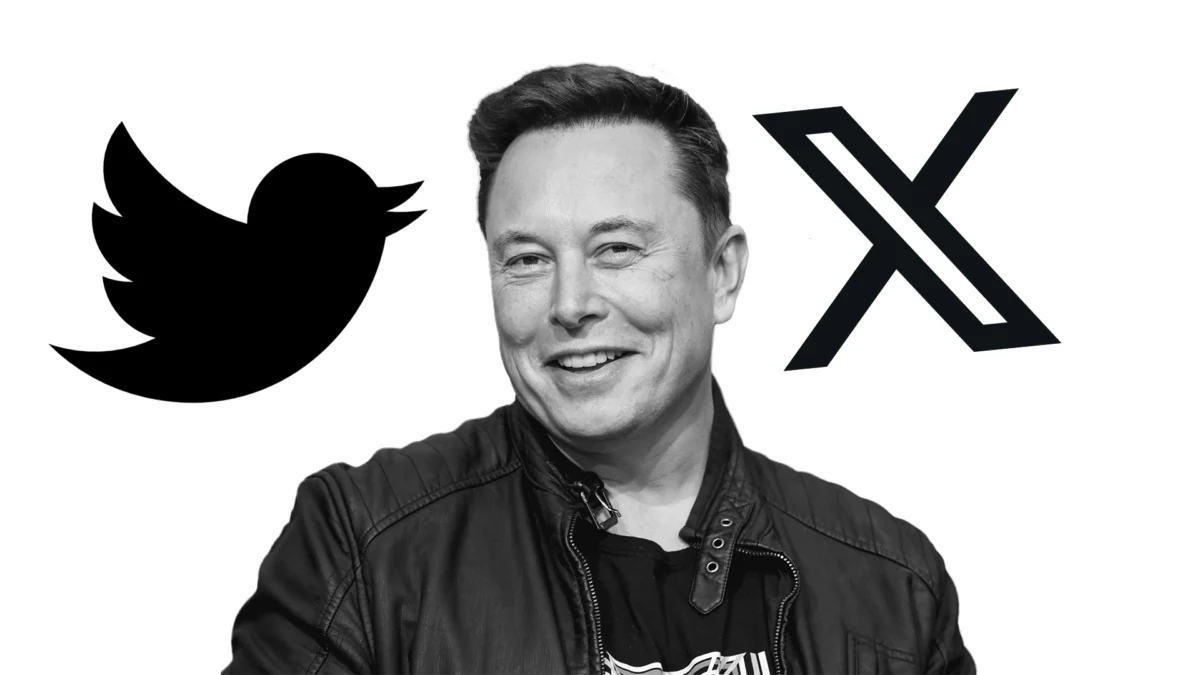
In the annals of corporate rebranding, few decisions have been as polarizing or as scrutinized as Elon Musk’s aggressive transition from Twitter to X. What began as a bold vision to create an "everything app" has, two years later, culminated in a significant legal setback that highlights the permanence of digital speech. A federal court has ruled that while X Corp. may retain the rights to the "Twitter" name, it has effectively forfeited its claim to the iconic bird logo and the term "Tweet."
This judicial decision serves as a stark reminder that in the eyes of the law, a brand is not merely what a company owns on paper; it is defined by the public’s usage and the company’s own stated intent. The ruling, which stems from a legal battle with a new social media initiative known as "Operation Bluebird," hinges on the very tweets Musk used to announce the destruction of the old brand.
The Genesis of the Conflict: Operation Bluebird
The legal challenge was brought forward by Operation Bluebird, a burgeoning social media platform aiming to reclaim the spirit of the original Twitter experience. As Musk’s X moved further away from the microblogging roots that made the platform a global town square, space opened for competitors to capitalize on the nostalgia and functional desires of displaced users.
Operation Bluebird sought to establish its own identity in the marketplace, leading to a direct collision with the intellectual property portfolio of X Corp. While X attempted to block the newcomer from utilizing the "Twitter" nomenclature, the court’s decision was nuanced. The judge determined that because X Corp. had aggressively signaled its abandonment of the original brand, the company could no longer claim exclusive ownership of the legacy symbols—the bird and the verb "Tweet"—that were once synonymous with the service.
A Chronology of Abandonment: The Power of 280 Characters
The legal undoing of X’s intellectual property claims can be traced back to a specific 48-hour window in July 2023. During this time, Elon Musk, known for his unfiltered communication style, provided the court with the precise "smoking gun" needed to prove trademark abandonment.
- July 22, 2023: In a post that signaled the beginning of the end for the brand, Musk declared that the company was planning to "bid adieu to the Twitter brand and, gradually, all the birds." This was not merely a marketing statement; it was an admission of intent to discontinue the use of a registered mark.
- July 23, 2023: Doubling down on the previous day’s declaration, Musk posted that the company was physically removing the Twitter branding from its headquarters. The imagery of workers taking "blow torches" to the iconic bird sign became a viral symbol of the company’s commitment to erasing its history.
- The Legal Fallout: In a 35-page ruling released this month, the court cited these specific communications as definitive evidence of the company’s intent. The judge concluded that X Corp. had failed to demonstrate a "bona fide" intent to resume the use of the bird logo or the "Tweet" trademark, thereby opening the door for others to potentially utilize these assets.
The Legal Implications: Abandonment vs. Ownership
Trademark law is fundamentally rooted in usage. To maintain exclusive rights to a mark, a company must demonstrate consistent use and an intent to protect that brand in commerce. By publicly and repeatedly stating that the bird and the term "Tweet" were being permanently discarded, Musk provided legal counsel for his rivals with the perfect evidence of "abandonment."
The court’s decision suggests that a brand is a living entity. When a corporation chooses to "torch" its own identity, it cannot simultaneously expect to hold onto the legal protections afforded to that identity. The judge ruled that the company’s actions—specifically the physical removal of signs and the public proclamations—constituted a clear abandonment of the mark. Consequently, X Corp. has lost its grip on the bird logo and the term "Tweet," though it remains the sole owner of the word "Twitter" itself.
Perspectives from the Frontline: Operation Bluebird’s Response
The response from Operation Bluebird has been one of quiet, strategic triumph. In a statement released following the ruling, the team behind the new platform emphasized the difference between corporate ownership and cultural ownership.
"They kept the word. They let go of the bird, and they let go of the tweet," the company stated. "A ‘Tweet’ was never a corporation. It’s one person saying something. That word survived three years of a company trying to replace it, because the public declined to stop using it. We think that tells you who it belongs to."
This sentiment reflects a growing divide between top-down corporate branding and bottom-up user behavior. Despite X’s best efforts to rebrand posts as "x’s" or "posts," the public persists in calling them "Tweets." The legal system has now, in effect, acknowledged this reality: the word belongs to the people, not the platform.
The Broader Impact on Branding and Intellectual Property
This case sets a fascinating precedent for technology companies undergoing massive rebrands. It suggests that leaders of high-profile companies must exercise caution in their public pronouncements regarding legacy assets. The "move fast and break things" ethos of Silicon Valley, when applied to established intellectual property, can have unintended, permanent consequences.
For design and branding professionals, the X vs. Operation Bluebird saga is a cautionary tale. A brand is more than just a logo or a domain name; it is an intangible asset built on years of public trust and habit. When a company chooses to pivot, the process must be handled with legal foresight. By framing the departure from the Twitter brand as a total destruction, Musk inadvertently surrendered the rights to the most valuable parts of that brand.
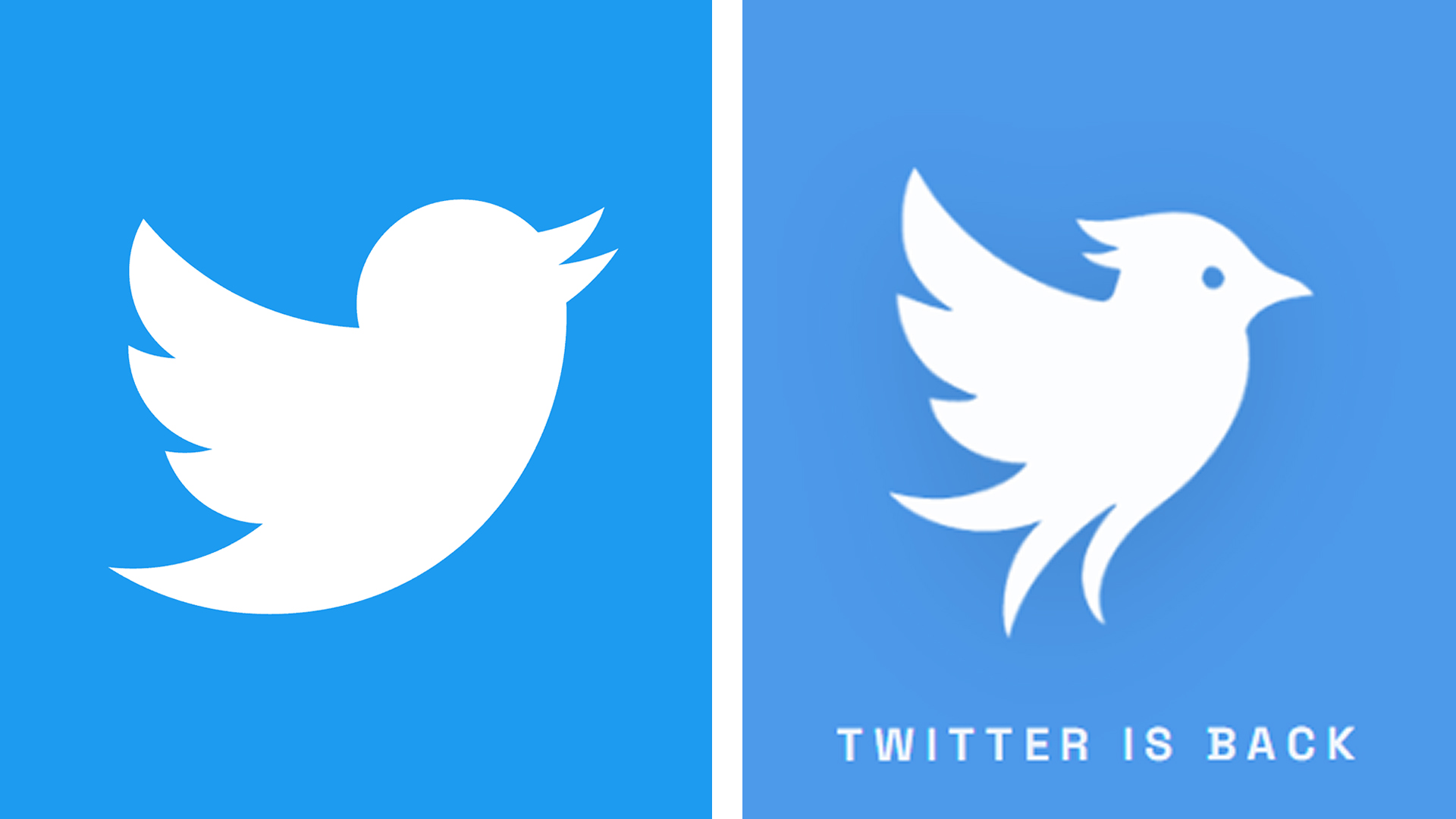
Looking Ahead: The Future of the "Bird"
What happens next? While the ruling is a significant blow to X’s exclusivity, it does not necessarily mean that the internet will immediately be flooded with corporate entities using the old Twitter bird. However, it does weaken X’s position in any future litigation against smaller startups that might want to leverage the nostalgic power of the blue bird.
For X, the challenge remains: how to build the "everything app" while continuing to fight legal battles over the very identity they tried to shed? The company has effectively spent two years attempting to strip away the "Twitter" DNA, only to have the court rule that they have successfully succeeded in doing so—at the cost of the assets themselves.
As the industry watches this case unfold, one thing is clear: the digital landscape is littered with the remnants of failed rebrands, but rarely does a case so perfectly illustrate the intersection of social media, trademark law, and the ego of a billionaire owner. The "bird" may have been burned from the buildings of X’s headquarters, but in the eyes of the law and the public, it has found a new place to land.
Conclusion
The ruling serves as a final, ironic punctuation mark on the Twitter-to-X transition. By trying to force a total erasure of the brand, Musk provided the legal foundation for the loss of its most recognizable assets. Whether this ruling will lead to a resurgence of the Twitter brand under a new entity or simply remain a footnote in the history of tech branding, it stands as a testament to the fact that not even the most powerful tech giants are immune to the realities of intellectual property law. In the end, the court has ruled that you cannot have your bird and eat it too.