In the fast-paced world of AAA game development, few names carry as much historical weight—or current baggage—as Ubisoft. Following a tumultuous period marked by massive layoffs, project cancellations, and studio closures, the French publisher is attempting to rewrite its future. At the center of this ambitious, high-stakes turnaround is a radical restructuring plan and a major new leadership appointment designed to stabilize the company’s most iconic intellectual properties.
The Winds of Change: A Turbulent Era for Ubisoft
Since the start of 2026, Ubisoft has been navigating one of the most difficult chapters in its four-decade history. The company, once a titan of open-world innovation and tactical shooters, has been forced to confront a changing market and its own internal inefficiencies. To combat these headwinds, Ubisoft management announced a comprehensive restructuring of the entire organization.
The new operating model centers on the creation of five distinct "creative houses." This strategy aims to accelerate cost-reduction initiatives while narrowing the company’s focus on its most popular and historically successful franchises. However, the transition has been far from smooth. To date, Ubisoft has parted ways with approximately 1,200 employees, a painful necessity in the eyes of leadership as they attempt to shed overhead and pivot toward a leaner, more sustainable business model.
Financial stability has also become a priority. To bolster its coffers during this period of transition, the company secured a significant $1.3 billion investment from Tencent. This infusion of capital is vital, not only for daily operations but for funding a lighter, more deliberate release schedule for 2026 and 2027.
Chronology of a Restructuring
To understand the current state of Ubisoft, one must look at the sequence of events that brought the publisher to this crossroads:
- Early 2026: Ubisoft announces its major creative house restructuring, signaling a departure from the "all-hands-on-deck" approach that saw many of its teams spread too thin across too many projects.
- Q1-Q2 2026: The company undergoes a series of layoffs, impacting roughly 1,200 staff members. Simultaneously, several smaller, unannounced projects are shelved to focus resources on core brands.
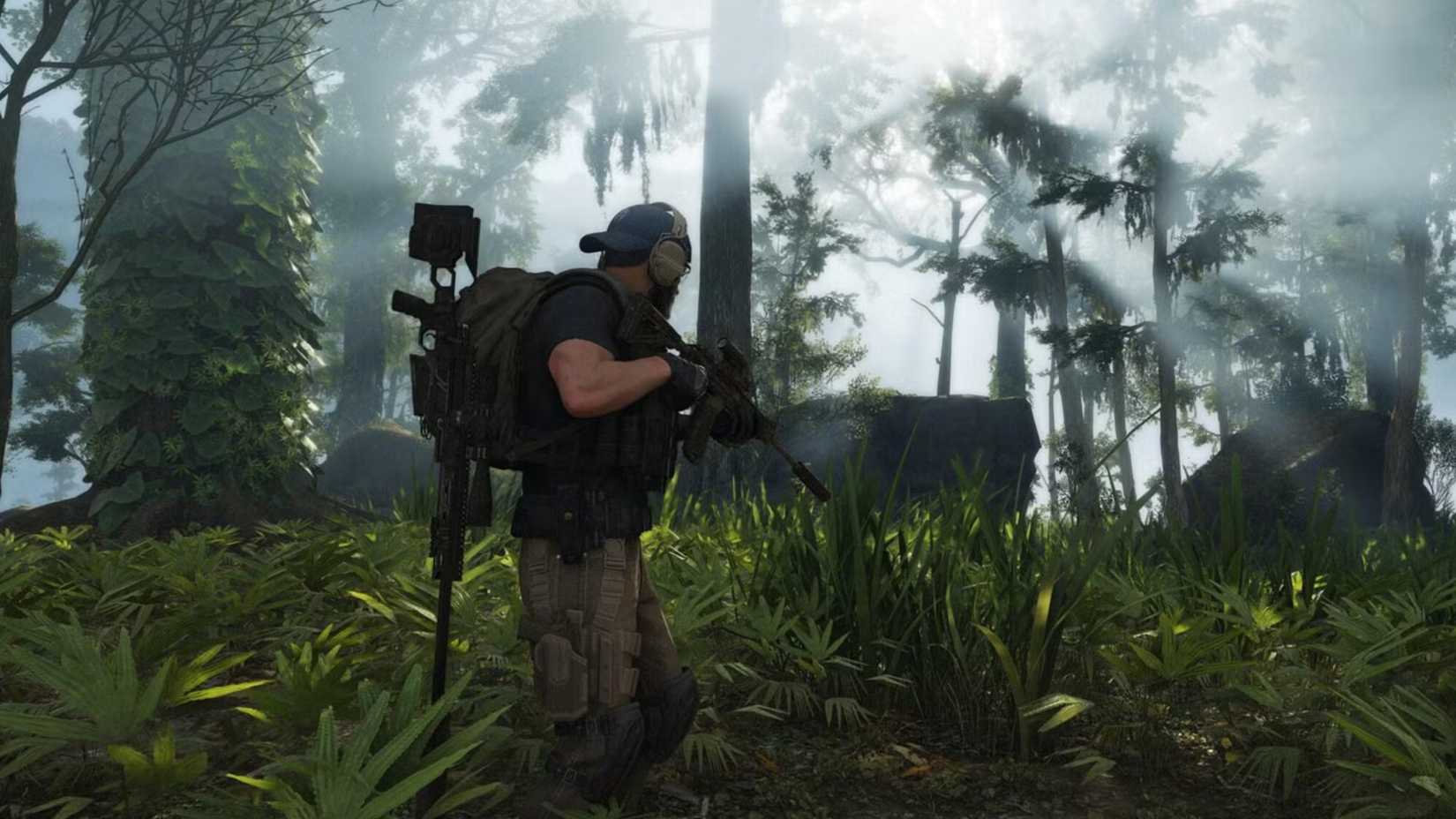
- May 2026: Financial reports confirm a "lighter release schedule," pushing major titles like Ghost Recon into the 2027 window. This news caused concern among investors and fans alike, raising questions about the company’s pipeline.
- June 2026: High-profile departures shake the internal structure, as key figures like Marc-Alexis Côté, Clint Hocking, and Benoit Richer exit the company, creating a leadership vacuum in the Assassin’s Creed division.
- July 2026: Christoph Hartmann, formerly of Amazon Game Studios and 2K Games, is officially named the leader of "Creative House 2," the division responsible for the company’s most valuable Tom Clancy-branded tactical assets.
Christoph Hartmann: A Veteran at the Helm
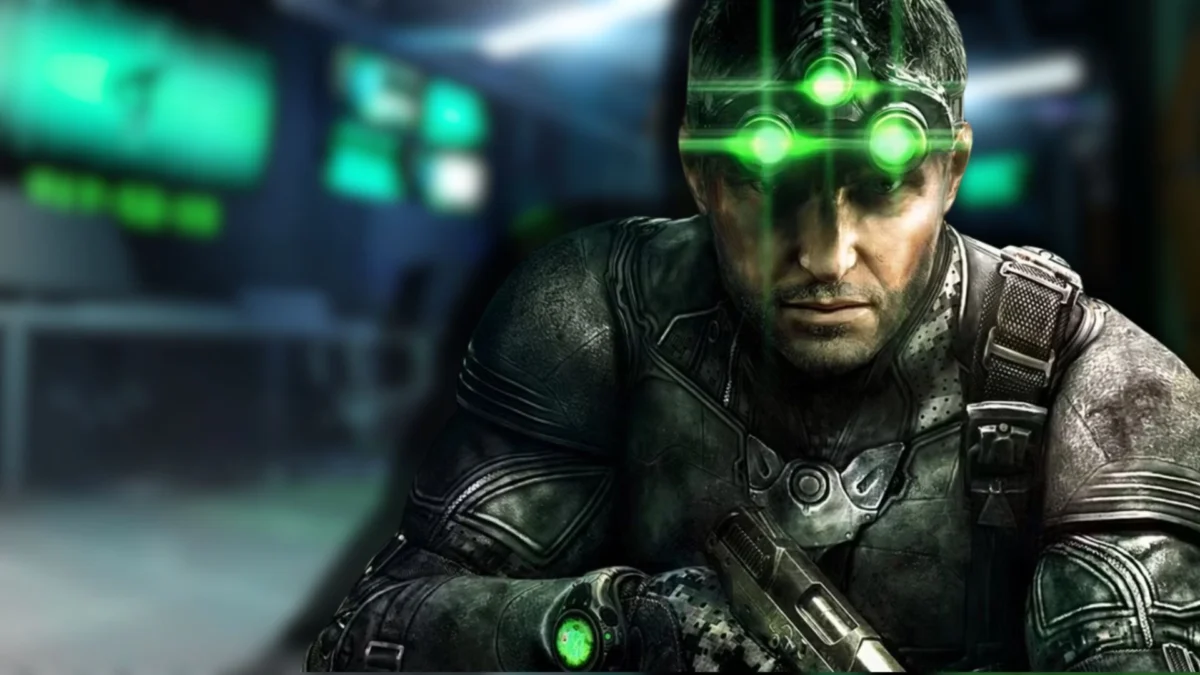
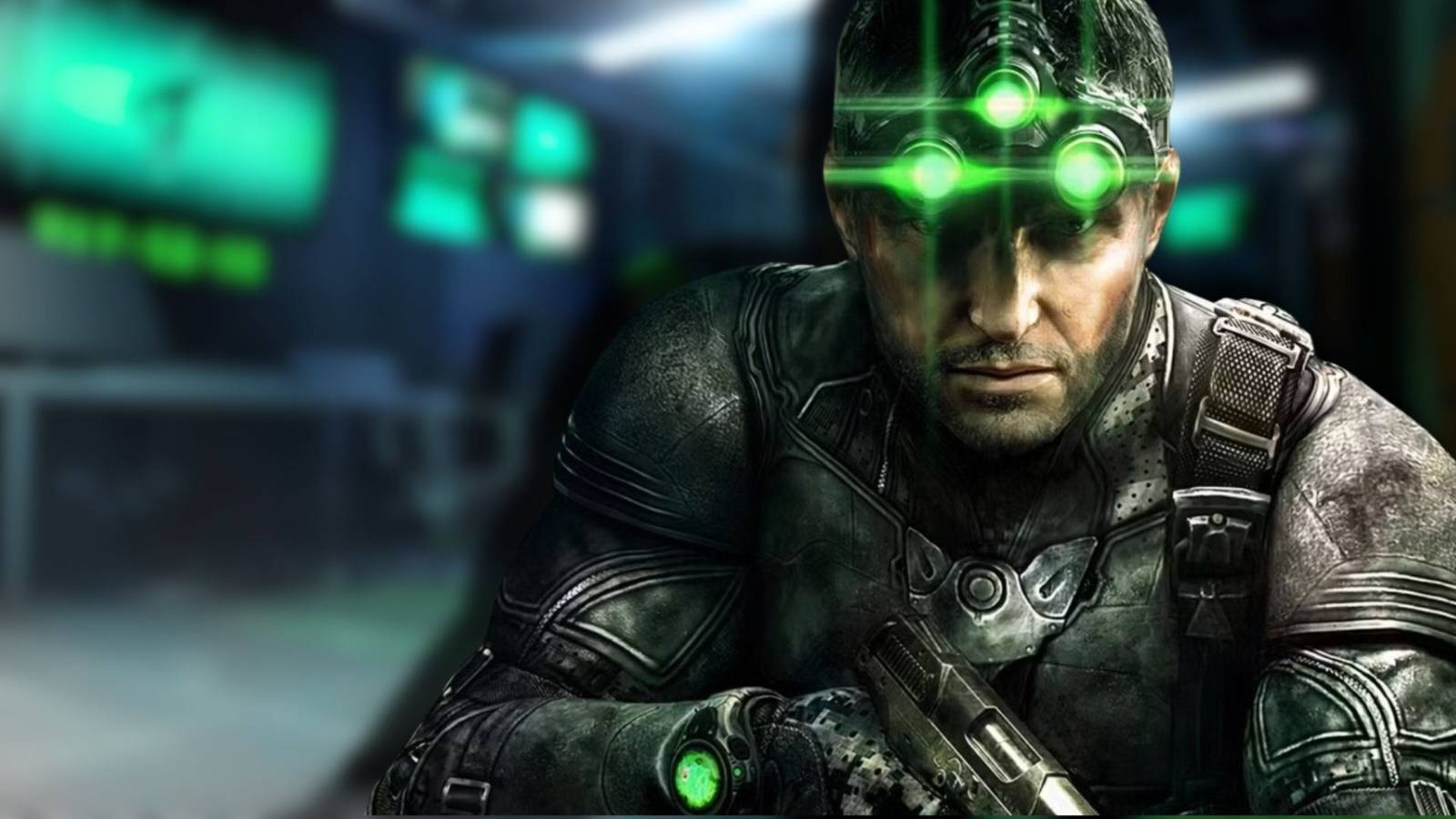
Perhaps the most significant development in this restructuring is the hiring of Christoph Hartmann to head Creative House 2. This division is arguably the crown jewel of the new Ubisoft, as it oversees the Ghost Recon, Splinter Cell, and The Division franchises.
Hartmann arrives with a pedigree that is difficult to ignore. Before his stint at Amazon Game Studios—which itself saw massive upheaval, including 14,000 layoffs and a pivot away from big-budget AAA development—he served as the president of Take-Two’s 2K Games label for 14 years. His tenure at 2K saw the birth and growth of juggernauts like Borderlands, BioShock, and NBA 2K.
In a recent LinkedIn post, Hartmann expressed a sense of optimism that feels starkly contrasted against the current headlines surrounding the company. "My goal is simple," he wrote. "Create an environment where talented teams can do their best work and continue building games that players love." He specifically highlighted his enthusiasm for the portfolio under his care, including the tactical multiplayer staples that define Ubisoft’s competitive legacy.

Official Responses and Strategic Vision
Ubisoft CEO Yves Guillemot has been a vocal supporter of the new creative house model. In recent communications, Guillemot emphasized that the appointment of Hartmann is a calculated move to ensure that the company’s legendary franchises are handled with the precision and long-term vision they require.
"His experience across development and publishing, as well as his management style, give him a rare understanding of what it takes to make great games," Guillemot stated. "I am confident Christoph will elevate our teams and brands to new heights and deepen their connection with the dedicated players who love these franchises."
For Ubisoft, the narrative has shifted from "growth at any cost" to "quality over quantity." By slowing down the release cycle, the company hopes to avoid the "live-service fatigue" that has plagued much of the industry, opting instead for a more focused approach to player engagement.
The Human and Cultural Cost
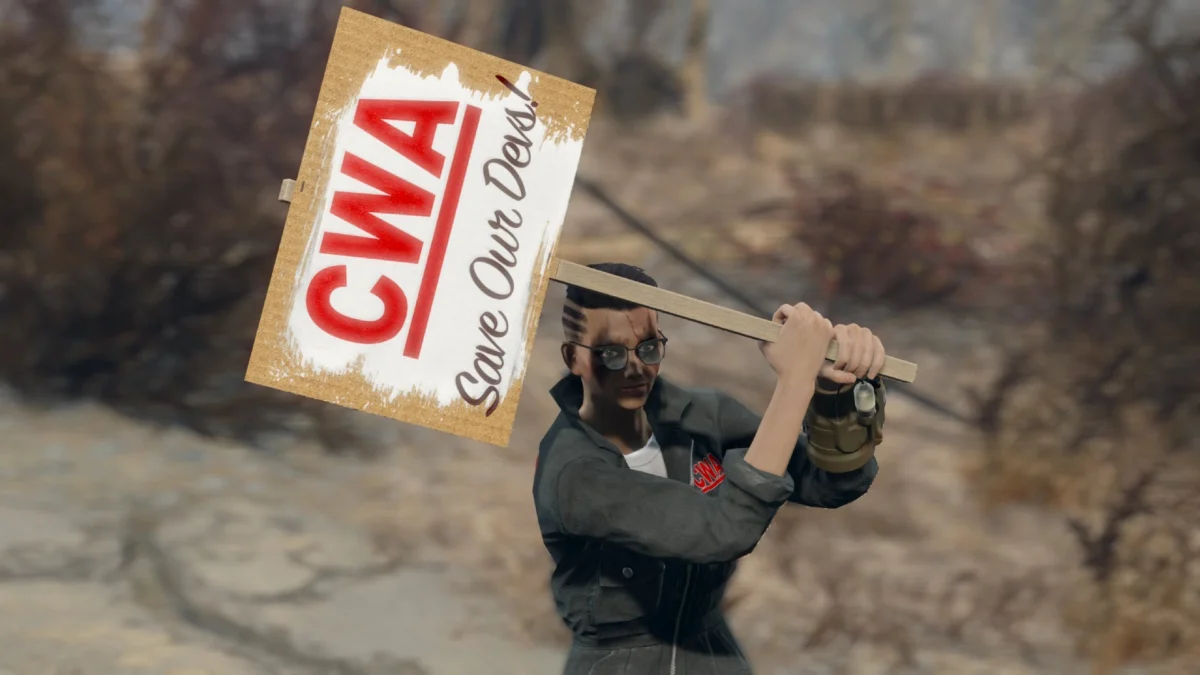
Despite the executive optimism, the reality on the ground remains complex. The closure of various studios—some of which were unionized—has left a mark on the company’s reputation. Furthermore, the exodus of veteran creative directors in the Assassin’s Creed department suggests that the internal culture is still in a state of flux.

When a company loses the architects of its most successful series, there is an inherent risk of losing the "creative DNA" that made those games special. For fans, the anxiety is palpable: can a "creative house" run by a corporate restructuring plan truly replicate the magic of the early Assassin’s Creed or Splinter Cell titles?
Hartmann’s answer, at least in theory, is to foster an environment of creative autonomy within the new structure. Whether he can successfully insulate his teams from the pressures of cost-cutting remains the defining question of his tenure.
Implications for the Future
The immediate future for Ubisoft will be defined by its ability to deliver on the upcoming, albeit thinned, release schedule. The launch of Assassin’s Creed: Black Flag Resynced on July 9, 2026, will be the first major stress test for the new operating model. This will be closely followed by Rayman Legends Retold on October 1st, 2026.
These releases are not merely games; they are indicators of whether the new Ubisoft can balance its back-catalog nostalgia with the modern demands of the gaming industry. If these titles launch in a polished state and resonate with the community, it may validate the "lighter schedule" strategy. If they falter, the pressure on Creative House 2 and the broader leadership team will intensify significantly.
Conclusion: A Delicate Balance
Ubisoft stands at a precipice. The financial investment from Tencent has provided a necessary lifeline, but money alone cannot solve the creative challenges facing the publisher. The industry is watching to see if the appointment of a seasoned executive like Hartmann can bridge the gap between corporate fiscal responsibility and the artistic integrity that fans demand.
The company’s path forward is one of extreme caution. By narrowing its focus, Ubisoft is betting that its strongest brands can carry the weight of the entire company. It is a high-risk strategy that leaves little room for error. As the gaming world looks toward 2027 and the long-awaited arrival of the next Ghost Recon, the industry will be monitoring every update.
Will Ubisoft reclaim its status as a premier developer, or will this restructuring be remembered as the beginning of the end for one of gaming’s most storied publishers? For now, the answer remains in the hands of the developers, the new leadership, and a player base that is waiting—with both hope and skepticism—to see what comes next.