

In the pantheon of cinema history, few actors have cast as long a shadow as Jack Nicholson. From the manic energy of The Shining to the sharp-tongued wit of As Good as It Gets, Nicholson has cultivated an image of the devilish rogue—the man with the arched eyebrow, the predatory grin, and the volatile charisma. Yet, when he retired from the screen following the 2010 romantic comedy How Do You Know, audiences were robbed of a mature, nuanced phase of his career that had only just begun to show its full potential.
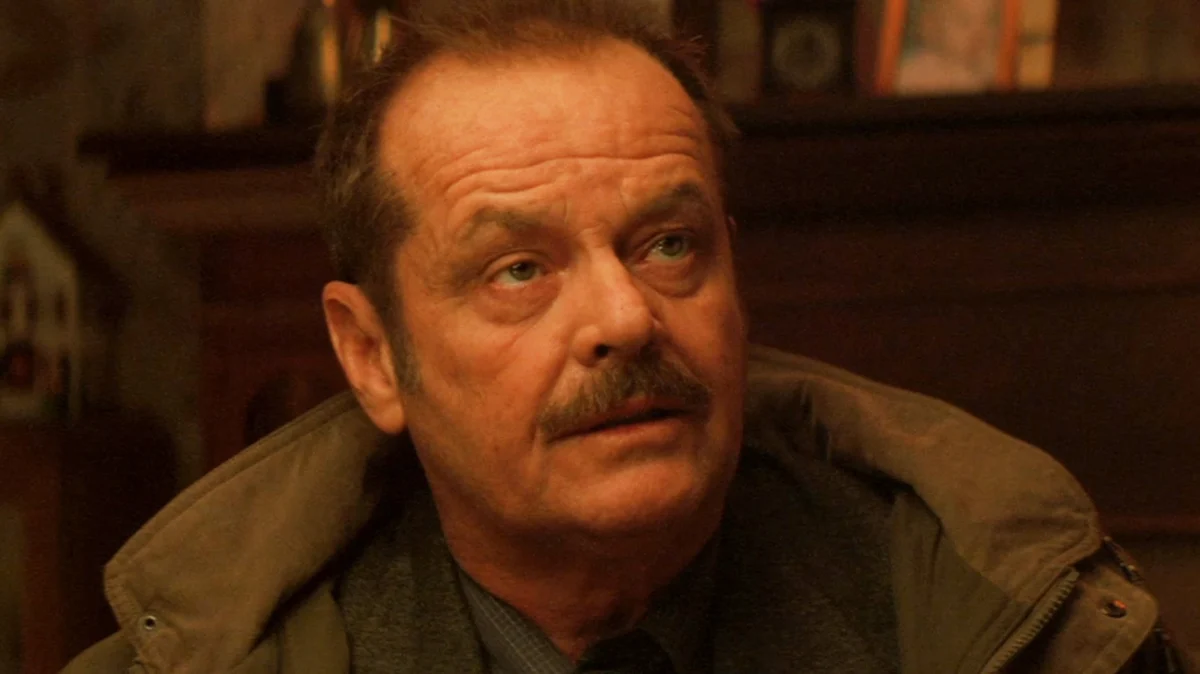
At the center of this "lost" potential is Sean Penn’s 2001 psychological crime thriller, The Pledge. While it barely registered at the box office, grossing a modest $29.4 million against a $37 million budget, it stands today as a haunting, transformative work. For those willing to look past the genre trappings of a standard police procedural, The Pledge offers something far rarer: the definitive, most restrained performance of Jack Nicholson’s storied career.
The Anatomy of an Overlooked Masterpiece
The premise of The Pledge appears deceptively simple. Jerry Black, a veteran detective in Reno, Nevada, is mere hours away from a well-earned retirement. During his final shift, he is called to the scene of a brutal crime: a young girl has been murdered in the frozen, desolate landscape of the Nevada wilderness. In a moment of impulsive, tragic empathy, Black makes a promise to the grieving mother that he will find the perpetrator.
What follows is not a standard "whodunnit." Directed by Sean Penn with an unflinching, almost clinical eye, the film evolves into an obsessive character study. When a intellectually challenged suspect, played with raw vulnerability by Benicio del Toro, is coerced into a confession by another officer (Aaron Eckhart), the case is officially closed. But Black, unmoored from the structure of his badge and the promise he made, cannot let go. His pursuit of the "real" killer descends into a haunting portrait of a man clinging to the final shreds of his identity.
A Chronology of Obsession
To understand why The Pledge is so significant, one must place it in the timeline of Nicholson’s filmography. In 1997, Nicholson had delivered a career-defining turn in James L. Brooks’ As Good as It Gets, playing Melvin Udall, an obsessive-compulsive misanthrope. It was a role that played to his strengths: the abrasive, high-energy, and deeply intelligent persona that audiences had come to expect.
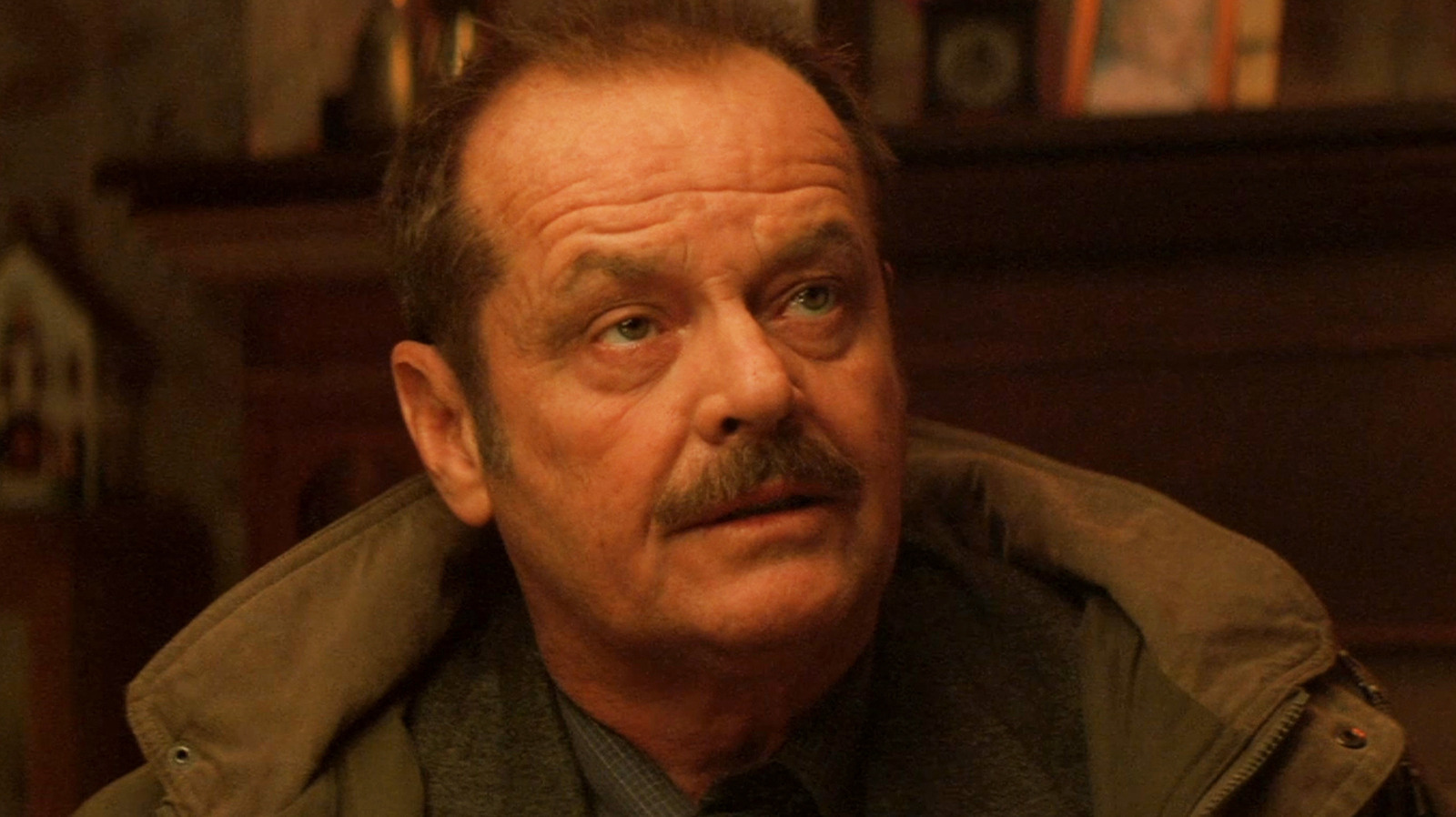
Four years later, The Pledge arrived as a complete antithesis to that persona. By 2001, Nicholson was in his mid-60s, and he shed the "Jack" trademark—the theatrics and the sardonic remove—to inhabit a character who was truly, profoundly lonely.
The Arc of the Investigation:
- The Catalyst: The murder of Ginny Larsen and the subsequent "pledge" made by Jerry Black.
- The False Resolution: The arrest and death of Toby Jay Wadenah (del Toro), which forces Black into a state of cognitive dissonance.
- The Descent: Black’s move to a remote gas station/outpost, where he begins to use a young girl as bait to catch the killer he believes is still at large.
- The Conclusion: A final act that defies genre conventions, opting for a bleak, devastating reality that leaves the audience questioning the morality of the protagonist.
The Aesthetic of the Uncanny
One of the reasons The Pledge feels so jarring to modern audiences is its refusal to conform to the polished rhythms of a typical thriller. Director Sean Penn leans into the "uncanny," utilizing stylistic choices that feel intentionally off-kilter.
In the opening sequences, the discovery of the body is punctuated by aggressive, almost parodic crash-zooms. The musical score, composed by Hans Zimmer and Klaus Badelt, frequently swells in ways that seem mismatched with the visual tone, creating a sense of unease. Initially, these choices may strike a viewer as errors in judgment, but upon deeper reflection, they serve a higher purpose. They mirror the fracturing of Jerry Black’s psyche. As Black becomes more isolated, the world around him begins to feel less like a procedural drama and more like a fever dream.
Critical Acclaim and the "Ebert Factor"
Among the few who recognized the film’s brilliance at the time of its release was the late, great Roger Ebert. In his review, Ebert famously declared that The Pledge featured the "finest performance" of Nicholson’s career.
"Here are none of the familiar signals of his more popular performances," Ebert wrote. "None of the relish of characterization, none of the sardonic remove. We see a lonely man, aging, whose attempts to go through the motions of retirement fail."
Ebert was not alone in his admiration. Critics from Sight & Sound and The Boston Globe praised the film as an "elegant rejoinder to a tired genre" and an "exhilarating" challenge. Despite this critical validation, the film suffered from its marketing as a mainstream thriller, leaving audiences confused when they arrived looking for action and received instead a meditation on grief, aging, and the dangers of obsession.
Supporting Data: The Case for Re-evaluation
If we analyze the film’s performance through a modern lens, we see it was a victim of timing. In the early 2000s, the market was saturated with high-octane police procedurals. The Pledge was, in many ways, an arthouse film disguised as a studio production.
- Budget: $37 million
- Box Office: $29.4 million
- Critical Consensus: 78% on Rotten Tomatoes, with particular praise for the supporting cast.
- The "Cameo" Power: The film features a legendary, five-minute appearance by Mickey Rourke that is often cited as a masterclass in screen presence, further proving the film’s status as an actor’s playground.
Implications for Nicholson’s Legacy
The shift that followed The Pledge—a pivot toward lighter, comedic fare like Anger Management and Something’s Gotta Give—suggests that Nicholson was aware of the toll that such a heavy, internal role took on him. These later comedies were undeniably charming, but they represented a "safe" path.
The tragedy of The Pledge is that it remains a singular destination in his career. It stands as the peak of his dramatic restraint. When we look back at the breadth of his work, we often reach for the loud, iconic moments: the axe-wielding in The Shining, the courtroom defiance in A Few Good Men, or the cynical wit of Chinatown. But it is in the quiet, desperate eyes of Jerry Black that we find the most human version of the actor.
Why It Still Holds Up Today
More than two decades after its release, The Pledge does not feel dated because it never attempted to be "current." Its themes—the search for purpose in the face of retirement, the terrifying weight of a promise, and the thin line between justice and obsession—are timeless.
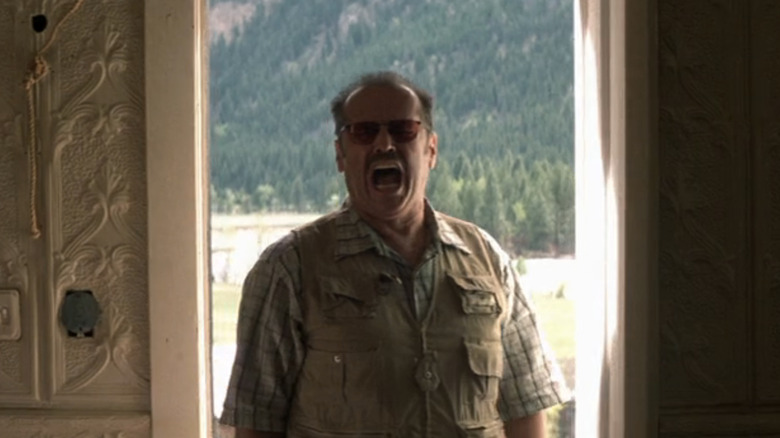
In an era where streaming services allow us to curate our own cinematic history, The Pledge is a vital re-discovery. It is a film that demands patience and rewards the viewer with a haunting, indelible conclusion that stays with you long after the credits roll. It serves as a reminder that the greatest performances aren’t always the loudest; sometimes, they are the ones that whisper the loudest truths about the human condition.
As we continue to mourn the absence of Jack Nicholson from the silver screen, The Pledge remains the ultimate testament to his genius—a reminder that when he chose to stop playing "Jack" and start playing the character, he was, and remains, the finest actor of his generation.











No comments yet. Be the first to join the conversation!