

The landscape of interactive entertainment is currently defined by a duality of rapid technological transition and profound creative reflection. From the corridors of Square Enix to the boardroom of Sony Interactive Entertainment, major industry players are currently grappling with the challenges of sustaining long-term projects, balancing physical versus digital legacies, and maintaining artistic integrity in an increasingly volatile market.
As we look back on the week’s most significant developments—spanning over 400 reports across the industry—five core narratives stand out. These stories represent a microcosm of the current state of gaming: the constant evolution of live-service giants, the triumph of long-term community support, the controversial sunsetting of physical media, the impact of corporate restructuring on independent creative ventures, and the defiant spirit of developers prioritizing vision over mass-market trends.
1. Final Fantasy XIV: Lessons from Dawntrail and the Path to "Evercold"
The Context of Iteration
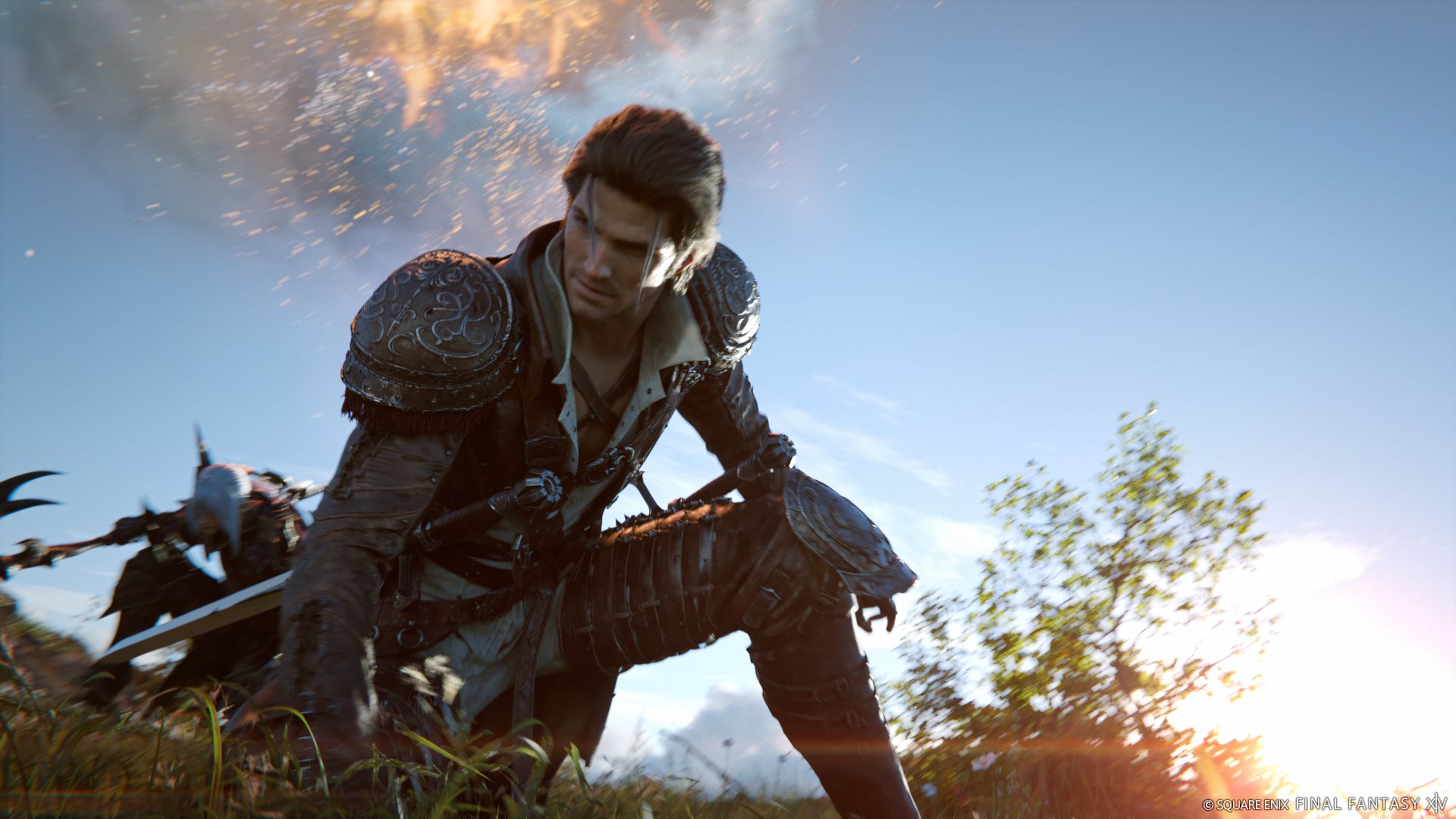
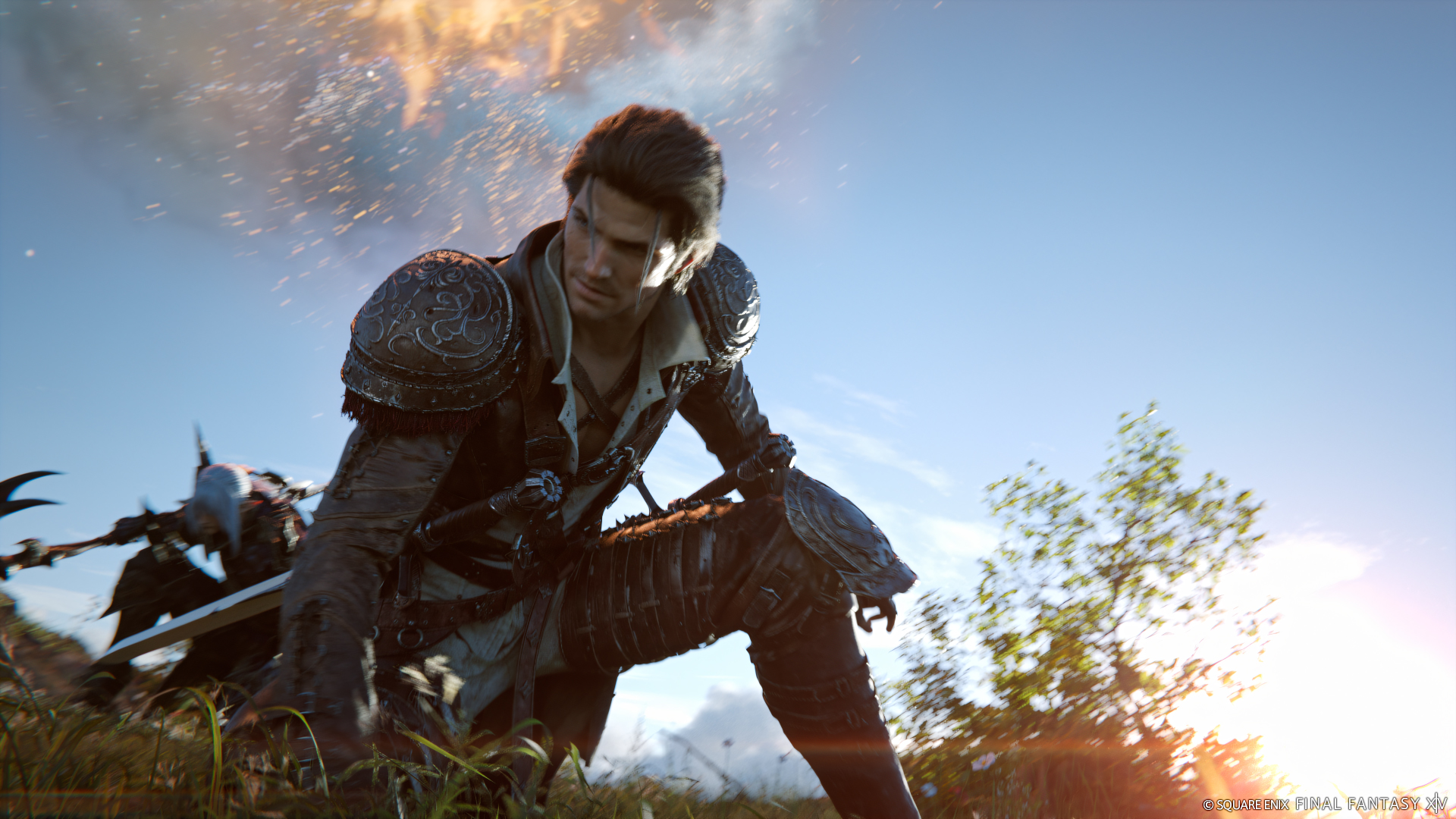
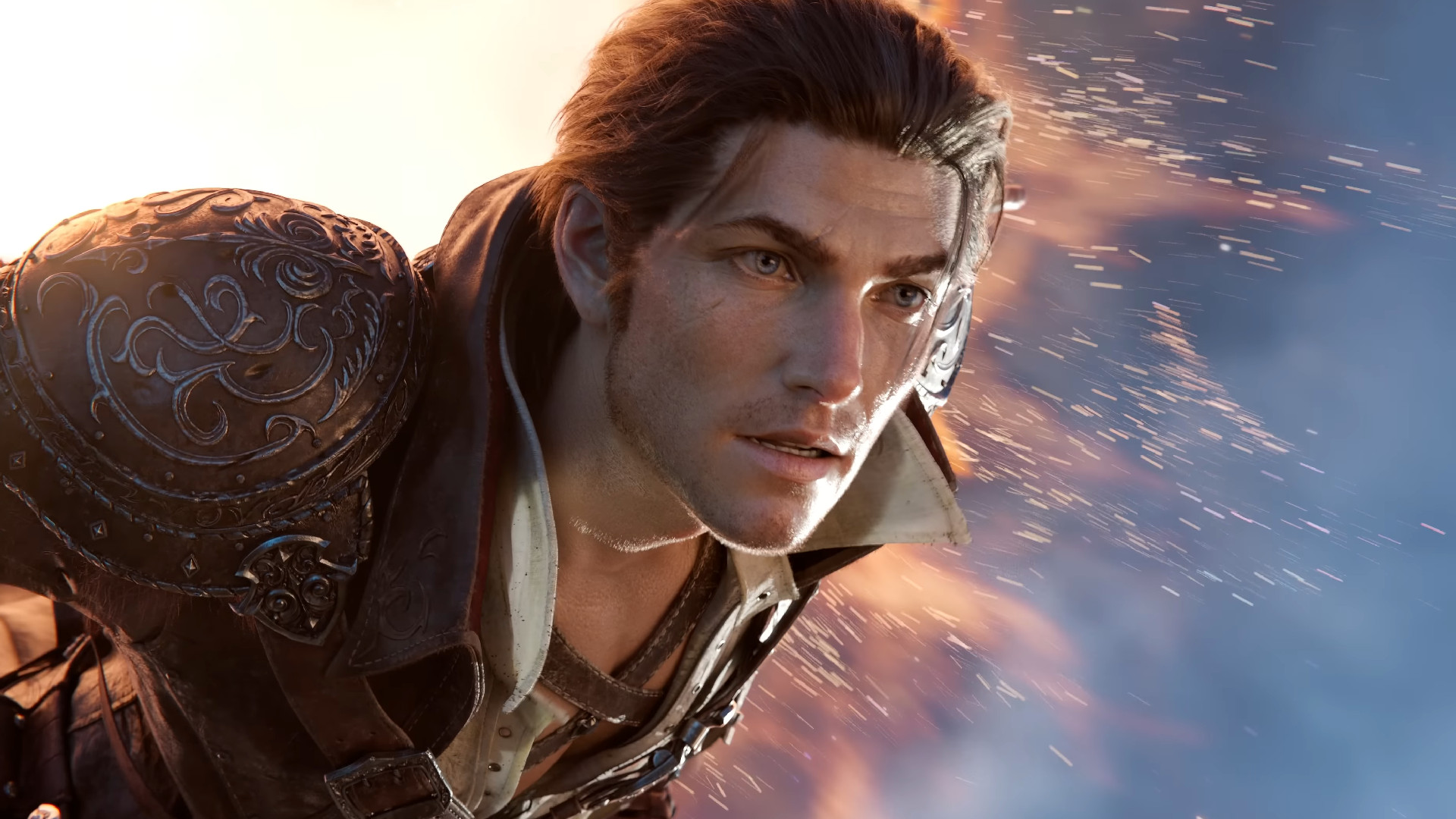
Final Fantasy XIV remains a titan of the MMORPG genre, yet its longevity is inextricably linked to the studio’s willingness to self-critique. As Square Enix looks toward the future with the upcoming Evercold expansion, the development team has adopted a strategy of transparency regarding the "missteps" identified during the Dawntrail raid cycle.
Official Response and Strategy
Assistant Director Tsuyoshi Yokozawa has been vocal about the necessity of evolving the game’s battle content. In a recent dialogue, Yokozawa emphasized that the feedback received from the eight-player raid series in Dawntrail is not being viewed as a failure, but as a "firm guideline" for future development. By dissecting player engagement data and mechanical reception, the team is establishing a roadmap that prioritizes clarity and mechanical depth.
Implications for the Future
The Evercold era promises to refine the combat encounters that have defined the game’s late-game experience for years. For the player base, this suggests a more polished, responsive, and balanced endgame environment. Square Enix’s ability to pivot based on community sentiment remains a cornerstone of the title’s success, proving that even a decade-old MMO can still find new life through iterative design.
2. Cyberpunk 2077: A Monumental Turnaround and Brand Unification
A Milestone of Resilience
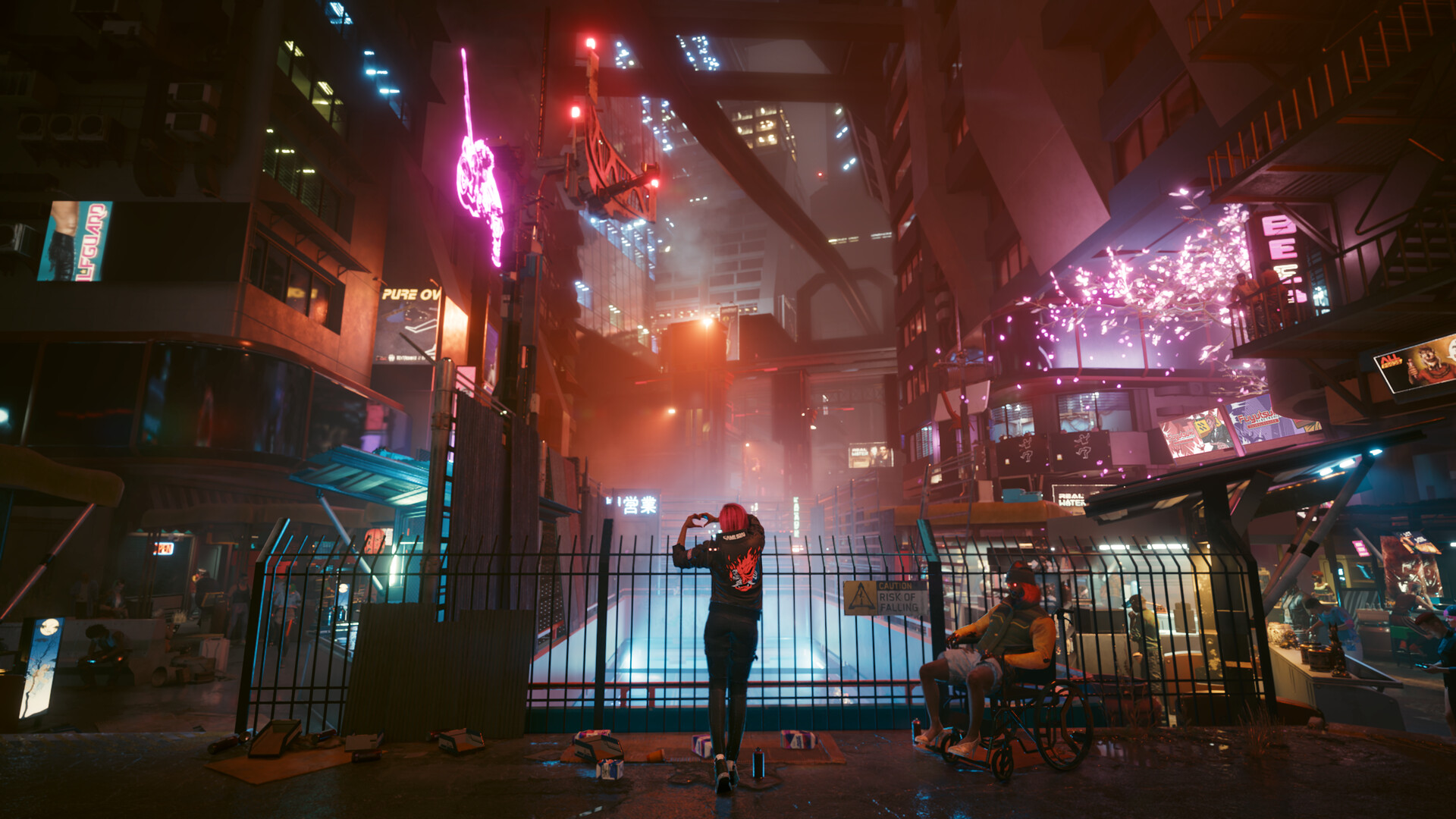
There are few redemption arcs in modern gaming as significant as that of Cyberpunk 2077. Initially marred by technical instability at its 2020 launch, the title has now officially surpassed 40 million units sold. This achievement serves as a testament to CD Projekt Red’s commitment to post-launch support and the enduring appeal of the Night City setting.
Chronology of a Comeback
The journey from the disastrous launch window to the current status of the franchise—which now includes a sequel in development—has been a masterclass in reputation management. By pivoting away from the "hostile" environment of its early days through extensive patches and the critically acclaimed Phantom Liberty expansion, the studio has successfully regained the trust of its core demographic.
Corporate Rebranding
Concurrent with this sales milestone, the company has announced a significant structural shift: the consolidation of "CD Projekt" and "CD Projekt Red" under a single, unified banner. This move, while seemingly administrative, signals a shift toward a more streamlined brand identity as the studio simultaneously manages The Witcher 4, a new IP, and the Cyberpunk sequel.
3. The Digital Sunset: PlayStation and the Future of Media Ownership
The Shift Toward Digital-Only
The industry’s transition toward a purely digital ecosystem has long been debated, but Sony Interactive Entertainment has now solidified the timeline for the end of an era. The confirmation that physical game disc production for new PlayStation releases will be discontinued starting in January 2028 marks a definitive cultural shift.
Supporting Data: The End of Storefronts
The announcement of this 2028 cutoff coincided with the final closure of legacy storefronts for the PlayStation 3 and PS Vita. This convergence of events highlights the inherent fragility of digital-only ownership. When developers or publishers shutter servers or remove titles, the consumer is left with few options to preserve their library, sparking a heated debate regarding digital rights management (DRM) and game preservation.
Implications for Collectors
For the physical media market, this is a clarion call. Rockstar Games’ decision to ship "code-in-a-box" physical editions for GTA 6 was a precursor to this broader shift. As physical media transitions from a functional necessity to a novelty item for collectors, the responsibility for game preservation is increasingly falling upon the shoulders of the community rather than the platforms themselves.
4. Project Fantasy: When Corporate Restructuring Stalls Vision
The Impact of Xbox’s Strategic Pivot
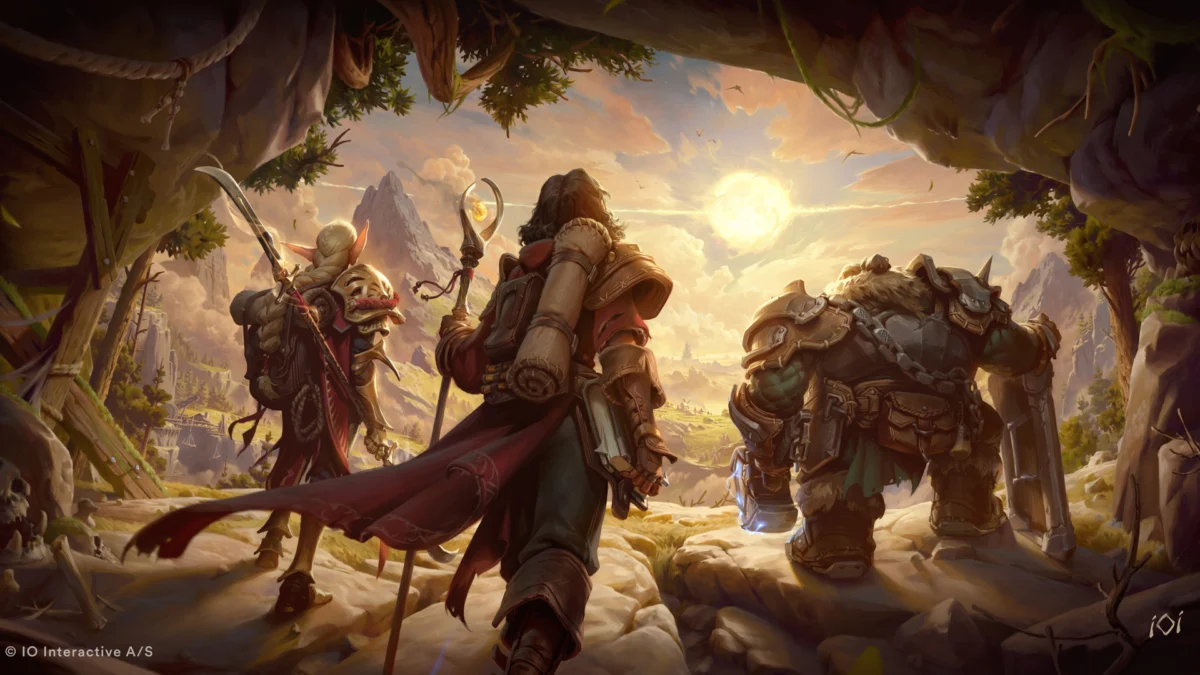
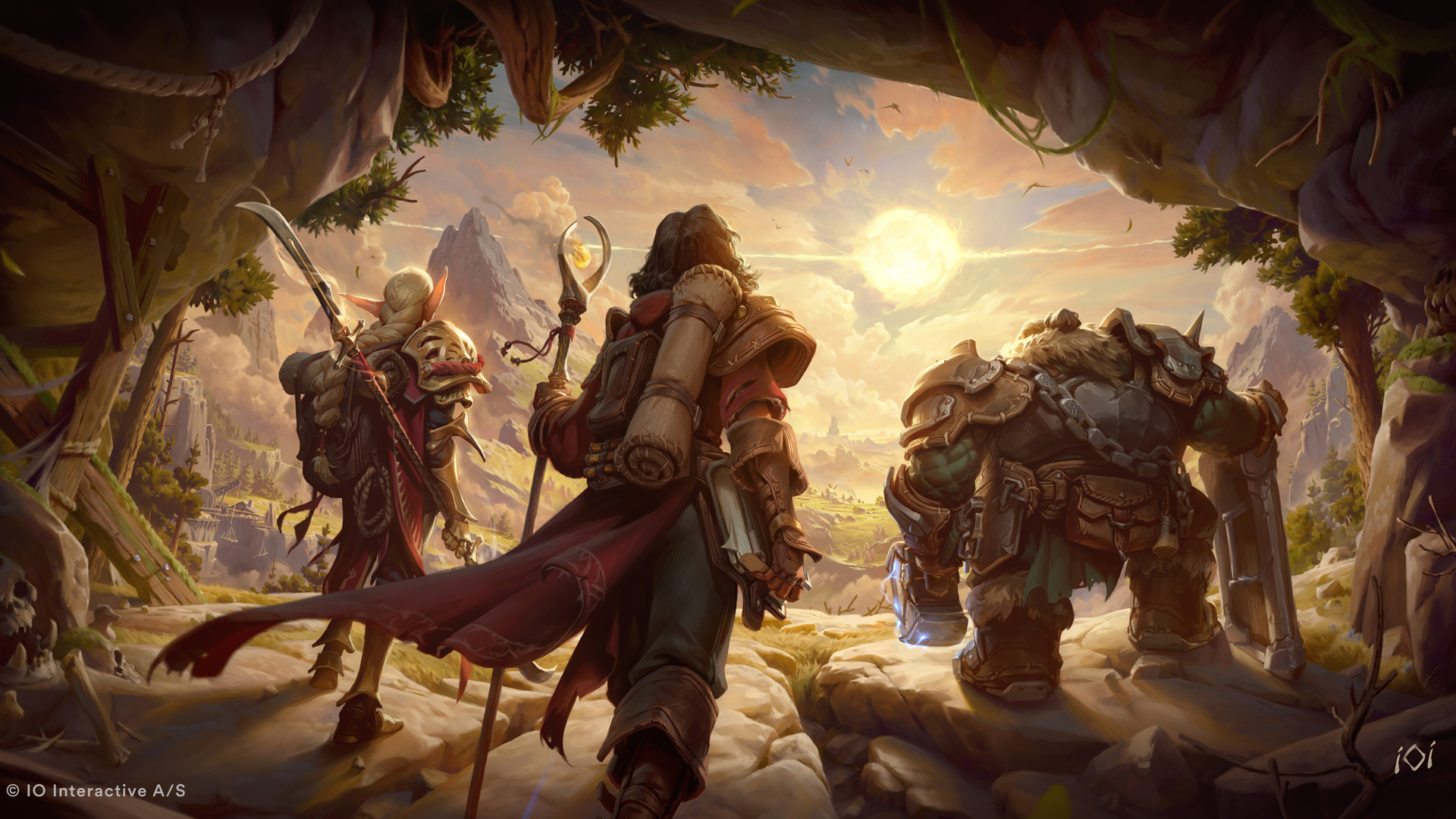
IO Interactive, the studio celebrated for the Hitman series and the recent 007: First Light, is currently facing a hurdle regarding its highly anticipated online fantasy RPG, Project Fantasy. While CEO Hakan Abrak had previously teased an imminent reveal, the project has been caught in the wake of widespread Microsoft and Xbox restructurings.
The Financial Reality
The development of a new IP of this scale requires immense capital, and the withdrawal of planned funding by Xbox has left Project Fantasy in a state of suspended animation. This scenario underscores the precarious nature of independent studios operating under the umbrella of massive, fluctuating corporate entities.
Looking Ahead
The uncertainty surrounding the game serves as a cautionary tale for the industry. Even established studios with a history of critical success are not immune to the fiscal tightening of parent companies. The future of the project remains fluid, and the gaming community waits to see if the studio can secure alternative funding or if the ambitious project will need to be significantly scaled back.
5. Sandfall Interactive: Defying the "Safe" Path
Creative Integrity vs. Commercial Success
Following the breakout success of Clair Obscur: Expedition 33, many studios would be tempted to iterate on the formula to ensure a "guaranteed hit." However, Sandfall Interactive is taking a distinctly different approach. Game Director Guillaume Broche has stated publicly that he "doesn’t really care" if the studio’s next title reaches the same level of popularity as their current hit.

The Philosophy of Creation
This sentiment reflects a growing movement among developers who prioritize artistic exploration over the pressure to replicate past successes. Expedition 33 proved that there is a hunger for high-quality, turn-based RPGs, but Sandfall’s refusal to "play it safe" suggests that their future portfolio will be driven by experimentation rather than market metrics.
The Challenges of Success
The "creative struggle" for Sandfall will be balancing the expectations of a newly formed fanbase with the internal desire to innovate. By detaching their self-worth from commercial performance, the team is positioning itself to take risks that larger, more conservative developers often avoid. This commitment to the creative process is essential for the long-term health of the medium, ensuring that gaming continues to evolve as an art form rather than a predictable commodity.
Conclusion: The State of the Industry
As we evaluate these developments, a clear picture emerges. The industry is currently caught between its past—defined by physical discs and traditional development cycles—and a future that is increasingly digital, volatile, and dependent on the long-term support of live-service models.
Whether it is Square Enix learning from its raids, CD Projekt Red cementing its legacy, or Sandfall Interactive choosing artistic risk, the common thread is the need for adaptability. For players, this means the landscape of their favorite hobbies is changing, but it also suggests that the best developers are those who remain humble enough to learn from their mistakes and bold enough to prioritize their vision over the status quo.










