

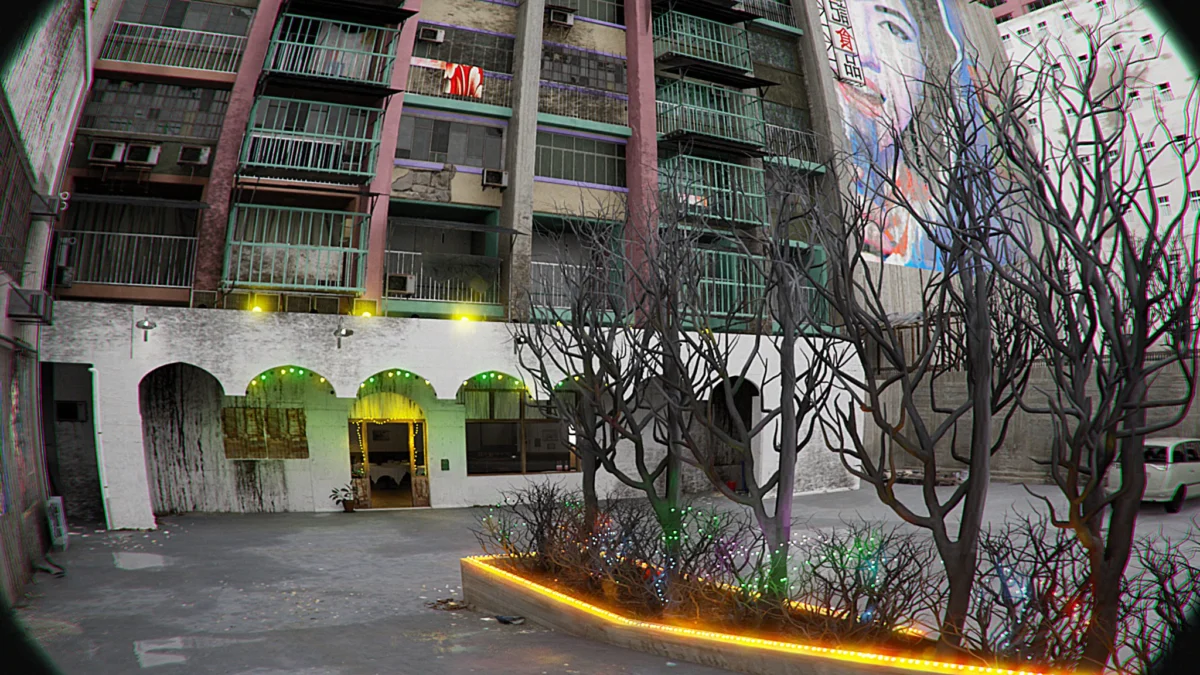
In the ever-evolving landscape of First-Person Shooters (FPS), developers are perpetually chasing the "holy grail" of immersion. For decades, this meant higher polygon counts, more realistic physics, and advanced lighting engines. However, the current frontier of the genre has shifted from traditional graphical fidelity toward a more visceral, uncomfortable realism: the bodycam aesthetic. The release of Better Than Dead into Steam Early Access has brought this subgenre back to the forefront of gaming discourse, forcing players and critics alike to grapple with the fine line between digital spectacle and the grim reality of violence.
The Genesis of a Digital Phenomenon
The bodycam trend did not emerge in a vacuum. It gained significant cultural traction following the viral marketing campaign for Unrecord, a project that became so hyper-realistic that its developers were forced to release behind-the-scenes "noclip" footage to prove to a skeptical public that the game was running in real-time and not composed of pre-rendered, real-world video.
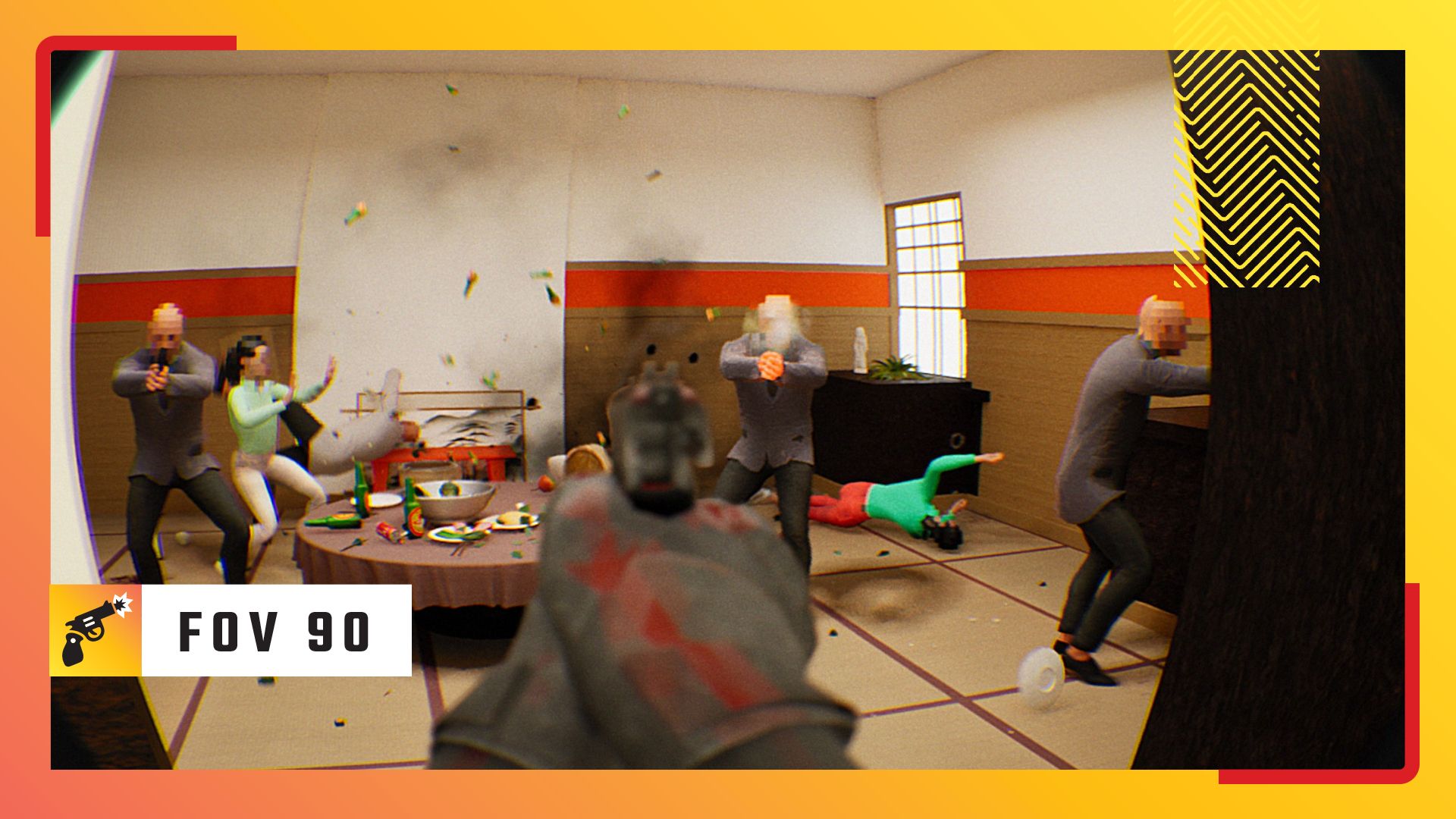
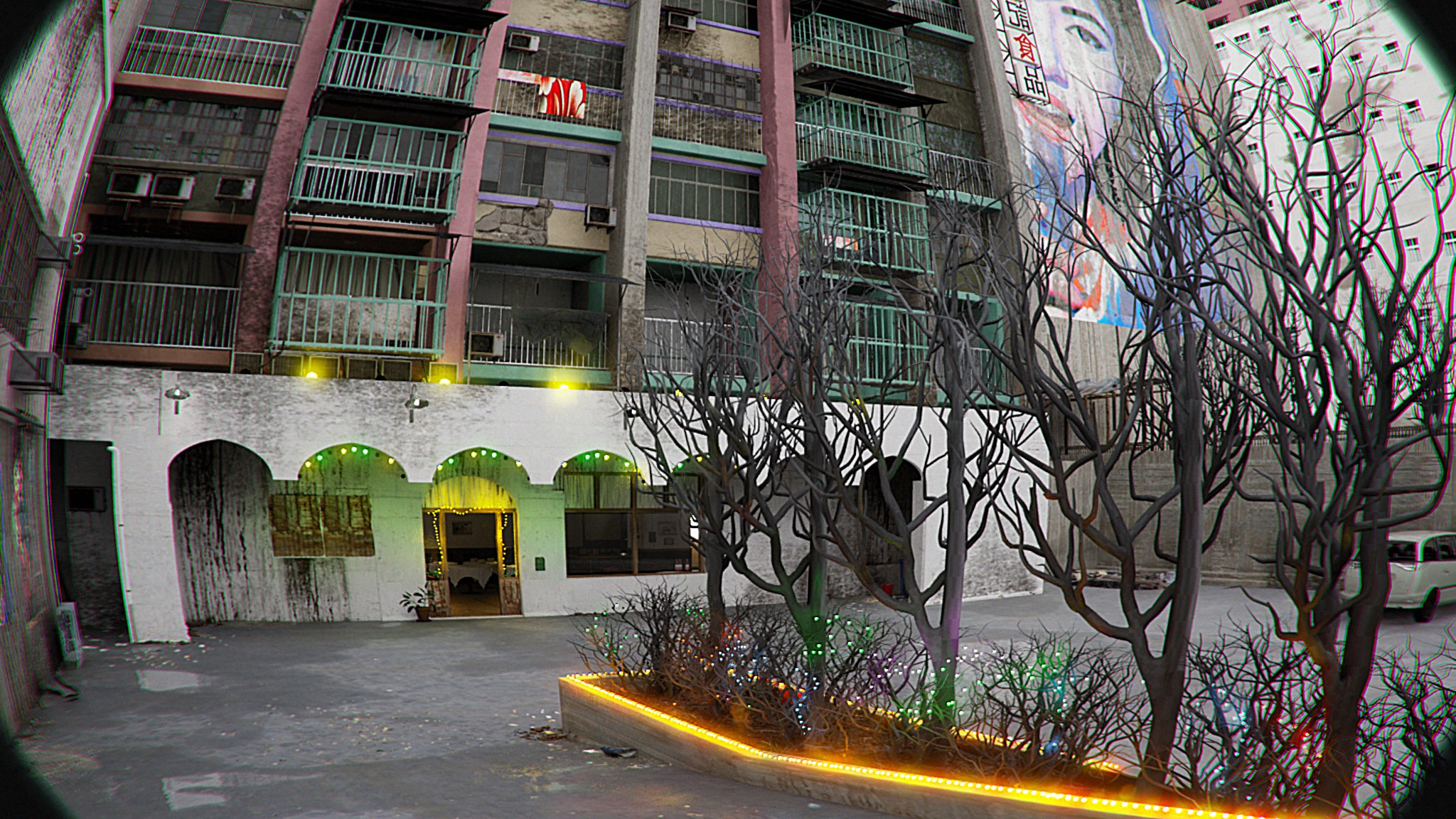
Unrecord established the visual vernacular that defines the genre: the fisheye lens distortion, the shaky, handheld camera movement, the blown-out dynamic range, and the distinct video noise associated with law enforcement equipment. Better Than Dead serves as the latest iteration of this trend, arriving as a 14-level singleplayer experience that leans heavily into the "found footage" aesthetic. While titles like Bodycam have focused on the multiplayer competitive space, Better Than Dead attempts to weave a narrative through the lens of an amateur combatant, thrusting the player into restaurants, claustrophobic apartment complexes, and illicit gambling dens.
A Chronology of the Bodycam Aesthetic
To understand the current state of the industry, one must look at the timeline of this niche subgenre’s rise:
- Pre-2023: The "milsim" (military simulation) genre, including titles like Arma and Squad, laid the groundwork by prioritizing ballistics and tactical realism.
- Early 2023: The announcement of Unrecord breaks the internet. The trailer’s uncanny similarity to police bodycam footage sparks massive ethical debates regarding the glorification of violence.
- Mid-2024: The multiplayer-focused Bodycam releases, demonstrating that the visual style has significant commercial appeal despite its controversial nature.
- Present Day: Better Than Dead enters Steam Early Access. It transitions the subgenre toward a narrative-driven format, highlighting the gameplay-related friction that occurs when developers prioritize visual fidelity over traditional player agency.
The Illusion of Realism vs. The Reality of Gameplay
The primary appeal of Better Than Dead is undoubtedly its technical achievement. When navigating outdoor environments or dimly lit corridors, the game periodically tricks the brain into believing it is witnessing a genuine recording. However, as one delves deeper into the gameplay loop, the limitations of this design philosophy become apparent.
The game implements extreme weapon sway and imprecise aiming mechanics, ostensibly to simulate the anxiety and lack of training of its protagonist. While this is a creative choice intended to bolster immersion, it frequently translates into a frustrating experience. Players are often left "spraying and praying," unable to accurately place shots even as their character racks up a massive body count.
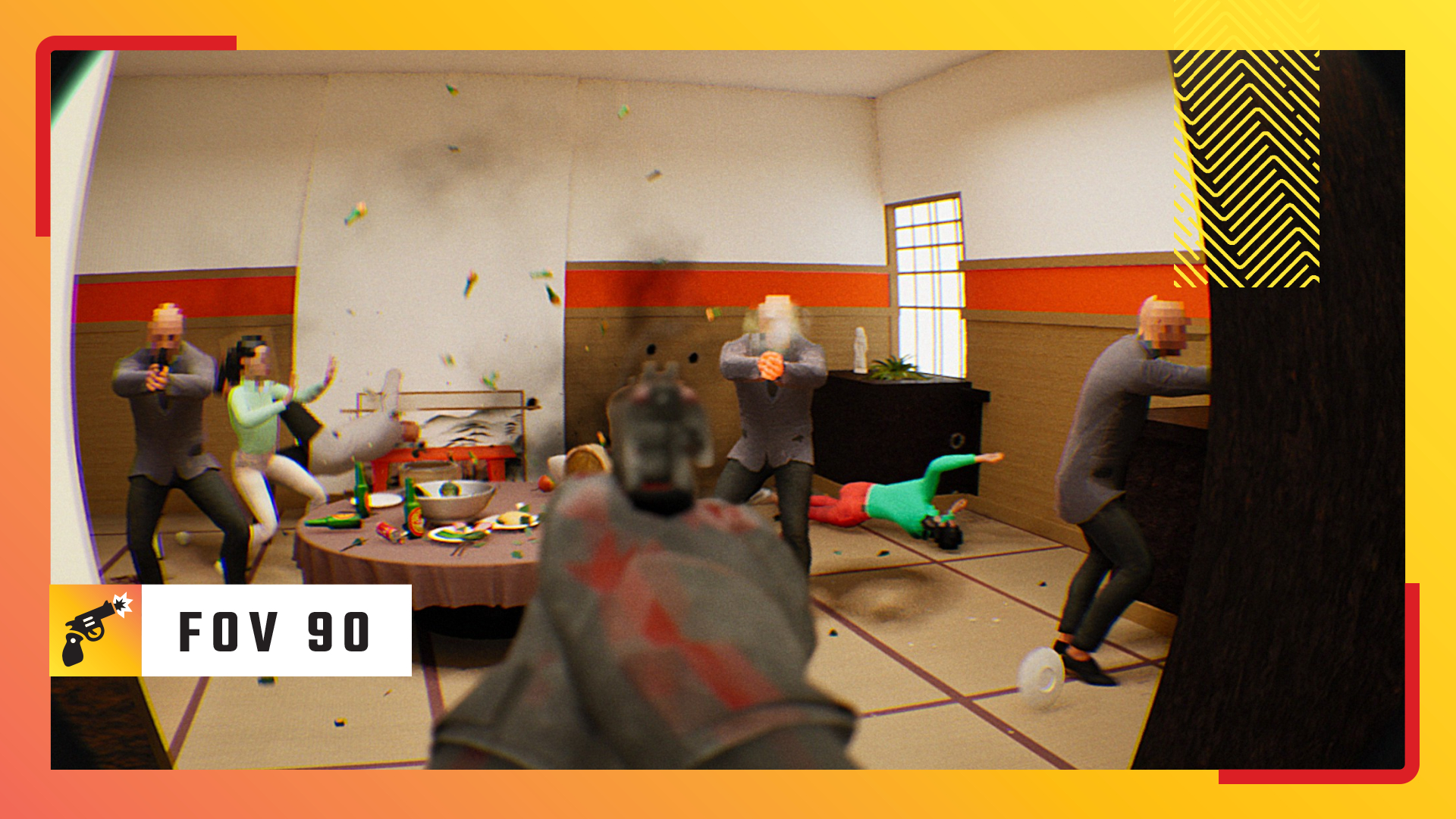
This creates a ludonarrative dissonance: the game demands the precision of a high-octane action hero, but enforces the clumsy, erratic movement of a civilian. The inclusion of a "bullet time" mechanic—triggered via sliding—feels tonally inconsistent with the gritty, grounded atmosphere the game otherwise works so hard to maintain. Survival often feels less like a display of skill and more like a stroke of statistical luck, leaving the player feeling like a spectator to their own survival rather than an active participant in a tactical encounter.
Supporting Data and Industry Context
The popularity of these titles suggests a paradox in the gaming market. Despite the frustration often cited by players regarding movement and aiming, the "shock and awe" factor of bodycam shooters acts as a powerful draw. Data from Steam’s "New and Trending" lists consistently shows high engagement for games that promise a departure from the "arcade-like" feel of mainstream shooters like Call of Duty or Halo.
However, this realism comes at a cost. In Better Than Dead, as in Ready or Not, the presence of bystanders and the chaotic nature of the environments create a pressure-cooker atmosphere. Unlike traditional shooters that reward "clean" play, these games often lack the moral feedback loops that help ground the violence. When a player accidentally harms an innocent bystander, the game rarely forces a meaningful pause or reflection, potentially desensitizing the player to the very carnage the visual style seeks to highlight.

The Ethical Implications: A Moral Conflict
The most profound impact of the bodycam shooter is not technical, but philosophical. For many players, gaming has traditionally served as a safe sandbox—a way to engage with the mechanics of firearms and tactical movement without the weight of real-world consequences. We wear the proverbial shirt that says, "I don’t actually want to do this in real life."
Bodycam games challenge that shield. By emulating the aesthetic of live-leak-style combat footage, these games force a collision between the player’s enjoyment of mechanical design and their awareness of the horrors such imagery represents in the real world.
There is an inherent unease that arises when the line between "game" and "real-life tragedy" is blurred. Critics argue that by gamifying the look of real-world violence, developers are trivializing the suffering of victims. Conversely, proponents argue that this is merely a new evolution of visual fidelity, akin to how cinema evolved from stage plays to gritty, realistic war dramas.
Conclusion: The Future of the Bodycam Subgenre
Better Than Dead may not be a perfect game, but it is an essential one for the conversation it forces us to have. It represents a pivot point for the FPS genre. We are witnessing a divergence: on one hand, games that move toward hyper-fantastical, high-mobility shooters; on the other, a growing segment of titles that use the medium of gaming to hold up a mirror to the most terrifying aspects of our reality.
The question for the industry remains: is the "shock value" of these games sustainable? As the novelty of the bodycam effect wears off, developers will need to offer more than just a realistic lens to look through. They will need to provide compelling, fair, and meaningful gameplay that justifies the intensity of the experience.
For now, the rise of the bodycam shooter leaves us with a lingering, uncomfortable realization: the real world offers up enough of this horror to fill our screens daily. Perhaps the reason the fantasy of witnessing it firsthand feels so unfulfilling is because we intuitively know that in a world already saturated with images of conflict, a game that strives to be "just like real life" is, in the end, simply reminding us of what we are trying to escape. As the genre continues to mature, it will be up to both the developers and the players to decide if this path is one worth following, or if the "realism" we crave is a step too close to a reality we’d rather not inhabit.











No comments yet. Be the first to join the conversation!