


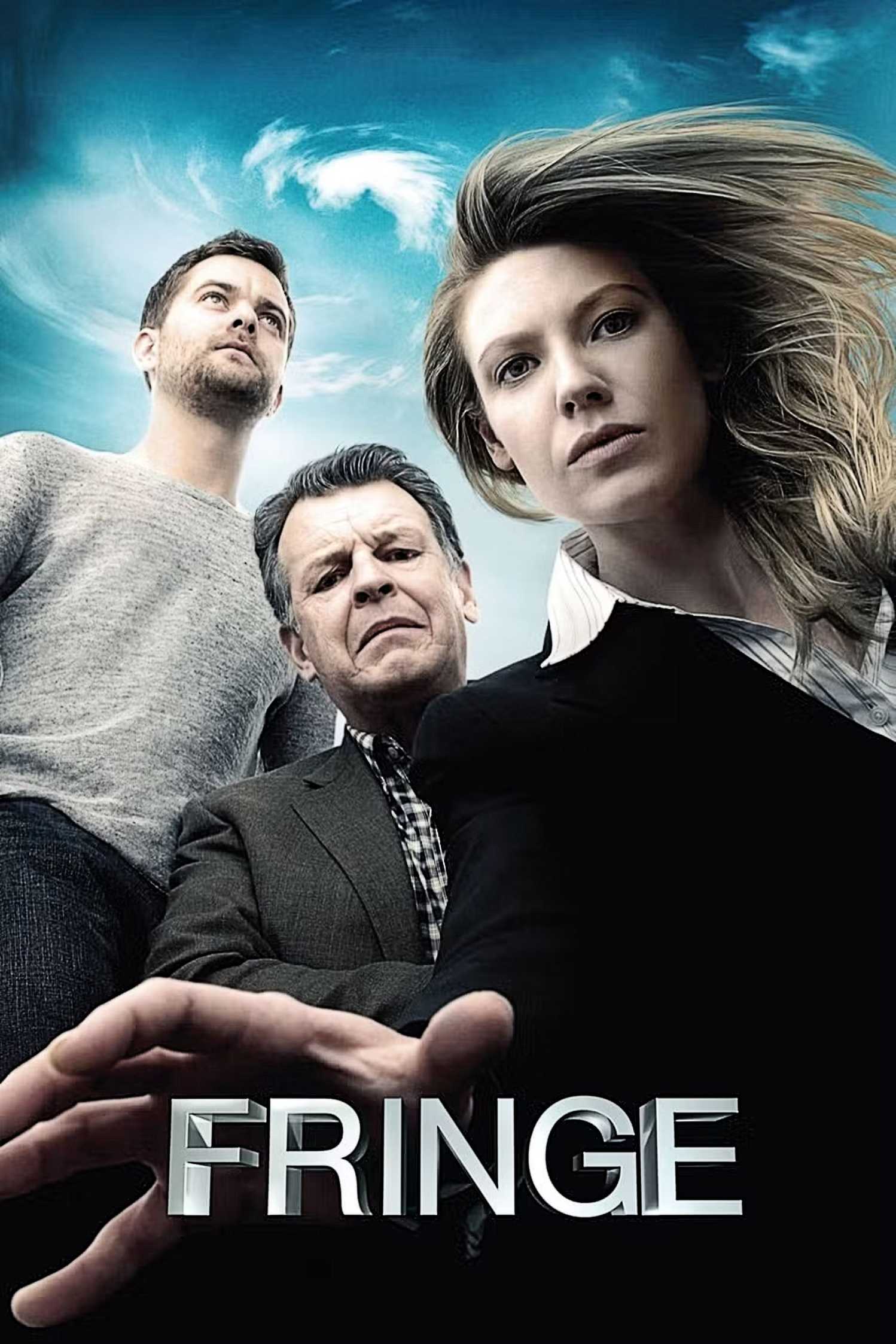
For audiences who find themselves perpetually mourning the end of The X-Files or wishing the labyrinthine mysteries of Lost had been untangled with more precision, there is a singular, often overlooked destination: the 100-episode odyssey of Fringe.
Debuting on Fox in 2008, Fringe arrived with the heavy burden of expectation. It was the brainchild of J.J. Abrams, Alex Kurtzman, and Roberto Orci—the creative trinity that had already reshaped the landscape of modern television. Positioned as the spiritual successor to the supernatural procedural, the show was tasked with filling a vacuum in the cultural zeitgeist. Yet, despite a celebrated five-season run that concluded in 2013, Fringe occupies a strange place in television history: it is a critical darling that never quite achieved the seismic, household-name status of its predecessors. But to label it merely a "successor" is to do a disservice to one of the most structurally sound and emotionally resonant sci-fi sagas ever committed to film.
The Evolution of a Genre Titan
Fringe began its life on Tuesday nights in the fall of 2008, a time when the genre landscape was dominated by the tail-end of Lost. At that time, ABC’s island-bound mystery was in its fifth season, hurtling toward a conclusion that would define—and divide—a generation of viewers. The industry narrative was clear: Lost was winding down, and Fringe was being groomed to take the torch.
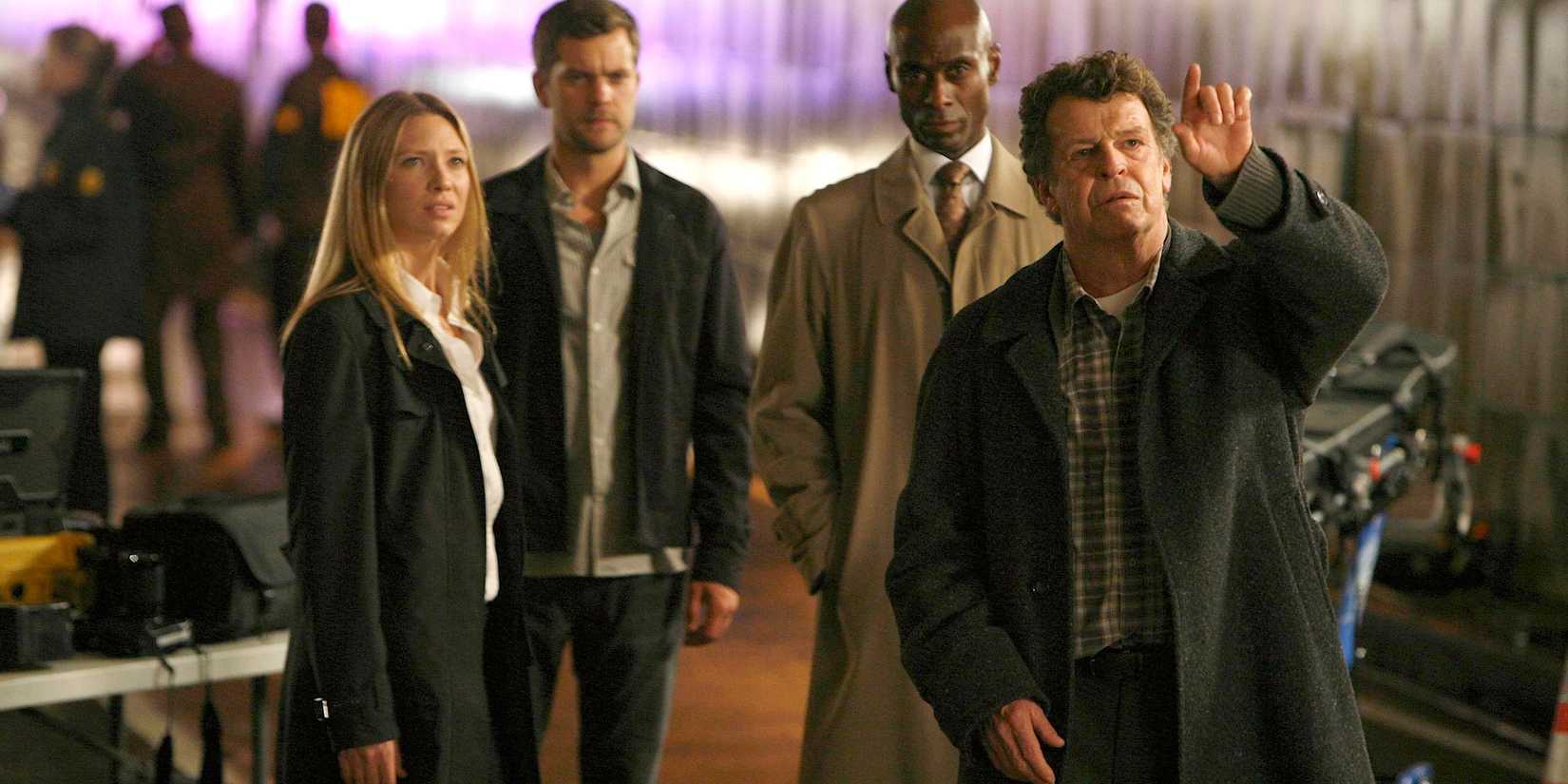
The premise was deceptively simple: a "monster-of-the-week" procedural centered on the Fringe Division of the FBI. Led by Special Agent Olivia Dunham (Anna Torv), the team investigated phenomena that defied conventional science—bio-terrorism, temporal anomalies, and impossible mutations. Alongside her were the brilliant but unstable scientist Dr. Walter Bishop (John Noble) and his estranged, cynical son, Peter Bishop (Joshua Jackson).
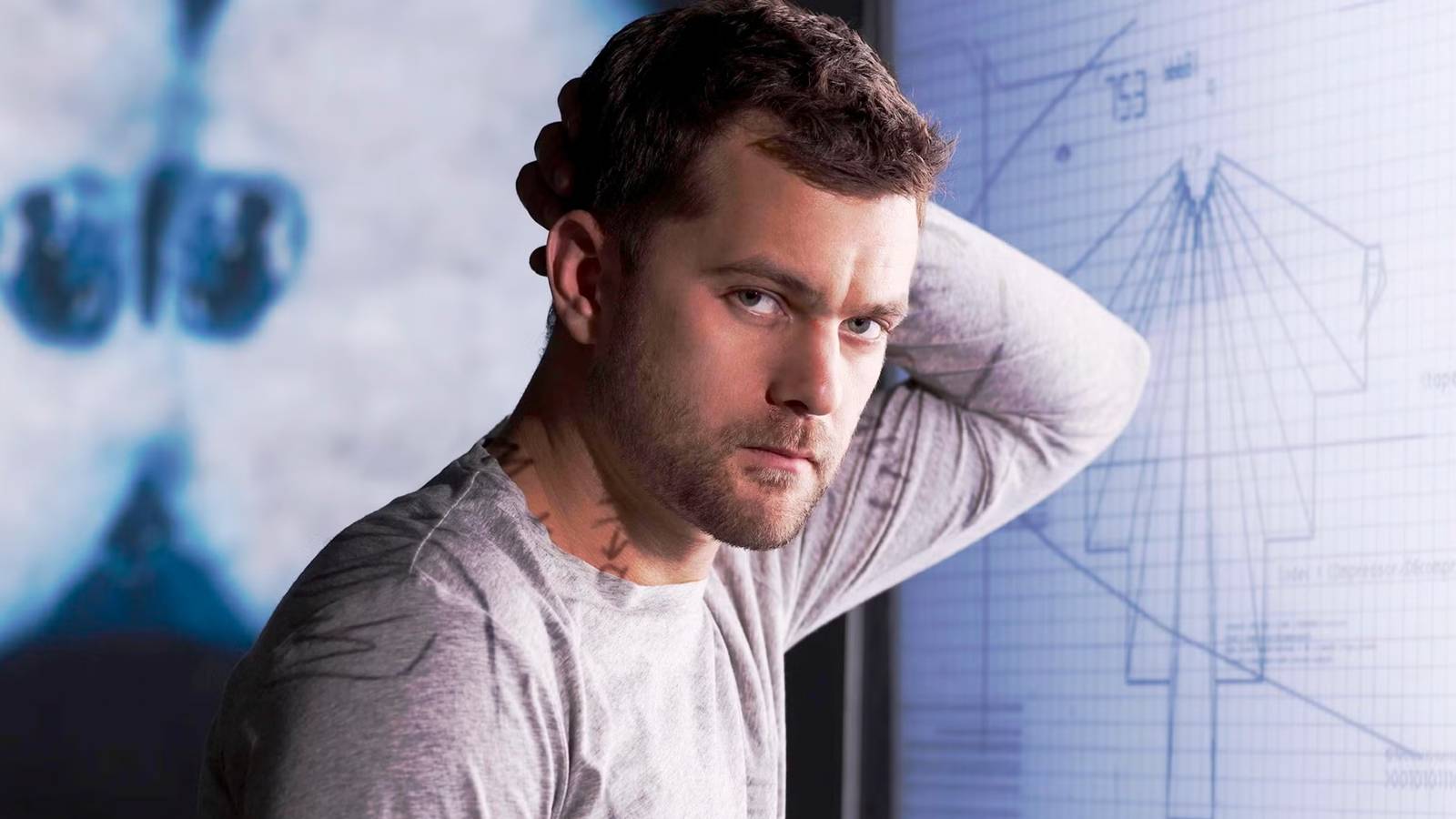
Early episodes mirrored the X-Files formula, focusing on self-contained mysteries. However, as the series progressed, the show began to shed its episodic skin. It evolved into a dense, serialized epic concerning a parallel universe, the consequences of scientific hubris, and the redemptive power of family. It was during this transformation that Fringe stopped chasing the shadows of Lost and The X-Files and instead began to forge its own identity.
A Chronology of Creative Growth
The show’s five-season run can be viewed as a masterclass in narrative maturation.
- Seasons 1 & 2: The Foundation. Initially, the show struggled to balance its "fringe science" procedural roots with the budding mythology of the parallel world. It was during these seasons that the show felt most like a successor to The X-Files, with the "Pattern" serving as a stand-in for the "Truth."
- Seasons 3 & 4: The Expansion. This was the peak of the show’s ambition. By introducing the "Over There" universe—a mirror world with its own history and alternate versions of our leads—the writers expanded the scope of the show to a scale rarely seen on broadcast TV. The character development, particularly regarding Walter Bishop’s past sins, moved to the forefront.
- Season 5: The Conclusion. Unlike many genre shows that are cancelled abruptly, Fringe was granted a final, truncated season to wrap up its story. It moved into a dystopian future governed by the Observers, providing a poignant, character-driven finale that offered far more narrative closure than the polarized endings of its predecessors.
The "Fringe" Advantage: Why It Outperforms the Classics
A contentious but increasingly popular argument in television criticism is that Fringe is actually the superior series when compared to its legendary counterparts. While The X-Files and Lost were pioneers, they were frequently guilty of "making it up as they went along."
The X-Files is famously remembered for its chaotic mythology. As the show progressed, the central alien conspiracy became so convoluted and self-contradictory that even the writers struggled to maintain internal consistency. Similarly, Lost became synonymous with the "mystery box" style of storytelling—a technique that prioritizes questions over answers. While the emotional payoffs in Lost were undeniably powerful, the underlying lore often collapsed under the weight of its own ambition.
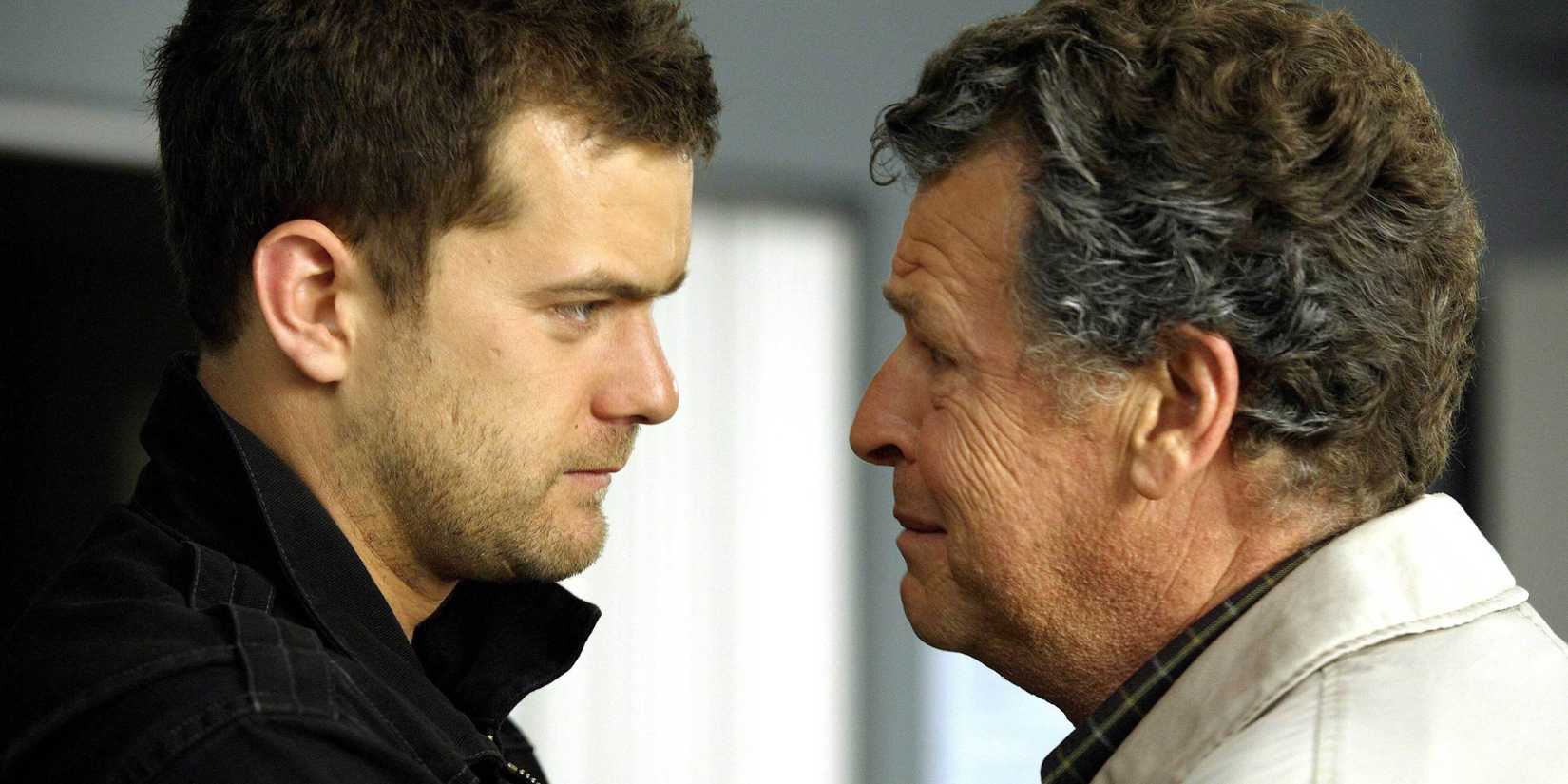
Fringe, by contrast, benefited from a more disciplined approach to its overarching narrative. While it certainly had its own share of "messy" moments—particularly regarding the rules of time travel and universe-hopping—it remained remarkably committed to its core themes of parenthood, sacrifice, and the ethics of science. The emotional anchor of the show was always the relationship between Walter and Peter. Because the writers prioritized this human element, the high-concept sci-fi never felt hollow.
Supporting Data: By the Numbers
- Total Episodes: 100. This is a "sweet spot" in television production, allowing for enough time to flesh out a complex world without the bloat that often plagues shows that overstay their welcome.
- Critical Reception: By its final season, the show held a high critical approval rating, with many publications noting that it had successfully managed to stick the landing—an achievement rarely afforded to shows of its magnitude.
- Legacy Impact: The show proved that a network series could maintain a heavy, serialized mythology while still delivering satisfying episodic content. It paved the way for the "prestige" sci-fi that would follow on streaming platforms years later.
Official Perspectives and Behind-the-Scenes
The production of Fringe was marked by a constant struggle for ratings. Despite the critical acclaim, the show frequently hovered on the edge of cancellation. However, Fox’s decision to keep the show on the air for five years is a testament to the relationship between the network and the showrunners, including Jeff Pinkner.
In various retrospective interviews, the cast—particularly John Noble, whose portrayal of Walter Bishop is widely considered one of the greatest acting performances in sci-fi history—has spoken about the unique creative freedom they were given. The show’s ability to pivot from a dark, body-horror thriller to a character-focused family drama allowed the actors to display a range that is rarely required in genre television.
The Implications for Modern TV
Why does Fringe matter in today’s landscape of endless reboots and high-budget streaming epics?
The implication is that Fringe serves as a bridge between the "old guard" of broadcast TV and the "new guard" of serialized streaming. It utilized the 22-episode-per-season format to its advantage, using the procedural structure to ground its more bizarre concepts. Modern streaming shows, which often opt for 8-to-10 episode arcs, sometimes lack the world-building patience that Fringe possessed.
Furthermore, Fringe proves that you don’t need to reinvent the wheel to make a masterpiece. It took the core tropes of sci-fi—alternate dimensions, mad scientists, and government cover-ups—and refined them. It demonstrated that if you provide characters with genuine emotional stakes, the audience will follow you into the most absurd narrative territory.
Final Thoughts: A Must-Watch Legacy
If The X-Files was the groundbreaking explorer and Lost was the ambitious, chaotic dreamer, then Fringe was the careful craftsman. It learned from the mistakes of those that came before, tightened its narrative logic, and delivered a 100-episode journey that remains cohesive, heartbreaking, and thrilling.
To watch Fringe today is to watch a show that was ahead of its time, a series that never quite got the parade it deserved but one that left behind a blueprint for how to balance spectacle with soul. For those who have yet to take the journey, the "Fringe" division is waiting. The truth isn’t just out there—sometimes, it’s hidden in the quiet, character-driven moments of an alternate reality.
What do you think? Did Fringe surpass its predecessors, or does it exist forever in their shadow? Join the debate and consider adding this underrated gem to your next binge-watch queue.











No comments yet. Be the first to join the conversation!