

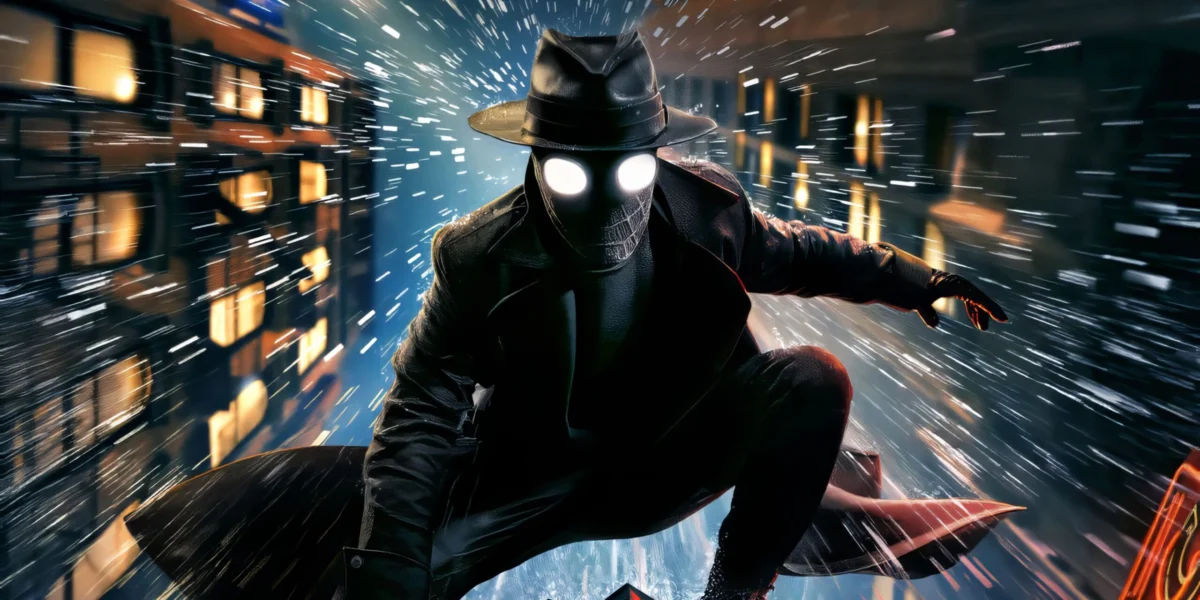
In the sprawling, interconnected tapestry of the Marvel Cinematic Universe (MCU), fans have long debated the merits, flaws, and ideologies of Earth’s Mightiest Heroes. Beyond the high-octane spectacle of exploding helicarriers and intergalactic warfare, these characters serve as mirrors for our own values, insecurities, and internal struggles. Collider is proud to present a deep-dive analysis of the archetypes that define the MCU, structured through our comprehensive 10-question personality assessment.
Whether you align with the tactical brilliance of Iron Man or the unyielding moral integrity of Captain America, your choices in the face of adversity reveal a specific “Heroic Signature.” This article explores the psychological profiles of six titans of the MCU and the implications of what it means to carry their mantle.
The Six Pillars: Defining the Modern Hero
To understand our collective fascination with the MCU, we must first categorize the archetypes present in the franchise. These are not merely super-powered individuals; they are embodiments of distinct philosophical schools of thought.
- Spider-Man (The Burden of Responsibility): Peter Parker represents the intersection of youthful idealism and the crushing weight of duty. He is the hero who reminds us that power is not a prize, but a mandate to serve.
- Daredevil (The Shadow of Conscience): Matt Murdock occupies the volatile space between the legal system and vigilante justice. He is the embodiment of faith tested by the harsh reality of urban decay.
- Iron Man (The Architect of Progress): Tony Stark represents the evolution of the hero from a self-interested industrialist to a global savior. He is defined by the belief that ingenuity can overcome any catastrophe.
- The Punisher (The Relentless Executor): Frank Castle is the outlier—a tragic figure who has abandoned the optimism of the traditional hero for the cold, hard reality of absolute justice.
- Thor (The Burden of Sovereignty): The God of Thunder represents the struggle for worthiness. His journey is one of shedding ego to embrace the responsibilities of leadership and protection.
- Captain America (The Sentinel of Decency): Steve Rogers is the gold standard of moral clarity. In a world of moral grays, he remains the anchor for the values of freedom and unwavering courage.
Chronology of Character Evolution: From Pages to Pixels
The evolution of these characters within the MCU has been a decade-long study in narrative development.
- Phase One (The Foundation): We saw the introduction of Iron Man and Captain America, establishing the dichotomy between technological reliance and human fortitude.
- Phase Two (The Expansion): The stakes increased, and characters like Thor and Spider-Man were integrated, broadening the scope of what constitutes a "hero" to include cosmic entities and local protectors.
- Phase Three (The Reckoning): The moral complexities of the MCU culminated in Civil War, where the ideologies of these heroes clashed directly. This period forced every character to answer the question: Where do you draw the line between justice and revenge?
- Phase Four and Beyond: The legacy of these heroes continues to be defined by the trauma they have endured. Whether it is the loss of mentors, the weight of secret identities, or the pressure of public scrutiny, these characters have shifted from icons to relatable, flawed individuals.
Supporting Data: The Psychology of Choice
When we analyze the responses to our personality quiz, a pattern emerges. Participants tend to favor heroes who align with their current stage of life and professional environment.
The "Systemic" Preference
Those who choose Captain America or Daredevil often show a high propensity for institutional trust or, conversely, a deep, principled disdain for systemic failure. These individuals prioritize the "long game"—building a foundation of justice rather than seeking a quick, often violent, resolution.
The "Innovation" Preference
Iron Man and Spider-Man enthusiasts typically demonstrate high levels of adaptive intelligence. They view problems—whether a failing relationship or a global threat—as puzzles to be solved. Their primary fear is not the enemy itself, but the possibility that their best efforts will not be enough to prevent the "unthinkable."
The "Absolute" Preference
Those who identify with The Punisher or Thor often display a "warrior’s mindset." They are comfortable with decisive action and are less likely to seek consensus. For the Punisher-aligned, the world is a series of binary choices (guilty vs. innocent), whereas the Thor-aligned view the world through the lens of honor and legacy.
Official Perspectives: The Philosophy of the Marvel Creative Team
While the actors and writers behind the MCU emphasize the "fun" of the spectacle, the creative direction has always been rooted in the "hero’s journey." In various production notes, directors have frequently noted that the most compelling aspect of a hero is not their strength, but their vulnerability.
"The mask is the most interesting part of the story," says one lead producer. "It’s not just about hiding a face; it’s about the disconnect between the person they are at 2:00 AM and the person the public sees at 2:00 PM. That friction is where the character growth happens."
This sentiment is reflected in the writing of the MCU. Every time a hero loses a loved one or faces a failure, the script intentionally strips away their power to see how they rebuild. Do they become more isolated like Frank Castle, or do they lean into their community like Peter Parker? This, according to the creators, is the true test of a hero.
Implications: What Your Hero Says About Your Future
The quiz results are more than just a fun personality test; they are a diagnostic tool for how you interact with your own reality.
If you are Spider-Man:
You are currently in a state of transition. You likely feel the weight of expectations from family, work, or education. Your challenge is learning to prioritize your own well-being without losing the empathy that makes you a hero.
If you are Iron Man:
You are a high achiever who likely struggles with delegation. You carry the world on your shoulders because you believe no one else can do it quite right. The lesson for you is that true legacy is found in what you pass on to others, not what you build for yourself.
If you are Captain America:
You are the moral compass of your social circle. Your challenge is the "isolation of the righteous." In a world that often rewards cynicism, holding onto your principles is the bravest thing you can do.
If you are Daredevil:
You are navigating a complex environment where the rules are not always fair. You are a person of deep conviction, but you must be careful that your pursuit of justice does not turn into a pursuit of vengeance.
If you are The Punisher:
You have experienced a defining trauma that has stripped away your illusions about the world. Your path is the hardest one, as it requires you to find meaning in a world that often feels indifferent to the suffering of the innocent.
If you are Thor:
You are wrestling with your identity and your place in the world. You have great power, but you are still learning what that power is actually for. Your journey is not about becoming stronger, but about becoming more compassionate.
Conclusion: The Hero Within
The Marvel Cinematic Universe provides us with a language to discuss our own morality. By choosing a hero, we are not just identifying with a set of powers; we are identifying with a set of solutions to the problems of life.
Whether you are a strategist, a defender, an innovator, or a survivor, the common thread across all these heroes is a refusal to remain a bystander. In our own lives, the call to action may not involve web-slinging or hammers, but it does require the same commitment to "doing what’s right" when it would be so much easier to look the other way.
As you look at the results of your assessment, remember: the hero is not the person who never fails. The hero is the person who stands up one more time than they are knocked down.
What will you do when the battle is lost, you are outnumbered, and you are exhausted? The answer to that question is not just who you are—it is who you are becoming.











No comments yet. Be the first to join the conversation!